

Why Are Dry Ice Maker Pellets a Game-Changer for Precision Cleaning?
Imagine this: You’re a plant manager overseeing a critical production line, and a sudden equipment failure halts operations due to stubborn residues that traditional cleaning methods can’t tackle. Downtime costs are skyrocketing, and environmental regulations are tightening. This scenario is all too common in industries from aerospace to food processing, where precision cleaning is essential. In this blog, we’ll dive into how dry ice maker pellets are revolutionizing this space, offering a solution that’s efficient, eco-friendly, and safe. As experts at HORECO2 Dry Ice Blasting Equipment & Service Co., Ltd., we’ve seen firsthand how these pellets transform operations, and we’re here to share insights that go beyond the basics.
Pain Points: The Hidden Costs of Inefficient Cleaning
First, let’s address the core challenges that plague many industries. Traditional cleaning methods—such as chemical solvents, abrasive blasting, or manual scrubbing—often fall short in high-stakes environments. One major pain point is costly downtime. For instance, in automotive manufacturing, cleaning molds or machinery can take hours or even days with conventional methods, leading to lost production and revenue. A study by industry analysts suggests that unplanned downtime can cost up to $50,000 per hour in sectors like pharmaceuticals, not to mention the labor expenses involved.
Another critical issue is environmental and safety concerns. Chemical cleaners pose risks of contamination and require hazardous waste disposal, adding compliance costs and potential fines. In food processing, residues from abrasive methods can compromise product safety, leading to recalls. Additionally, worker safety is at stake with methods that generate dust or fumes, contributing to health hazards and increased insurance premiums.
Solution: How Dry Ice Maker Pellets Work
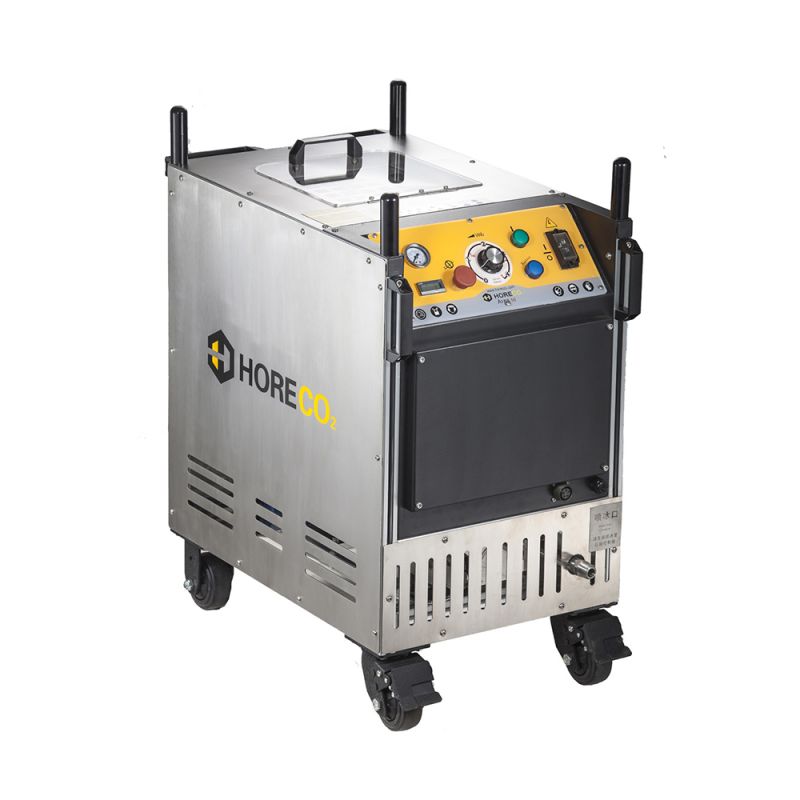
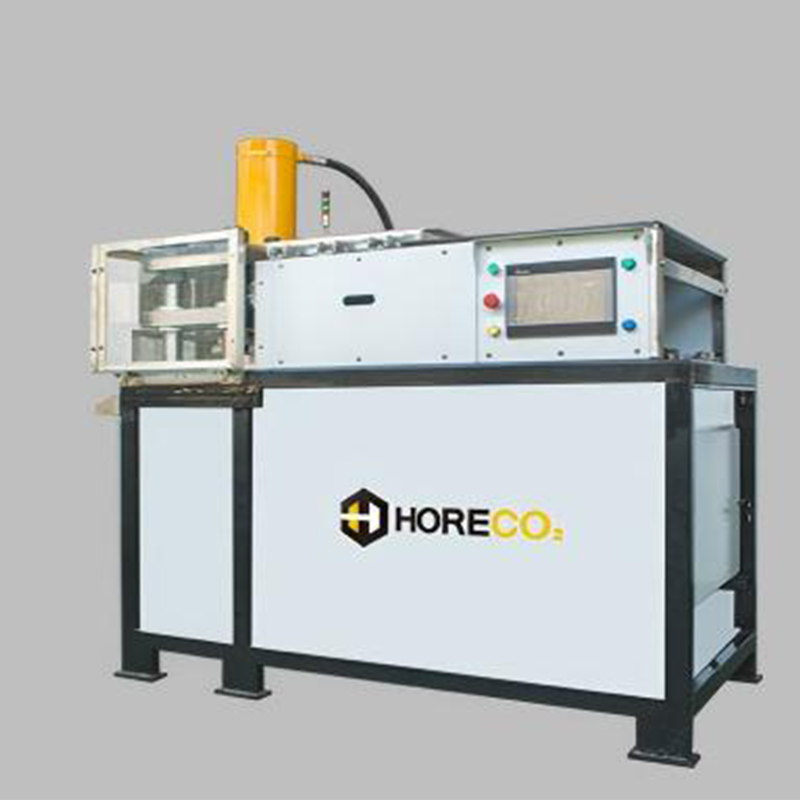
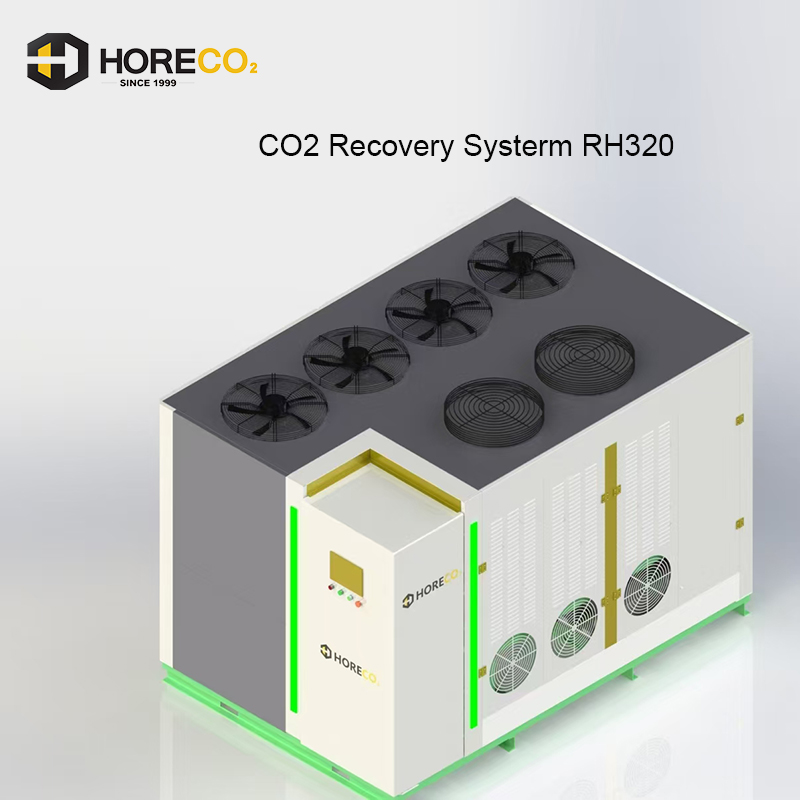
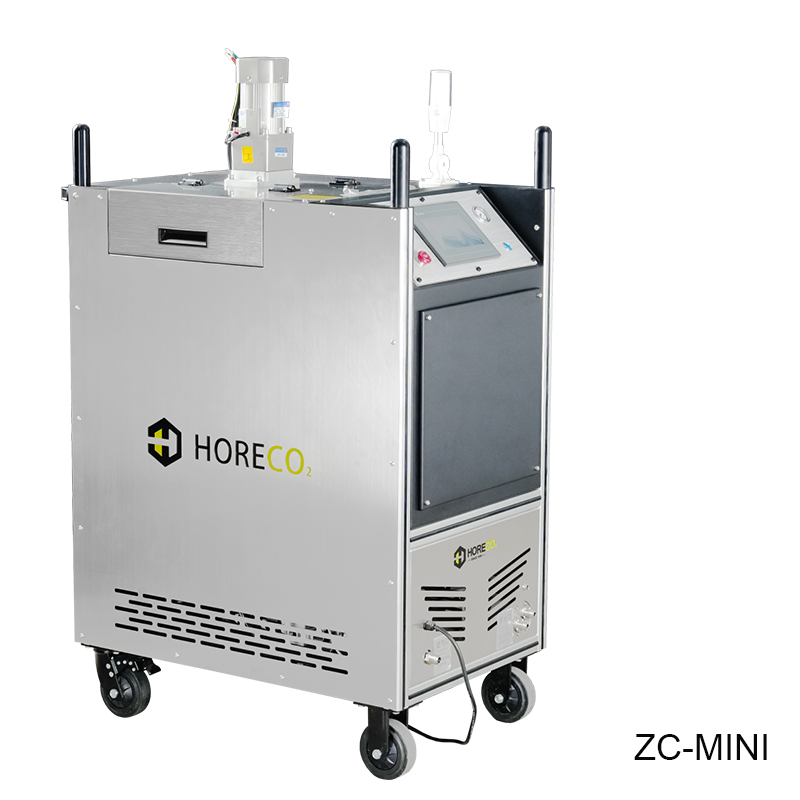
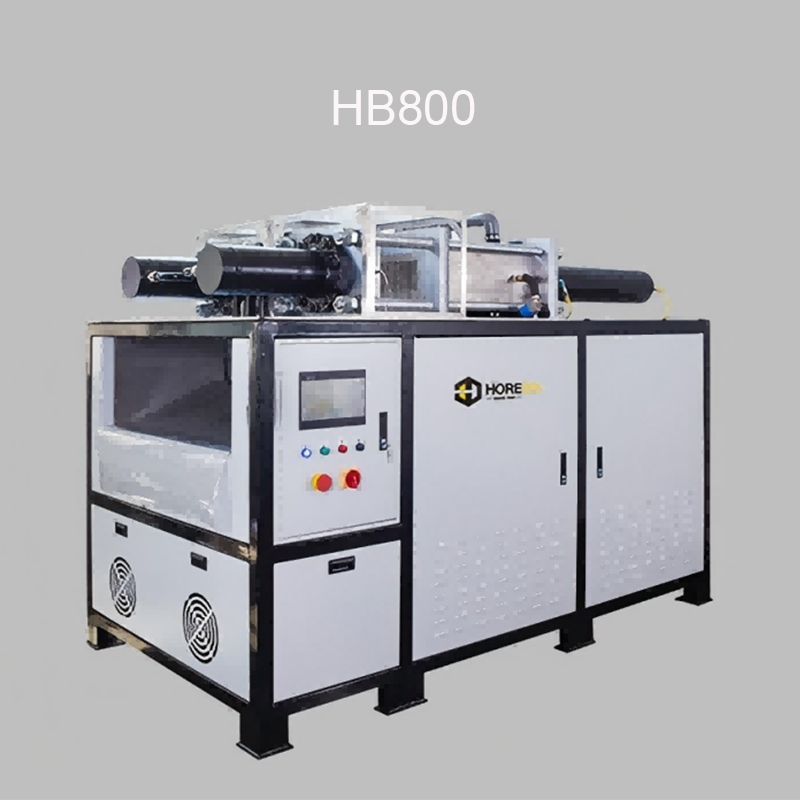
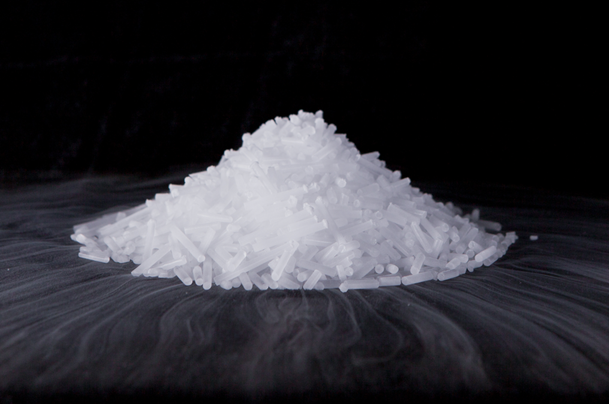
So, how do dry ice maker pellets solve these problems? These pellets, typically made from compressed carbon dioxide (CO2) in sizes like 3mm or 6mm, are used in dry ice blasting systems. The process involves propelling the pellets at high velocity onto surfaces, where they sublimate upon impact—turning directly from solid to gas. This kinetic energy dislodges contaminants without abrasion, moisture, or chemicals. Key advantages include no secondary waste (since the pellets vanish), non-conductivity for electrical components, and compatibility with sensitive materials. HORECO2’s advanced systems optimize pellet delivery for efficiency, reducing cleaning time by up to 70% compared to traditional methods.
Client Success Stories: Real-World Impact
To illustrate this, consider these fictional but realistic cases. In Munich, Germany, a automotive parts manufacturer struggled with grease buildup on robotic arms, causing 15% downtime monthly. After switching to HORECO2’s dry ice pellets, they reduced cleaning time from 4 hours to 30 minutes, boosting production by 20%. The plant manager noted, “This technology has cut our operational costs by 30%, and the lack of residue means no post-cleaning hassles.”
In Chicago, USA, a food processing facility faced mold issues in conveyor systems, risking contamination. Using dry ice pellets, they achieved a 99.9% clean rate without chemicals, slashing sanitation time by 50% and avoiding a potential $100,000 recall. The quality control head said, “It’s a game-changer for maintaining our hygiene standards efficiently.”
In Tokyo, Japan, an electronics manufacturer dealt with static-sensitive component cleaning. Dry ice pellets eliminated electrostatic discharge risks, improving yield by 10% and reducing rework costs by $25,000 annually. The engineering lead commented, “The precision is unmatched, and it aligns with our sustainability goals.”
Applications and Partnerships
Dry ice maker pellets are versatile across sectors. Key applications include:
- Aerospace: Cleaning turbine blades without damage.
- Healthcare: Sterilizing medical equipment.
- Energy: Maintaining solar panels and wind turbines.
FAQ: Technical Deep Dive
1. How do dry ice pellets compare to other blasting media in terms of surface impact?
Dry ice pellets are non-abrasive, unlike sand or soda blasting, which can erode surfaces. They rely on thermal shock and kinetic energy, making them ideal for delicate materials like composites or electronics, with no risk of dimensional change.
2. What is the typical pellet consumption rate for industrial-scale cleaning?
Consumption varies by application, but on average, systems use 1-3 kg per minute. HORECO2’s optimized designs reduce waste, with some clients reporting a 40% lower usage compared to standard systems, translating to cost savings.
3. Are there temperature or humidity limitations for using dry ice pellets?
Pellets perform best in controlled environments (10-30°C) to minimize sublimation loss. High humidity can affect efficiency, but HORECO2’s insulated delivery systems mitigate this, ensuring consistent results in diverse conditions.
4. How does the CO2 sourcing for pellets impact environmental footprint?
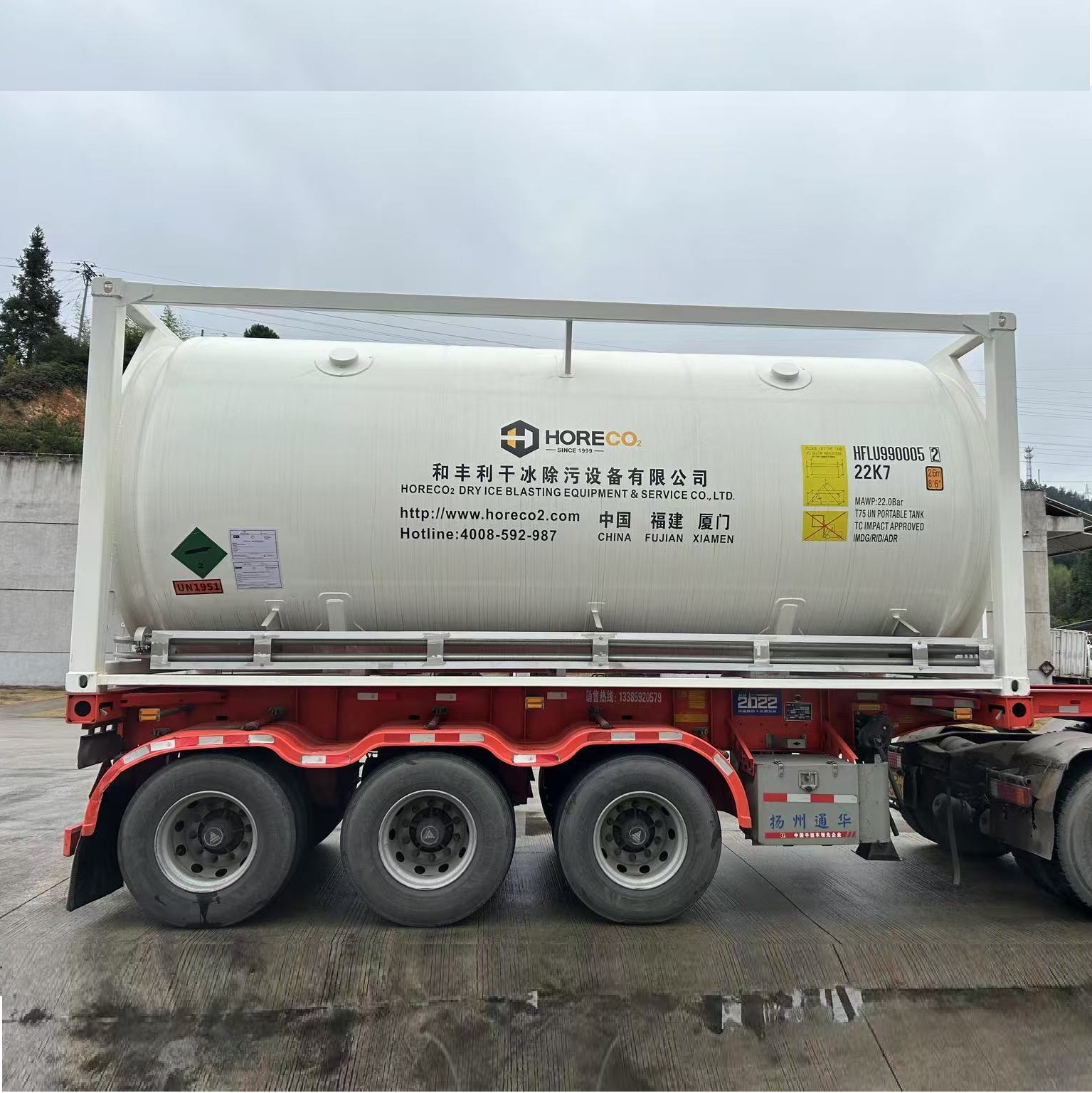
Our pellets use food-grade CO2, often sourced as a byproduct from industrial processes, reducing overall emissions. The process is carbon-neutral, as it recycles CO2 that would otherwise be released, aligning with circular economy principles.
5. What maintenance is required for dry ice blasting equipment using these pellets?
Minimal maintenance is needed—mainly checking hoses and nozzles for wear. HORECO2 systems include self-diagnostic features, with average service intervals of 500 hours, ensuring reliability and low downtime.
Conclusion: Take the Next Step
Dry ice maker pellets offer a compelling solution to modern cleaning challenges, blending efficiency with sustainability. As we’ve seen, they address critical pain points while delivering tangible benefits across industries. If you’re ready to explore how this technology can transform your operations, we invite you to download our detailed technical whitepaper for in-depth insights or schedule a consultation with our sales engineers. Contact HORECO2 today to learn more and see real results—because in precision cleaning, every detail matters.
