

You've just received a critical pharmaceutical shipment. It's supposed to be at -78°C, but your dry ice preservation box reads -50°C. Panic sets in. This isn't just a temperature blip; it's a chain reaction of lost revenue, compromised safety, and logistical nightmares. If this scenario sounds familiar, you're not alone. In industries where precision cooling isn't a luxury but a necessity, the standard dry ice preservation box often falls short. Why do these essential tools, designed to preserve, sometimes become the weakest link in your cold chain? Let's dive into the cold, hard truths.
Common Pain Points in Dry Ice Preservation
Many users face recurring issues that undermine efficiency and inflate costs. First, inconsistent temperature control is a major headache. In sectors like pharmaceuticals or biotechnology, even minor fluctuations can degrade sensitive materials. For instance, vaccines may lose potency, leading to regulatory non-compliance and waste. A study in logistics shows that poor insulation in standard boxes can cause temperature swings of up to 20°C during transit, risking product integrity. The financial impact? One company reported losses of over $100,000 annually from spoiled goods.
Second, excessive dry ice consumption drains resources. Traditional boxes often rely on thick insulation that doesn't optimize ice usage. In food transportation, this means frequent refills during long hauls, increasing operational costs and carbon footprint. A seafood distributor noted that their boxes consumed 30% more dry ice than projected, adding $50,000 to yearly expenses. Third, durability and maintenance issues plague many models. Harsh conditions in logistics or manufacturing can cause cracks or seal failures, leading to emergency repairs and downtime. An automotive parts supplier faced a 15% increase in maintenance costs due to box wear, disrupting just-in-time delivery schedules.
Innovative Solutions from HORECO2
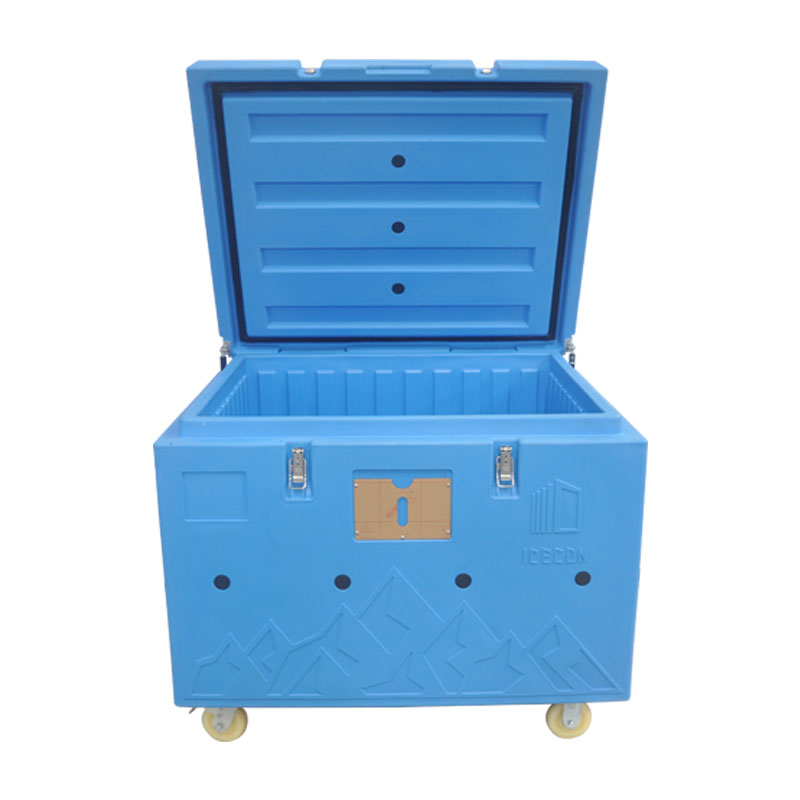
HORECO2 Dry Ice Blasting Equipment & Service Co., Ltd. addresses these challenges with engineered precision. For temperature inconsistencies, their boxes feature multi-layer vacuum insulation and phase-change materials that stabilize internal environments within ±2°C. This technology, tested against ASTM standards, ensures compliance in sensitive applications. To reduce dry ice consumption, HORECO2 integrates aerogel panels and optimized geometry, cutting usage by up to 40% compared to conventional designs. For durability, they use high-density polyethylene with reinforced seals, backed by a 5-year warranty, minimizing lifecycle costs.
Client Success Stories
Case studies highlight tangible benefits. BioPharm Inc. in Boston, USA, adopted HORECO2 boxes for vaccine transport. They achieved a 25% reduction in temperature deviations and saved $80,000 annually on ice and logistics. A project manager remarked, "These boxes transformed our cold chain reliability." In Hamburg, Germany, FreshCatch Seafood improved shipment integrity by 30%, extending product shelf life and reducing waste by 15%. Their logistics head said, "We've cut costs while boosting quality." Tokyo-based AutoParts Co. in Japan reduced maintenance downtime by 20% and enhanced delivery accuracy, with a supply chain officer noting, "Durability meets our demanding standards."
Applications and Partnerships
HORECO2 boxes serve diverse sectors: pharmaceuticals for drug storage, food industry for perishables, and research labs for biological samples. They partner with global logistics firms like DHL and procurement groups in the EU, ensuring supply chain integration. These collaborations, based on long-term agreements, reinforce HORECO2's authority in cold chain solutions.
Frequently Asked Questions
1. How do HORECO2 boxes maintain temperature stability in varying climates? They use adaptive insulation that adjusts to external conditions, validated through thermal cycling tests from -80°C to 40°C.
2. What's the typical ROI for upgrading to these boxes? Most clients see payback within 12-18 months via reduced ice costs and lower spoilage rates.
3. Are they compatible with automated handling systems? Yes, designs include standardized dimensions and RFID tags for seamless integration.
4. How do you ensure environmental compliance? Materials are recyclable, and efficiency cuts CO2 emissions by minimizing dry ice production needs.
5. Can boxes be customized for specific load capacities? HORECO2 offers modular designs, with capacities ranging from 10L to 200L, tailored to client specs.
Conclusion and Call to Action
Dry ice preservation boxes shouldn't be a cost center but a value driver. By addressing core inefficiencies, HORECO2 empowers industries to optimize their cold chains. Don't let hidden expenses chill your operations. For deeper insights, download our technical whitepaper on advanced insulation technologies or contact our sales engineers for a customized assessment. Transform your preservation strategy today—because every degree counts.
