

What's Really Driving the Dry Ice Pellet Making Revolution?
Ever walked into a food processing plant and noticed the subtle, lingering odors or the fine layer of dust that traditional cleaning methods just can't seem to tackle? Or maybe you've been in a manufacturing facility where downtime for cleaning means lost productivity and revenue. These aren't just minor annoyances; they're symptoms of deeper inefficiencies in industrial maintenance. That's where dry ice pellet making machines come into play—but what's behind their rising popularity? Let's dive in.
Deepening the Pain Points: Where Traditional Methods Fall Short
In industries ranging from food and beverage to automotive and aerospace, maintenance teams face significant challenges. First, consider contamination risks. In food processing, residues from cleaning chemicals or abrasive materials can linger, posing health hazards and leading to costly recalls. A single incident might result in millions in losses and reputational damage. Second, downtime is a silent killer. Traditional cleaning often requires shutting down equipment for hours or even days, disrupting production schedules and bleeding profits. For instance, in a mid-sized plant, a day of downtime can cost over $50,000 in lost output. Third, environmental and safety concerns are mounting. Harsh chemicals contribute to pollution and require special disposal, while abrasive methods can damage delicate surfaces, leading to premature equipment wear and replacement costs.
Detailing the Solutions: How Dry Ice Pellet Making Machines Address These Issues
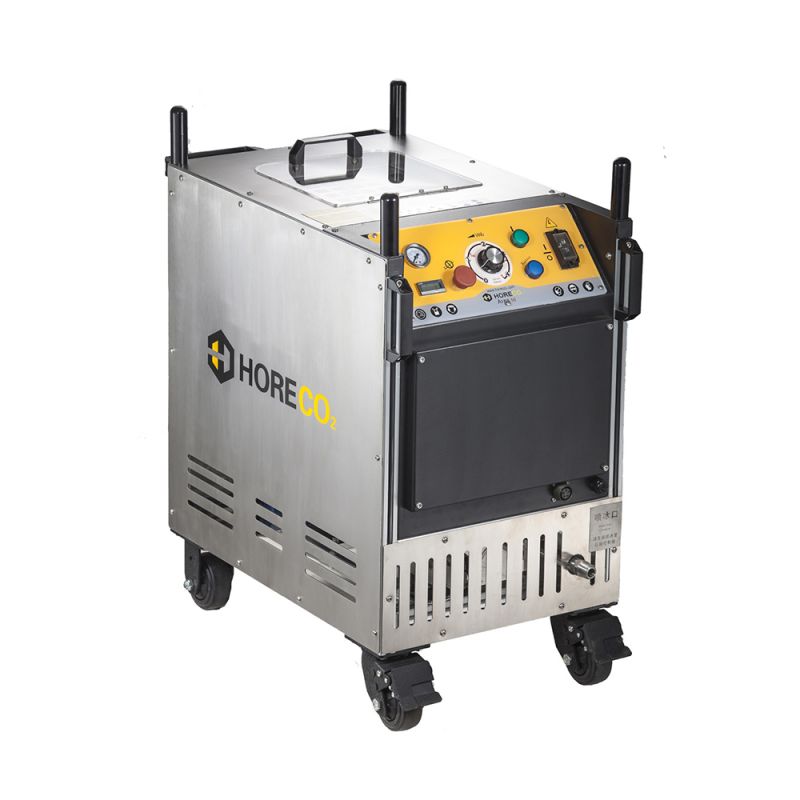
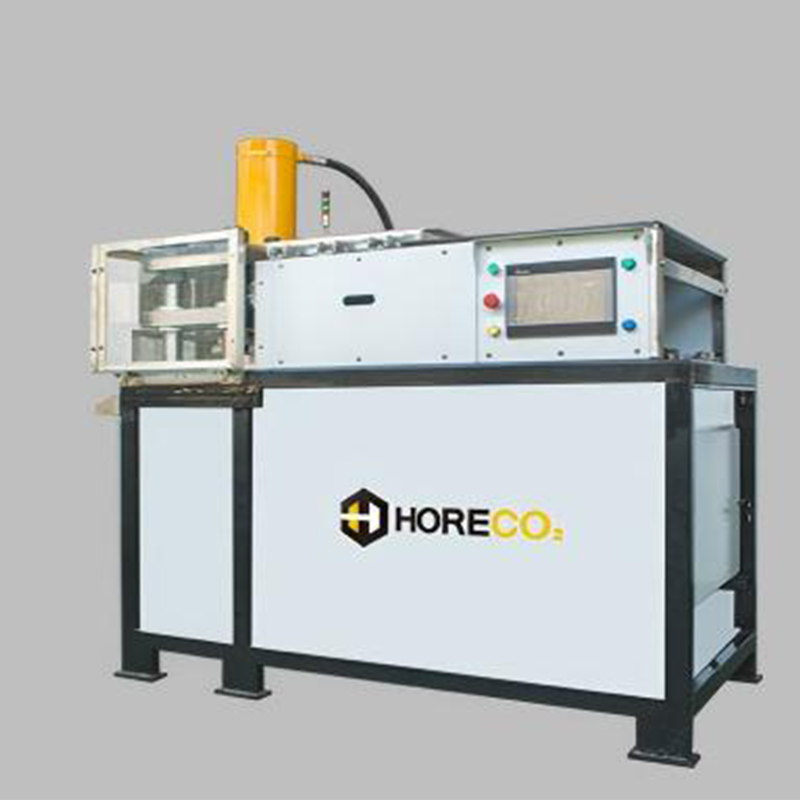
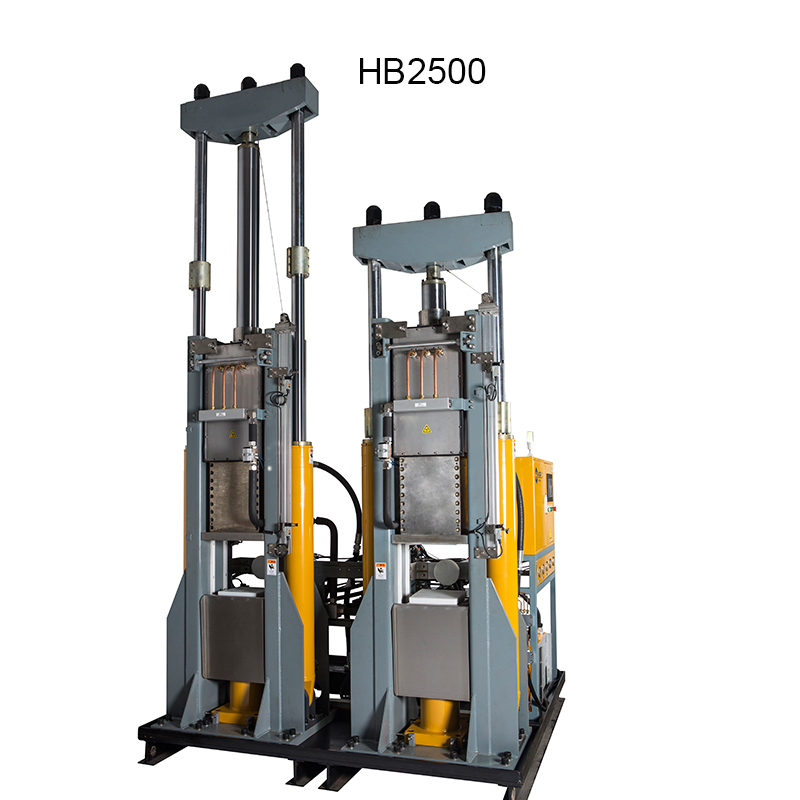
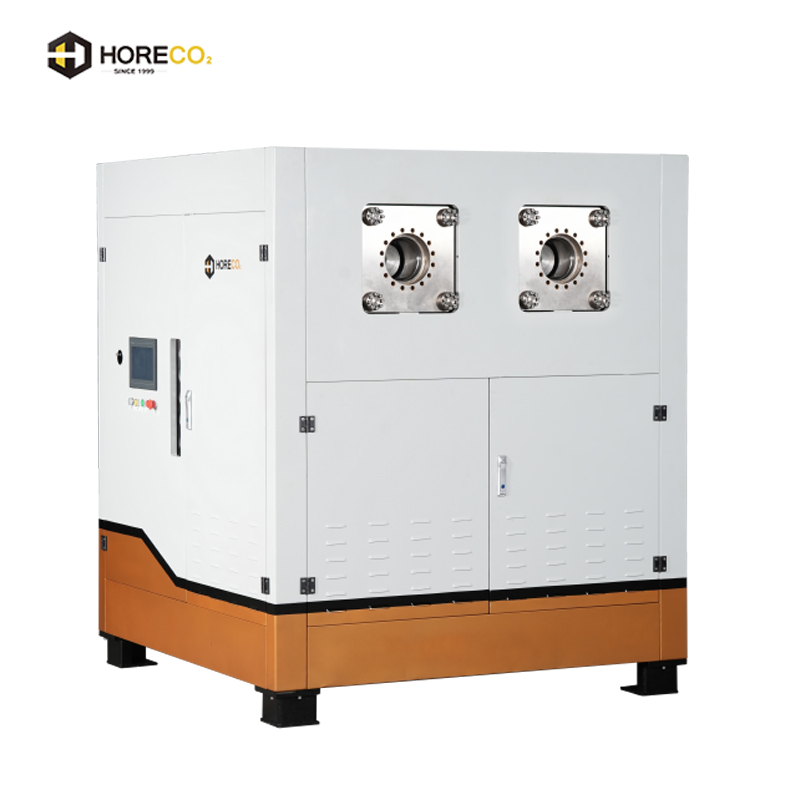
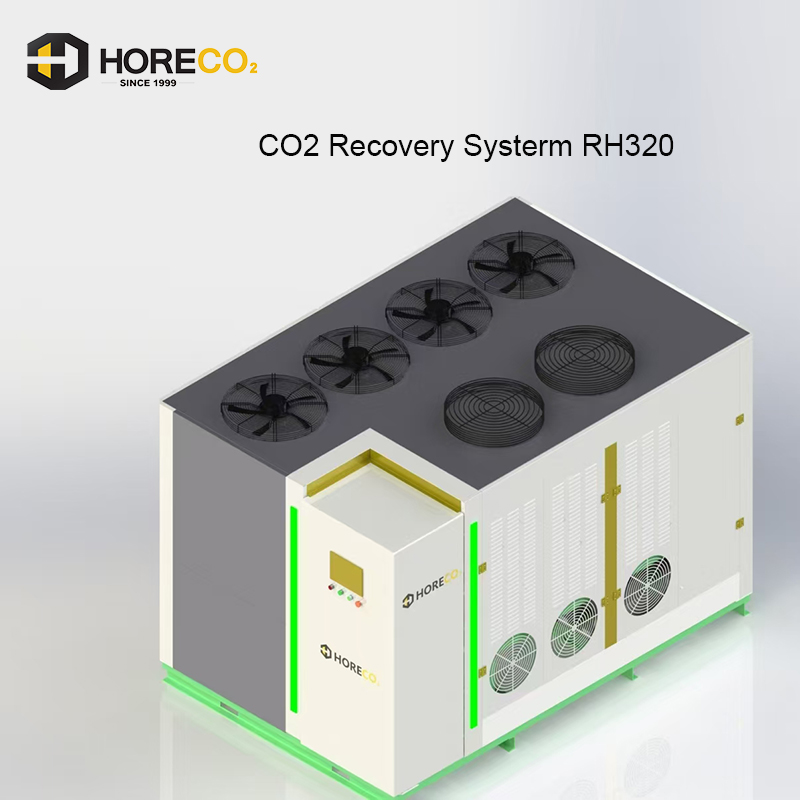
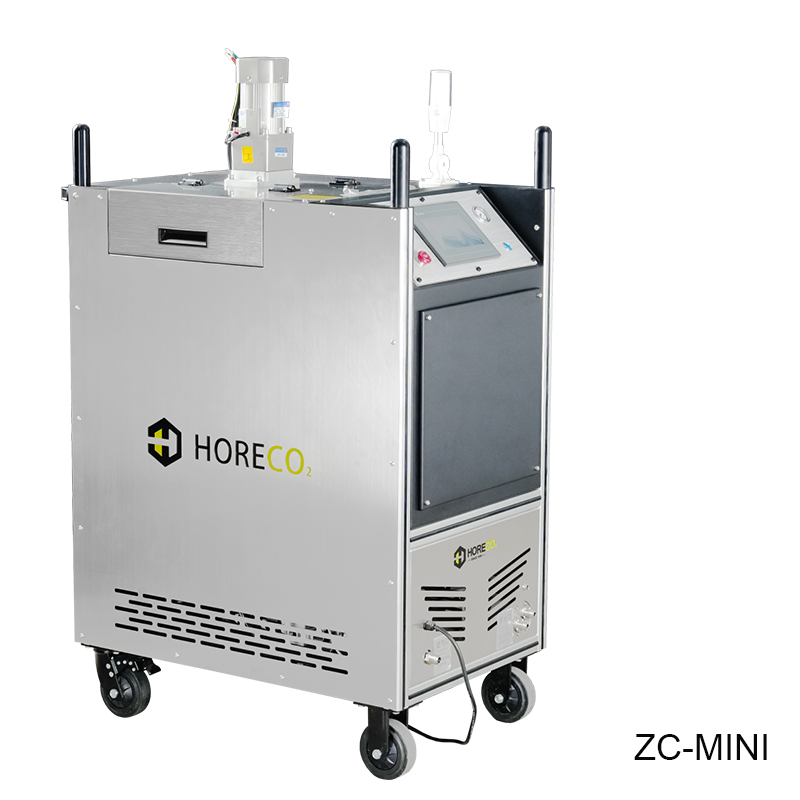
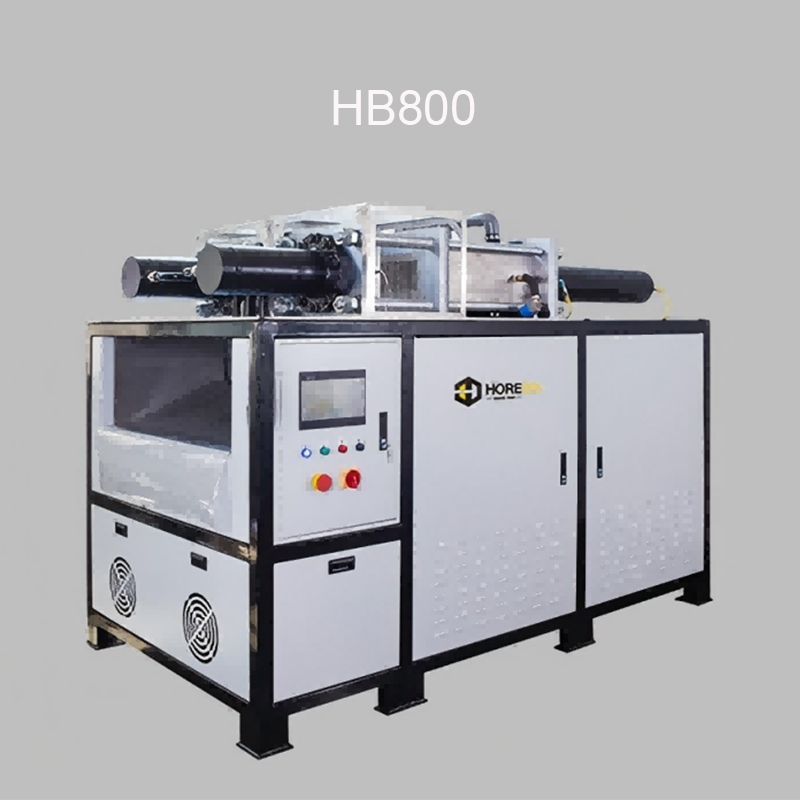
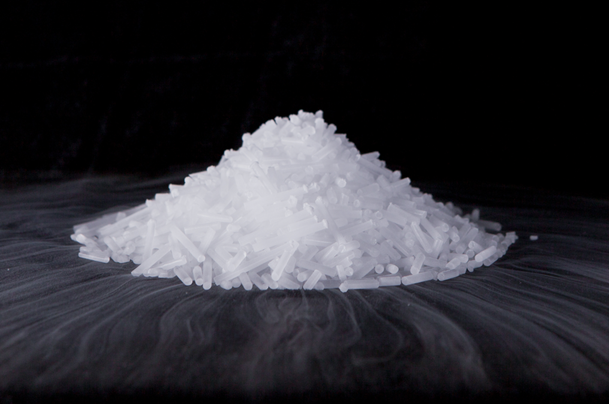
Dry ice pellet making machines, like those developed by HORECO2 Dry Ice Blasting Equipment & Service Co., Ltd., offer a game-changing approach. These machines produce solid CO2 pellets through a precise process of compressing and cooling carbon dioxide, creating pellets that sublime upon impact. For contamination risks, dry ice blasting uses these pellets to clean without leaving residues, as the pellets turn directly into gas. This eliminates chemical traces and reduces cross-contamination. To combat downtime, the process is non-abrasive and can often be performed while equipment is running or with minimal shutdowns, cutting downtime by up to 70%. For environmental concerns, dry ice blasting is eco-friendly—it uses recycled CO2, produces no secondary waste, and is non-toxic, aligning with stringent regulations like those from the EPA and EU standards.
Customer Cases and Testimonials: Real-World Success Stories
Here are three detailed examples from clients who have transformed their operations with HORECO2's technology. In Munich, Germany, a brewery struggled with yeast buildup in fermentation tanks, causing frequent shutdowns and quality issues. After implementing a dry ice pellet making machine, they reduced cleaning time from 8 hours to 2 hours per tank, boosting annual production by 15%. Their plant manager noted, "This machine has revolutionized our maintenance routine, saving us time and money while keeping our beer pure." In Toronto, Canada, an automotive parts manufacturer faced surface contamination from oils and greases, leading to rework costs of $20,000 monthly. With dry ice blasting, they eliminated 95% of rework, cutting costs by $18,000 per month. A procurement manager shared, "The precision and efficiency have exceeded our expectations, making it a staple in our line." In Sydney, Australia, a pharmaceutical facility dealt with sensitive equipment that couldn't tolerate moisture or chemicals. Dry ice blasting allowed them to clean without damage, reducing equipment failure rates by 40% and extending lifespan by two years. Their engineer commented, "It's the only solution that meets our strict hygiene and safety standards without compromise."
Applications and Partnerships: Broadening the Impact
Dry ice pellet making machines find use across diverse sectors. In food and beverage, they ensure hygienic surfaces in processing lines; in manufacturing, they remove coatings and debris from machinery; in aerospace, they clean turbine blades without abrasion; and in healthcare, they sanitize medical devices. HORECO2 collaborates with key partners to enhance this reach. For example, they work with industrial gas suppliers like Air Liquide for CO2 sourcing, ensuring a steady supply chain. Procurement deals with major firms such as Siemens and Bosch have integrated these machines into their maintenance protocols, bolstering HORECO2's authority in the field. These partnerships not only validate the technology but also drive innovation through shared R&D efforts.
FAQ Section: Answers for Engineers and Procurement Managers
1. Q: How does the pellet size affect cleaning efficiency? A: Pellet size, typically ranging from 3mm to 16mm, influences impact energy and coverage. Smaller pellets offer finer cleaning for delicate surfaces, while larger ones provide more force for heavy-duty tasks. HORECO2 machines allow adjustable settings to optimize based on application, ensuring maximum efficiency without damage.
2. Q: What is the energy consumption of these machines? A: Modern dry ice pellet makers are designed for energy efficiency, consuming between 10-20 kW per hour, depending on output capacity. This is comparable to standard industrial equipment, with some models featuring regenerative cooling systems to reduce overall power use by up to 15%.
3. Q: Can dry ice blasting be used in hazardous environments? A: Yes, it's inherently safe as it produces no sparks and is non-conductive, making it suitable for explosive atmospheres (ATEX zones). However, proper ventilation is recommended to manage CO2 gas buildup, and HORECO2 provides guidelines compliant with OSHA and other safety standards.
4. Q: How does maintenance of the machine itself compare to traditional blasters? A: Dry ice pellet makers have fewer moving parts than sand or water blasters, reducing wear and maintenance needs. Routine checks involve inspecting nozzles and compressors, with typical service intervals every 500 hours. This lowers long-term operational costs by up to 30% compared to abrasive methods.
5. Q: What are the cost implications for switching from chemical cleaning? A: Initial investment is higher, but savings accrue quickly. Eliminating chemical purchases, disposal fees, and reduced downtime can lead to a return on investment within 6-12 months. For example, a facility spending $5,000 monthly on chemicals might save $4,000 after switching, based on case studies.
Conclusion and Call to Action
The dry ice pellet making revolution isn't just about cleaner surfaces; it's about smarter, more sustainable industrial practices that boost productivity and cut costs. By addressing core pain points with innovative technology, HORECO2 is leading the charge in this space. If you're ready to explore how these machines can transform your operations, we invite you to download our detailed technical whitepaper for in-depth insights or contact our sales engineers for a personalized consultation. Take the next step toward efficiency and reliability today.
