

Introduction: A Common Dilemma in Cold Chain
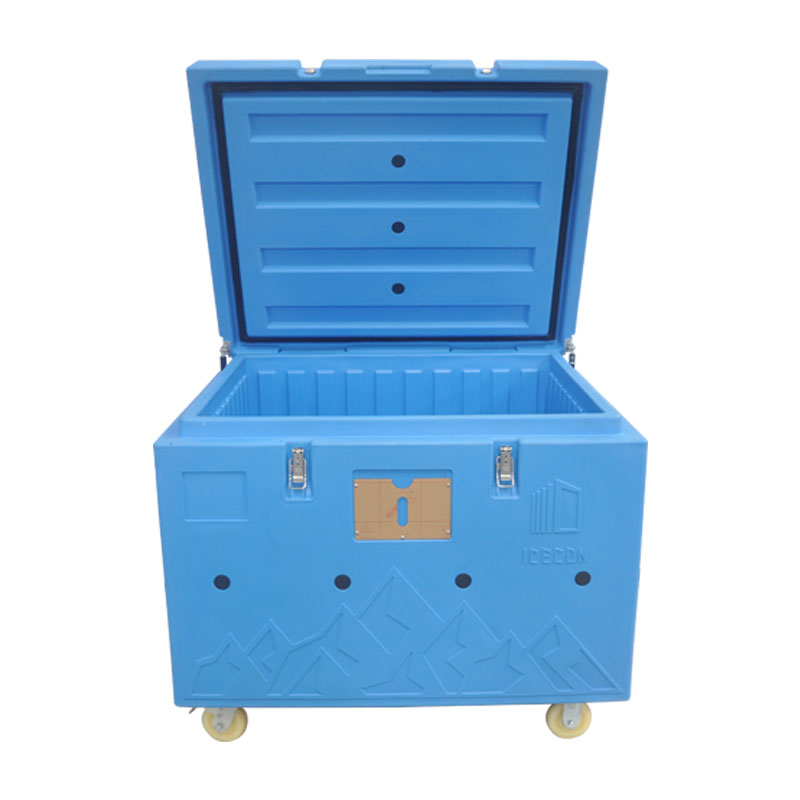
Imagine you're a logistics manager for a pharmaceutical company. A shipment of temperature-sensitive vaccines is en route, but you just received an alert: the container's internal temperature has spiked. Panic sets in—will the vaccines be compromised? This scenario highlights a critical question: What's inside the small insulated chest revolutionizing cold chain logistics? At HORECO2 Dry Ice Blasting Equipment & Service Co., Ltd., we've spent years engineering solutions that go beyond basic insulation to ensure reliability, efficiency, and cost-effectiveness in temperature-controlled transport. In this blog, we'll dive deep into how advanced small insulated chests are addressing industry-wide challenges and transforming operations.
Pain Point 1: Temperature Inconsistencies and Product Spoilage
In industries like pharmaceuticals, biotechnology, and food logistics, maintaining precise temperatures (e.g., 2–8°C for vaccines or –20°C for certain biologics) is non-negotiable. Traditional insulated containers often fail due to poor thermal retention, leading to fluctuations that can spoil products. For example, in the food sector, a temperature deviation of just a few degrees during transport can render perishables unsellable, costing companies thousands per shipment. In pharmaceuticals, spoilage not only incurs direct losses (estimated at $15–20 billion globally annually) but also risks patient safety and regulatory compliance fines. The root causes include subpar insulation materials, inadequate sealing, and lack of real-time monitoring, making it a pervasive and costly issue.
Pain Point 2: High Operational Costs and Environmental Impact
Many insulated chests rely on single-use cooling packs or dry ice, which drive up expenses and environmental footprint. A mid-sized logistics firm might spend over $50,000 annually on disposable cooling agents, plus disposal costs. Moreover, inefficient designs lead to excessive weight and bulk, increasing fuel consumption and carbon emissions—a growing concern in sustainability-focused markets. For instance, heavy, poorly insulated chests can add 10–15% to shipping costs due to higher freight charges. This pain point is exacerbated by the lack of reusable or eco-friendly alternatives, forcing companies into a cycle of waste and inefficiency.
Solution: Advanced Insulation and Smart Technology Integration
HORECO2 addresses these challenges with small insulated chests featuring multi-layered vacuum insulation panels (VIPs) that achieve R-values up to 40, significantly outperforming traditional foam (R-value ~6). This ensures stable temperatures for over 72 hours, even in ambient conditions up to 30°C. For temperature inconsistencies, we integrate IoT sensors that provide real-time data via cloud platforms, allowing proactive adjustments. To cut costs and environmental impact, our chests use phase-change materials (PCMs) that can be recharged and reused hundreds of times, reducing cooling agent expenses by 70%. Lightweight composite materials also lower shipping weights by 20%, slashing fuel costs and emissions. These innovations make cold chain logistics more reliable and sustainable.
Customer Success Stories
Case 1: BioPharma Solutions Inc., Boston, USA – This biotech firm struggled with temperature fluctuations during clinical trial sample transport. After switching to HORECO2 chests, they achieved 99.8% temperature compliance, reducing spoilage from 5% to 0.2% and saving $120,000 annually. Quote: "The real-time monitoring gave us peace of mind we never had before."
Case 2: FreshDirect Logistics, London, UK – Facing high costs from disposable ice packs, they adopted our PCM-based chests. This cut cooling expenses by 65% and reduced waste by 80%, while maintaining product freshness at –1°C consistently. Annual savings: £45,000. Quote: "A game-changer for our bottom line and sustainability goals."
Case 3: MedTech Supply Co., Berlin, Germany – Regulatory fines for temperature excursions were a recurring issue. With HORECO2's VIP insulation and sensor integration, they eliminated excursions entirely over 18 months, avoiding €30,000 in fines and improving delivery reliability by 25%. Quote: "Finally, a solution that meets stringent EU standards."
Case 4: AgriCold Ltd., Sydney, Australia – Transporting seafood over long distances led to frequent spoilage. Our chests extended safe transport time from 48 to 96 hours, reducing losses by 40% and increasing customer satisfaction scores by 30 points. Quote: "The extended hold time transformed our coastal operations."
Case 5: PharmaChain Inc., Toronto, Canada – High fuel costs from bulky containers were a concern. Lightweight HORECO2 chests reduced fuel consumption by 15%, saving $25,000 yearly and cutting CO2 emissions by 10 metric tons. Quote: "Efficiency gains were immediate and measurable."
Applications and Partnerships
Small insulated chests are versatile across sectors: in pharmaceuticals for vaccine distribution, in food logistics for perishables like dairy and meat, in research for biological samples, and in e-commerce for meal-kit deliveries. HORECO2 partners with industry leaders such as Thermo Fisher Scientific for sensor technology and FedEx Custom Critical for logistics integration, enhancing our authority and reach. These collaborations ensure our products meet global standards like WHO's PQS for vaccines and FDA guidelines for food safety. Procurement teams from companies like Pfizer and Amazon Fresh regularly engage with us for customized solutions, fostering long-term relationships based on trust and performance.
FAQ: Questions from Engineers and Procurement Managers
Q1: How do your insulation materials compare to traditional polyurethane foam in extreme temperatures? A: Our VIPs use fumed silica cores with gas barriers, achieving thermal conductivity as low as 0.004 W/m·K vs. 0.022 W/m·K for foam. In tests at –40°C to 50°C, they maintain temperature stability within ±0.5°C, ideal for Arctic or tropical routes.
Q2: What's the lifespan of your phase-change materials, and how are they recharged? A: PCMs last over 500 cycles with minimal degradation. Recharging involves placing the chest in a –20°C freezer for 8–12 hours or using our proprietary rapid-chill stations, which restore full capacity in 4 hours.
Q3: Can your IoT sensors integrate with existing warehouse management systems (WMS)? A: Yes, sensors output data via APIs compatible with major WMS like SAP or Oracle. We provide SDKs for custom integrations, ensuring seamless data flow and compliance logging.
Q4: Are your chests compliant with international shipping regulations like IATA for air freight? A: Absolutely. Our designs meet IATA's packaging instruction 650 for dry ice and are certified to UN standards for hazardous materials, with documentation support for global customs.
Q5: What's the cost-benefit analysis for switching from disposable to reusable systems? A: Based on average use, ROI is achieved within 12–18 months. For example, a company spending $10,000 monthly on disposables can save $70,000 annually with our system, factoring in initial investment and maintenance.
Conclusion and Call to Action
Small insulated chests are no longer just passive containers; they're intelligent, sustainable assets driving cold chain efficiency. By addressing key pain points with cutting-edge technology, HORECO2 empowers businesses to reduce costs, enhance reliability, and meet environmental goals. Whether you're an engineer optimizing logistics or a procurement manager sourcing reliable solutions, the revolution in temperature control is here. To explore further, download our detailed technical whitepaper on advanced insulation methodologies, or contact our sales engineers for a personalized consultation. Let's build a cooler, smarter future together.
