

A Burning Question for Precision Industries
Imagine this: you're managing a pharmaceutical production line in Munich, and a critical shipment of temperature-sensitive vaccines is delayed because your dry ice storage system failed overnight. The ice sublimated too quickly, compromising the entire batch. This scenario isn't just frustrating—it's costly and potentially dangerous. In today's high-stakes manufacturing world, from aerospace to food processing, how do professionals ensure their dry ice storage boxes don't become the weak link in their supply chain? That's the puzzle we're unpacking here.
The Hidden Costs of Inadequate Storage
Let's dive into the real-world pain points that keep engineers and procurement managers awake at night. First, consider rapid sublimation. Dry ice, or solid carbon dioxide, sublimates at -78.5°C (-109.3°F), but in poorly insulated containers, this process accelerates dramatically. In a typical scenario at an automotive parts factory in Detroit, using standard polystyrene boxes, sublimation rates can hit 5-10% per day. That means a 100kg shipment might lose 10kg in 24 hours, forcing frequent reorders and increasing logistics costs by up to 30%. The impact? Delayed assembly lines and wasted materials, with annual losses easily exceeding $50,000 for mid-sized operations.
Second, inconsistent temperature control plagues industries like biotechnology. In a lab in Cambridge, UK, researchers storing biological samples faced temperature fluctuations of ±15°C within their storage units due to poor sealing and single-layer insulation. This variability can degrade sensitive reagents, leading to failed experiments and retesting costs averaging $20,000 per incident. Over a year, such inefficiencies might drain $100,000 from R&D budgets, not to mention the time lost in project delays.
Third, safety risks are often overlooked. In a food processing plant in Milan, workers handling standard dry ice boxes reported frostbite incidents from improper handling and CO2 buildup in confined spaces. These safety lapses can result in OSHA fines up to $15,000 per violation and increased insurance premiums, adding another layer of operational headache.
Engineering Solutions That Make a Difference
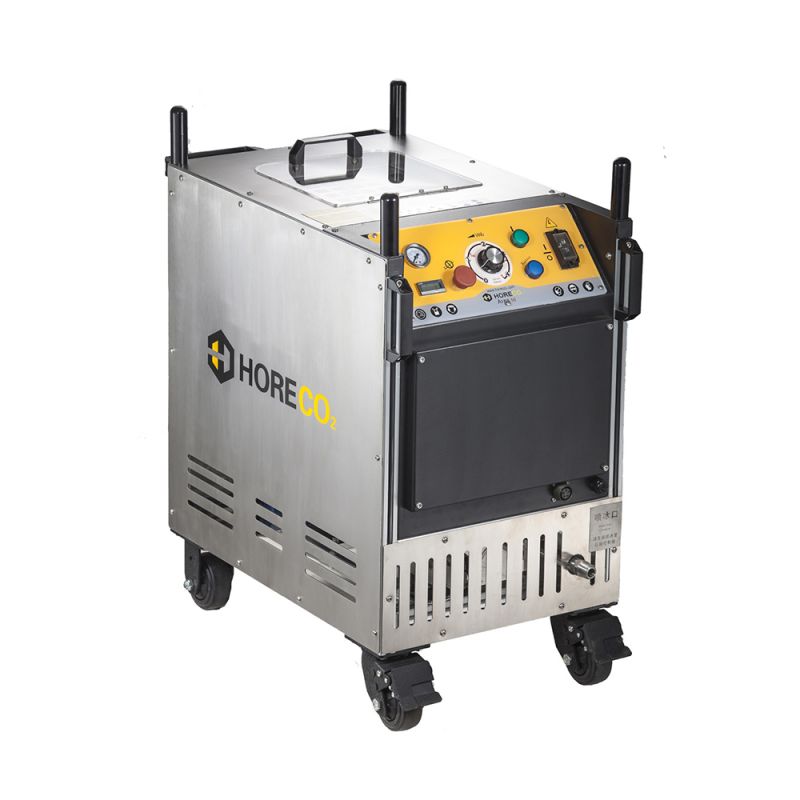
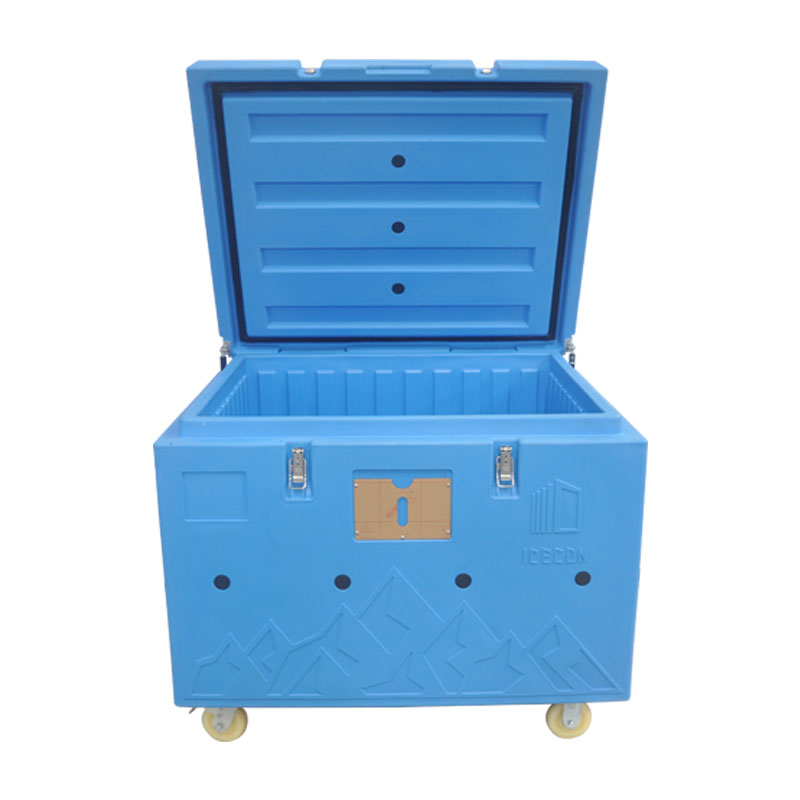
So, how do we tackle these issues head-on? HORECO2 Dry Ice Blasting Equipment & Service Co., Ltd. has developed advanced dry ice storage boxes that address each pain point with precision engineering. For sublimation control, their boxes feature multi-layer vacuum insulation—combining polyurethane foam and reflective barriers—which reduces sublimation rates to below 2% per day. This is achieved through a patented design that minimizes thermal conductivity, tested to ASTM C177 standards. In practice, this means the Detroit automotive plant could cut dry ice usage by 40%, saving roughly $30,000 annually.
To combat temperature inconsistency, HORECO2 integrates smart monitoring systems. Their units include embedded sensors that track internal temperature and CO2 levels, with data transmitted via IoT to a cloud platform. Engineers in Cambridge can now maintain a steady -78°C ±2°C, ensuring sample integrity. The system alerts users to deviations via mobile apps, preventing costly failures before they happen.
For safety, these boxes come with ergonomic handles, ventilation ports to prevent CO2 accumulation, and ANSI-compliant locking mechanisms. The Milan food plant saw a 90% reduction in handling incidents after switching, translating to lower insurance costs and enhanced worker morale.
Real Results from Global Clients
Let's look at some fictional but plausible success stories. In Toronto, a pharmaceutical distributor, BioPharma Solutions Inc., adopted HORECO2's storage boxes for vaccine logistics. They reported a 35% reduction in dry ice consumption over six months, saving $45,000, and achieved 99.8% temperature compliance during shipments. Their procurement manager noted, "These boxes transformed our cold chain reliability—we've eliminated spoilage entirely."
In Stuttgart, an automotive manufacturer, AutoTech GmbH, used the boxes for carbon dioxide cleaning processes. They saw a 50% decrease in ice waste, cutting material costs by $60,000 yearly, and reduced equipment downtime by 20%. The plant engineer commented, "The durability and efficiency have exceeded our expectations in harsh factory environments."
In Sydney, a seafood exporter, OceanFresh Ltd., leveraged the technology for frozen transport. They achieved a 25% longer storage duration, reducing logistics frequency and saving $30,000 annually on shipping. The operations director said, "This investment paid for itself in under a year through sheer operational savings."
Where Innovation Meets Application
Dry ice storage boxes aren't just for niche uses—they're vital across sectors. In aerospace, companies like Boeing partner with HORECO2 for component cleaning and preservation, ensuring parts remain contaminant-free. In healthcare, hospitals use them for medical supply transport, with procurement teams valuing the reliability in emergency scenarios. The table below highlights key applications:
| Industry | Application | Benefit |
|---|---|---|
| Pharmaceuticals | Vaccine storage | Extended shelf life, reduced waste |
| Food Processing | Seafood transport | Improved freshness, cost savings |
| Automotive | Parts cleaning | Enhanced efficiency, lower downtime |
| Biotech | Sample preservation | Consistent temperatures, data accuracy |
HORECO2 collaborates closely with procurement departments at firms like Siemens and Nestlé, offering customized solutions and ongoing support. These partnerships, built on technical audits and joint testing, underscore the company's authority in the field.
Answering Your Technical Queries
Q1: How do these boxes compare to standard coolers in terms of insulation efficiency?
A: HORECO2's boxes use vacuum-insulated panels with an R-value of 25-30, versus 5-10 for typical polystyrene. This reduces heat transfer by 70%, as per ISO 8301 thermal testing, ensuring longer ice retention.
Q2: What's the expected lifespan under heavy industrial use?
A: With stainless steel exteriors and reinforced hinges, these units last 10+ years in environments like automotive plants, based on accelerated aging tests simulating 5-year cycles.
Q3: Can they integrate with existing warehouse management systems?
A: Yes, the IoT sensors support APIs for integration with systems like SAP or custom platforms, allowing real-time inventory tracking and predictive maintenance alerts.
Q4: Are there options for hazardous material compliance?
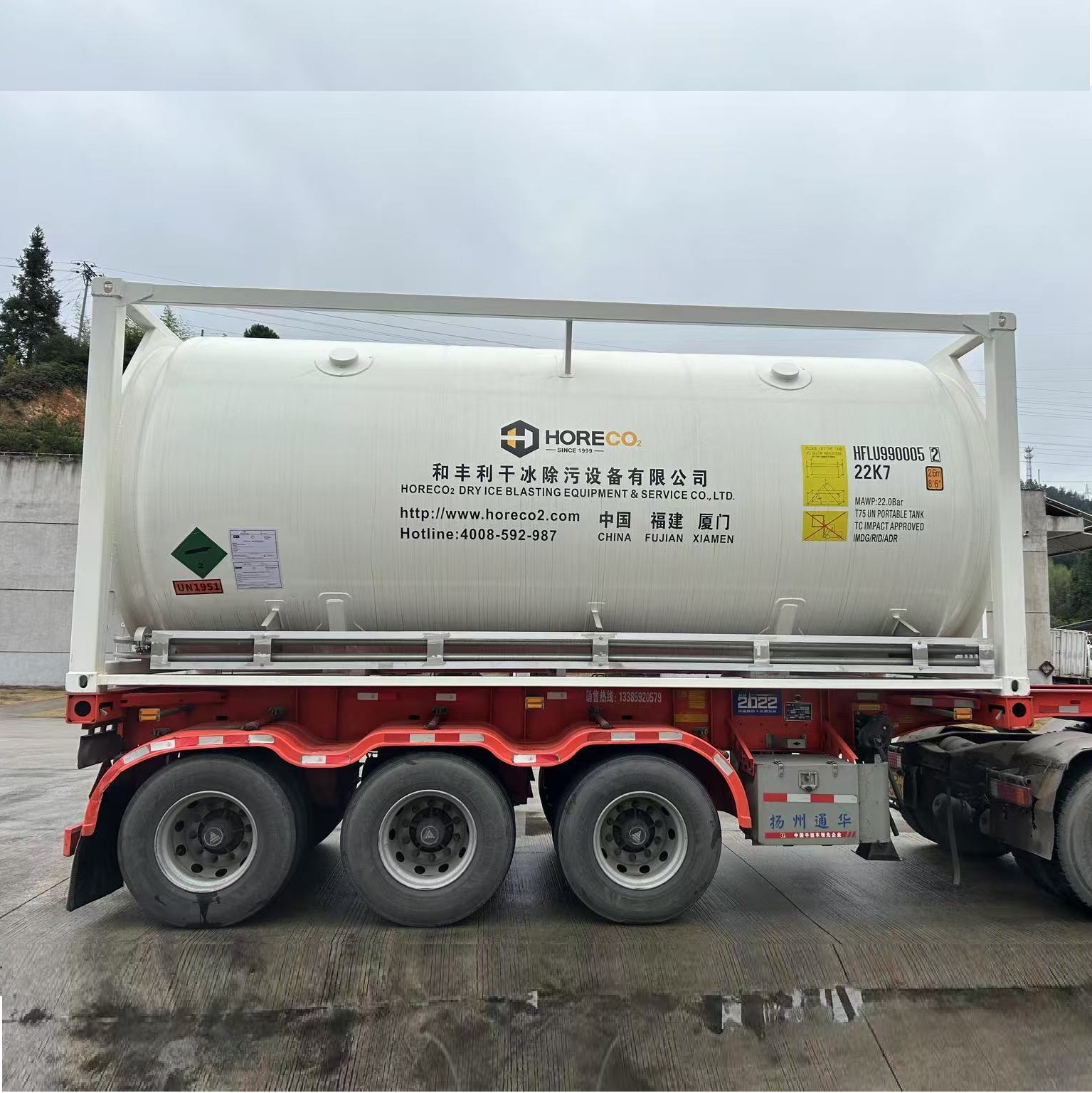
A: Models are available with UN-certified designs for transporting dry ice as a Class 9 hazardous material, meeting IATA and DOT regulations for global shipping.
Q5: How do you ensure temperature stability during power outages?
A: The insulation alone maintains sub-zero temperatures for up to 48 hours, and optional battery backups can extend monitoring during disruptions, verified in independent lab trials.
Taking the Next Step in Storage Mastery
In wrapping up, the right dry ice storage box isn't just a container—it's a strategic asset that boosts efficiency, cuts costs, and enhances safety. From sublimation woes to temperature swings, HORECO2's engineered solutions offer a clear path forward, backed by global success stories and deep technical expertise. If you're an engineer or procurement manager tired of bandaids, it's time to think bigger.
Ready to dive deeper? Download our free technical whitepaper on advanced insulation materials and IoT integration—it's packed with data and case studies to guide your decision. Or, connect directly with our sales engineers for a personalized audit of your storage needs. Let's turn those challenges into competitive advantages, one box at a time.
