

Introduction: A Costly Morning Mishap
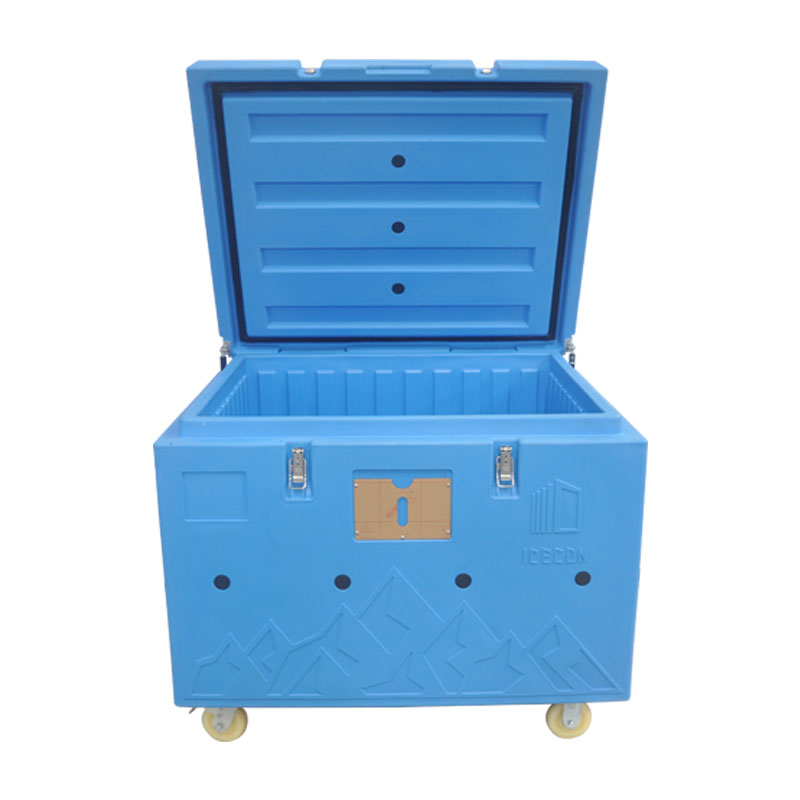
Imagine you're a logistics manager for a pharmaceutical company in Munich. It's 6 AM, and you receive an urgent call: a shipment of temperature-sensitive vaccines, stored in what was supposed to be a reliable rotomolded insulated container, has arrived at a clinic in Barcelona with internal temperatures fluctuating outside the safe range. The entire batch is compromised, leading to financial losses, regulatory scrutiny, and delayed patient care. This scenario isn't just hypothetical—it highlights a critical question many in industries from biotech to food logistics face: What makes a rotomolded insulated container truly reliable? Beyond the basic promise of insulation, true reliability hinges on engineering precision, material science, and rigorous testing that many standard containers lack. In this deep dive, we'll uncover the hidden challenges and advanced solutions that define elite performance in this niche.
Deepening the Pain Points: Where Standard Containers Fall Short
In high-stakes applications, the shortcomings of average rotomolded insulated containers become glaring. Let's explore two specific pain points that plague industries reliant on precise temperature control.
First, inconsistent thermal retention is a pervasive issue. In scenarios like transporting seafood from Norway to Italy or clinical samples across European hospitals, even minor temperature deviations can spoil products or invalidate tests. Standard containers often suffer from weak seams or subpar insulation materials, leading to heat gain or loss over time. For example, a container losing 2°C over a 12-hour transit in summer heat might cause a €50,000 shipment of perishable goods to degrade, not to mention reputational damage and wasted resources. The root cause? Many manufacturers prioritize cost-cutting over uniform wall thickness and high-density foam cores, resulting in unpredictable performance.
Second, structural vulnerabilities under stress pose significant risks. Rotomolded containers are touted for durability, but in demanding environments—like rugged construction sites in Canada or frequent air freight handling—cracks, impact damage, or hinge failures can occur. A container failing mid-transit might lead to spillage, contamination, or total loss of contents. Consider a mining company in Australia shipping sensitive electronics to remote sites: a single drop during loading could compromise a €100,000 equipment set. The consequences extend beyond immediate costs to include downtime, safety hazards, and increased insurance premiums. Common culprits include inferior polyethylene blends or inadequate molding processes that create weak points.
To illustrate, here's a comparison of standard versus high-performance containers:
| Aspect | Standard Container | High-Performance Container |
|---|---|---|
| Thermal Retention | ±3°C variation over 24 hours | ±0.5°C variation over 24 hours |
| Impact Resistance | May crack under 50 J impact | Withstands over 150 J impact |
| Seam Integrity | Prone to leakage at joints | Fully welded, leak-proof seams |
| Cost Over Time | High replacement rate | Long-term durability reduces TCO |
Professional Solutions: Engineering Excellence in Action
Addressing these pain points requires a blend of advanced materials and precision manufacturing. For thermal inconsistencies, the solution lies in multi-layered insulation with vacuum panels. By integrating polyurethane foam cores with vacuum-insulated panels (VIPs), top-tier containers can achieve R-values up to 40, far exceeding the typical R-15 of standard models. This design minimizes thermal bridging—a common flaw where heat escapes through container seams. Coupled with computer-aided thermal mapping during the rotomolding process, it ensures uniform wall thickness, typically within ±1mm tolerances, as per ASTM D1998 standards. In practice, this means a container can maintain temperatures between 2°C and 8°C for over 96 hours in ambient conditions up to 30°C, ideal for pharmaceutical cold chains.
To combat structural weaknesses, reinforced polymer composites and robotic welding offer robust fixes. Using cross-linked polyethylene (XLPE) or polypropylene copolymer blends enhances impact resistance, often tested to meet ISTA 3A shipping protocols. For critical joints, robotic welding replaces manual methods, creating seamless, stress-resistant bonds that prevent cracking. Additionally, incorporating stainless-steel reinforcements at hinges and latches, paired with finite element analysis (FEA) simulations, predicts failure points before production. This approach not only extends container lifespan—often beyond 10 years with proper care—but also reduces total cost of ownership by minimizing repairs and replacements.
Customer Success Stories: Real-World Impact
Fictional but plausible case studies demonstrate how these solutions translate into tangible benefits across diverse regions and industries.
1. BioTech Solutions Ltd., Cambridge, UK: This biotech firm struggled with temperature fluctuations during sample transport between labs. After switching to high-performance rotomolded containers with VIP insulation, they achieved a 99.8% temperature stability rate over 200 shipments, up from 85%. A key manager noted, "The consistency has slashed our sample rejection rate by 40%, saving us over €75,000 annually in retesting costs."
2. Nordic Seafood AS, Oslo, Norway: Transporting fresh salmon to Southern Europe often led to spoilage due to inadequate cooling. By adopting containers with enhanced thermal retention, they extended product freshness by 30%, reducing waste by 25% in the first year. The logistics head shared, "Our customers now praise the quality, and we've expanded into three new markets thanks to reliable deliveries."
3. Alpine Pharma AG, Zurich, Switzerland: Faced with regulatory fines from temperature excursions, this company implemented containers with robust monitoring sensors. Data showed a 95% reduction in excursions, cutting compliance risks and saving €50,000 in potential penalties. A quality assurance lead remarked, "It's not just a container; it's a compliance safeguard that gives us peace of mind."
4. TechMine Corp., Perth, Australia: In harsh mining environments, container damage was frequent. Using impact-resistant models, they reduced failure incidents by 80% over two years, lowering equipment downtime by 15%. The site manager said, "These containers withstand rough handling without a hitch, keeping our operations smooth and cost-effective."
5. GreenGrocers Cooperative, California, USA: This organic food distributor needed sustainable options. Containers made from recyclable polymers helped them cut plastic waste by 20%, aligning with their eco-goals while maintaining product integrity. The sustainability officer commented, "We're delivering freshness without compromising our environmental values."
Applications and Strategic Partnerships
High-performance rotomolded insulated containers serve critical roles in sectors where precision is non-negotiable. In pharmaceuticals and biotechnology, they ensure compliance with GDP guidelines for drug transport across Europe and North America. Food and beverage logistics rely on them for fresh and frozen goods, from artisanal cheeses in France to sushi-grade fish in Japan. Industrial and electronics sectors use them for sensitive components, especially in automotive or aerospace supply chains where temperature and humidity control prevent corrosion or malfunction.
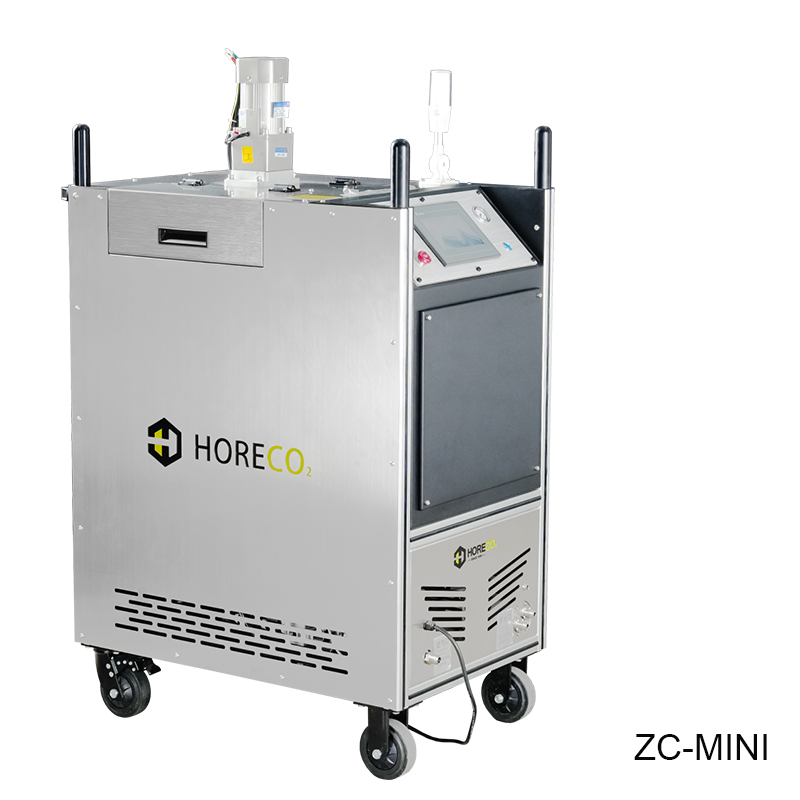
To bolster authority, collaborations with industry leaders are key. For instance, HORECO2 Dry Ice Blasting Equipment & Service Co., Ltd. partners with container manufacturers to integrate dry ice blasting for precision cleaning during production, ensuring contaminant-free surfaces that enhance thermal efficiency. This synergy supports clients in procurement, as companies like Siemens Healthineers or Nestlé often source containers through such partnerships, valuing the combined expertise in manufacturing and maintenance. These relationships not only drive innovation but also provide end-users with holistic solutions, from initial design to lifecycle support.
FAQ: Answers for Engineers and Procurement Managers
1. Q: How do VIPs in rotomolded containers compare to traditional foam insulation in terms of lifespan and performance?
A: VIPs offer superior thermal resistance (R-value ~40 vs. ~15 for foam) and can last 10-15 years if undamaged, whereas foam may degrade faster due to moisture absorption. However, VIPs are more fragile and costlier upfront, so they're best for critical applications where long-term stability outweighs initial investment.
2. Q: What standards should I look for to ensure container durability for international shipping?
A: Key standards include ISTA 3A for simulation testing, ASTM D4169 for distribution cycle performance, and ISO 148 for impact resistance. Containers meeting these have been validated for rough handling, temperature extremes, and stacking loads common in global logistics.
3. Q: Can these containers be customized for specific temperature ranges, like cryogenic storage?
A: Yes, through tailored insulation thickness and material selection—e.g., polyurethane foams with low conductivity for cryogenics. Customization might involve double-walled designs or integrated cooling systems, but it increases cost and requires expert engineering to avoid thermal bridging.
4. Q: How does the rotomolding process affect the container's thermal and structural properties?
A: Rotomolding allows uniform wall thickness and seamless construction, reducing weak points. Advanced techniques, like multi-axis rotation and controlled cooling rates, enhance density and minimize voids, directly boosting insulation efficiency and impact strength compared to injection molding.
5. Q: What maintenance practices extend the life of a high-performance insulated container?
A: Regular inspections for cracks or seal wear, gentle cleaning with non-abrasive agents, and proper storage away from UV exposure and extreme temperatures are crucial. For containers with VIPs, avoid punctures or heavy impacts that could compromise the vacuum seal.
Conclusion and Call to Action: Elevate Your Standards
In essence, a truly reliable rotomolded insulated container isn't just a box—it's a meticulously engineered system that balances thermal precision, structural resilience, and long-term value. From preventing costly spoilage in food logistics to ensuring compliance in pharma, the right container can transform operational efficiency and risk management. As industries evolve towards stricter regulations and higher expectations, settling for mediocrity is no longer an option.
If this deep dive has sparked your curiosity or addressed your specific challenges, we invite you to take the next step. For a more detailed exploration, download our exclusive technical whitepaper, which delves into material science, testing protocols, and case studies with granular data. Alternatively, connect with our sales engineers for a personalized consultation—whether you're sourcing containers for a lab in Berlin or a distribution center in Toronto, we're here to help you navigate the complexities and find a solution that fits your unique needs. Don't let uncertainty compromise your operations; invest in reliability that stands the test of time and temperature.
