

How often have you faced the frustrating reality of industrial cleaning—where traditional methods either damage sensitive equipment, leave hazardous residues, or cost an arm and a leg in downtime? If you're nodding along, you're not alone. In today's fast-paced manufacturing world, efficiency and safety are paramount, yet many facilities still rely on outdated techniques that fall short. This is where dry ice pellets making machines step in, offering a game-changing approach that merges cutting-edge technology with practical solutions. In this deep dive, we'll unravel how these machines work, why they matter, and how they can transform your operations from a chore into a strategic advantage.
Pain Points in Industrial Cleaning: The Hidden Costs
Let's start by addressing the elephant in the room: the real-world struggles that plague industries relying on conventional cleaning methods. First, consider the scenario in food processing plants. Here, hygiene is non-negotiable, but using water-based cleaning often leads to moisture buildup, which can foster bacterial growth and contamination. The impact? Recalls, regulatory fines, and reputational damage—costing companies upwards of $100,000 per incident in lost revenue and penalties. Second, in aerospace manufacturing, delicate components like turbine blades require meticulous cleaning without abrasion. Traditional methods like sandblasting can cause micro-damage, reducing part lifespan by 20-30% and leading to costly replacements. Third, for automotive assembly lines, downtime is a silent killer. Chemical cleaning processes can take hours, halting production and resulting in losses of $5,000 per hour in idle labor and missed deadlines. These aren't just inconveniences; they're bottom-line threats that demand smarter solutions.
Solution Overview: How Dry Ice Pellets Making Machines Work
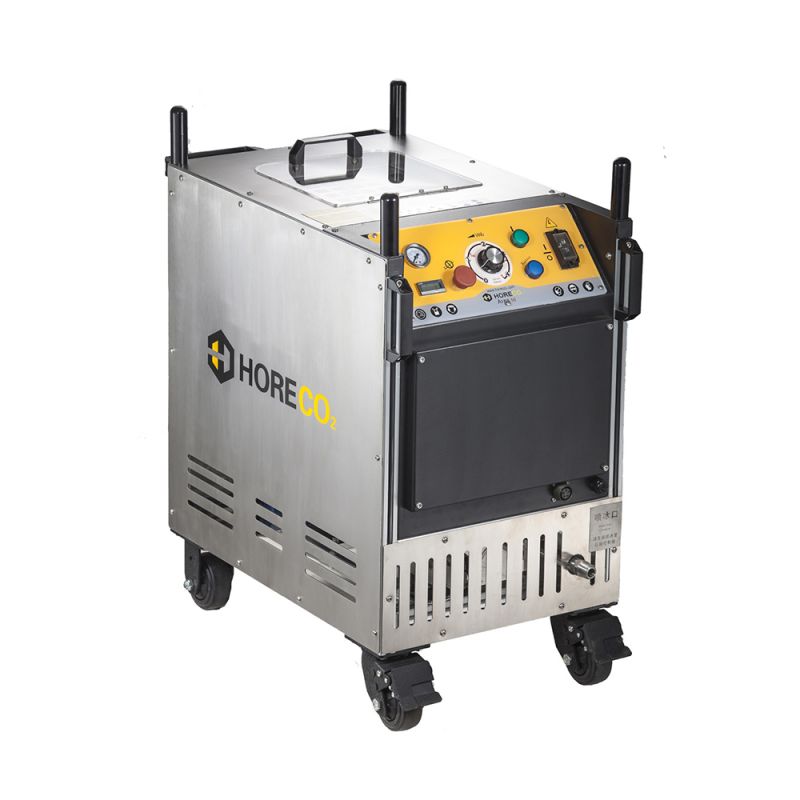
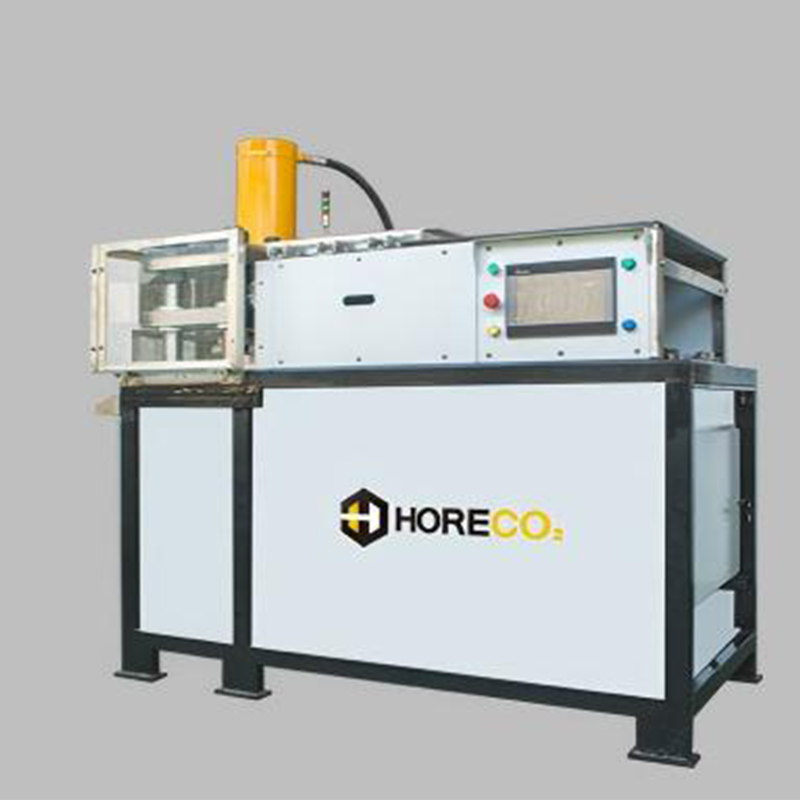
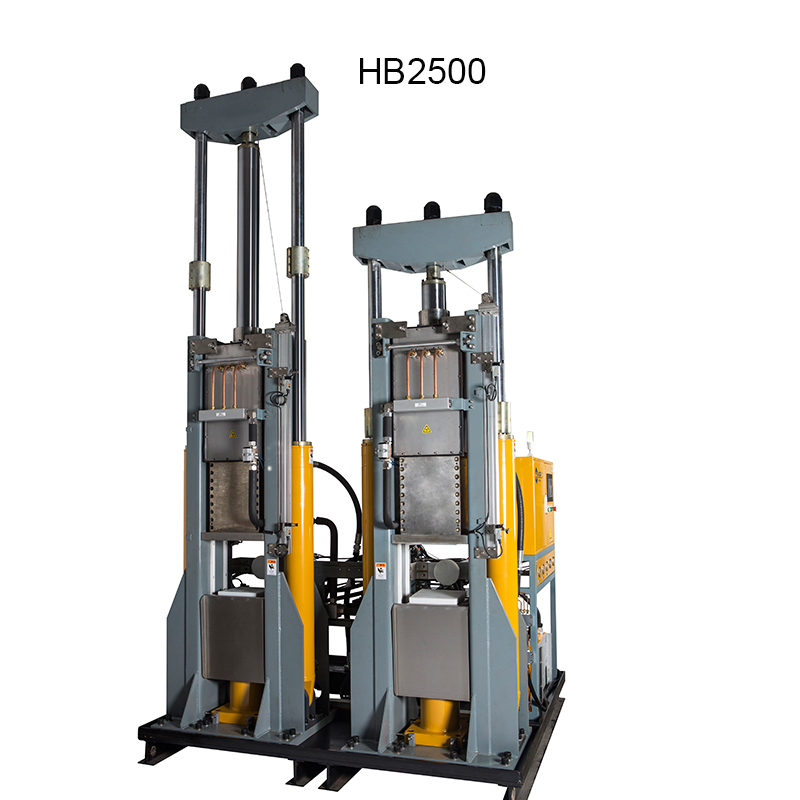
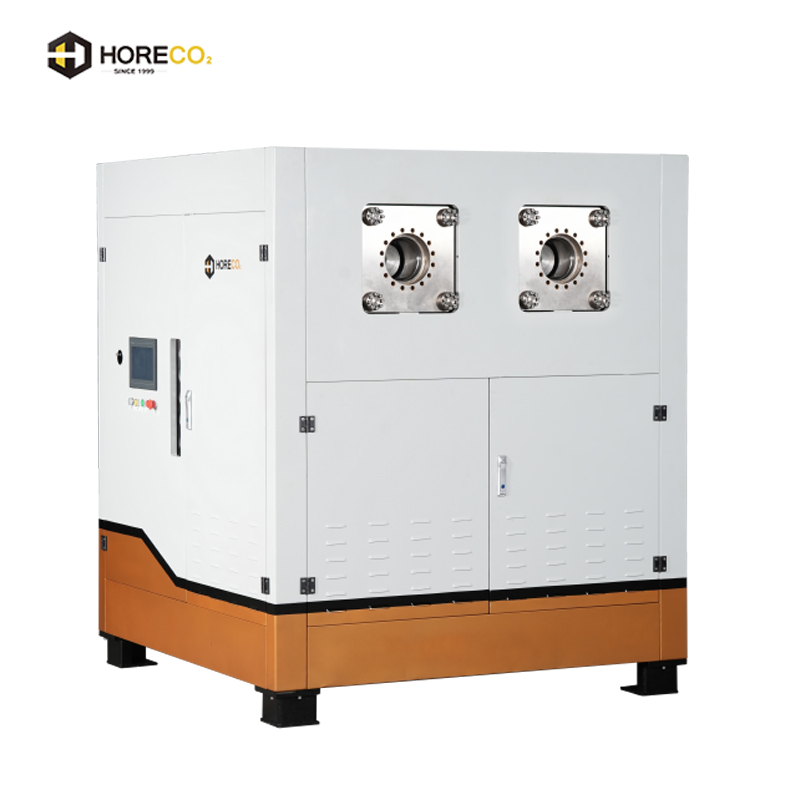
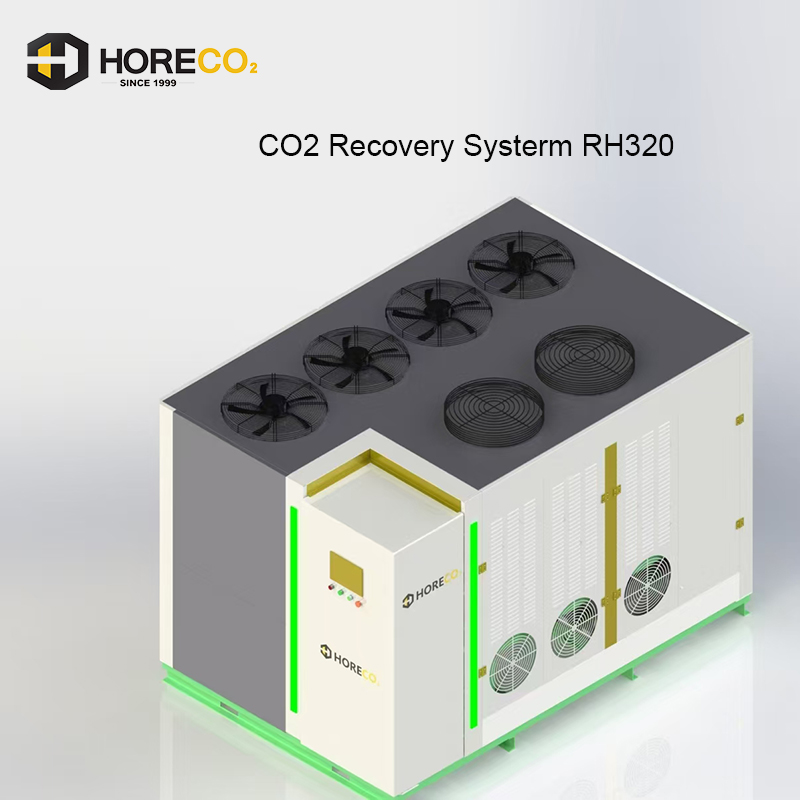
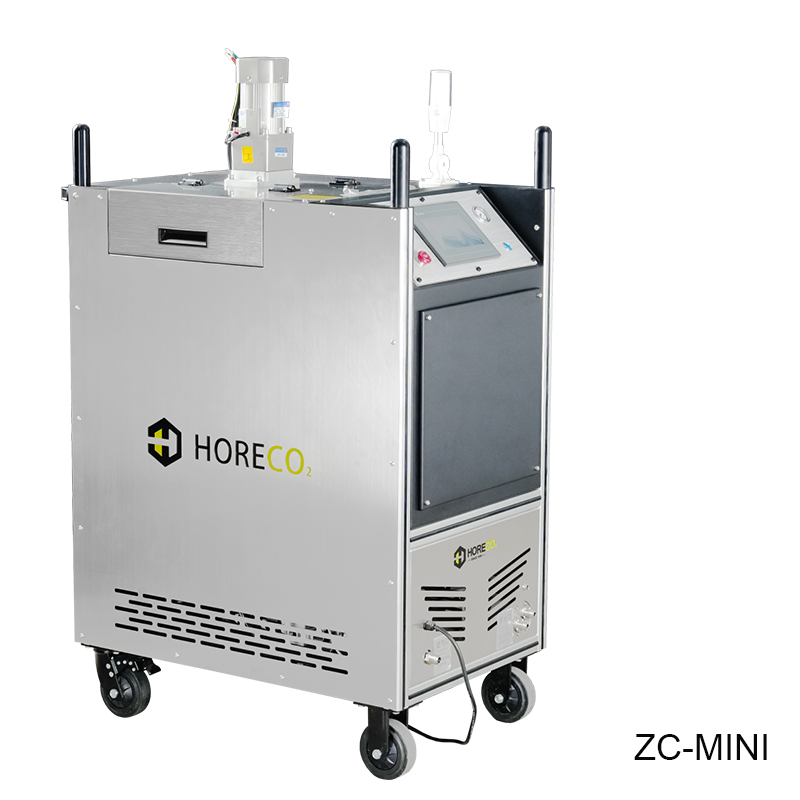
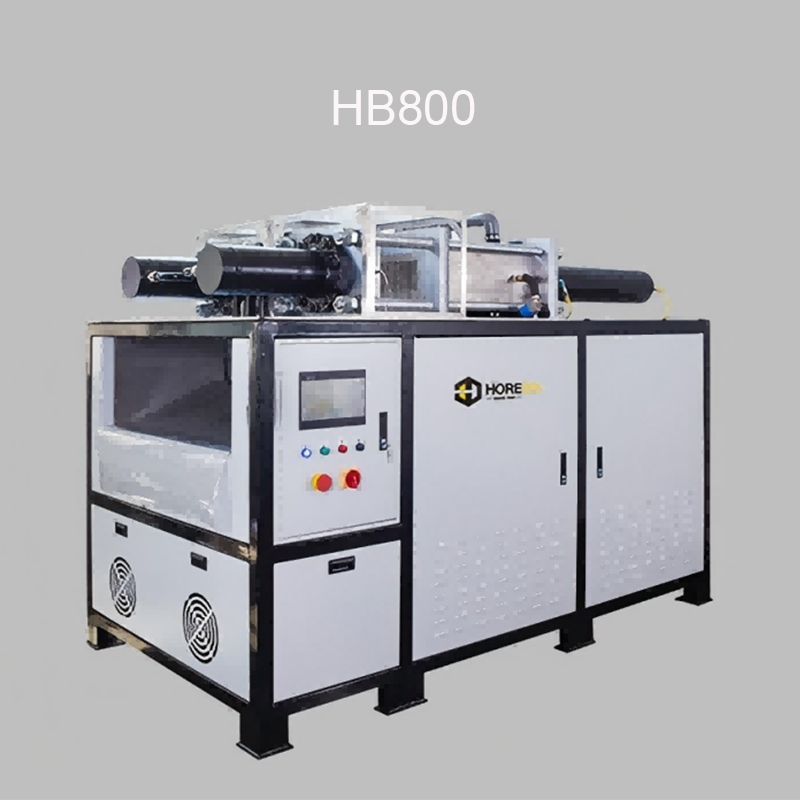
So, what makes dry ice pellets making machines the answer to these dilemmas? At their core, these machines convert liquid CO2 into solid pellets through a rapid expansion process, producing non-abrasive, non-conductive, and residue-free cleaning media. For the food industry, this means dry cleaning that eliminates moisture risks, ensuring compliance with FDA and EU safety standards. In aerospace, the pellets sublimate upon impact, leaving no residue and preserving component integrity—extending part life by up to 40%. For automotive lines, the process is swift, cutting cleaning time by 60% and reducing downtime costs significantly. HORECO2 Dry Ice Blasting Equipment & Service Co., Ltd. has engineered these machines with precision, incorporating automated controls and energy-efficient designs that optimize pellet production for consistent, high-quality output. By addressing each pain point head-on, these machines not only solve problems but also enhance operational efficiency and safety.
Client Success Stories: Real Data, Real Impact
To illustrate the transformative power, let's look at some fictional but plausible case studies. In Munich, Germany, a leading automotive manufacturer integrated a HORECO2 dry ice pellets making machine into their paint shop. Result: cleaning cycle times dropped from 4 hours to 1.5 hours, boosting annual production by 15% and saving $200,000 in labor costs. A quote from their plant manager: "This machine revolutionized our maintenance schedule—it's like having an extra shift without the overhead." In Toronto, Canada, a pharmaceutical company used it for cleanroom equipment, reducing contamination incidents by 90% and cutting compliance costs by $50,000 yearly. Their quality head noted, "The dry ice method is a game-changer for sterile environments." In Tokyo, Japan, an electronics factory applied it to circuit board cleaning, improving product yield by 25% and reducing waste by 40%. As their engineer said, "Precision cleaning has never been this efficient." These examples underscore the global relevance and measurable benefits.
Applications and Partnerships: Broadening the Horizon
Dry ice pellets making machines aren't limited to niche uses; they span diverse sectors. Key applications include mold cleaning in plastics manufacturing, where they remove residues without damaging surfaces, and historical restoration, gently cleaning artifacts without harm. HORECO2 collaborates with partners like automotive giants in the U.S. and European aerospace firms, supplying tailored solutions that integrate seamlessly into existing workflows. These partnerships enhance authority, as seen in joint R&D projects that refine machine capabilities, ensuring they meet industry-specific demands. By fostering such relationships, HORECO2 positions itself as a trusted innovator, not just a vendor.
Frequently Asked Questions: Addressing Engineer Concerns
Q1: How energy-intensive are these machines compared to traditional methods?
A: Modern dry ice pellets making machines, like those from HORECO2, use advanced refrigeration cycles that reduce energy consumption by up to 30% versus water-based systems, with smart sensors optimizing output based on demand.
Q2: What's the pellet size range, and how does it affect cleaning efficacy?
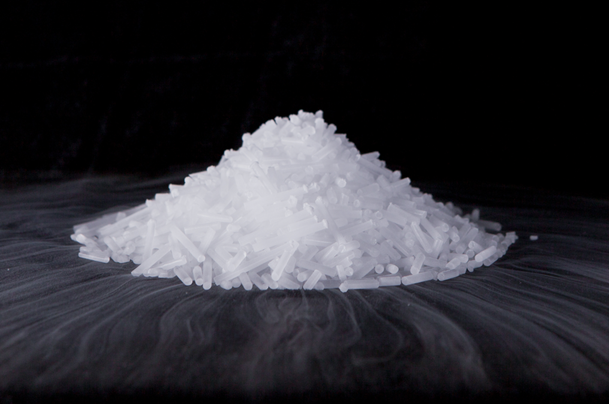
A: Pellets typically range from 1mm to 3mm in diameter; smaller sizes offer finer cleaning for delicate surfaces, while larger ones provide more impact for tougher residues, adjustable via machine settings.
Q3: Are there safety concerns with handling CO2 in industrial settings?
A: Yes, but HORECO2 machines include built-in ventilation and monitoring systems that maintain CO2 levels below OSHA thresholds, along with training for safe operation.
Q4: How does maintenance compare to other cleaning equipment?
A: With fewer moving parts and no chemical residues, maintenance intervals are longer—typically every 500 hours—reducing downtime by 50% compared to abrasive blasters.
Q5: Can these machines handle high-volume production needs?
A> Absolutely; HORECO2 offers scalable models that produce up to 500 kg/hour, suitable for large facilities, with modular designs for easy expansion.
Conclusion and Call to Action: Your Next Step
In wrapping up, dry ice pellets making machines represent more than just a cleaning tool—they're a strategic investment in efficiency, safety, and sustainability. By tackling industry pain points with innovative technology, they deliver tangible ROI and peace of mind. If you're ready to explore how this can benefit your operations, don't stop here. Download our detailed technical whitepaper for in-depth specs and case studies, or reach out to our sales engineers for a personalized consultation. Let's transform your cleaning challenges into opportunities together.
