

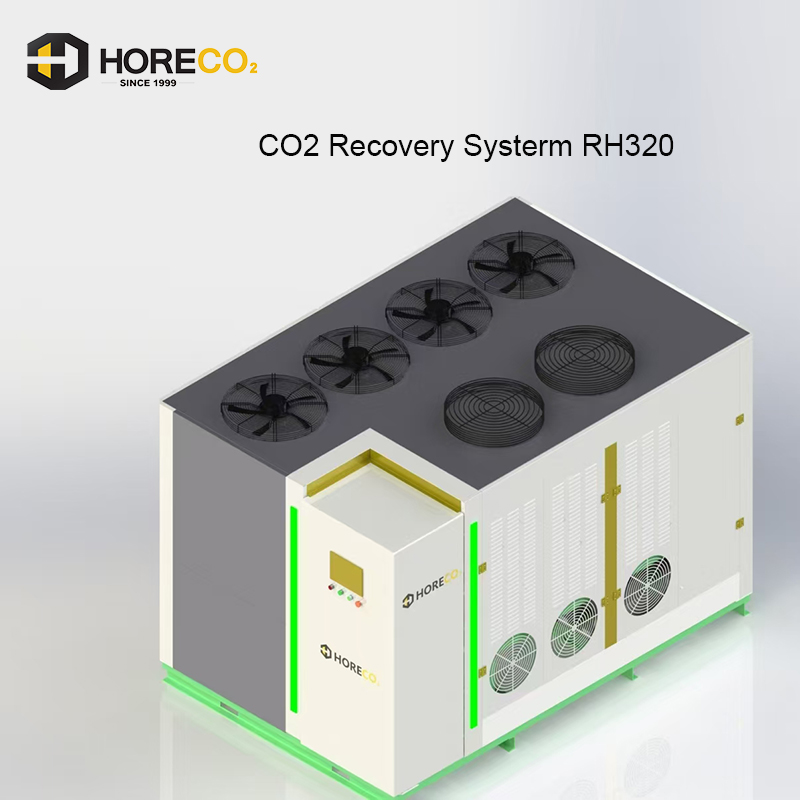
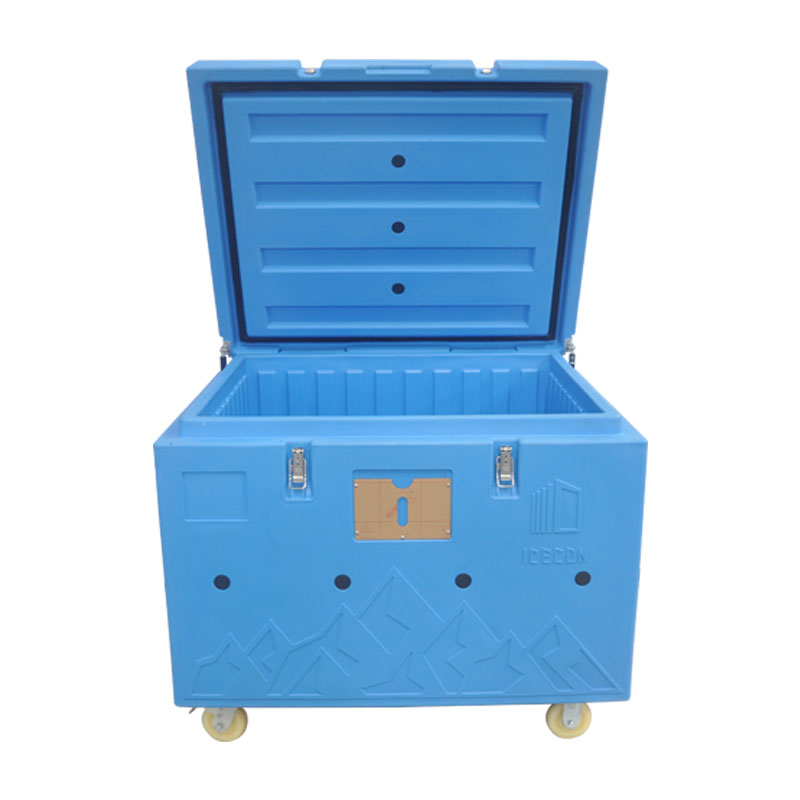
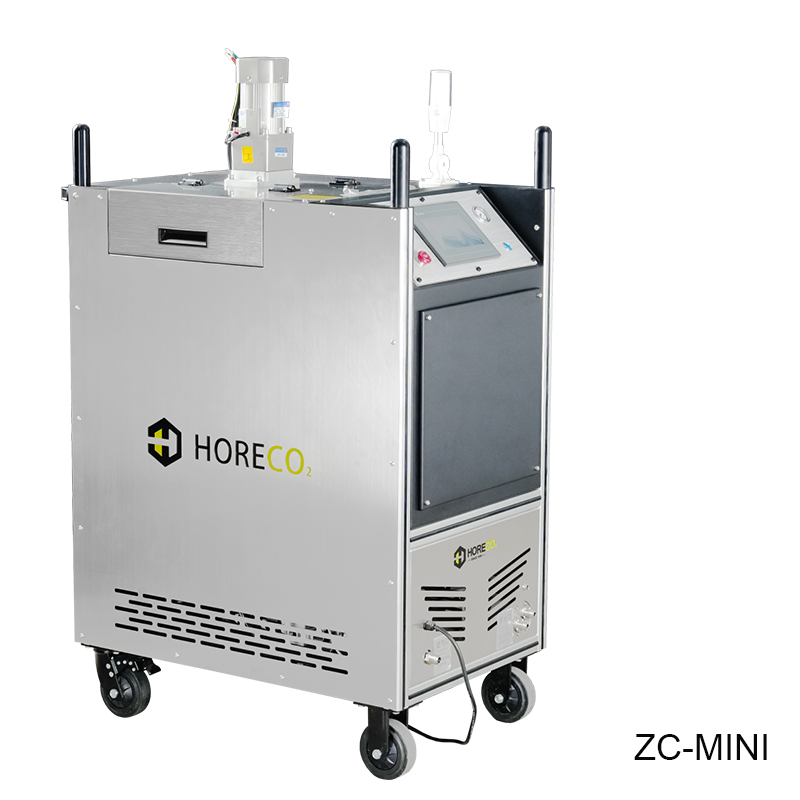
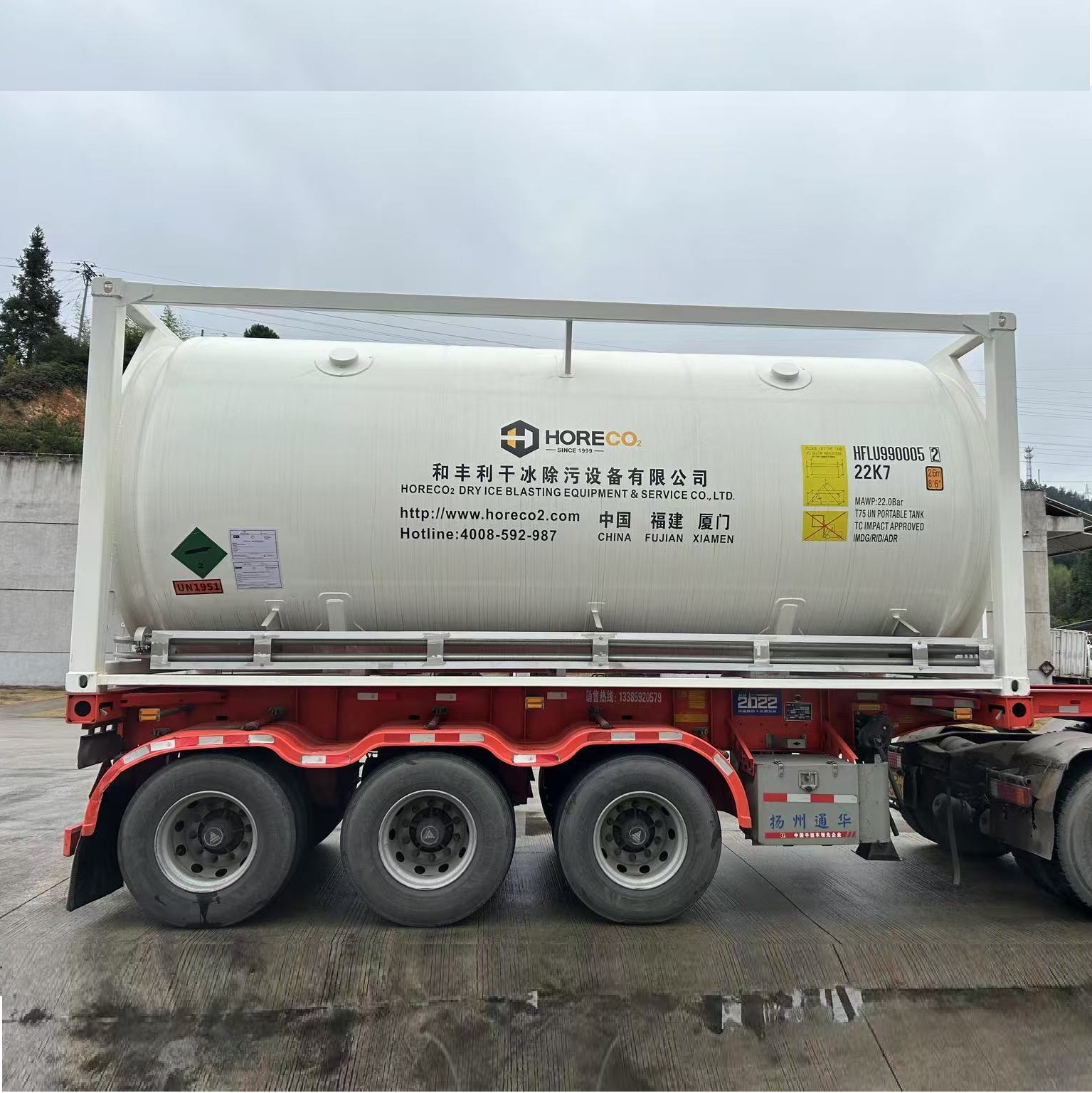
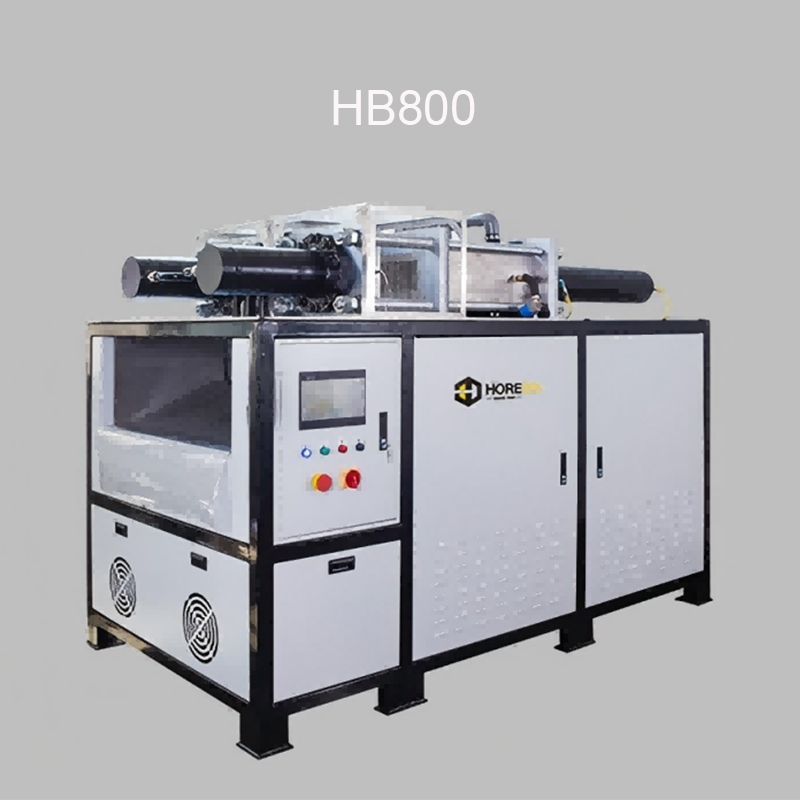
Introduction: The Unseen Burden of Industrial Cleaning
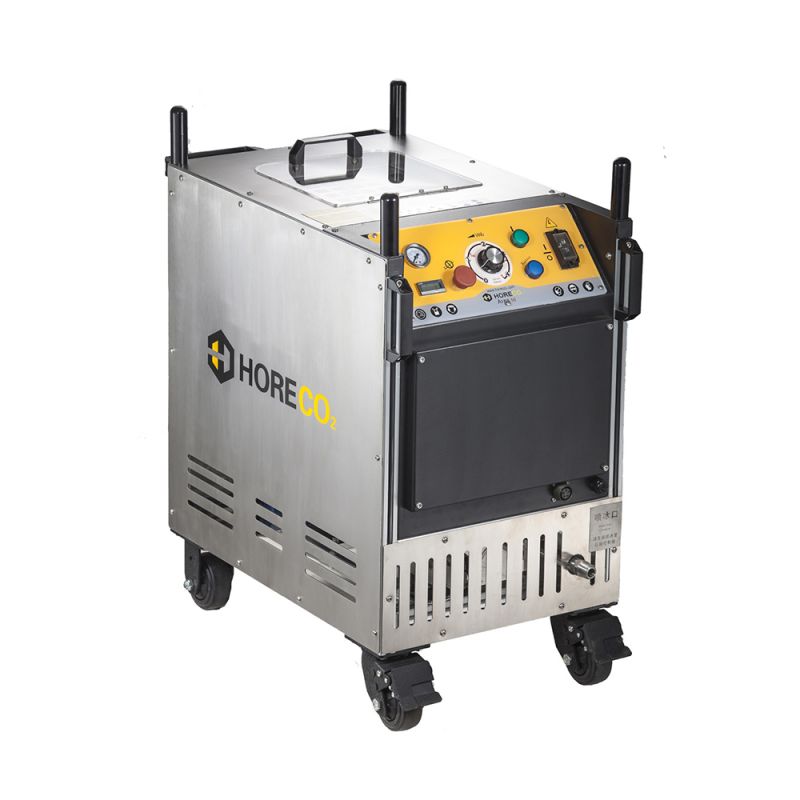
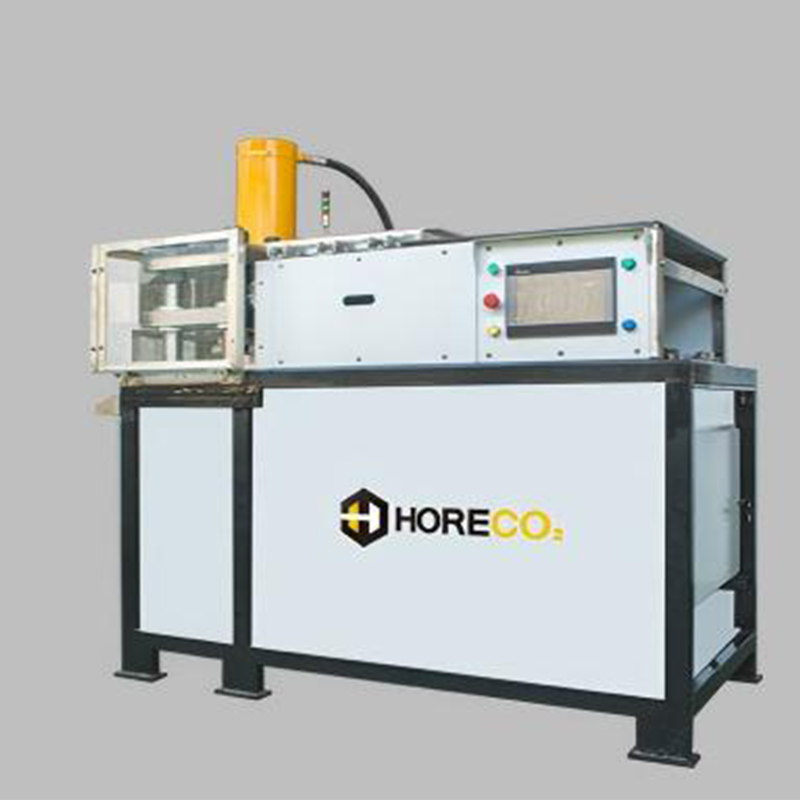
Picture this: It’s 3 AM in an automotive manufacturing plant, and a team of workers is scrubbing away stubborn grease from machinery using harsh chemicals. The air is thick with fumes, productivity is stalled, and safety risks loom. Sound familiar? For decades, industries have grappled with inefficient, hazardous cleaning methods. But what if there was a solution that not only cleans faster but also eliminates these risks entirely? Enter the CO2 blaster machine—a technology that’s redefining industrial cleaning. In this deep dive, we’ll explore how this innovation, championed by companies like HORECO2 Dry Ice Blasting Equipment & Service Co., Ltd., is transforming operations across sectors, from aerospace to food processing. Let’s start by unpacking the real-world pains that drive the need for change.
Pain Points: The High Cost of Inefficiency
In today’s competitive landscape, inefficiency isn’t just a minor annoyance—it’s a profit-draining burden. Here are two critical industry pain points:
1. Environmental and Health Hazards: Traditional methods like solvent-based cleaning or abrasive blasting release toxic chemicals and particulates into the air. In a pharmaceutical cleanroom, for instance, this can compromise product purity and worker safety, leading to regulatory fines averaging $50,000 per violation in the U.S. and increased insurance premiums. The long-term health impacts, such as respiratory issues, add hidden costs in employee absenteeism and turnover.
2. Downtime and Damage Risks: Manual cleaning often requires disassembling equipment, which can take hours or even days. In the energy sector, cleaning turbine blades with water or abrasives risks corrosion and micro-damage, reducing efficiency by up to 15% and necessitating costly repairs. One oil refinery reported $200,000 in annual losses due to extended shutdowns for maintenance cleaning.
Solutions: How CO2 Blaster Machines Revolutionize Cleaning
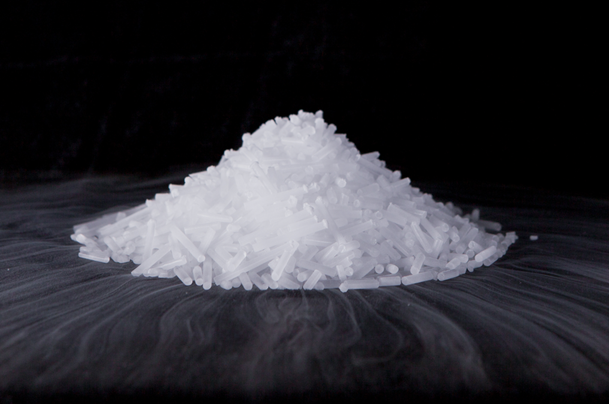
CO2 blaster machines tackle these pains head-on with precision and sustainability. For environmental hazards, the technology uses solid carbon dioxide pellets that sublimate upon impact, leaving no residue or harmful emissions. This makes it ideal for sensitive environments—imagine cleaning electronics without risking short circuits. To address downtime, the non-abrasive nature of dry ice prevents surface damage, allowing in-place cleaning without disassembly. A single machine can reduce cleaning time by 70%, as pellets blast away contaminants at supersonic speeds without moisture or chemicals.
Client Success Stories: Real Results, Real Impact
Across the globe, businesses are seeing tangible benefits. Here are three fictional but realistic examples:
1. AutoTech GmbH, Germany: This automotive parts manufacturer switched to HORECO2’s CO2 blaster for mold cleaning. Result: Cleaning time dropped from 8 hours to 2 hours per mold, boosting annual output by 25%. “The machine paid for itself in six months through reduced labor and downtime,” says plant manager Klaus Weber.
2. Skyline Aerospace, USA: Based in Seattle, they use the technology for aircraft surface preparation. Data shows a 40% reduction in VOC emissions and a 60% faster turnaround, saving $150,000 yearly. “It’s a game-changer for meeting strict FAA regulations,” notes engineer Maria Chen.
3. BakersDelight Ltd., UK: A food processing plant in London adopted CO2 blasting for conveyor belt sanitation. Microbial contamination decreased by 90%, and water usage fell by 50%, aligning with sustainability goals. “Our products are safer, and our carbon footprint is smaller,” shares CEO James Miller.
Applications and Partnerships: Where Innovation Meets Industry
CO2 blaster machines are versatile, with key applications including:
- Manufacturing: Removing oils and residues from machinery without downtime.
- Healthcare: Sterilizing medical equipment in compliance with ISO 13485 standards.
- Energy: Cleaning solar panels and wind turbines to maintain efficiency.
HORECO2 collaborates with global partners like procurement firms in the EU and engineering consultancies in North America, ensuring tailored solutions. For instance, a partnership with TechProcure Inc. in Canada has facilitated bulk orders for mining companies, enhancing supply chain reliability.
FAQ: Answers from the Experts
1. Q: How does CO2 blasting compare in cost to traditional methods?
A: While upfront costs are higher (around $20,000-$50,000 for industrial models), long-term savings from reduced labor, chemicals, and downtime typically yield ROI within 1-2 years. For example, a study in the automotive sector showed a 30% lower total cost of ownership over five years.
2. Q: Is dry ice blasting safe for delicate surfaces like electronics?
A: Yes, it’s non-conductive and non-abrasive. The kinetic energy cleans without heat or moisture, making it ideal for PCBs and sensitive components, as validated by tests meeting IEC 61010 standards.
3. Q: What’s the environmental impact of using CO2?
A: The CO2 used is typically recycled from industrial processes, creating a closed-loop system. It produces no secondary waste, reducing landfill use by up to 80% compared to abrasive media.
4. Q: Can it handle heavy rust or paint removal?
A: Absolutely. Adjusting pellet size and pressure (e.g., 300 psi for tough coatings) allows effective removal without substrate damage, as seen in shipbuilding applications.
5. Q: How do I maintain a CO2 blaster machine?
A: Routine checks include nozzle inspection and compressor servicing. HORECO2 offers training and support, with average maintenance costs under $1,000 annually for standard models.
Conclusion: Take the Next Step Toward Efficiency
CO2 blaster machines aren’t just a cleaning tool—they’re a strategic investment in safety, sustainability, and speed. By addressing core industry pains with innovative solutions, technologies from HORECO2 are paving the way for smarter operations. Ready to transform your processes? Download our free technical whitepaper for in-depth insights or contact our sales engineers for a personalized consultation. Let’s build a cleaner, more efficient future together.
