

Introduction: The Hidden Cost of Traditional Cleaning
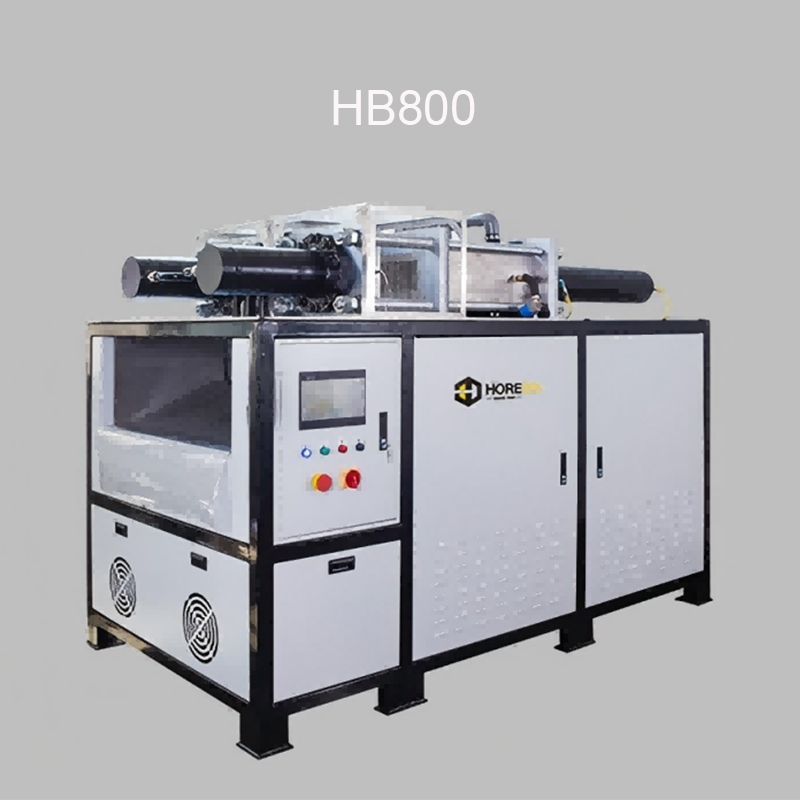
Imagine walking into a manufacturing plant where production lines are halted for hours, not because of mechanical failure, but due to cleaning downtime. This scenario plays out daily in industries relying on outdated methods like sandblasting, chemical solvents, or manual scrubbing. The question isn't just about cleaning—it's about whether your operations are being frozen by inefficiency. Enter the big dry ice block machine, a technology that's thawing these bottlenecks and transforming maintenance protocols worldwide.
Pain Point 1: Excessive Downtime and Labor Costs
In automotive manufacturing, cleaning mold tools between production runs can take 4-8 hours using traditional methods. This downtime translates directly to lost revenue—a facility producing 500 units daily might lose $50,000 per cleaning cycle. The labor-intensive process often requires multiple technicians working in hazardous conditions, driving up insurance premiums and risking worker safety.
Pain Point 2: Environmental and Surface Damage
Chemical cleaning agents used in food processing facilities leave toxic residues that require extensive rinsing, contaminating water systems and potentially voiding safety certifications. Abrasive methods like sandblasting in aerospace component cleaning can micro-score surfaces, reducing part lifespan by up to 40% and creating points for stress fractures.
Solution: How Big Dry Ice Block Machines Work
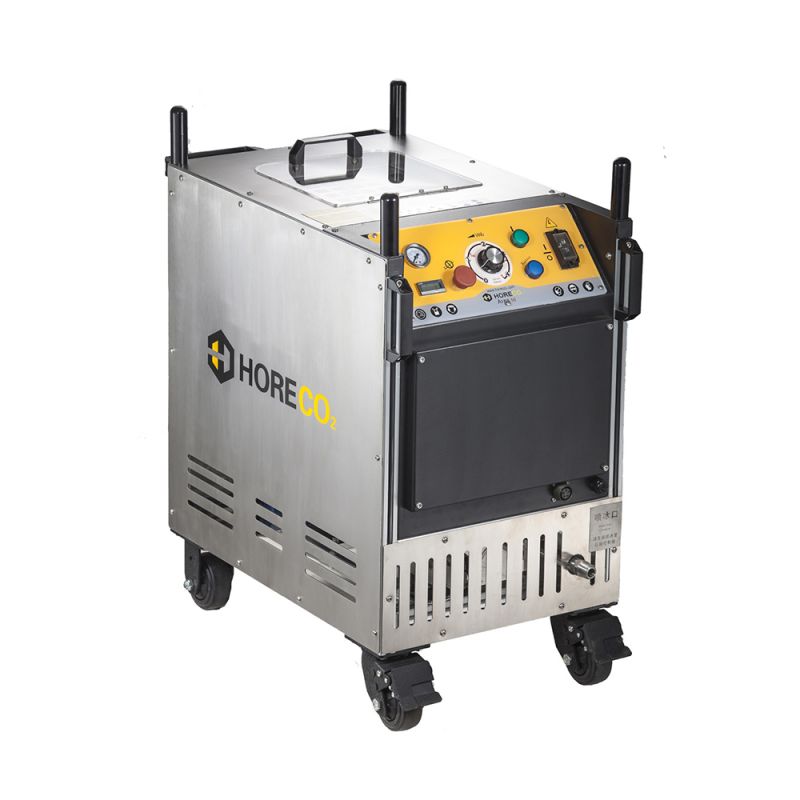
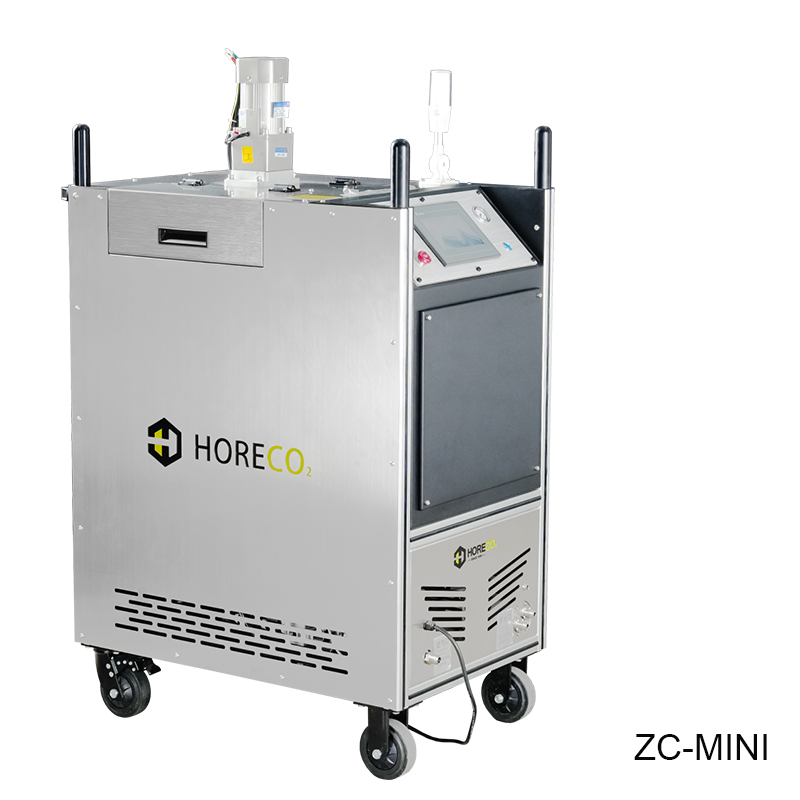
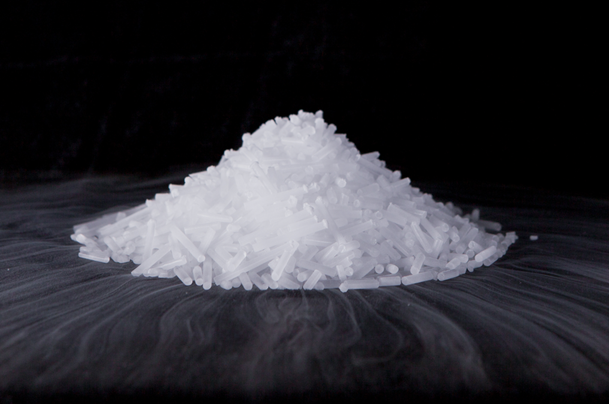
HORECO2's dry ice blasting systems use solid CO2 pellets accelerated to supersonic speeds. Upon impact, the -78.5°C pellets sublimate instantly, creating micro-explosions that lift contaminants without abrasion. Unlike traditional methods, this leaves no secondary waste—the contaminant is the only material removed. The company's proprietary nozzle design maintains consistent pellet velocity across varying surface geometries, ensuring uniform cleaning without thermal shock to substrates.
Technical Specifications and Advantages
| Parameter | Traditional Sandblasting | Dry Ice Blasting |
|---|---|---|
| Cleaning Time | 4-8 hours | 45-90 minutes |
| Secondary Waste | 100-200 kg abrasive media | 0 kg (sublimates completely) |
| Surface Impact | Abrasive damage (20-50μm removal) | Non-abrasive (0-5μm removal) |
| Downtime Cost | $25,000-$75,000 per incident | $3,000-$12,000 per incident |
Customer Success Stories
1. Bavarian Automotive Supplier (Germany): Reduced mold cleaning time from 6 hours to 55 minutes, increasing annual production capacity by 1,200 units. "The dry ice system paid for itself in 4 months through reduced downtime alone," noted Production Manager Klaus Weber.
2. Midwest Food Processor (USA): Eliminated chemical cleaning in USDA-regulated areas, reducing water usage by 75% and passing sanitation audits with zero violations for 18 consecutive months. "We've cut our cleaning crew from 12 to 3 people while improving results," reported Plant Supervisor Maria Rodriguez.
3. Singapore Semiconductor Fab: Maintained Class 100 cleanroom standards while cleaning robotic arms without disassembly, reducing particulate contamination by 99.7% compared to solvent methods. Engineering Director Lee Min stated: "This technology has become essential to our yield improvement strategy."
Applications and Partnerships
Beyond cleaning, these machines enable preventive maintenance in power generation (turbine blade decontamination), historical restoration (gentle stone cleaning), and pharmaceutical manufacturing (sterile equipment preparation). HORECO2 collaborates with research institutions like the Fraunhofer Institute for material testing and maintains supply agreements with multinationals including Siemens Energy and Nestlé Engineering. These partnerships ensure continuous R&D, with recent innovations including AI-assisted nozzle positioning and recycled CO2 sourcing from industrial byproducts.
FAQ: Questions from Engineers and Procurement Managers
Q1: How does dry ice blasting compare to other cryogenic cleaning methods for delicate electronics?
A: Unlike liquid nitrogen systems that risk thermal cracking, dry ice sublimation creates less extreme temperature differentials. HORECO2's controlled pellet size (3mm nominal) provides optimal kinetic energy without electrostatic discharge risks—critical for PCB cleaning where even 5kV can damage components.
Q2: What's the actual CO2 footprint considering pellet production?
A: Our life-cycle analysis shows net-negative carbon impact when using recycled industrial CO2. Each ton of pellets repurposes 1.2 tons of byproduct CO2 that would otherwise be vented. Compared to solvent production (8kg CO2e per liter) or abrasive mining (15kg CO2e per kg), the carbon savings reach 85-92%.
Q3: Can these systems handle heavy industrial grease at scale?
A: Yes, through variable pressure adjustment (2-15 bar) and specialty nozzles. For extreme cases like 5mm-thick polymerized grease, we recommend pre-treatment with biodegradable enzymes, reducing cleaning time by 60% versus pressure washing alone.
Q4: What maintenance does the equipment itself require?
A: Unlike abrasive systems needing weekly liner replacement, our hardened steel nozzles last 800-1,200 operating hours. The only regular maintenance is filter changes (every 200 hours) and compressor oil (annually), with mean time between failures exceeding 10,000 hours in field data.
Q5: How do you ensure consistent pellet quality across batches?
A: We implement ASTM F2915-11 standards with real-time laser measurement of pellet density and size distribution. Each batch undergoes thermal cycling tests (-80°C to 25°C) to verify sublimation characteristics, with certification data provided to quality-critical clients.
Conclusion and Next Steps
The evidence is clear: big dry ice block machines aren't just cleaning tools—they're strategic assets that reduce operational friction while meeting increasingly stringent environmental and safety standards. As industries face pressure to optimize every process, this technology represents not merely an equipment purchase, but a fundamental shift in maintenance philosophy.
For technical teams seeking deeper analysis, HORECO2 offers comprehensive white papers on thermodynamics of sublimation cleaning and ROI calculation models specific to 12 industry verticals. To discuss how this technology could address your specific challenges, schedule a consultation with our engineering team—we'll bring the equipment to your facility for a demonstration on your most stubborn cleaning problem, no obligation required. Because sometimes, seeing is believing—especially when what you're seeing is contamination disappearing without a trace.
