

Ever spent hours scrubbing a machine, only to find stubborn grime still lurking in the crevices, or worse, caused damage in the process? In industries from automotive to food processing, the quest for immaculate, non-damaging, and efficient cleaning is constant. Traditional methods—high-pressure water, abrasive media, chemical solvents—often come with significant trade-offs: water damage, surface abrasion, toxic residues, lengthy downtime, and environmental hazards. This persistent challenge begs the question: Is there a better way to achieve pristine, safe, and sustainable industrial cleaning?
Pain Points: Where Conventional Cleaning Falls Short
In high-stakes manufacturing, cleaning isn't just about aesthetics; it's integral to quality control, equipment longevity, and operational safety. Yet, many methods fall short. Consider these scenarios:
First, surface damage and secondary waste. Abrasive blasting with sand or soda can etch delicate surfaces like molds or electronics, requiring costly refinishing or replacement. Water blasting risks corrosion, electrical shorts, and promotes mold growth in hard-to-dry areas. Chemical cleaning leaves toxic residues that demand hazardous disposal, increasing compliance costs and environmental liability. For a precision tooling shop, a single damaged mold from abrasive cleaning could mean €15,000 in rework and days of production delay.
Second, extended downtime and labor intensity. Disassembling machinery for thorough cleaning is time-consuming. A food processing plant might need 8-12 hours to clean a production line with traditional methods, involving multiple workers and halting output. In automotive, cleaning paint booths with solvents can take a full shift, delaying resprays. This downtime translates directly to lost revenue—easily thousands of euros per hour in high-volume sectors.
Third, environmental and safety compliance hurdles. Chemicals like solvents emit volatile organic compounds (VOCs), subject to strict regulations (e.g., EU's REACH). Their use requires personal protective equipment (PPC), specialized training, and expensive waste management. Non-compliance risks fines up to €50,000 or more, not to mention health risks to workers from fumes or exposure.
The Solution: Dry Ice Blasting by HORECO2
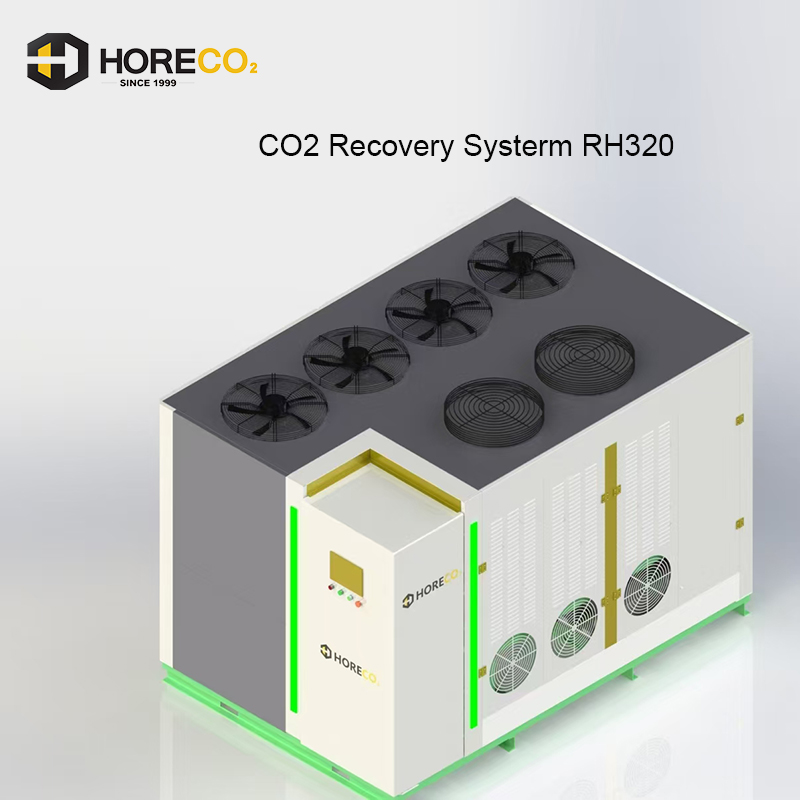
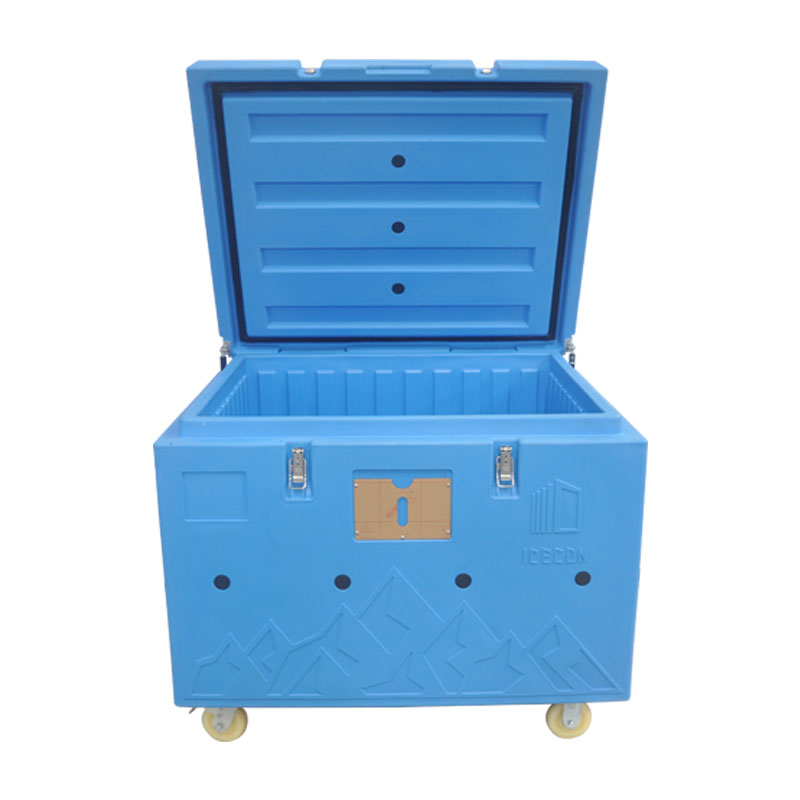
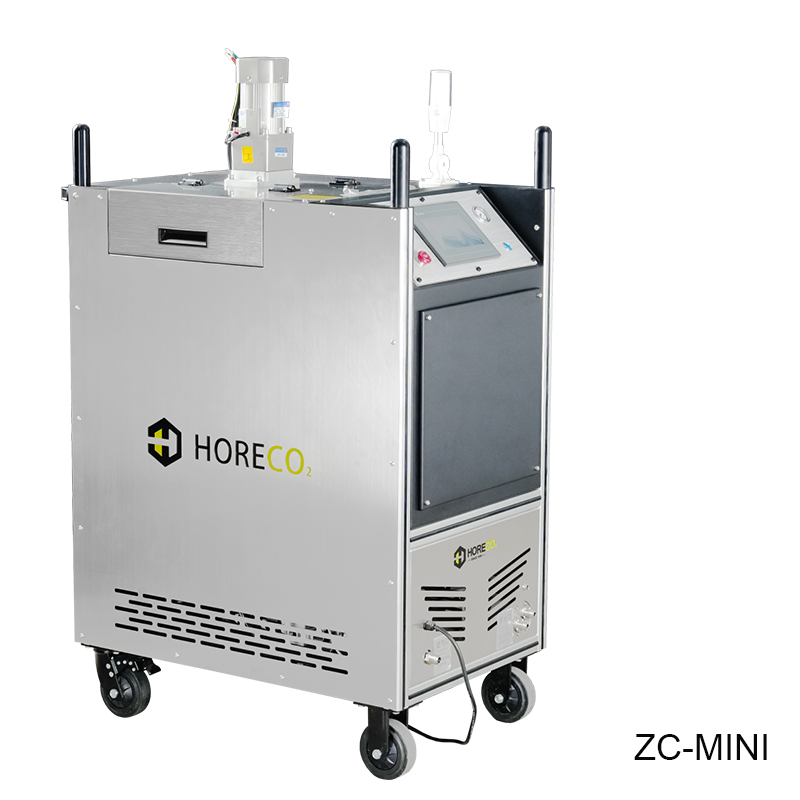
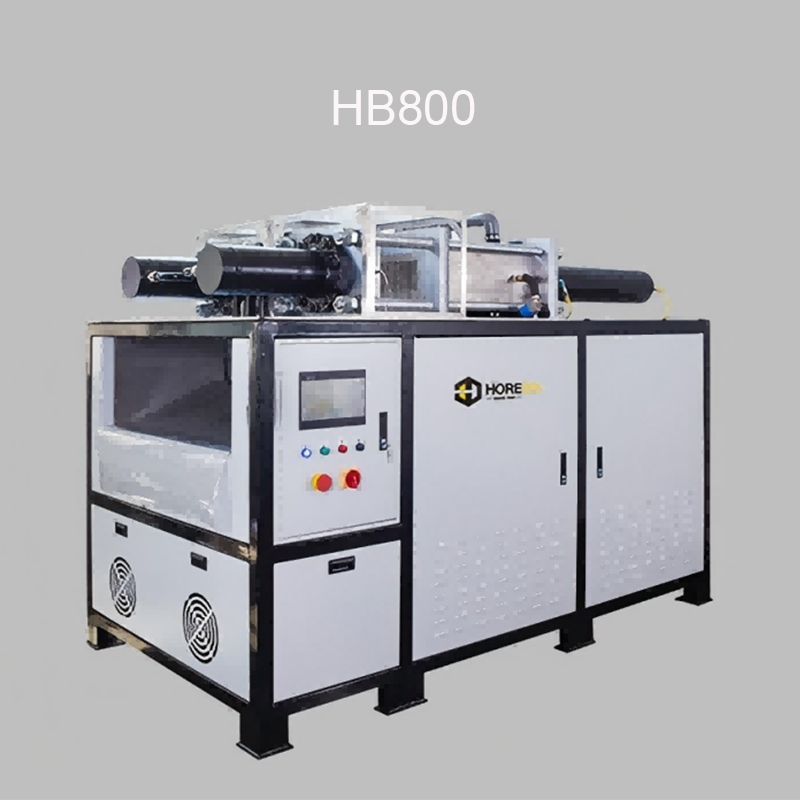
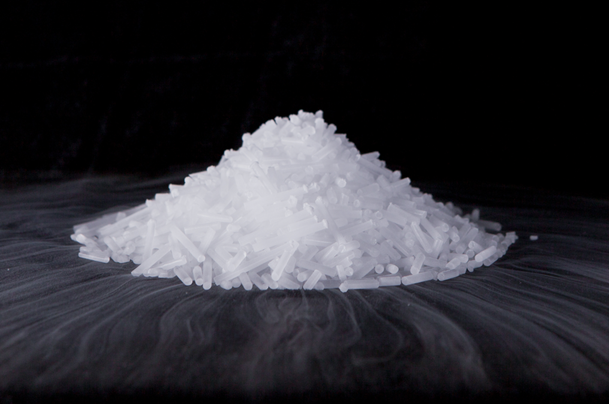
Enter dry ice blasting, a technology that leverages solid carbon dioxide (CO2) pellets accelerated by compressed air to clean surfaces. HORECO2 Dry Ice Blasting Equipment & Service Co., Ltd. has refined this into a precise, industrial-grade solution. Here’s how it addresses each pain point:
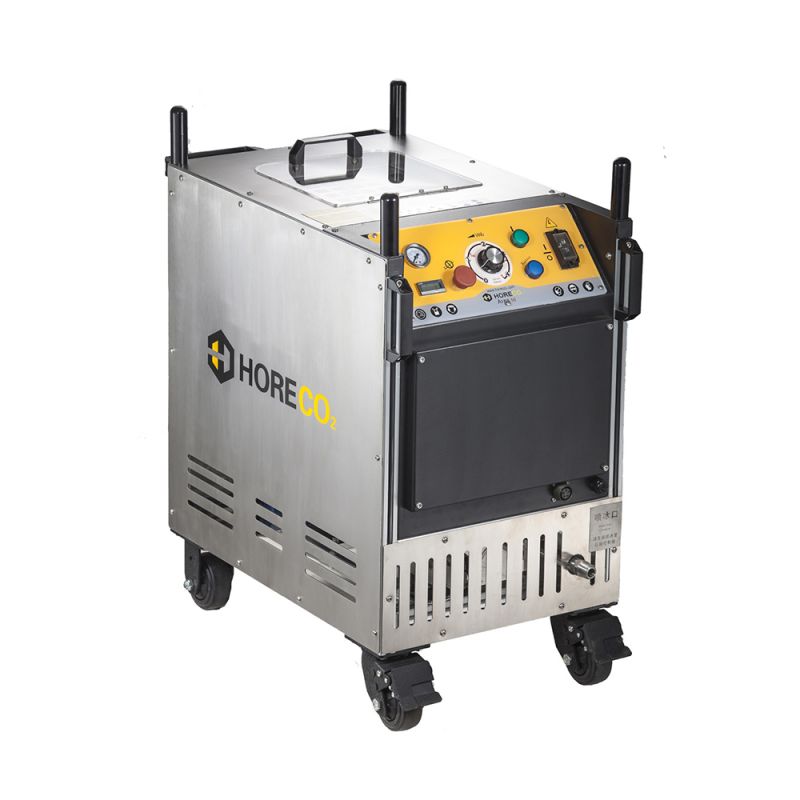
For surface damage, dry ice sublimates (turns from solid to gas) on impact, lifting contaminants without abrasion. It’s non-conductive and moisture-free, making it safe for electronics and sensitive components. Unlike abrasives, it leaves no secondary media to clean up. HORECO2’s equipment, like the ICE-JET Pro Series, offers adjustable pressure (2-10 bar) and pellet size control, allowing fine-tuning from delicate circuit boards to heavy machinery.
To cut downtime, dry ice blasting often enables in-place cleaning without disassembly. In the food plant example, it might reduce cleaning time to 2-3 hours, as it doesn’t require drying phases. HORECO2’s mobile units and ergonomic nozzles access tight spaces, streamlining labor. Their service team provides on-site training, ensuring quick adoption.
On environmental fronts, dry ice blasting uses recycled CO2, producing no toxic residues. It’s VOC-free, aligning with regulations like the German TA Luft. The only waste is the removed contaminant, simplifying disposal. HORECO2 emphasizes this in their Eco-Clean Certification, helping clients meet sustainability goals and reduce compliance costs.
Client Success Stories: Real-World Impact
Across Europe, HORECO2’s technology has driven tangible improvements. Here are three detailed cases:
Automotive Supplier in Stuttgart, Germany: A manufacturer of engine components struggled with carbon buildup on CNC machines, causing weekly 6-hour cleanings with solvents. After switching to HORECO2’s ICE-JET system, cleaning time dropped to 90 minutes, with no solvent costs. Over a year, this saved €28,000 in labor and materials. “The precision is unmatched—we clean intricate parts without wear, boosting our uptime by 15%.” – Klaus Weber, Plant Manager.
Bakery in Lyon, France: Facing mold in ovens and mixers, the bakery used steam cleaning, leading to rust and 8-hour shutdowns. HORECO2’s dry ice blasting eliminated mold without moisture, cutting cleaning to 3 hours and extending equipment life. Sanitation compliance scores improved by 30%, with zero water damage. “It’s revolutionized our hygiene routine—fast, dry, and food-safe.” – Marie Dubois, Quality Director.
Pharmaceutical Lab in Copenhagen, Denmark: Cleaning sterile environments required harsh chemicals, risking contamination. HORECO2 provided a closed-system blaster for cleanrooms, removing residues without chemicals. Downtime reduced from 10 hours to 4 per cycle, and particulate counts stayed within ISO 14644-1 Class 5 standards. “We achieve pristine surfaces without compromising sterility—a game-changer for GMP.” – Dr. Henrik Sørensen, Lab Head.
Applications and Partnerships
Dry ice blasting suits diverse sectors: automotive (paint booth cleaning, mold maintenance), aerospace (composite tooling, engine parts), food (conveyors, packaging machines), and energy (turbine blades, solar panels). HORECO2 collaborates with industry leaders—for instance, supplying equipment to BMW Group for plant maintenance and partnering with SIEMENS for training programs. These alliances underscore its authority, with procurement often handled through direct sales or authorized distributors across the EU and North America.
FAQ: Technical Insights for Engineers and Buyers
1. How does dry ice blasting compare to media blasting for rust removal? Dry ice blasting removes rust via thermal shock and kinetic energy, but for heavy corrosion, it may require higher pressure (e.g., 8+ bar) versus abrasives. It excels in precision areas where media embedding is a concern, offering a cleaner finish without secondary contamination.
2. What’s the operational cost per hour? Costs vary by pellet consumption and air pressure. Typically, €30-50 per hour for pellets, plus electricity for compressors. Compared to solvents (€100+/hour with disposal) or abrasives (€20-40/hour plus cleanup), it’s often cost-neutral or cheaper when factoring in reduced downtime and waste.
3. Can it be used on sensitive surfaces like aluminum or composites? Yes, with proper tuning. HORECO2’s systems allow low-pressure settings (2-4 bar) and finer pellets to prevent micro-cracking. It’s ideal for aerospace composites, as it doesn’t introduce moisture or abrasives that could weaken structures.
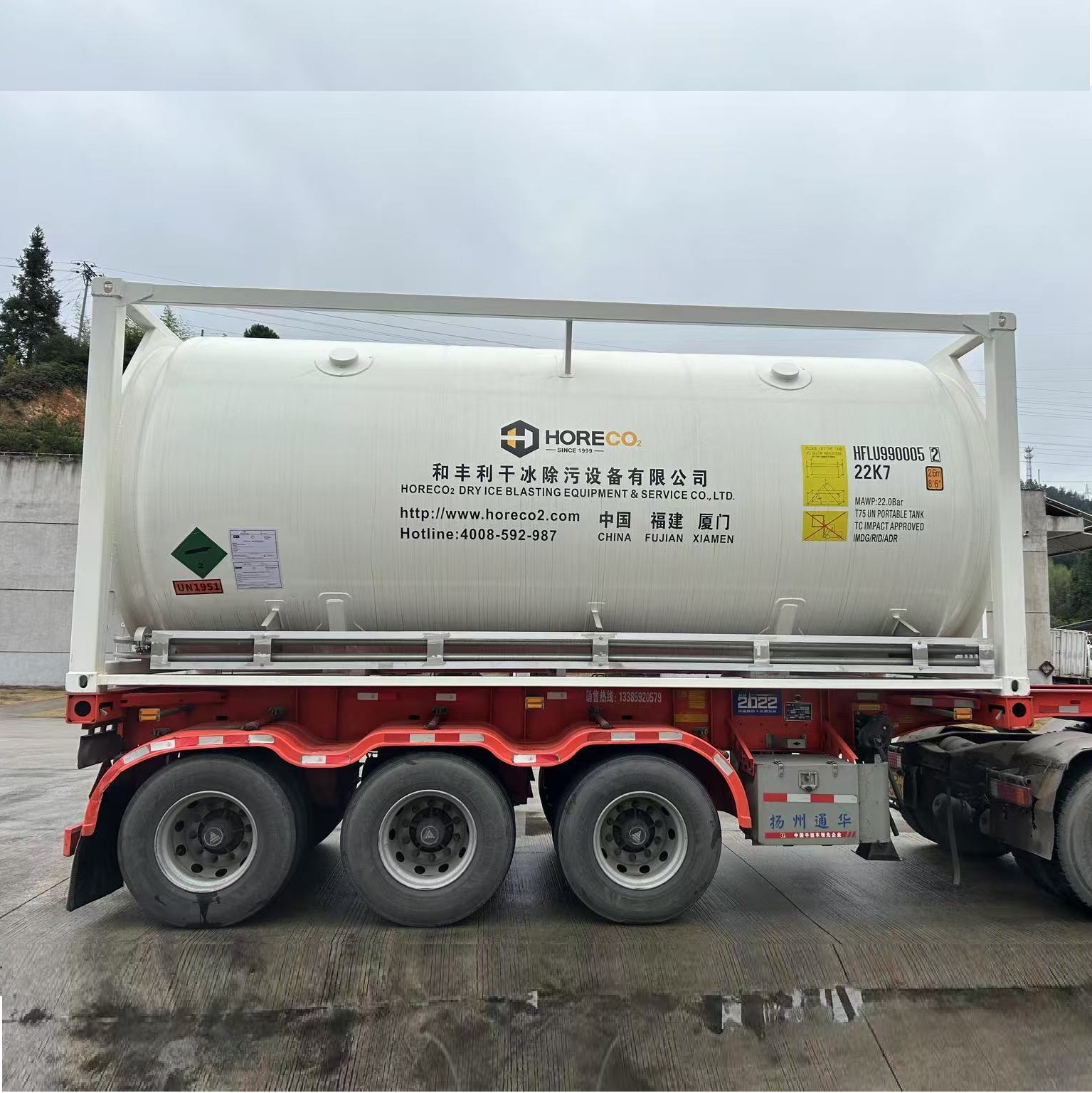
4. How do you handle CO2 sourcing and sustainability? HORECO2 uses food-grade CO2 from byproducts of other industries (e.g., fermentation), certified by suppliers like Linde. It’s recycled, with a lower carbon footprint than solvent production. Their equipment optimizes pellet usage to minimize waste.
5. What maintenance does the equipment require? Regular checks on hoses, nozzles, and compressors—similar to standard air tools. HORECO2 provides annual service contracts, with key parts like pelletizers lasting 5+ years under normal use. Training covers basic upkeep to ensure longevity.
Conclusion: Take the Next Step Toward Smarter Cleaning
Dry ice blasting isn’t just an alternative; it’s a strategic upgrade for industries prioritizing efficiency, safety, and sustainability. By addressing core pain points with precision, HORECO2’s technology has proven its value from German factories to Danish labs. If you’re tired of compromises in your cleaning regimen, explore how this edge can transform your operations.
Ready to dive deeper? Download our free technical whitepaper on optimizing dry ice blasting parameters for your sector, or contact a HORECO2 sales engineer for a personalized demo. Let’s clean smarter, not harder.
