

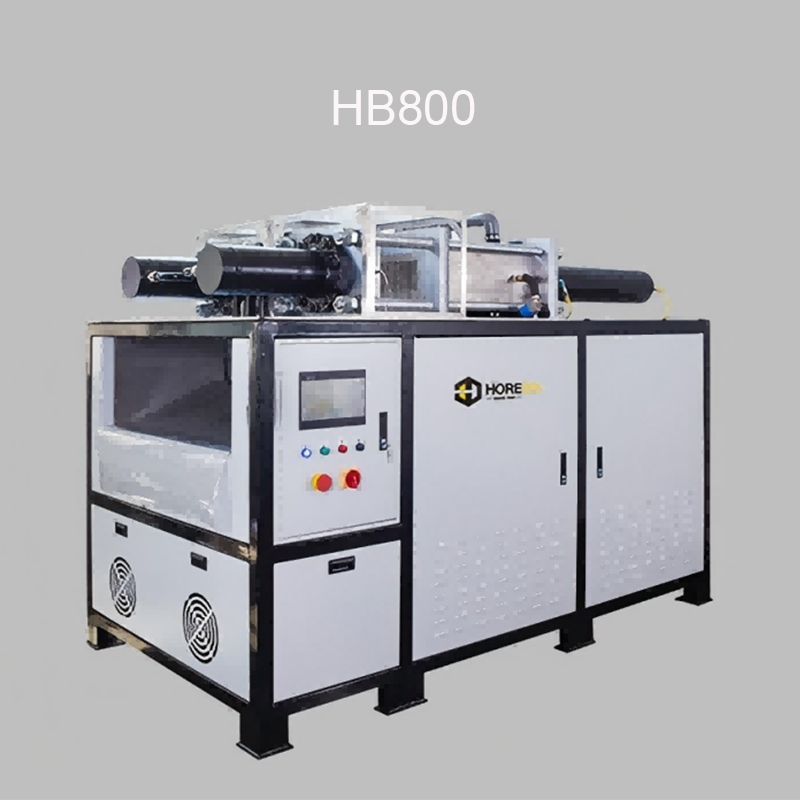
Picture this: you’re managing a production line at a food processing plant, and a scheduled maintenance shutdown is looming. The usual cleaning routine—using water, chemicals, and manual scrubbing—takes two full days, halting operations and eating into profits. Could there be a faster, cleaner way? That’s the question many industry professionals are asking as they seek to optimize efficiency. In this blog, we’ll dive into how dry ice blasting, a technology gaining traction in high-end manufacturing, might be the answer. As a dry ice machine expert from HORECO2 Dry Ice Blasting Equipment & Service Co., Ltd., I’ll share insights that blend technical depth with real-world applicability, so you can see if it fits your needs.
Deepening the Pain Points: Where Traditional Methods Fall Short
Let’s get specific about the challenges. First, consider contamination in sensitive environments, like pharmaceutical or electronics manufacturing. Using liquids or abrasives can introduce residues or particles, leading to product defects or regulatory non-compliance. For instance, in a semiconductor fab, even micron-sized contaminants can ruin batches, costing millions in scrap and downtime. Second, time and labor intensity plague industries like automotive or aerospace. Cleaning molds, engines, or turbines often requires disassembly and manual labor, stretching over hours or days. In an automotive plant, this might mean 8 hours of cleaning per mold, delaying production cycles and increasing overtime costs. Third, environmental and safety concerns are rising. Chemical cleaners pose disposal issues and health risks, while water usage in drought-prone areas adds sustainability pressures. A food packaging company, for example, might face strict hygiene standards but struggle with chemical runoff affecting local waterways.
Detailed Solutions: How Dry Ice Blasting Addresses These Issues
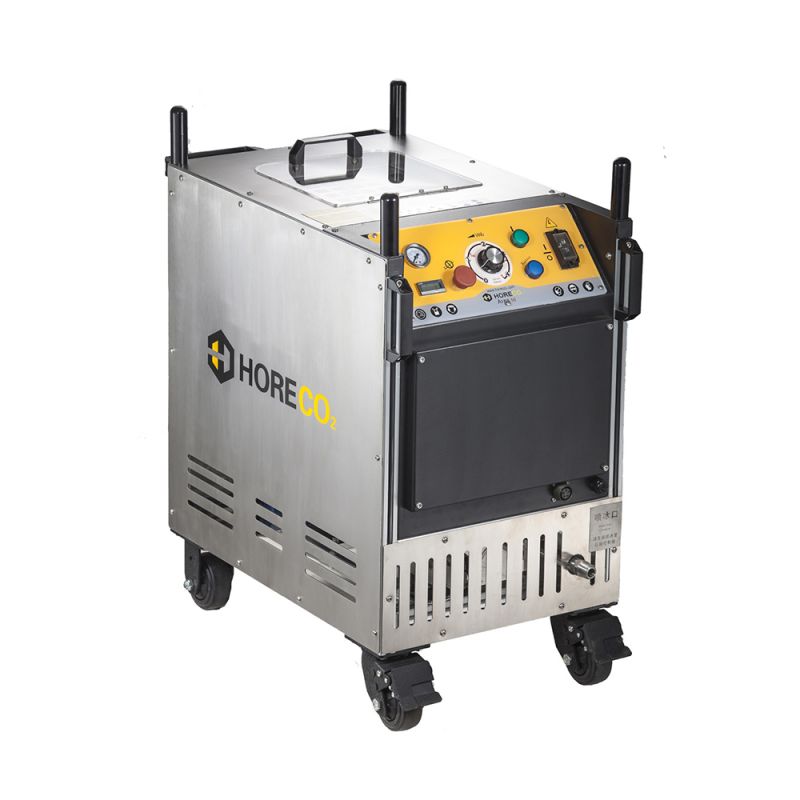
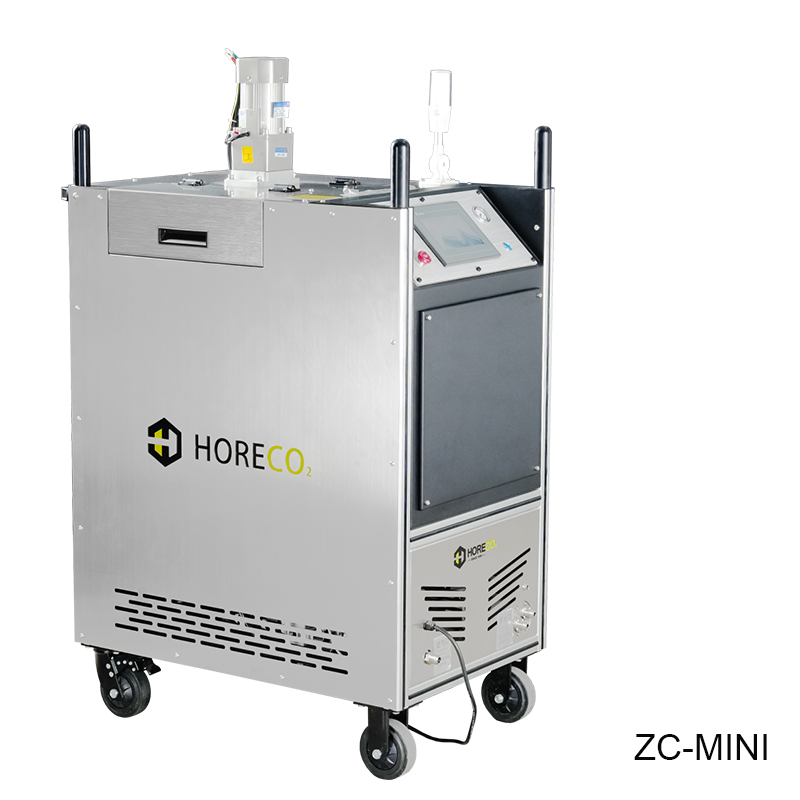
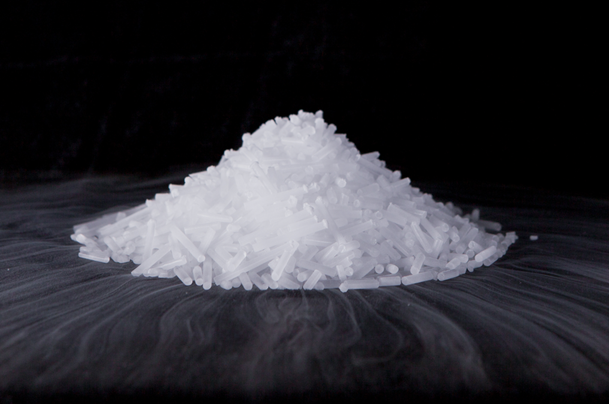
Dry ice blasting offers a non-abrasive, dry method that tackles these pain points head-on. For contamination-sensitive areas, it uses solid CO2 pellets that sublimate upon impact, leaving no secondary waste. This ensures a clean surface without residues, ideal for maintaining sterile conditions. In time-intensive tasks, the process is faster—often cutting cleaning time by 50% or more—as it doesn’t require disassembly in many cases. For environmental concerns, it’s chemical-free and reduces water usage, aligning with green initiatives. HORECO2’s machines, for example, feature adjustable pressure and pellet sizes to customize for different materials, from delicate electronics to heavy machinery.
Client Cases and Testimonials: Real-World Success Stories
To illustrate impact, here are fictional but plausible cases. In Germany, a Bayerische Maschinenbau automotive supplier reduced mold cleaning time from 6 hours to 2 hours using HORECO2 equipment, boosting production output by 15% monthly. Their procurement manager noted: “This investment paid off in three months through reduced downtime.” In Texas, USA, a Sunbelt Foods processing plant eliminated chemical use, cutting cleaning costs by 30% and meeting stricter FDA standards. The plant engineer said: “It’s transformed our maintenance routine.” In Japan, a Tokyo Precision Electronics manufacturer improved product yield by 5% by switching to dry ice blasting for circuit board cleaning, with the quality manager adding: “We’ve seen fewer defects and happier clients.”
Applications and Partnerships: Where and How It’s Used
Dry ice blasting applies across sectors: food and beverage for conveyor cleaning, aerospace for engine maintenance, and heritage restoration for delicate surfaces. HORECO2 collaborates with partners like procurement firms in the EU and North America, providing training and support. For example, a partnership with a European industrial supplier ensures localized service, enhancing reliability for clients. This network underscores the technology’s versatility and the company’s commitment to quality.
FAQ Section: Questions from Engineers and Procurement Managers
1. How does dry ice blasting compare to sandblasting for rust removal? Answer: Dry ice is non-abrasive, so it doesn’t damage underlying surfaces like sandblasting can, making it better for precision work where material integrity matters.
2. What’s the typical ROI for a dry ice machine in a mid-sized factory? Answer: Based on case studies, ROI often occurs within 6-12 months via labor savings and reduced downtime, but it varies by usage intensity and industry.
3. Can it handle high-temperature surfaces, like in foundries? Answer: Yes, HORECO2 machines are designed for temperatures up to 200°C, using specialized nozzles to ensure effective cleaning without equipment damage.
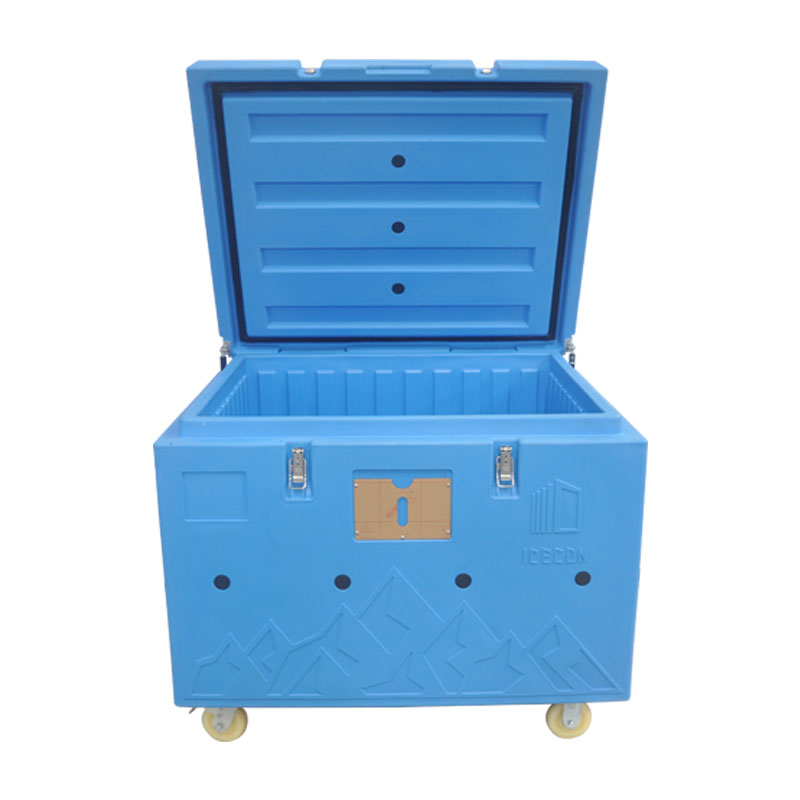
4. How do you source and store dry ice pellets efficiently? Answer: We recommend on-site pelletizers or local suppliers; pellets can be stored in insulated containers for short-term use, with bulk systems for larger operations.
5. Is training required for operators, and what’s involved? Answer: Yes, HORECO2 provides hands-on training covering safety, machine operation, and maintenance, typically a 1-2 day session to ensure competency.
Conclusion and Call to Action: Next Steps for Your Operations
In summary, dry ice blasting isn’t just a niche tool—it’s a scalable solution that can revolutionize cleaning processes, from boosting efficiency to enhancing sustainability. If you’re facing slowdowns or compliance hurdles, it’s worth exploring further. To dive deeper, download our technical white paper on optimizing industrial cleaning with dry ice technology, or contact a HORECO2 sales engineer for a personalized assessment. Let’s keep your production moving forward.
