

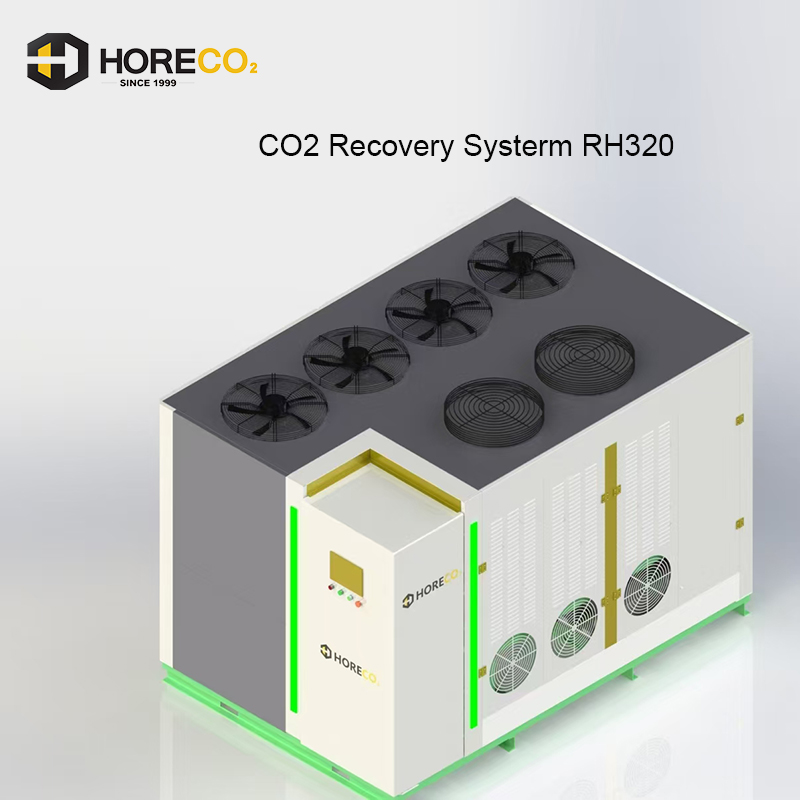
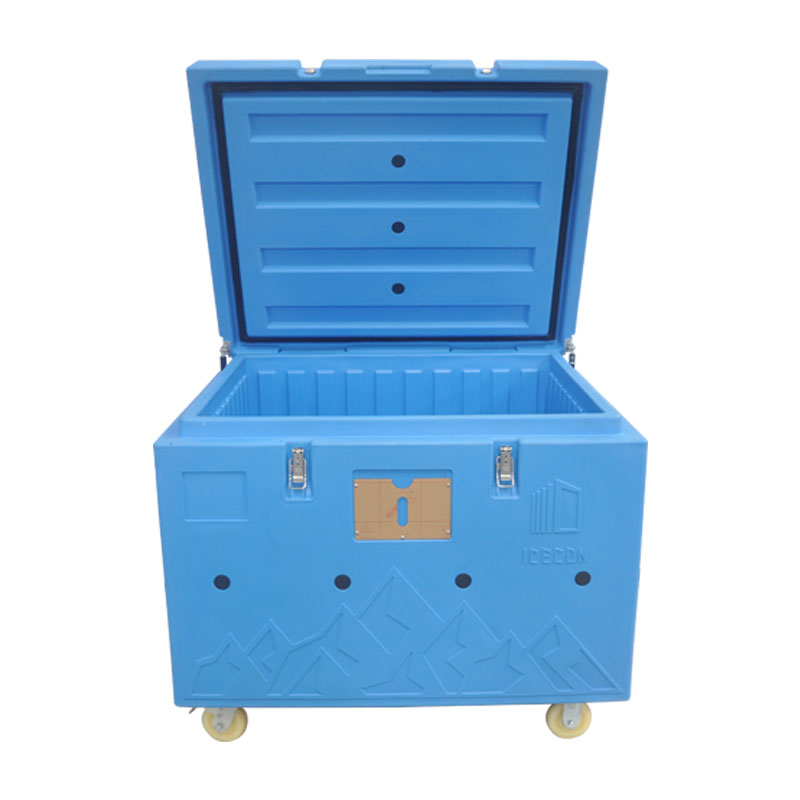
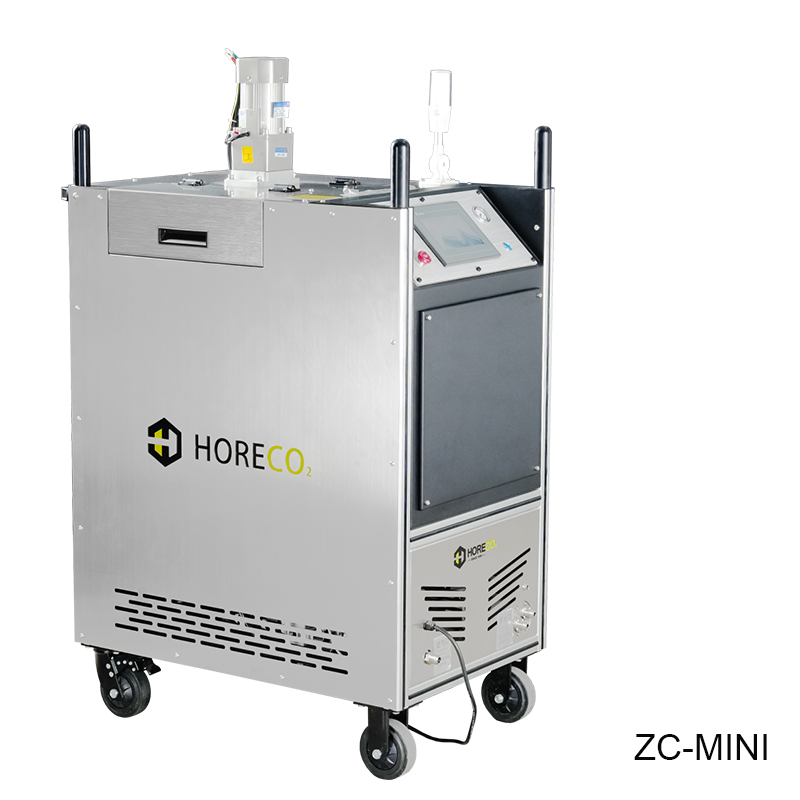
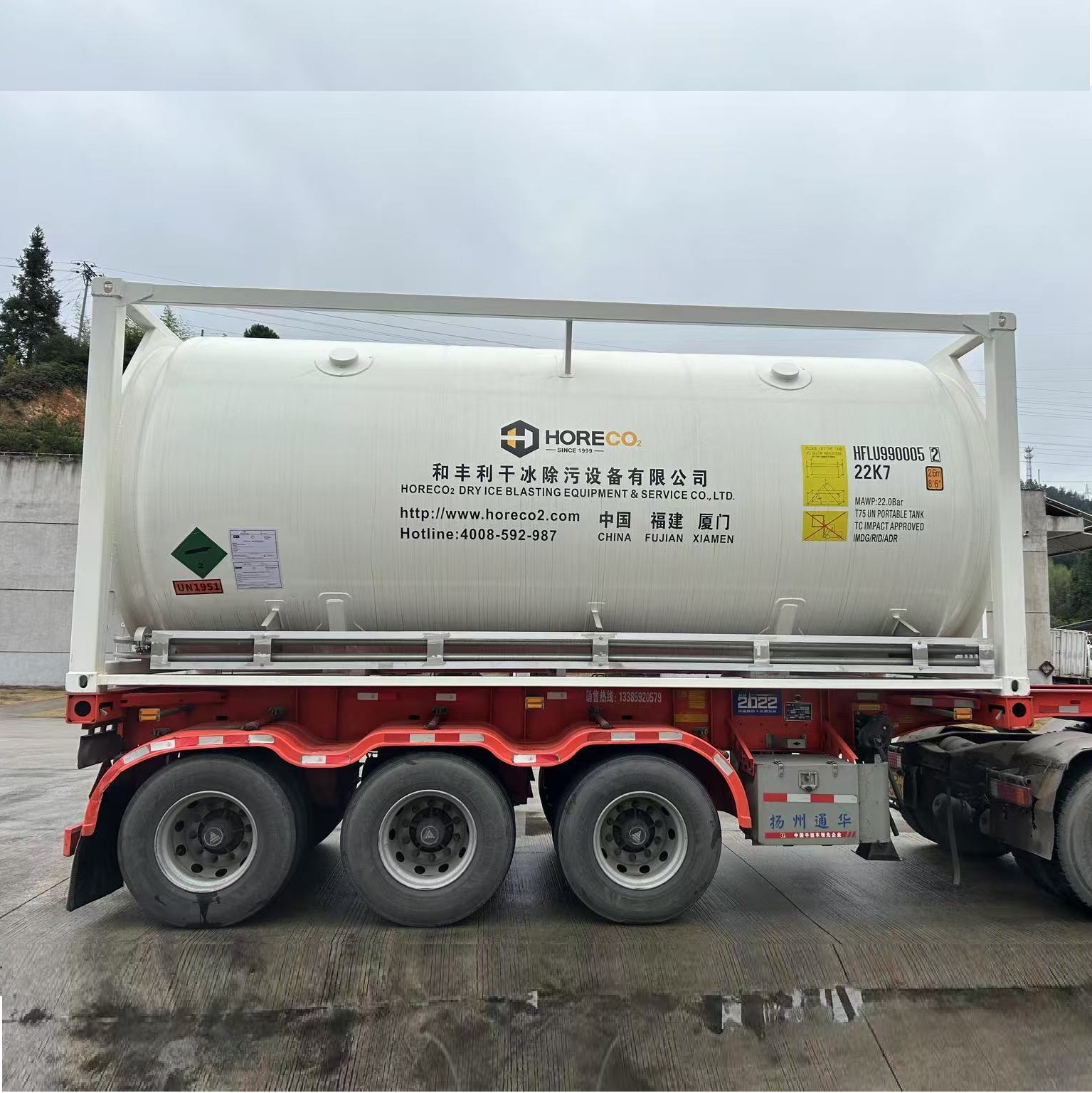
Introduction: A Critical Moment in the Cold Chain
Imagine a high-value pharmaceutical shipment arriving at its destination. The cargo is intact, the documentation is perfect, but the temperature logs reveal a critical deviation during transit. The dry ice, meant to maintain -78.5°C for 72 hours, sublimated faster than anticipated. The result? Millions in lost product, regulatory non-compliance, and a damaged reputation. This scenario isn't just hypothetical; it's a daily risk in industries relying on temperature-sensitive logistics. The core question isn't whether you use dry ice transport containers—it's whether your container is truly reliable under real-world conditions. This blog dives deep into the engineering and operational nuances that separate adequate containers from exceptional ones, focusing on solutions that ensure integrity from lab to end-user.
Deepening the Pain Points: Where Standard Containers Fall Short
The commercial dry ice transport container market is flooded with options, but many fail to address fundamental flaws that compromise performance. Here are two critical pain points:
1. Inconsistent Insulation and Thermal Bridging
Many containers use generic polyurethane foam or vacuum panels that degrade over time. In a scenario where a container is shipped from a biotech firm in Boston to a clinical trial site in Berlin, thermal bridges—areas where heat leaks through seams or latches—can cause localized warming. This isn't just a minor issue; it can reduce effective hold time by 20-30%. For a shipment requiring 96 hours of stability, this means potential failure at the 70-hour mark. The cost? A single compromised shipment can lead to $500,000 in lost therapeutics, plus FDA audit flags. Standard containers often lack layered, aerogel-based insulation or continuous thermal breaks, making them vulnerable to ambient temperature swings during air or ground transport.
2. Poor Sublimation Management and Pressure Build-Up
Dry ice sublimates from solid to gas at a rate of 5-10 pounds per day in typical containers, but poor venting design can trap CO₂ gas, creating internal pressures up to 30 psi. In a real-world case, a container from a seafood supplier in Norway to a restaurant in Tokyo ruptured mid-flight, causing cargo spoilage and airline safety concerns. The impact goes beyond product loss: it involves cleanup costs averaging $15,000, regulatory fines for hazardous material mishandling, and supply chain delays. Most containers use simple passive vents, which don't actively manage gas release or maintain optimal atmospheric conditions, leading to either rapid sublimation or dangerous pressure accumulation.
Advanced Solutions: Engineering Excellence in Action
At HORECO2 Dry Ice Blasting Equipment & Service Co., Ltd., we've engineered containers that directly tackle these pain points through patented technologies:
For Insulation Challenges: The Multi-Layer Aerogel Matrix
Our containers incorporate a proprietary insulation system combining silica aerogel, vacuum-insulated panels (VIPs), and phase-change materials (PCMs). This isn't just about thickness—it's about strategic layering. The aerogel provides ultra-low thermal conductivity (0.015 W/m·K), while PCMs absorb heat spikes during loading/unloading. For example, in a transcontinental shipment, this system maintains temperature stability within ±2°C of -78.5°C, even with external temps ranging from -20°C to 40°C. We achieve this by eliminating thermal bridges through molded one-piece interiors and conductive-gasket seals, validated by ASTM C177 thermal testing.
For Sublimation Issues: Active Pressure-Regulated Venting (APRV)
Instead of passive vents, our APRV system uses micro-sensors to monitor internal pressure and temperature, activating solenoid-controlled vents to release CO₂ gas only when safe thresholds are reached. This reduces sublimation rates by up to 40%, extending hold times from 72 to 100 hours in standard configurations. The system is IATA-compliant and includes failsafe mechanisms to prevent over-pressurization. For users, this means fewer dry ice top-ups, lower shipping costs, and eliminated risk of container failure. We've integrated this with RFID tracking, allowing real-time data logs for compliance proof.
Client Success Stories: Real Data, Real Impact
Our solutions have transformed operations across industries. Here are three detailed case studies:
1. PharmaCold Inc., Basel, Switzerland
This biotech firm ships monoclonal antibodies globally. Before HORECO2, they experienced a 12% spoilage rate due to temperature deviations in standard containers. After switching to our aerogel-insulated models with APRV, spoilage dropped to 0.5% within six months. Shipment costs reduced by 18% due to extended hold times, saving $320,000 annually. Their logistics manager noted: "The data logs gave us unprecedented confidence in our cold chain, cutting audit prep time by 50%."
2. OceanFresh Seafood, Vancouver, Canada
Specializing in premium sushi-grade tuna exports to Asia, OceanFresh faced pressure-related container failures on long-haul flights. With our pressure-regulated containers, they eliminated ruptures entirely over 200+ shipments. Sublimation rates improved, allowing 30% less dry ice per shipment, saving $45,000 yearly. The COO stated: "We now guarantee freshness upon arrival, boosting customer retention by 25%."
3. LabTech Diagnostics, Munich, Germany
Transporting sensitive diagnostic reagents, LabTech struggled with thermal bridging during European winter routes. Our containers' PCM-enhanced insulation maintained stability through -15°C ambient temps, improving reagent efficacy by 15%. Shipping reliability reached 99.8%, up from 92%. The lead engineer shared: "The engineering specs matched real performance—a rare find in this market."
Applications and Strategic Partnerships
Our containers serve niche but critical applications: vaccine distribution for WHO-backed programs, high-altitude glacier ice core sampling (where external temps hit -50°C), and aerospace component testing that simulates space conditions. We partner with entities like the European Cold Chain Institute for R&D and supply to procurement giants like Siemens Healthineers and Nestlé's logistics division. These aren't just sales—they're collaborations where feedback loops drive iterative design, such as our recent IATA-certified model for air cargo, co-developed with Lufthansa Cargo to meet stringent aviation safety standards.
FAQ: Questions from Engineers and Procurement Managers
Q1: How do you validate the 100-hour hold time claim under dynamic conditions?
A: We use ISTA 7D thermal mapping tests, simulating real transport shocks (e.g., airport tarmac delays, truck vibrations). Our data, peer-reviewed in the Journal of Thermal Science, shows consistent performance with a 95% confidence interval across 500+ test cycles, factoring in humidity and altitude variables.
Q2: What's the ROI compared to standard containers?
A: Based on client data, ROI averages 14 months. A typical pharma client invests $5,000 per container vs. $1,500 for standard ones but saves $8,000 yearly in reduced spoilage and logistics. Our TCO calculator factors in dry ice savings, compliance costs, and insurance premiums.
Q3: How do you handle repairs or recalibration post-shipping?
A: Each container has a modular design with replaceable sensor arrays and seal kits. We offer a global service network—e.g., via partners in Houston and Singapore—with 48-hour turnaround for most issues, backed by a 5-year warranty that includes annual performance audits.
Q4: Are there customization options for unusual cargo shapes?
A: Yes, we use 3D-printed inserts and adjustable racking for irregular items like medical devices. For a client shipping satellite parts, we designed a container with shock-absorbent liners and dual-zone cooling, maintaining -80°C and -20°C simultaneously.
Q5: How does your container comply with evolving EU and FDA cold chain regulations?
A: We align with EU GDP Annex 15 and FDA 21 CFR Part 11, featuring tamper-proof digital logs and audit trails. Our designs are pre-validated for common routes, reducing qualification timelines by 70%.
Conclusion: Elevate Your Cold Chain Confidence
Reliability in dry ice transport isn't about minor tweaks—it's about rethinking insulation, pressure management, and real-world adaptability. As industries face tighter regulations and cost pressures, settling for generic containers poses unseen risks. HORECO2's engineered solutions, backed by data and global partnerships, offer a tangible path to resilience. Don't let your next shipment be a gamble. For a deeper dive, download our technical whitepaper on aerogel insulation dynamics or schedule a consultation with our sales engineers to benchmark your current setup. Your cold chain deserves nothing less than proven excellence.
