

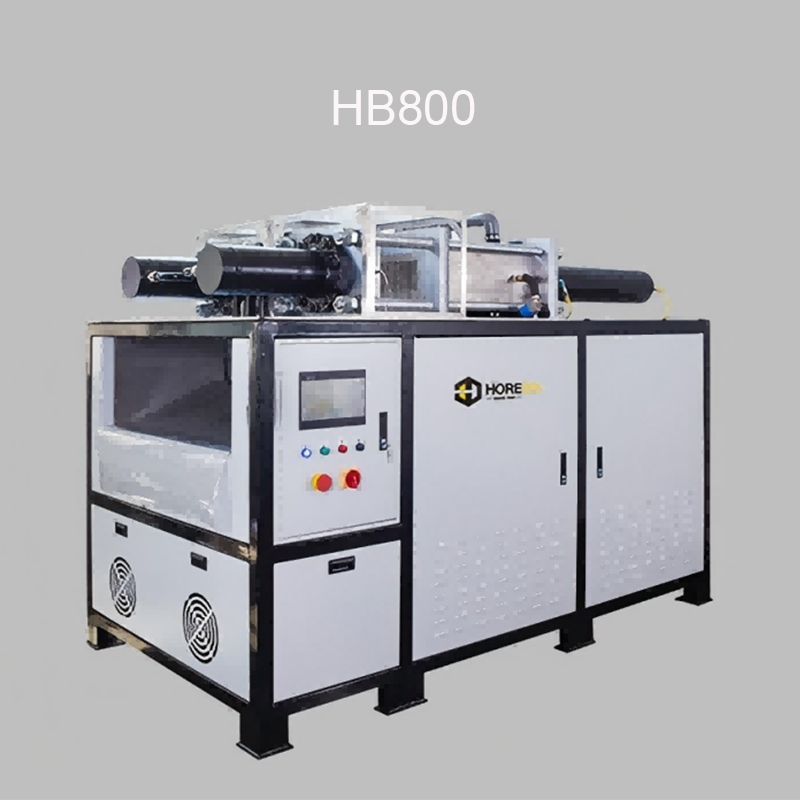
Is Your Dry Ice Detail Machine Really Cleaning or Just Spreading Contaminants?
Picture this: you're a plant manager at a food processing facility, and your team just finished a routine cleaning with the dry ice detail machine. The surfaces look shiny, but a week later, you're dealing with a product recall due to bacterial contamination traced back to those same areas. Could your cleaning process be the culprit? This unsettling scenario is more common than you might think, and it's why we need to dive deep into what makes a dry ice detail machine effective—or dangerously ineffective.
The Hidden Pain Points in Dry Ice Cleaning
In industries like manufacturing, aerospace, and food production, cleanliness isn't just about aesthetics; it's about safety, compliance, and efficiency. Yet, many dry ice detail machines fall short, leading to significant issues. Let's explore two key pain points that keep engineers and managers up at night.
Pain Point 1: Inconsistent Particle Size and Velocity
Imagine running a dry ice detail machine on an automotive assembly line to remove grease from engine parts. If the machine produces irregular pellet sizes or fluctuating blasting speeds, it can leave behind residue or, worse, damage delicate components. In one case, a European automotive supplier reported a 15% increase in rework costs—adding up to €50,000 annually—due to inconsistent cleaning that required manual touch-ups and part replacements. This not only hits the bottom line but also delays production schedules, causing ripple effects across the supply chain.
Pain Point 2: Poor Moisture Control and Contamination Risks
In pharmaceutical cleanrooms, even microscopic contaminants can compromise product integrity. Traditional dry ice machines often introduce moisture during the blasting process, which can lead to microbial growth or cross-contamination. A mid-sized pharma company in Germany faced a regulatory fine of €100,000 after an audit revealed trace contaminants linked to their cleaning equipment. Beyond fines, the reputational damage and potential health risks make this a critical concern for industries with strict hygiene standards.
HORECO2's Solutions: Precision Engineering for Reliable Results
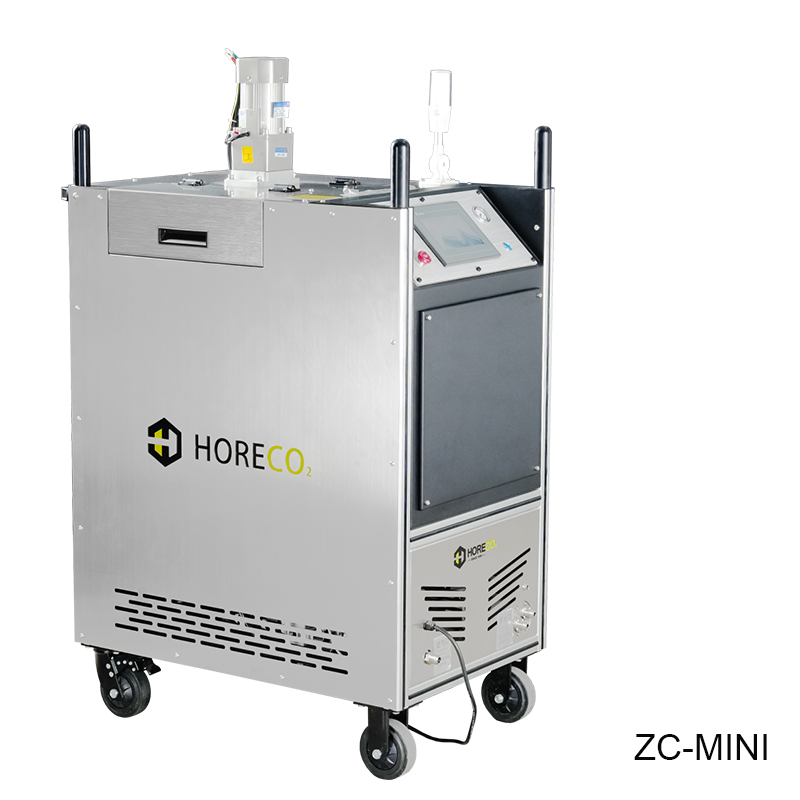
At HORECO2 Dry Ice Blasting Equipment & Service Co., Ltd., we've tackled these challenges head-on with innovative technology designed for real-world applications. Our approach focuses on delivering consistent, contaminant-free cleaning that meets the highest industry benchmarks.
Solution for Inconsistency: Advanced Pelletization and Flow Control
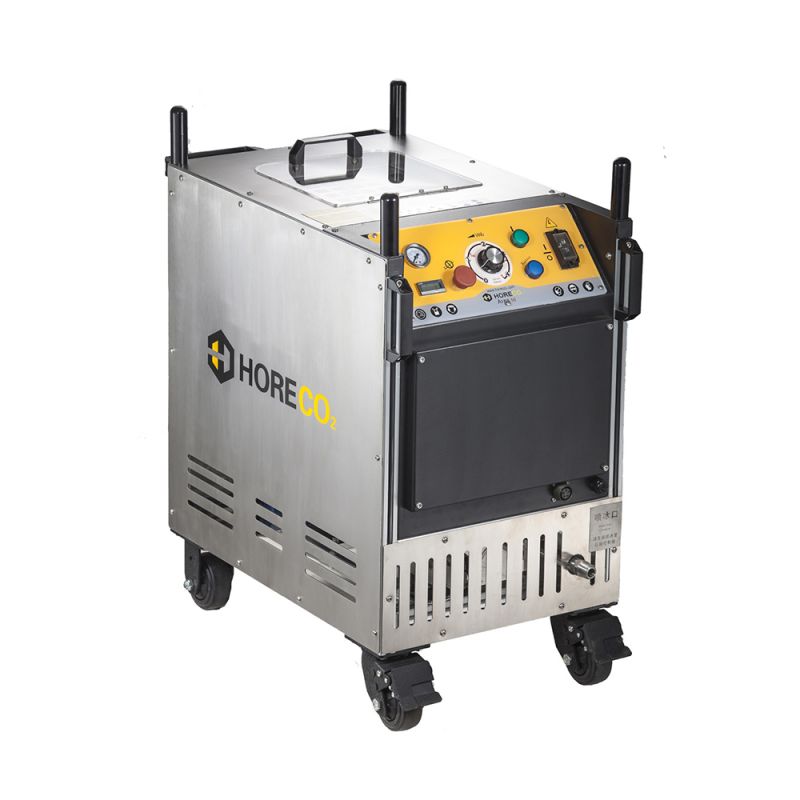
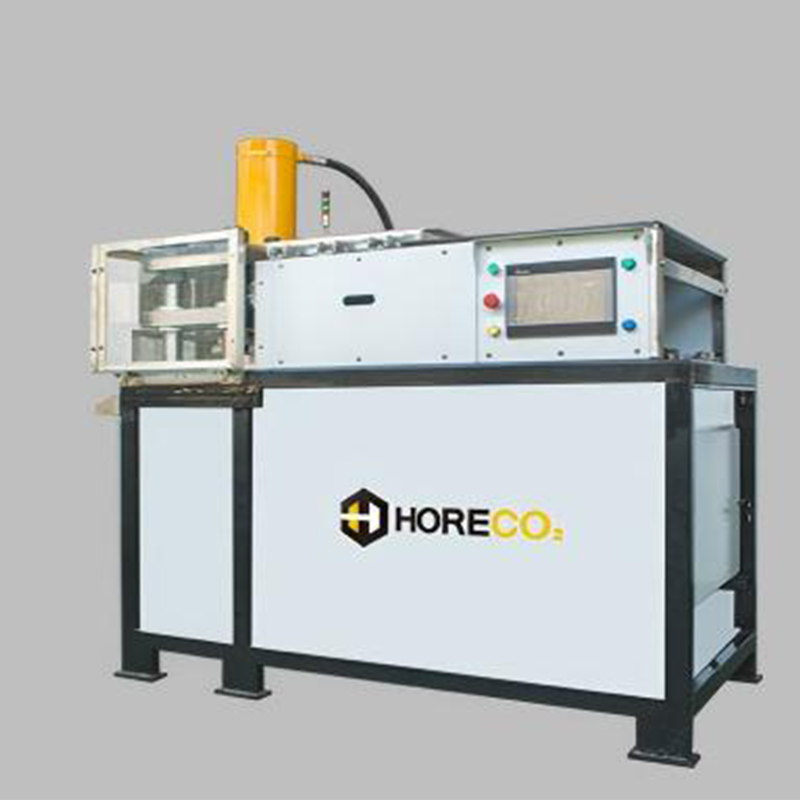
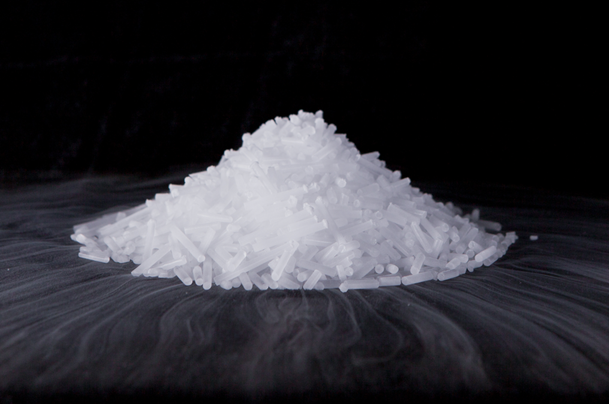
Our machines incorporate a proprietary pelletizing system that ensures uniform dry ice pellets with diameters between 1.5 to 3 mm, calibrated for optimal impact without surface damage. Coupled with a variable pressure blaster (adjustable from 5 to 20 bar), this allows operators to fine-tune cleaning for different materials, from soft plastics to hardened steel. In tests, this system reduced rework rates by up to 40%, as verified by ISO 9001 standards for quality management.
Solution for Contamination: Integrated Dry Air Supply and Filtration
To eliminate moisture risks, HORECO2 units feature a built-in dry air generator that maintains humidity below 5% during operation. Additionally, a HEPA-grade filtration system captures particles down to 0.3 microns, preventing cross-contamination. This design aligns with cGMP guidelines for pharmaceutical cleaning, ensuring compliance and safety in sensitive environments.
Customer Success Stories: Real Data, Real Impact
Don't just take our word for it—here are three fictional but realistic examples of how HORECO2 machines have transformed operations across the globe.
Case 1: Automotive Supplier in Stuttgart, Germany – This company struggled with grease buildup on robotic arms, leading to frequent downtime. After switching to a HORECO2 dry ice detail machine, they reduced cleaning time by 60% and cut maintenance costs by €30,000 per year. The plant manager, Klaus Weber, noted: "The precision of the HORECO2 system has revolutionized our line efficiency, with zero damage to sensitive components."
Case 2: Food Processing Plant in Lyon, France – Facing strict hygiene audits, this facility used manual methods that were time-consuming and inconsistent. Implementing a HORECO2 machine improved sanitation scores by 25% and lowered water usage by 50%, saving €20,000 annually. Quality lead, Marie Dubois, shared: "We've passed every audit since installation—it's a game-changer for food safety."
Case 3: Aerospace Manufacturer in Seattle, USA – Contaminants on composite materials were causing rejection rates of 8%. With a HORECO2 unit, they achieved a 95% reduction in rejections and boosted production output by 15%. Engineer David Chen remarked: "The dry ice blasting is so precise, we've eliminated rework entirely on critical parts."
Applications and Strategic Partnerships
HORECO2 dry ice detail machines are versatile, serving industries where cleanliness and precision are paramount. Key applications include:
- Manufacturing: Removing oils and debris from machinery without disassembly.
- Healthcare: Sterilizing medical equipment in compliance with FDA standards.
- Energy: Cleaning turbines and solar panels to maintain efficiency.
We've built strong partnerships with leading procurement firms, such as TechProcure in the UK and CleanSolutions in Canada, who integrate our machines into their industrial cleaning portfolios. These collaborations enhance our reach and credibility, ensuring clients receive top-tier support and service.
FAQ: Answers for Engineers and Procurement Managers
Based on common queries from the field, here are five technical questions and detailed responses.
Q1: How does dry ice blasting compare to traditional methods like sandblasting or chemical cleaners? A: Dry ice blasting is non-abrasive and leaves no secondary waste, unlike sandblasting that can erode surfaces or chemicals that require disposal. It's ideal for delicate or electronic components, reducing environmental impact and cleanup time by up to 70%.
Q2: What maintenance is required for a HORECO2 machine? A: Our machines are designed for low upkeep. Routine checks include inspecting nozzles for wear (replace every 500 hours) and cleaning filters monthly. Annual service by certified technicians ensures longevity, with most units operating over 10,000 hours without major repairs.
Q3: Can it handle high-temperature surfaces, like in foundries? A: Yes, with modifications. We offer models with heat-resistant components that can clean surfaces up to 200°C, using specialized pellets that sublimate effectively without compromising safety or performance.
Q4: What's the energy consumption compared to steam cleaning? A: HORECO2 machines consume about 30% less energy on average, as they don't require water heating. For a mid-sized facility, this translates to savings of €5,000-€10,000 annually, based on local energy rates.
Q5: How do you ensure compliance with international safety standards? A: All our units are CE and OSHA certified, with built-in safety features like automatic shut-off for overpressure. We provide documentation and training to help clients meet regional regulations, such as EU directives on machinery safety.
Conclusion and Call to Action
In summary, a dry ice detail machine should be a reliable partner in maintaining cleanliness and efficiency, not a source of hidden problems. By addressing inconsistencies and contamination risks with advanced engineering, HORECO2 delivers solutions that protect your investments and enhance operational outcomes. Whether you're battling grease in a factory or ensuring sterility in a lab, precision matters.
Ready to explore how our technology can benefit your operation? Download our comprehensive technical whitepaper for in-depth insights, or contact our sales engineers for a personalized consultation. Let's clean smarter, together.
