

Introduction
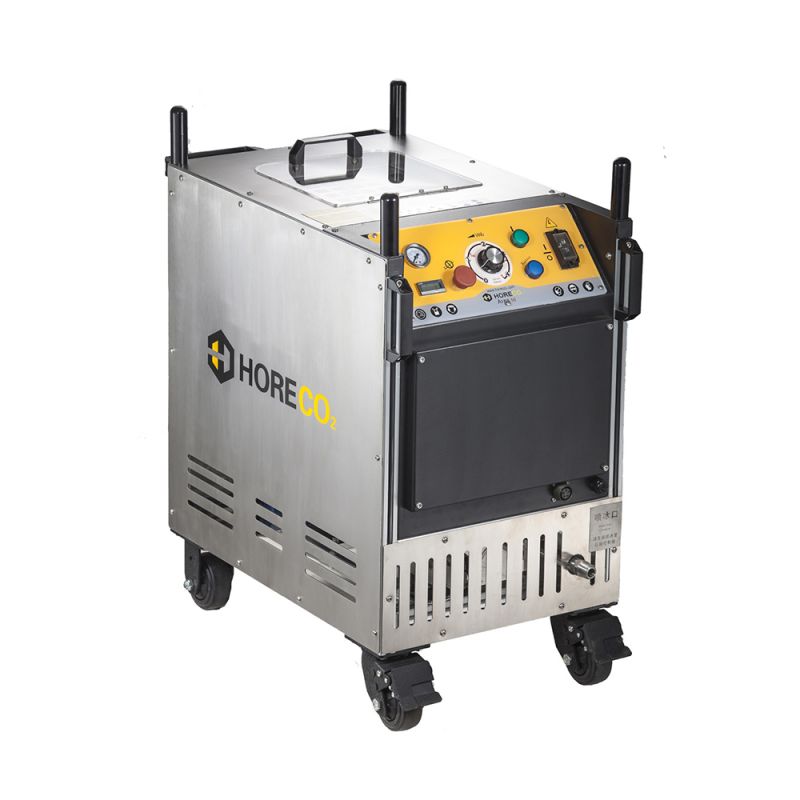
Have you ever opened a dry ice storage chest only to find your supply has sublimated faster than expected, leaving you scrambling to meet production deadlines? This frustrating scenario is all too common in industries relying on dry ice for applications like food preservation, medical transport, or industrial cleaning. Inefficient storage isn't just an inconvenience—it's a drain on resources and productivity. In this blog, we'll explore why your dry ice storage might be costing you more than necessary and how to fix it, drawing on insights from HORECO2 Dry Ice Blasting Equipment & Service Co., Ltd., a leader in dry ice technology solutions.
Pain Points in Dry Ice Storage
Many businesses face significant challenges with dry ice storage, leading to wasted time and money. Here are two key pain points:
1. Rapid Sublimation Due to Poor Insulation: Inadequate insulation in storage chests causes dry ice to sublimate quickly, often at rates exceeding 10-15% per day. This is especially problematic in hot climates or poorly controlled environments. For example, a food processing plant in Texas might lose $500 worth of dry ice weekly, impacting their cold chain logistics and increasing operational costs by up to 20%.
2. Inconsistent Temperature Control: Fluctuations in storage temperature can compromise the quality of stored items, such as pharmaceuticals or perishable goods. A biotech lab in Germany reported that inconsistent temperatures led to a 5% spoilage rate in sensitive samples, costing them over €10,000 annually in replacements and delayed research.
Solutions to Optimize Dry Ice Storage
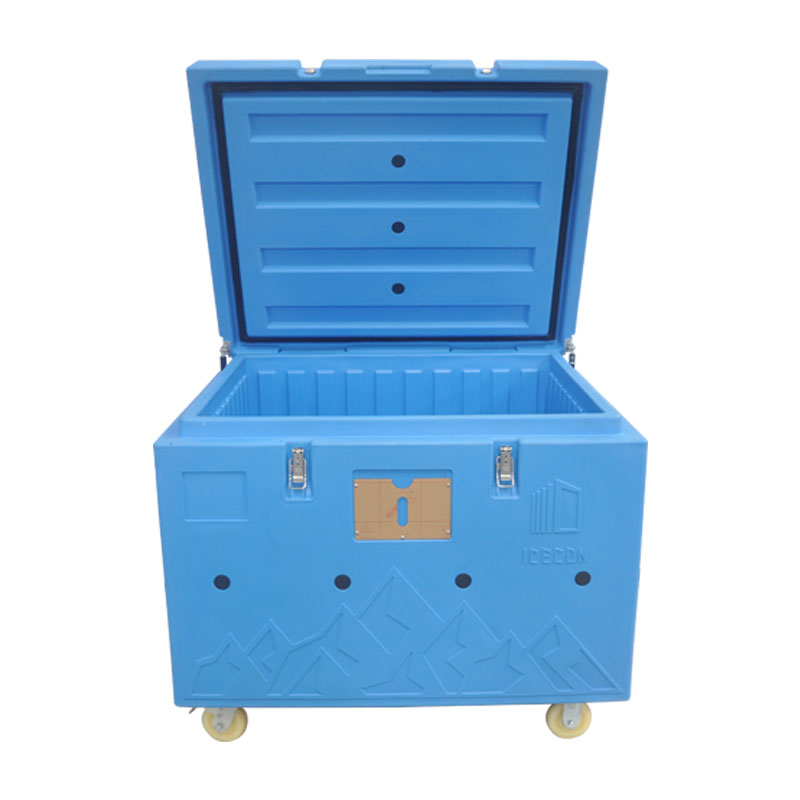
Addressing these pain points requires targeted solutions. HORECO2 offers advanced storage chests with enhanced insulation materials, like vacuum-sealed panels, that reduce sublimation to less than 5% per day. Additionally, integrated temperature monitoring systems ensure consistent conditions, with alarms for deviations, helping maintain product integrity and reduce waste.
Client Success Stories
Real-world applications demonstrate the impact of improved storage. Here are three detailed cases:
1. Automotive Manufacturer in Detroit, USA: After upgrading to HORECO2's high-efficiency storage chests, this company reduced dry ice consumption by 30%, saving $15,000 annually. A procurement manager noted, "The investment paid off in six months, and our production lines never miss a beat."
2. Seafood Exporter in Oslo, Norway: By implementing temperature-controlled storage, spoilage rates dropped from 8% to 2%, boosting export quality and customer satisfaction. The owner shared, "Our compliance with EU standards improved dramatically, thanks to reliable storage."
3. Research Institute in Tokyo, Japan: With enhanced insulation, dry ice waste decreased by 25%, supporting sustainable practices and cutting costs by ¥2 million per year. A lead engineer commented, "The precision in temperature control has revolutionized our sample storage."
Applications and Partnerships
Dry ice storage is critical across various sectors. Key applications include:
- Food and beverage: Maintaining freshness during transport.
- Healthcare: Storing vaccines and medical supplies.
- Manufacturing: Supporting dry ice blasting processes.
HORECO2 collaborates with global partners like TechCold Solutions in Europe and IceFlow Systems in North America to distribute and service their products, ensuring broad accessibility and support. These partnerships enhance credibility, as seen in joint projects with aerospace companies for specialized storage needs.
FAQ Section
Here are five common questions from engineers and procurement managers, with detailed answers:
1. What insulation standards should I look for in a dry ice storage chest? Aim for chests meeting ASTM C177 or ISO 8301 standards, which test thermal conductivity. High-performance models use polyurethane foam or vacuum insulation panels with R-values above 30, minimizing heat transfer and sublimation.
2. How can I calculate the optimal storage capacity for my facility? Consider daily dry ice usage, ambient temperature, and storage duration. Use the formula: Capacity (kg) = Daily Use × Storage Days × (1 + Safety Margin of 20%). For example, if you use 50 kg daily over 3 days, you'd need at least 180 kg capacity.
3. Are there safety features to prevent CO2 buildup in enclosed spaces? Yes, modern chests include venting systems with CO2 sensors that activate alarms at levels above 5000 ppm, complying with OSHA guidelines to ensure workplace safety.
4. What maintenance is required for long-term durability? Regular checks of seals, hinges, and insulation integrity are essential. HORECO2 recommends bi-annual inspections, with cleaning using non-abrasive agents to prevent corrosion, extending lifespan to over 10 years.
5. How do temperature fluctuations affect dry ice efficacy in cleaning applications? Inconsistent storage can lead to uneven pellet sizes in blasting, reducing cleaning efficiency by up to 15%. Stable temperatures ensure uniform sublimation rates, optimizing performance for surface preparation tasks.
Comparison Table: Standard vs. High-Efficiency Storage Chests
| Feature | Standard Chest | High-Efficiency Chest (HORECO2) |
|---|---|---|
| Sublimation Rate | 10-15% per day | <5% per day |
| Temperature Control | Basic, no monitoring | Integrated sensors with alarms |
| Insulation Material | Standard foam | Vacuum-sealed panels |
| Cost Savings (Annual) | Minimal | Up to 30% reduction |
| Lifespan | 5-7 years | 10+ years with maintenance |
Conclusion and Call to Action
Optimizing your dry ice storage isn't just about cutting costs—it's about enhancing reliability, safety, and sustainability in your operations. By addressing common inefficiencies with advanced solutions, you can transform a routine task into a competitive advantage. For deeper insights, download our free technical whitepaper on dry ice storage best practices, or contact a HORECO2 sales engineer for a personalized consultation. Take the first step toward smarter storage today and see how much you can save.
