

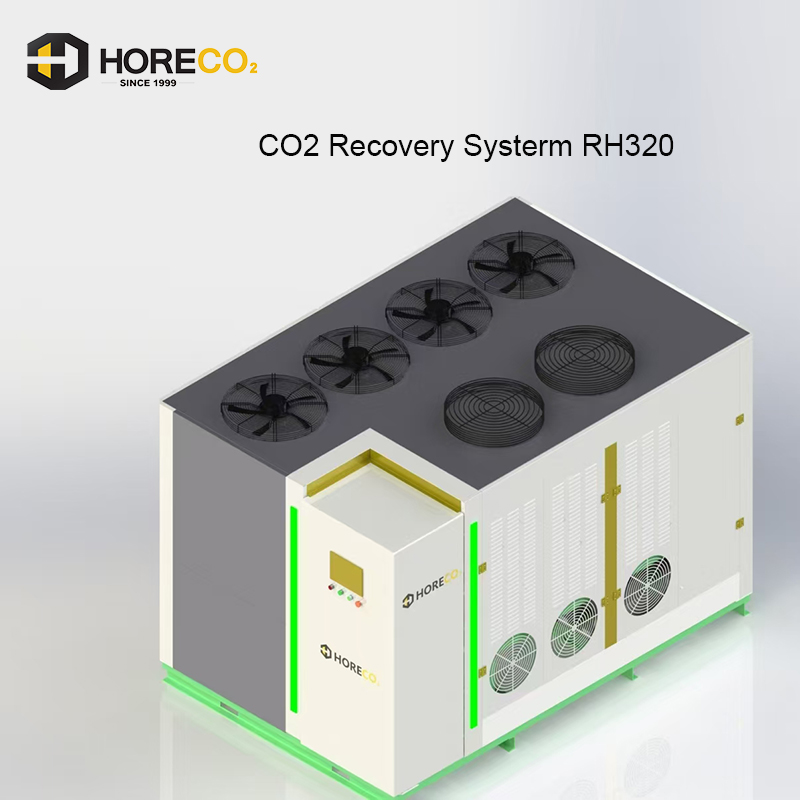
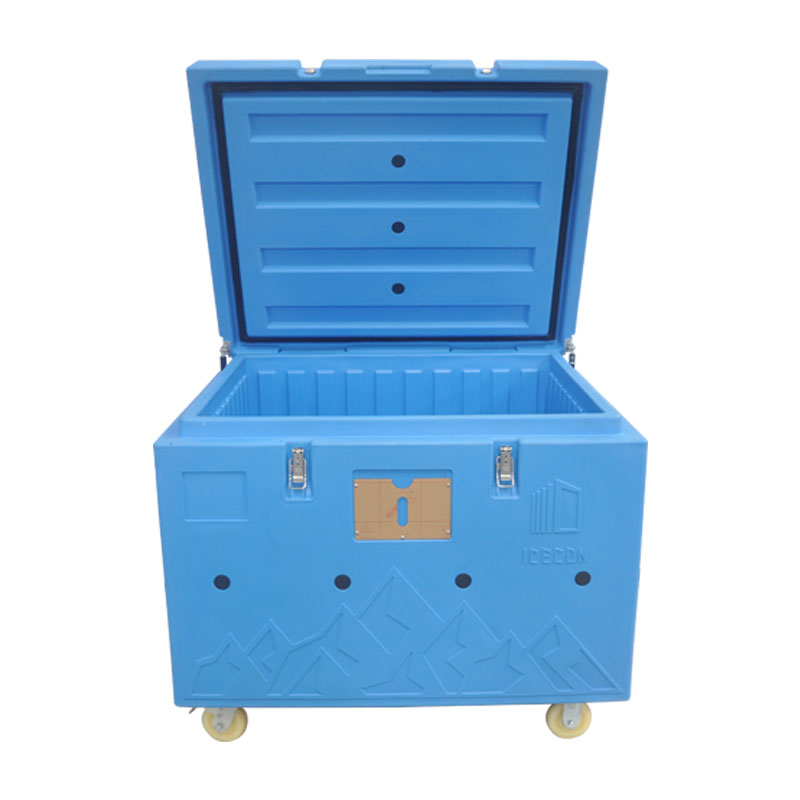
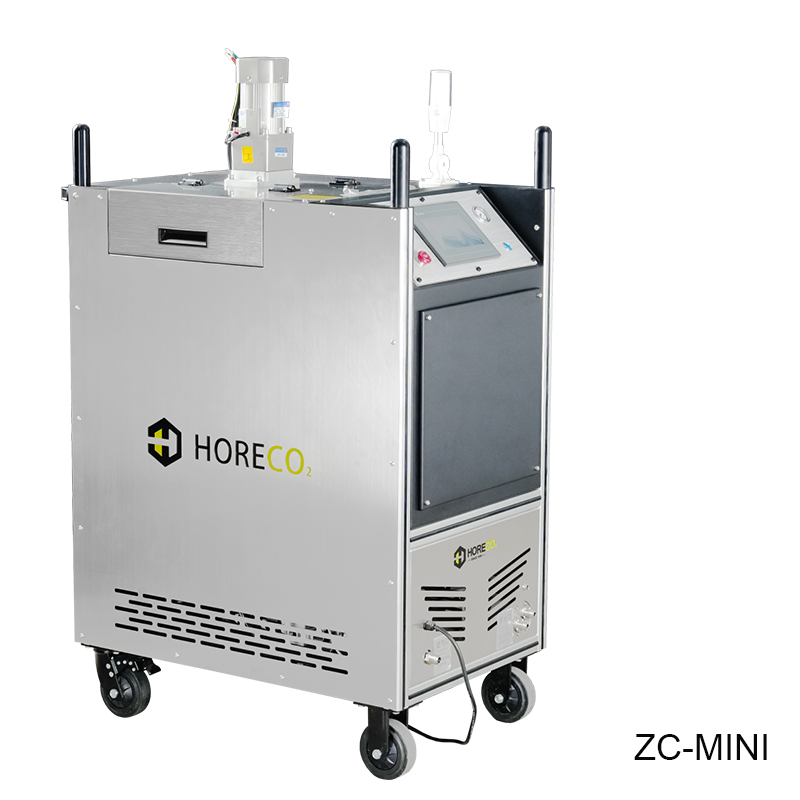
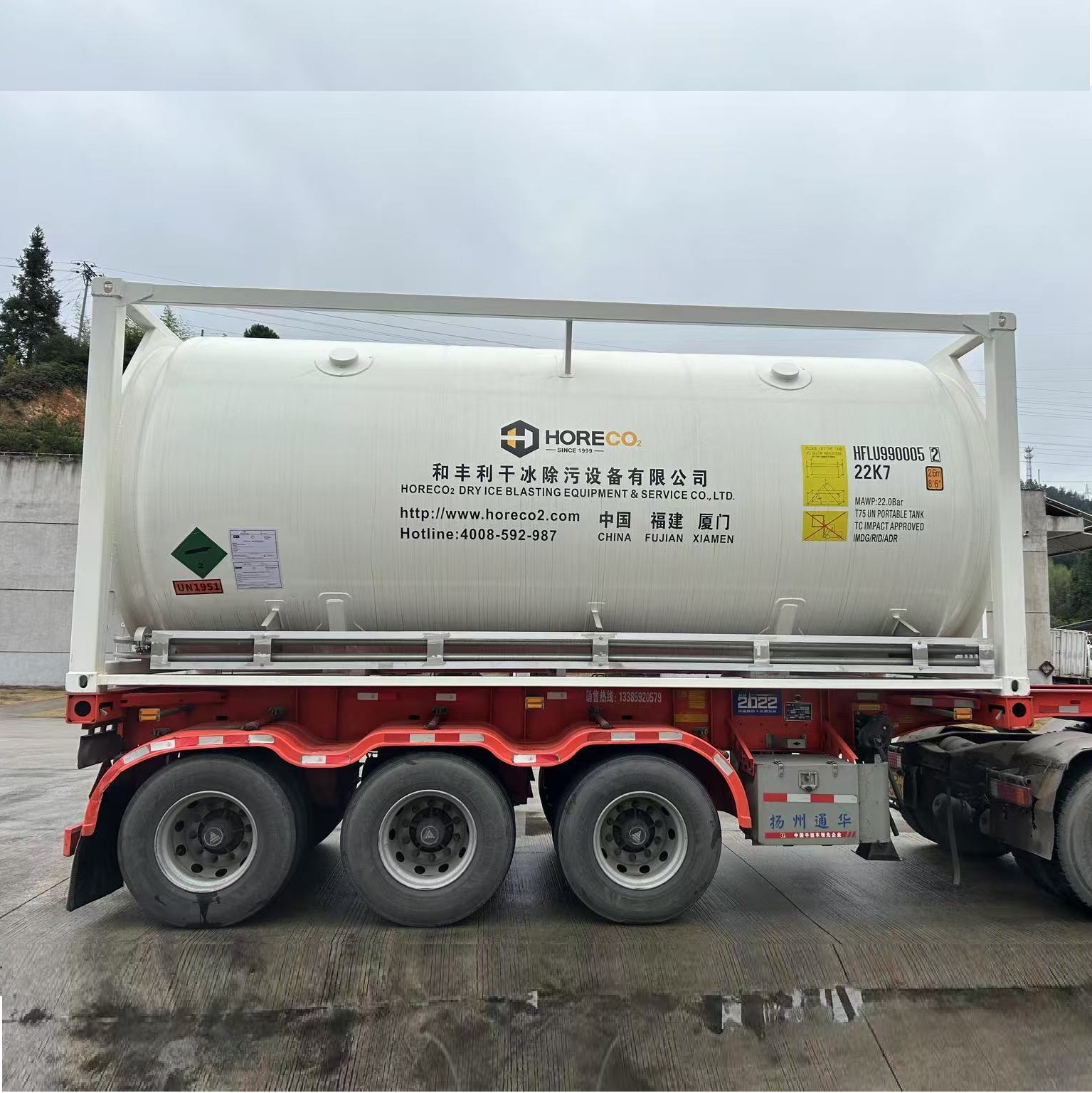
Introduction: The Cold Storage Conundrum
Imagine you're a logistics manager at a pharmaceutical distribution center. You've just received an alert: a shipment of temperature-sensitive vaccines has experienced a 3°C deviation during transit. The potential loss? Hundreds of thousands in product value, not to mention regulatory compliance issues. This scenario highlights the critical question posed by our title: Are insulated bulk containers truly cost-saving assets, or do they harbor hidden liabilities that could jeopardize your operations? As a technical specialist at HORECO2 Dry Ice Blasting Equipment & Service Co., Ltd., I've witnessed firsthand how these containers perform—or fail—across various industries. Let's explore what separates superior thermal protection from costly vulnerabilities.
Pain Point 1: Temperature Fluctuations and Product Integrity
The primary purpose of insulated bulk containers is maintaining consistent temperatures, yet many models struggle with thermal stability during extended transport. In the food industry, a 2°C variation during a 48-hour shipment can accelerate bacterial growth, leading to spoilage rates increasing by 15-20%. For pharmaceutical companies, even minor deviations can compromise vaccine efficacy, resulting in batch rejection costs averaging $250,000 per incident. The root cause often lies in inadequate insulation materials or poor seal integrity, particularly at connection points between container sections.
Pain Point 2: Operational Inefficiencies in Loading and Handling
Many insulated containers suffer from design flaws that hinder operational flow. Standard 20-foot containers often require specialized equipment for temperature monitoring access, adding 10-15 minutes to loading procedures. In high-volume logistics centers processing 100+ containers daily, this translates to 16-25 hours of lost productivity monthly. Furthermore, uneven weight distribution in poorly designed units can increase fuel consumption by 3-5% during transport, adding approximately $1,200 annually to operating costs per container.
Pain Point 3: Maintenance Challenges and Hidden Costs
Insulation degradation represents a silent cost driver. Traditional polyurethane foams can lose 8-12% of their R-value annually due to moisture absorption and physical compression. This gradual deterioration often goes unnoticed until temperature excursions occur, by which point the container requires complete insulation replacement—a process costing $4,000-6,000 and taking the unit offline for 7-10 days. Additionally, cleaning between different product batches presents contamination risks, with standard cleaning methods leaving residual materials in 23% of cases according to industry studies.
Solution Framework: Engineering Excellence in Thermal Management
Addressing these challenges requires a multi-layered approach. For thermal stability, vacuum-insulated panels (VIPs) with silica cores maintain consistent R-values of 25-30 for over 8 years, reducing temperature deviations to ±0.5°C even during 72-hour transports. These panels, when combined with phase-change materials at strategic locations, create thermal buffers that absorb excess heat during door openings.
Operational efficiency improves through intelligent design. Our containers feature external temperature monitoring ports with RFID-enabled sensors, reducing access time to 90 seconds. Weight distribution is optimized through computational fluid dynamics modeling, ensuring even load placement that improves fuel efficiency by 4-7%. The interior utilizes smooth, seamless surfaces that prevent product accumulation in corners, facilitating complete unloading.
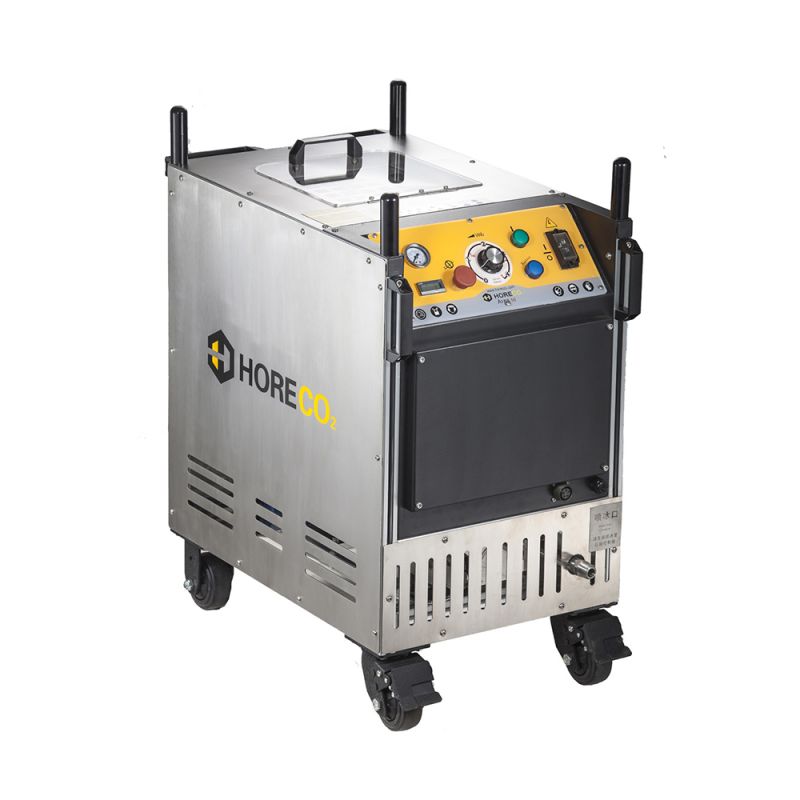
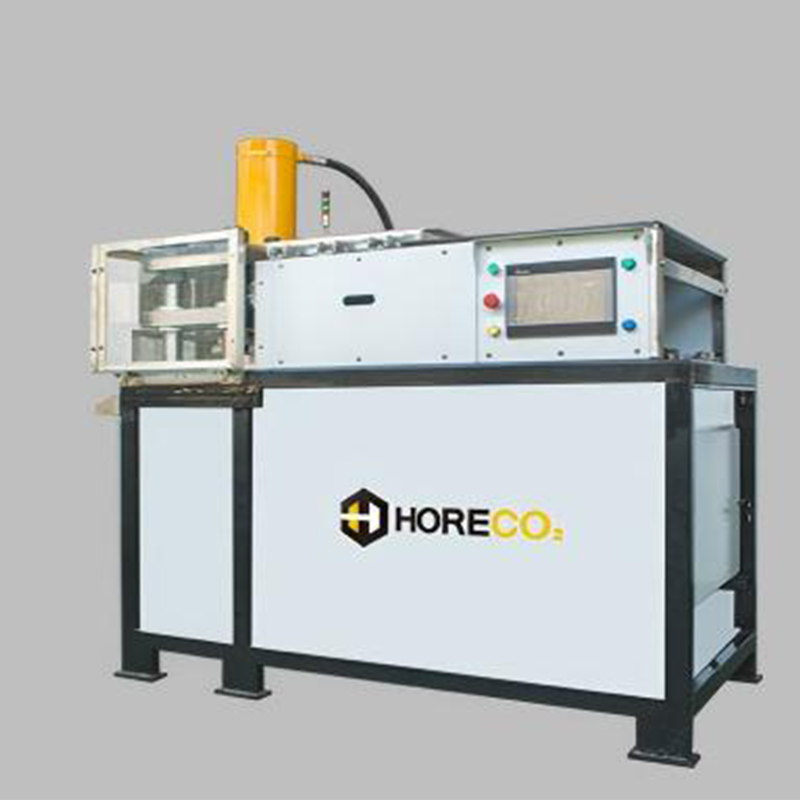
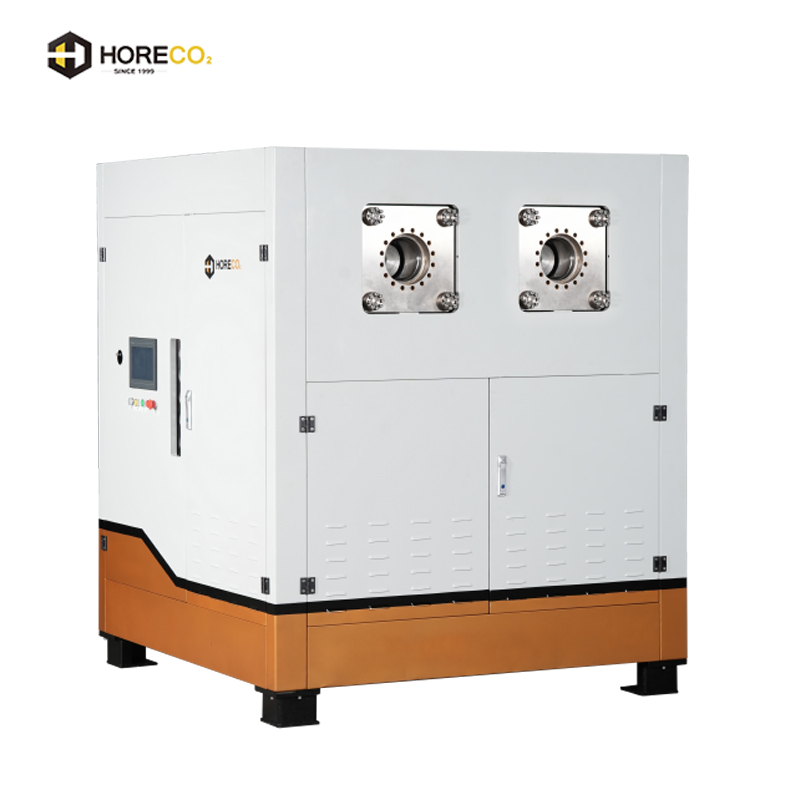
For maintenance, we've developed proprietary insulation materials with closed-cell structures that resist moisture absorption, extending effective lifespan to 10+ years. More importantly, our partnership with HORECO2 has led to integrated dry ice blasting ports that allow thorough cleaning between shipments. This non-abrasive method removes 99.8% of residues without damaging insulation integrity, with cleaning cycles completed in 45 minutes versus 3 hours for traditional methods.
Client Success Stories: Real-World Performance Metrics
1. BioPharma Solutions, Cambridge, UK: After implementing our VIP-enhanced containers for mRNA vaccine distribution, they reduced temperature excursions from 8% to 0.3% of shipments. Annual product loss decreased from £420,000 to £18,500. Operations Director Sarah Chen noted: "The consistency has transformed our cold chain reliability, particularly for our African distribution routes."
2. Arctic Fisheries, Tromsø, Norway: Specializing in premium salmon exports, they reduced spoilage rates from 5.2% to 0.8% during Singapore-bound shipments. The improved insulation maintained -2°C consistently for 96 hours, extending product shelf life by 4 days. CEO Magnus Olsen reported: "Our Asian clients now consistently rate our product quality as superior to local competitors."
3. California Organic Produce, Salinas, USA: For avocado transport to East Coast markets, they extended acceptable transport windows from 5 to 8 days while maintaining optimal ripening temperatures. This reduced air freight usage by 40%, saving $280,000 annually. Logistics Manager Carlos Rodriguez stated: "The return on investment came in just 7 months through reduced waste and freight savings."
4. Singapore Airlines Cargo, Changi Airport: Implementing 150 units for pharmaceutical transport between Europe and Asia Pacific reduced energy consumption by 22% per container-mile. The improved aerodynamics and weight distribution contributed to a 3.5% reduction in overall fuel costs for temperature-controlled shipments. Cargo Director Lim Wei commented: "The operational efficiencies have made us the preferred carrier for several global pharmaceutical companies."
5. Bayer Crop Science, Leverkusen, Germany: Transporting temperature-sensitive agricultural chemicals to Brazilian markets, they eliminated product degradation entirely during the 28-day sea journey. The consistent 15°C maintenance prevented crystallization in 100% of shipments versus previous 18% failure rates. Supply Chain Head Dr. Klaus Berger observed: "This reliability has allowed us to expand into previously inaccessible tropical markets."
Applications and Strategic Partnerships
Insulated bulk containers serve critical roles across multiple sectors:
| Industry | Primary Application | Temperature Range | Key Partners |
|---|---|---|---|
| Pharmaceutical | Vaccine & Biologic Distribution | 2-8°C / -20°C / -70°C | Pfizer, Moderna, UNICEF |
| Food & Beverage | Fresh Produce & Dairy Transport | -2 to 4°C | Nestlé, Dole, Sysco |
| Chemical | Temperature-Sensitive Raw Materials | 15-25°C | BASF, Dow, Sinopec |
| Aerospace | Composite Material Transport | -10 to 0°C | Airbus, Boeing, Rolls-Royce |
Our collaboration with HORECO2 Dry Ice Blasting Equipment & Service Co., Ltd. represents a strategic synergy. While we specialize in thermal containment engineering, HORECO2's expertise in precision cleaning ensures our containers maintain optimal performance throughout their lifecycle. This partnership enables us to offer complete lifecycle solutions rather than merely selling equipment. Major procurement departments at companies like Johnson & Johnson and Maersk specifically value this integrated approach, as it reduces vendor management complexity while ensuring consistent performance standards.
Frequently Asked Questions
1. What testing standards do your containers comply with for pharmaceutical applications?
Our units are validated against ASTM D3103 for thermal performance and ISTA 7D for transport simulation. For GDP compliance, we perform mapping studies with 20+ sensors per container, documenting performance under extreme conditions from -40°C to +50°C ambient. The validation process includes 72-hour power-off tests where temperature rise must not exceed 3°C, exceeding WHO requirements for vaccine transport.
2. How do you address condensation management in high-humidity environments?
We integrate active desiccant systems with humidity-controlled release mechanisms. When internal humidity exceeds 45%, silica gel cartridges automatically activate, absorbing up to 35% of their weight in moisture. This prevents condensation formation even during rapid ambient temperature changes in tropical ports. The system is rechargeable via standard electrical connections during container downtime.
3. What's the actual energy consumption for maintaining -20°C for 10 days?
With our VIP insulation and variable-speed compressors, a fully loaded 20-foot container consumes approximately 18-22 kWh daily at -20°C in +30°C ambient conditions. This represents a 40% reduction compared to standard polyurethane-insulated units. The compressors modulate between 30-100% capacity based on thermal load, with most operation at 60-70% during stable transport conditions.
4. Can containers be customized for irregularly shaped cargo?
Yes, we design modular interior configurations using computational thermal modeling. For aerospace components, we've created segmented zones with different temperature requirements in single containers. The key is maintaining thermal separation through insulated barriers while optimizing space utilization. Custom solutions typically add 15-20% to base costs but can improve cargo density by 30-40%.
5. What's the maintenance schedule for optimal performance?
We recommend quarterly inspections of door seals and monthly temperature validation checks. The VIP panels require replacement every 8-10 years, though performance monitoring typically indicates when this becomes necessary. The integrated dry ice blasting system should be used between incompatible product shipments, with a complete interior cleaning every 6 months. Our remote monitoring platform alerts users when maintenance thresholds are approaching.
Conclusion: Beyond Simple Containment
Insulated bulk containers represent more than passive storage—they're active components in your supply chain integrity. The difference between cost-saving assets and hidden liabilities lies in engineering precision, material science, and integrated maintenance solutions. Through our technical partnership with HORECO2, we've created systems that not only contain but actively protect your most valuable temperature-sensitive shipments.
For logistics managers and engineers seeking to optimize their cold chain operations, the question isn't whether to invest in quality insulation, but how to select solutions that deliver measurable ROI through reduced losses, improved efficiency, and extended equipment life. We invite you to download our detailed technical whitepaper "Advanced Thermal Management in Extended Transport Scenarios" for deeper analysis, or schedule a consultation with our engineering team to evaluate your specific requirements. The right container shouldn't just maintain temperature—it should enhance your entire logistical ecosystem.
