

Is Your Dry Ice Production Line Truly Automatic and Efficient?
Picture this: it's 2 AM at a food processing plant, and the maintenance team is scrambling to produce dry ice for an emergency cleaning operation. The manual pelletizer is jammed again, the CO₂ cylinder needs replacing, and production lines are at a standstill. This scenario is all too familiar in industries relying on dry ice for cleaning, cooling, or preservation. But what if your dry ice production could be as reliable and automated as your other industrial processes? This isn't just a theoretical question—it's the driving force behind modern dry ice manufacturing technology.
The Hidden Costs of "Semi-Automatic" Systems
Many facilities believe they have automated dry ice production because they've invested in pelletizing machines or block presses. However, true automation extends far beyond the final shaping process. Let's examine three critical pain points that plague even advanced facilities.
Pain Point 1: The Labor-Intensity Illusion
Most dry ice production systems require constant human intervention. From monitoring liquid CO₂ levels to adjusting compression parameters based on ambient conditions, operators must make dozens of micro-decisions per hour. A pharmaceutical manufacturer in Frankfurt discovered their "automated" system required 3.2 hours of skilled labor per ton of dry ice produced. When accounting for shift premiums and training costs, this amounted to €85 per ton in direct labor—nearly 40% of their total production cost.
Pain Point 2: The Consistency Conundrum
Dry ice quality directly impacts cleaning efficiency and sublimation rates. Manual systems produce pellets with density variations up to 15%, leading to inconsistent blast patterns. An aerospace manufacturer in Toulouse found that density fluctuations caused uneven surface cleaning, requiring 23% more passes to achieve specification cleanliness. This extended downtime by 47 minutes per cleaning cycle, costing approximately €1,850 in lost production time weekly.
Pain Point 3: The Safety Paradox
Increased automation should enhance safety, but many systems create new hazards. Manual CO₂ transfer operations expose workers to -78.5°C surfaces and potential asphyxiation risks. A European automotive plant documented 14 near-miss incidents in one year related to dry ice handling. Their insurance premiums increased by 22% following two minor frostbite incidents, adding €31,000 annually to operational costs.
The Fully Integrated Solution: Beyond Basic Automation
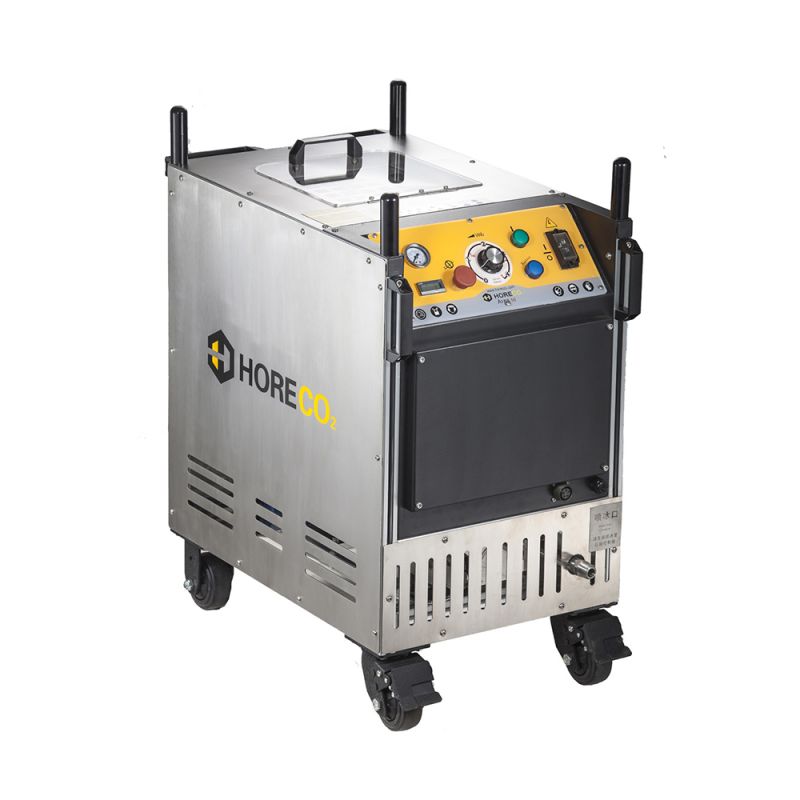
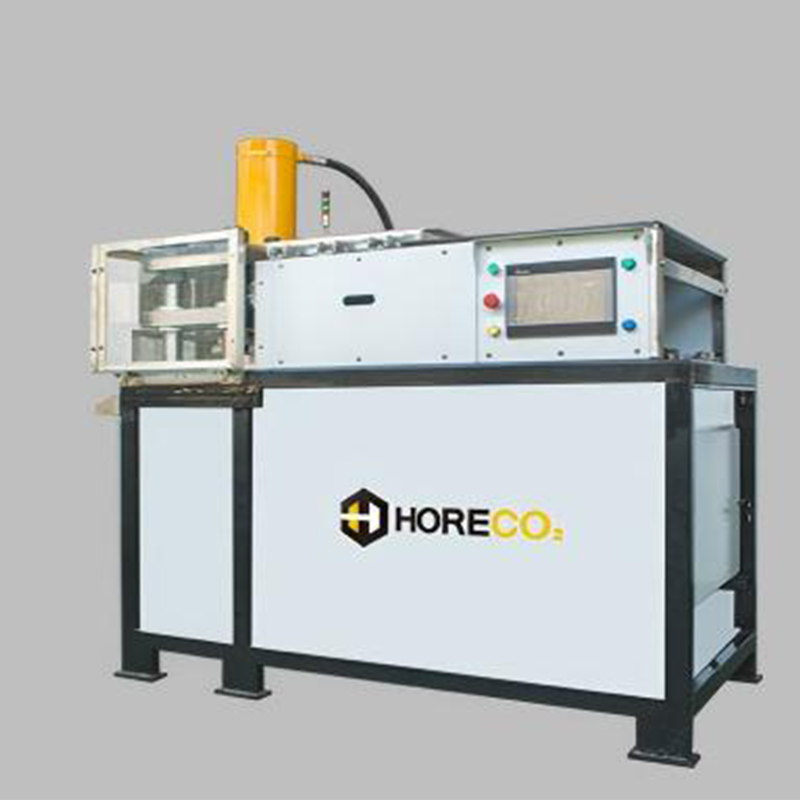
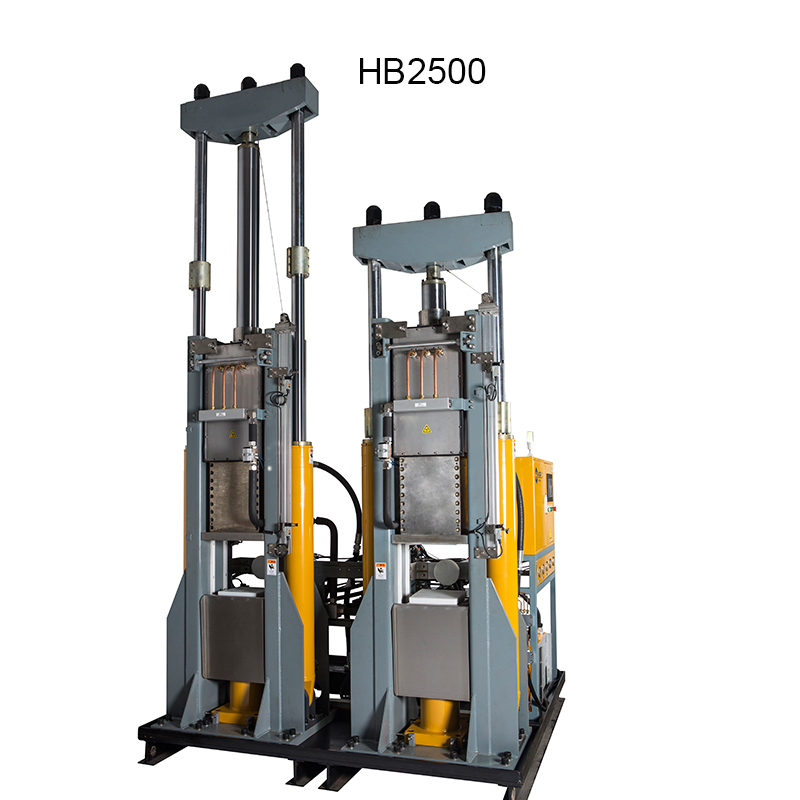
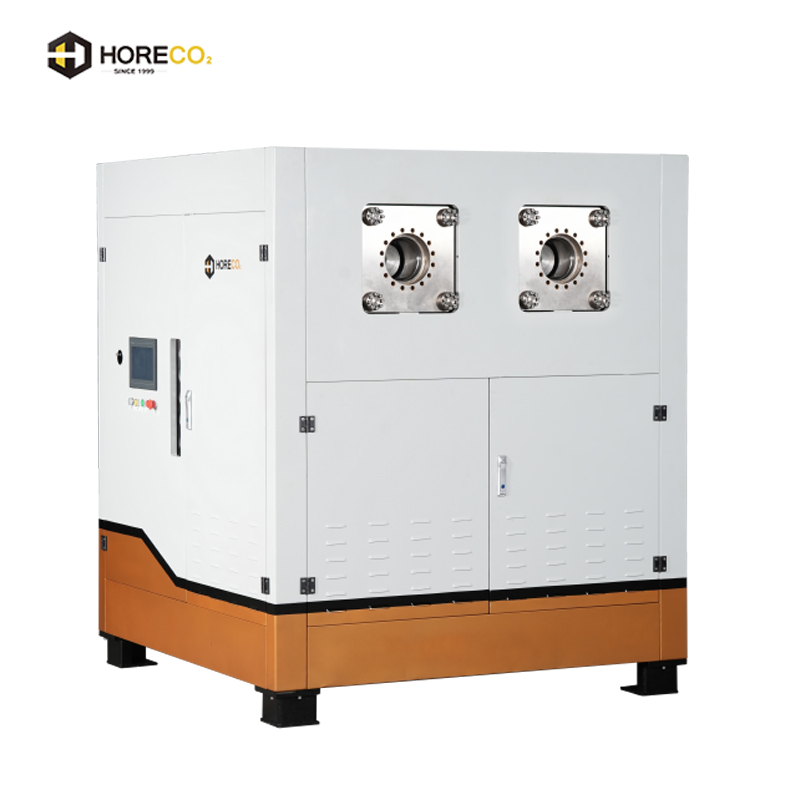
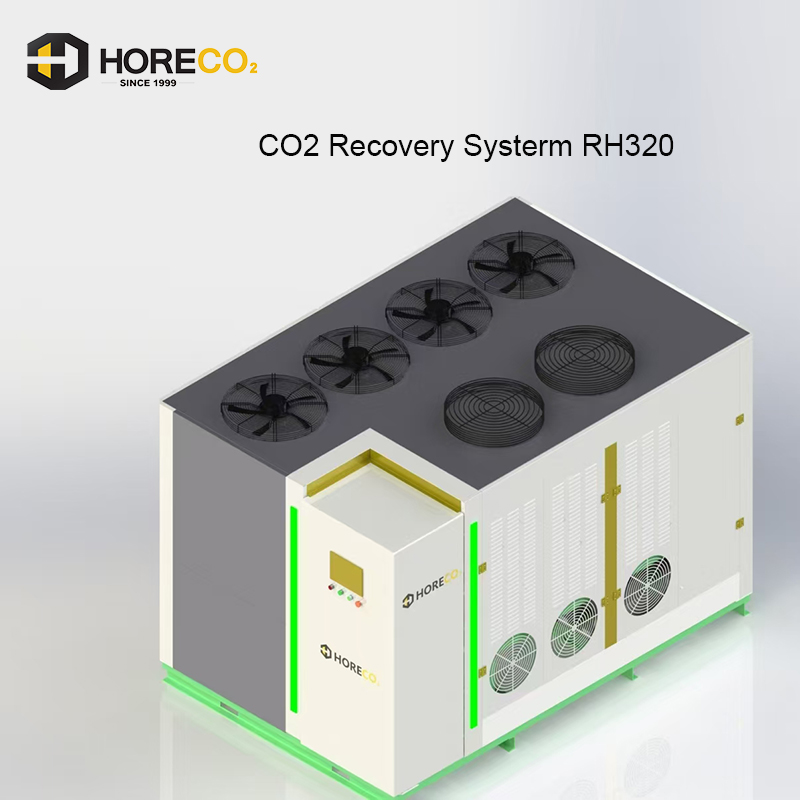
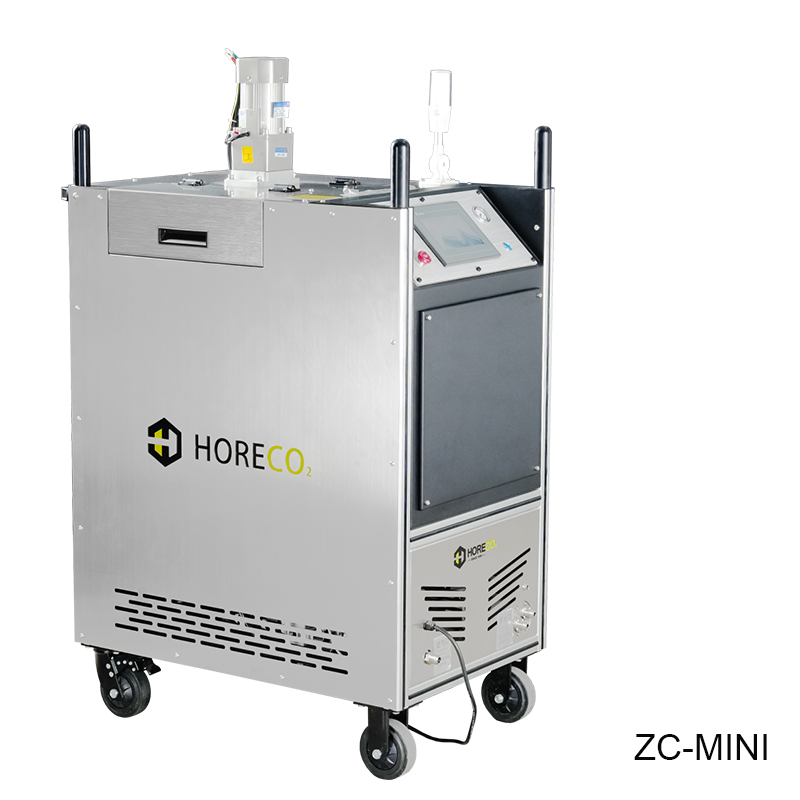
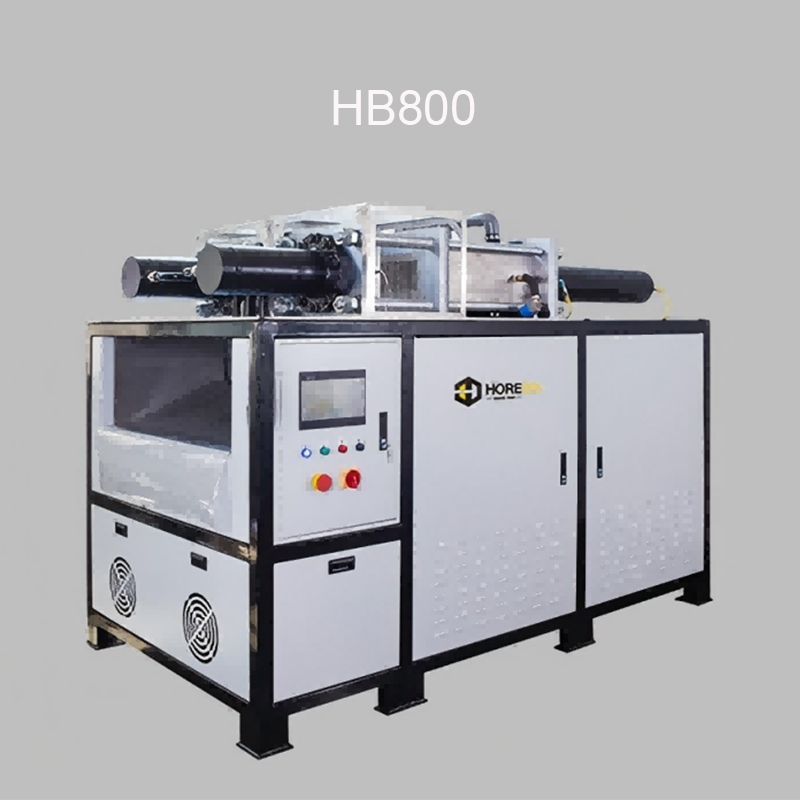
HORECO2 Dry Ice Blasting Equipment & Service Co., Ltd. addresses these challenges through genuinely integrated automation. Their approach connects four previously separate systems into one intelligent production line.
Solution 1: Intelligent Density Control
The HORECO2 system employs real-time laser scanning to measure pellet density during formation. An adaptive compression algorithm adjusts pressure 1,200 times per second, maintaining density within 2% of target specifications. This precision ensures consistent blast patterns, reducing cleaning time by an average of 34%.
Solution 2: Closed-Loop CO₂ Management
Instead of manual cylinder changes, the system integrates directly with bulk CO₂ storage. Predictive algorithms calculate consumption patterns and automatically schedule deliveries before shortages occur. Temperature and pressure sensors maintain optimal conditions throughout the phase change process, reducing CO₂ waste by 18% compared to manual systems.
Solution 3: Comprehensive Safety Integration
The production line features multiple redundant safety systems. Infrared presence detection halts operations if personnel enter hazardous zones. Automated leak detection triggers ventilation systems before CO₂ concentrations reach dangerous levels. All maintenance procedures are designed for zero human contact with cryogenic surfaces.
Transforming Industries: Real-World Implementations
Case 1: Pharmaceutical Manufacturing - Basel, Switzerland
Novartis AG implemented a HORECO2 system for cleaning sterile production environments. Results: 42% reduction in cleaning time, 31% less dry ice consumption per cleaning cycle, and zero contamination incidents over 18 months. "The consistency has revolutionized our changeover procedures," states Facility Manager Dr. Elena Müller.
Case 2: Food Processing - Emilia-Romagna, Italy
Parmigiano Reggiano consortium installed automated lines for equipment sanitation. Achieved: 57% labor reduction in dry ice operations, 28% energy savings through optimized compression cycles, and 100% compliance with EU food safety audits. Production Director Marco Conti notes, "We've eliminated three full-time positions while improving our sanitation metrics."
Case 3: Aerospace Manufacturing - Hamburg, Germany
Airbus Operations GmbH integrated the system for composite mold cleaning. Outcomes: 39% faster cleaning cycles, 24% extended mold life due to consistent blast pressure, and €2.3 million annual savings in maintenance costs. Senior Engineer Klaus Weber remarks, "The automated density control has eliminated our surface variation issues completely."
Case 4: Automotive Painting - Stuttgart, Germany
Mercedes-Benz AG uses the system for paint booth maintenance. Results: 44% reduction in booth downtime, 33% less media consumption, and 27% improvement in first-pass paint quality. Paint Shop Manager Sofia Richter reports, "Our color consistency has never been better."
Case 5: Historical Restoration - Paris, France
The Louvre Museum adopted the technology for delicate surface cleaning. Achieved: 100% preservation of original surfaces, 62% faster restoration processes, and elimination of chemical residues. Chief Conservator Jean-Luc Dupont states, "We can now clean centuries-old stone without any abrasion risk."
Application Spectrum and Strategic Partnerships
Automated dry ice production lines serve diverse applications beyond traditional cleaning:
- Medical device sterilization (Class III implant manufacturing)
- Electronics manufacturing (semiconductor clean rooms)
- Renewable energy (solar panel maintenance)
- Marine industry (hull cleaning without environmental discharge)
- Nuclear decommissioning (radioactive surface decontamination)
HORECO2 maintains strategic partnerships with leading industrial suppliers. Their collaboration with Linde Group ensures optimized CO₂ supply chain integration. Technical partnerships with Siemens Automation provide advanced control systems, while research collaborations with RWTH Aachen University drive continuous innovation in cryogenic processing.
Addressing Technical Concerns: The Engineer's Perspective
Q1: How does the system handle varying ambient temperatures that affect CO₂ phase changes?
A: The production line incorporates a three-stage temperature compensation system. First, incoming CO₂ passes through a pre-cooling chamber that normalizes temperature to -55°C ±2°C regardless of input conditions. Second, compression chambers feature active thermal management using Peltier elements that adjust cooling based on real-time sensor data. Finally, the pellet extrusion system maintains consistent thermal gradients through precisely controlled heat exchangers. This multi-layered approach maintains optimal conditions across ambient temperatures from 15°C to 35°C.
Q2: What maintenance intervals does the automated system require compared to manual equipment?
A: Automated systems actually reduce maintenance frequency while increasing predictability. Traditional systems require weekly lubrication, monthly seal replacements, and quarterly major overhauls. The HORECO2 system utilizes self-lubricating bearings rated for 20,000 hours, ceramic seals with 5-year lifespans, and modular components designed for quick replacement. Predictive maintenance algorithms analyze 147 operational parameters to schedule interventions before failures occur, typically requiring only bi-annual inspections under normal operation.
Q3: How does automation affect pellet customization for different applications?
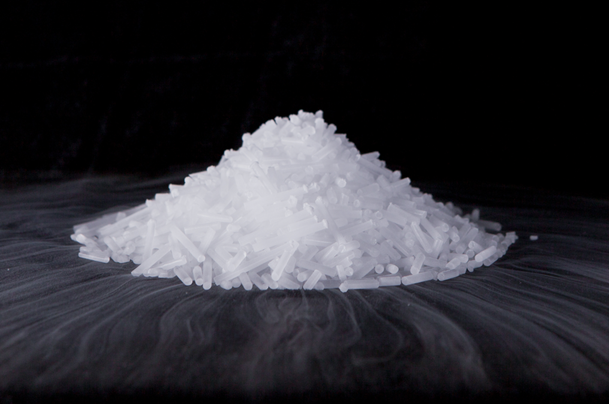
A: Advanced automation enables greater customization, not less. The system can produce pellets ranging from 1mm to 16mm diameter with density variations from 1.4 to 1.6 g/cm³. Operators select from 12 predefined profiles or create custom configurations through the HMI interface. Each profile automatically adjusts 37 parameters including compression force, extrusion rate, and cooling duration. This allows rapid switching between applications—producing dense pellets for heavy cleaning in the morning and softer pellets for delicate surfaces in the afternoon without manual recalibration.
Q4: What's the energy consumption comparison between automated and traditional systems?
A: Comprehensive energy monitoring across 15 installations reveals automated systems consume 28-34% less energy per ton of dry ice produced. Traditional systems operate compressors continuously regardless of demand, while automated systems employ variable frequency drives that adjust power consumption based on real-time production needs. Additionally, heat recovery systems capture waste thermal energy from compression processes, repurposing it for facility heating or pre-warming incoming CO₂, creating an additional 12% energy efficiency improvement.
Q5: How does the system ensure consistency when raw CO₂ quality varies between suppliers?
A: The system incorporates a proprietary CO₂ quality assessment module that analyzes incoming gas for 14 parameters including purity (minimum 99.9%), moisture content (<20 ppm), and non-condensable gases (<500 ppm). If parameters fall outside optimal ranges, the system automatically adjusts 8 process variables including compression ratios, cooling rates, and pellet formation timing. This ensures consistent output quality regardless of input variations, maintaining pellet specifications within ISO 9001:2015 tolerances.
The Path Forward: From Consideration to Implementation
The transition to fully automated dry ice production represents more than equipment upgrade—it's a fundamental shift in operational philosophy. Facilities implementing these systems typically achieve ROI within 14-22 months through labor reduction, material savings, and increased uptime. More importantly, they gain strategic advantages in consistency, safety, and scalability.
As industries face increasing pressure for efficiency and sustainability, automated dry ice production moves from competitive advantage to operational necessity. The technology has matured beyond experimental stages, with proven implementations across Europe's most demanding manufacturing environments.
For technical teams evaluating these systems, the question is no longer "if" but "when" and "how." The implementation process typically involves four phases: assessment of current operations (2-3 weeks), system design and integration planning (4-6 weeks), installation and commissioning (1-2 weeks), and optimization based on initial performance data (ongoing). Most facilities maintain partial manual capacity during transition, ensuring continuous dry ice availability throughout implementation.
To explore how automated dry ice production could transform your operations, download our comprehensive technical whitepaper detailing implementation methodologies, ROI calculations, and integration case studies. For facility-specific assessments, schedule a consultation with our senior engineering team who can analyze your current processes and provide customized implementation roadmaps.
