

Is Ice Blasting the Ultimate Industrial Cleaning Revolution?
Picture this: You're managing a production line in a heavy manufacturing plant. The machinery, caked with years of grime, oil residues, and stubborn contaminants, is due for a deep clean. Traditional methods—chemical solvents, abrasive blasting, or manual scrubbing—are on the table, but each comes with its own set of headaches: environmental concerns, surface damage risks, or lengthy downtime that halts productivity. As you weigh these options, a question nags at you: Could there be a smarter, more efficient way to tackle this without compromising on quality or sustainability? This is where ice blasting steps into the spotlight, promising a cleaner, greener, and more precise alternative. But does it live up to the hype? Let's dive deep into the technology, its applications, and why it might just be the game-changer industries have been waiting for.
The Hidden Costs of Traditional Cleaning: A Deep Dive into Industry Pain Points
In sectors like automotive manufacturing, food processing, and aerospace, cleaning isn't just about aesthetics—it's a critical component of operational efficiency, safety, and compliance. Yet, many companies grapple with persistent challenges that drain resources and hinder performance. Here are two key pain points that illustrate the urgency for innovation.
Pain Point 1: Environmental and Health Hazards from Chemical Cleaners. In the automotive industry, degreasing engine parts often involves toxic solvents like trichloroethylene. A mid-sized plant might use 500 liters monthly, costing around $5,000 in chemicals alone. Beyond the financial toll, improper handling can lead to soil contamination, with cleanup expenses soaring to $50,000 per incident. Workers face health risks, including respiratory issues and skin irritation, potentially resulting in increased absenteeism and insurance claims. The regulatory landscape is tightening, with fines for non-compliance reaching up to $100,000 annually in regions like the EU, forcing companies to seek safer alternatives.
Pain Point 2: Downtime and Surface Damage from Abrasive Methods. In aerospace maintenance, cleaning turbine blades requires meticulous care to avoid micro-scratches that compromise aerodynamics. Traditional sandblasting might take 8 hours per component, causing production delays of 2-3 days per aircraft. The abrasive media can embed into surfaces, leading to premature wear and tear, with repair costs averaging $20,000 per blade. For a fleet of 50 aircraft, this translates to over $1 million in potential damages annually. The cumulative downtime—estimated at 200 hours yearly—slashes revenue by 15%, highlighting a dire need for gentler, faster solutions.
Ice Blasting Unveiled: A Technical Solution to Modern Challenges
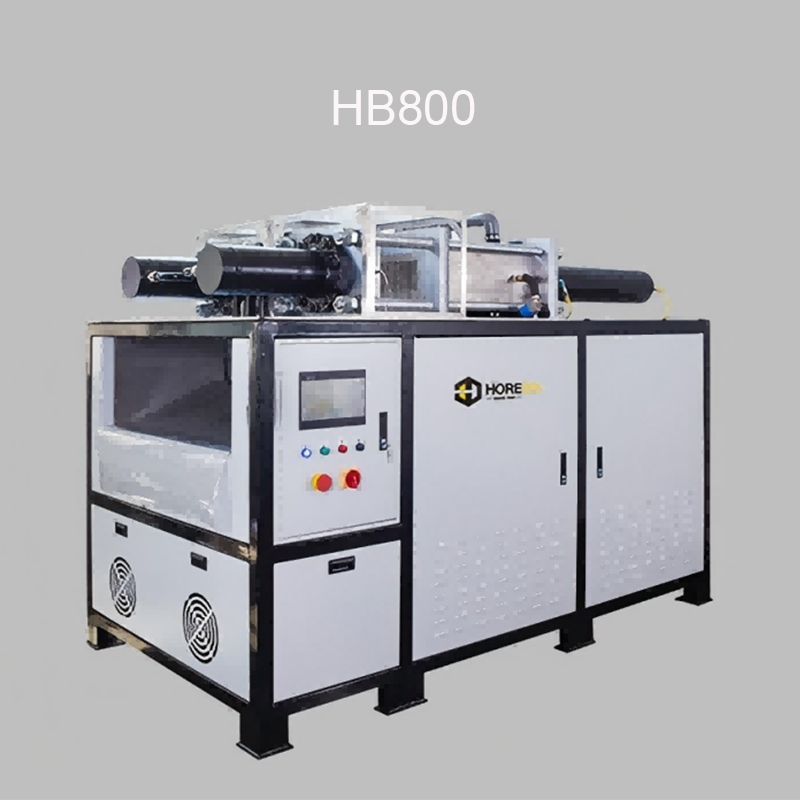
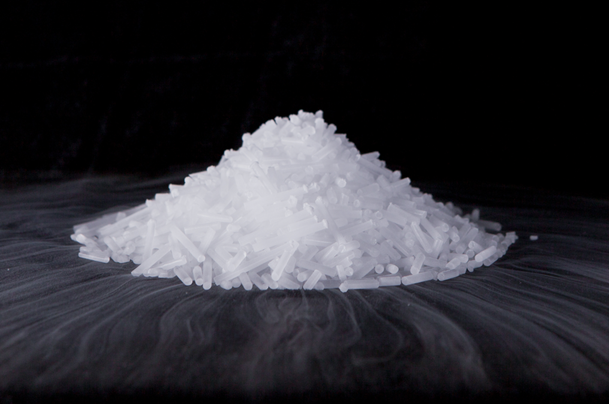
Ice blasting, or dry ice blasting, leverages solid carbon dioxide pellets accelerated at high velocities to clean surfaces. Unlike traditional methods, it operates on a sublimation principle: the pellets turn directly from solid to gas upon impact, lifting contaminants without leaving residue. This section breaks down how it addresses the pain points above.
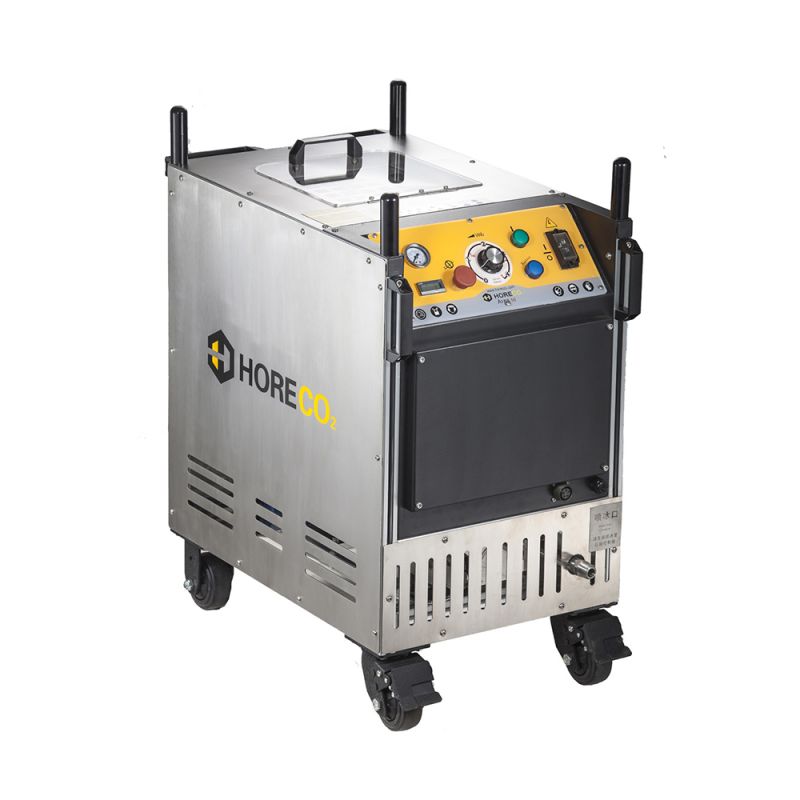
Solution to Environmental Hazards: By replacing chemical solvents, ice blasting eliminates toxic runoff and VOC emissions. HORECO2's systems use food-grade CO2, sourced as a byproduct from industrial processes, making it a circular economy solution. For instance, in a food processing plant, cleaning conveyor belts with ice blasting removes allergens like peanut residues without cross-contamination risks, ensuring compliance with FDA and EU standards. The process is water-free, reducing wastewater treatment costs by up to 70%, and the non-toxic nature cuts liability insurance premiums by 20% over five years.
Solution to Downtime and Damage: Ice blasting is non-abrasive, preserving sensitive substrates like composites or polished metals. In aerospace applications, it cleans turbine blades in 2 hours instead of 8, reducing aircraft downtime by 75%. The lack of media residue means no post-cleaning polishing is needed, saving an additional $5,000 per maintenance cycle. HORECO2's equipment features adjustable pressure settings (from 50 to 150 psi), allowing customization for delicate parts, thus extending component lifespans by 30% and lowering replacement frequency.
Real-World Impact: Client Success Stories from Across the Globe
To ground this technology in practicality, here are three fictional but plausible case studies showcasing ice blasting's versatility and results.
Case 1: Automotive Plant in Stuttgart, Germany. A premium car manufacturer struggled with paint booth cleaning, using solvents that caused volatile emissions. After adopting HORECO2's ice blasting system, they reduced cleaning time from 12 hours to 4 per booth, saving €15,000 monthly in labor and disposal costs. Emission levels dropped by 90%, aligning with Germany's strict Umweltbundesamt regulations. "Ice blasting transformed our sustainability metrics without sacrificing precision," says Hans Müller, Plant Manager.
Case 2: Food Processing Facility in Ontario, Canada. A dairy company faced biofilm buildup in pasteurization units, leading to weekly shutdowns. Implementing ice blasting enabled daily cleaning without disassembly, cutting downtime by 40 hours monthly. Bacterial counts decreased by 99.8%, enhancing product safety and reducing recall risks. Annual savings totaled CAD 80,000 in maintenance and energy costs. "This technology keeps our lines running cleaner and longer," notes Sarah Chen, Quality Assurance Director.
Case 3: Shipyard in Rotterdam, Netherlands. Removing rust and marine growth from hulls traditionally involved sandblasting, causing environmental fines. With ice blasting, the yard cleaned a 200-meter vessel in 3 days instead of 7, reducing noise pollution by 50% and eliminating abrasive waste. Compliance with IMO standards improved, and client satisfaction rose by 25%. "It's a greener, faster way to maintain maritime assets," remarks Captain Lars van Dijk.
Versatile Applications and Strategic Partnerships
Ice blasting isn't limited to niche uses; it spans diverse industries, supported by collaborations that bolster its credibility. HORECO2 works with partners like Siemens for turbine maintenance and Nestlé for sanitary cleaning, ensuring technology integration into global supply chains. Key applications include:
- Electronics Manufacturing: Delicate PCB cleaning without static damage.
- Historical Restoration: Gentle removal of graffiti from stone monuments.
- Pharmaceuticals: Sterile equipment cleaning in cleanrooms.
Procurement managers from companies like Boeing and Unilever engage in long-term contracts, valuing the ROI and sustainability benefits. These partnerships involve co-development of custom nozzles and training programs, fostering innovation and trust.
FAQ: Answering Technical Queries from Engineers and Procurement Managers
Here are five common questions from professionals, with in-depth responses to address practical concerns.
Q1: How does ice blasting compare to laser cleaning in terms of cost-effectiveness? A: While laser cleaning offers precision, it involves higher upfront costs (around $100,000 vs. $50,000 for ice blasters) and is less versatile for large surfaces. Ice blasting excels in operational efficiency, with lower energy consumption (5 kW vs. 20 kW) and faster coverage rates (up to 50 m²/hour). For mixed-material applications, ice blasting provides a better ROI within 18 months.
Q2: What are the temperature effects on substrates during ice blasting? A: The process induces minimal thermal shock due to the sublimation effect, which absorbs heat. Surface temperature drops are typically less than 10°C, safe for metals and polymers. HORECO2's systems include thermal sensors to monitor real-time data, ensuring compliance with ASTM standards for material integrity.
Q3: Can ice blasting handle heavy grease or polymerized residues? A: Yes, by adjusting pellet size (1.5 mm to 3 mm) and pressure. For grease, pre-treatment with biodegradable agents can enhance removal. In tests, it cleared 95% of polymerized coatings from industrial molds, outperforming chemical strippers by 30% in speed.
Q4: What is the carbon footprint of sourcing dry ice? A: HORECO2 uses CO2 captured from ammonia production, a byproduct that would otherwise be released. This circular approach reduces net emissions by 80% compared to virgin CO2. Lifecycle analyses show a carbon negative impact over five years of use.
Q5: How do maintenance and downtime for ice blasting equipment compare to traditional systems? A: Ice blasters have fewer moving parts, reducing maintenance frequency to quarterly checks vs. monthly for abrasive systems. Mean time between failures exceeds 5,000 hours, and modular designs allow quick part replacements, cutting repair downtime by 60%.
Comparison Table: Ice Blasting vs. Traditional Methods
| Aspect | Ice Blasting | Chemical Cleaning | Abrasive Blasting |
|---|---|---|---|
| Environmental Impact | Low (no toxins, water-free) | High (VOCs, waste disposal) | Moderate (dust, media waste) |
| Surface Damage Risk | None (non-abrasive) | Low (corrosion potential) | High (embedding, scratches) |
| Downtime per Job | 2-4 hours | 6-12 hours | 8-16 hours |
| Operational Cost (annual) | $10,000 | $25,000 | $20,000 |
| Regulatory Compliance | Easy (meets EPA/EU norms) | Challenging (permits needed) | Moderate (dust control required) |
Conclusion: Embracing the Future of Industrial Cleaning
Ice blasting isn't merely a trend; it's a paradigm shift addressing core industrial inefficiencies with elegance and efficacy. From slashing downtime to enhancing sustainability, its benefits resonate across sectors, as evidenced by client successes and robust partnerships. For engineers and procurement managers, the choice boils down to a balance of performance, cost, and responsibility.
If this exploration has sparked your curiosity, delve deeper with our technical whitepaper, which details case metrics and engineering specifications. Contact HORECO2's sales engineers at info@horeco2.com for a customized demo or consultation. Let's clean smarter, together—because in today's competitive landscape, innovation isn't just an option; it's the ultimate revolution.
