

Introduction: The Chilling Question
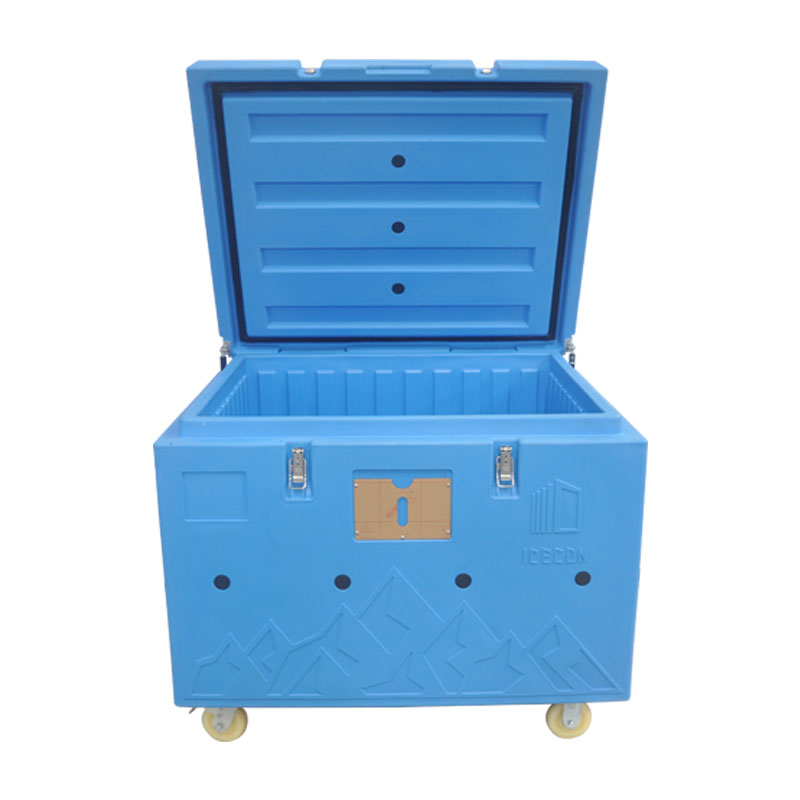
Have you ever watched a team spend hours scrubbing away grime with harsh chemicals, only to face safety hazards and regulatory headaches? In industries from aerospace to food processing, the quest for efficient, eco-friendly cleaning has led many to ask: Is your dry ice bucket really a cold revolution? Today, we delve into how this technology is transforming maintenance protocols, moving beyond buzzwords to tangible benefits that save time, money, and the planet.
Deepening the Pain Points
1. Chemical Waste and Environmental Impact: Traditional methods often rely on solvents and detergents, producing toxic runoff that contaminates soil and water. In the automotive sector, for instance, degreasing engines can generate liters of hazardous waste per day, leading to disposal costs averaging $200-500 monthly and potential fines for non-compliance with regulations like EPA standards.
2. Labor-Intensive Manual Cleaning: Manual scrubbing not only strains workers but also increases downtime. In manufacturing plants, cleaning production lines might require 4-6 hours of labor, causing a 10-15% loss in operational efficiency. The physical toll often results in higher injury rates and increased insurance premiums.
3. Surface Damage and Corrosion Risks: Abrasive methods can erode delicate surfaces. For example, in the semiconductor industry, improper cleaning of circuit boards can lead to micro-scratches, reducing yield by up to 5% and incurring replacement costs of thousands of dollars per batch.
Professional Solutions
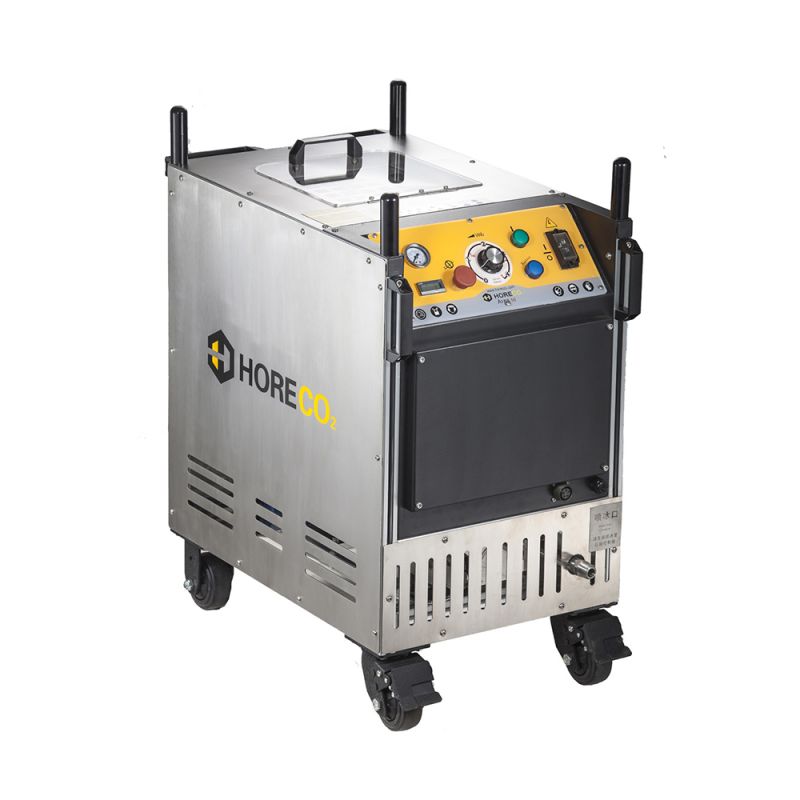
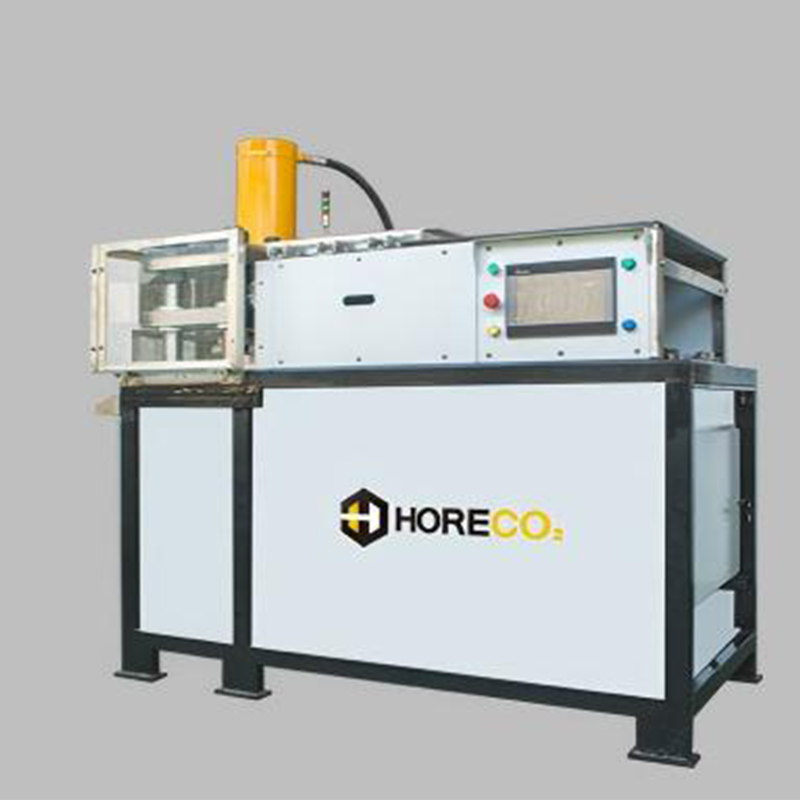
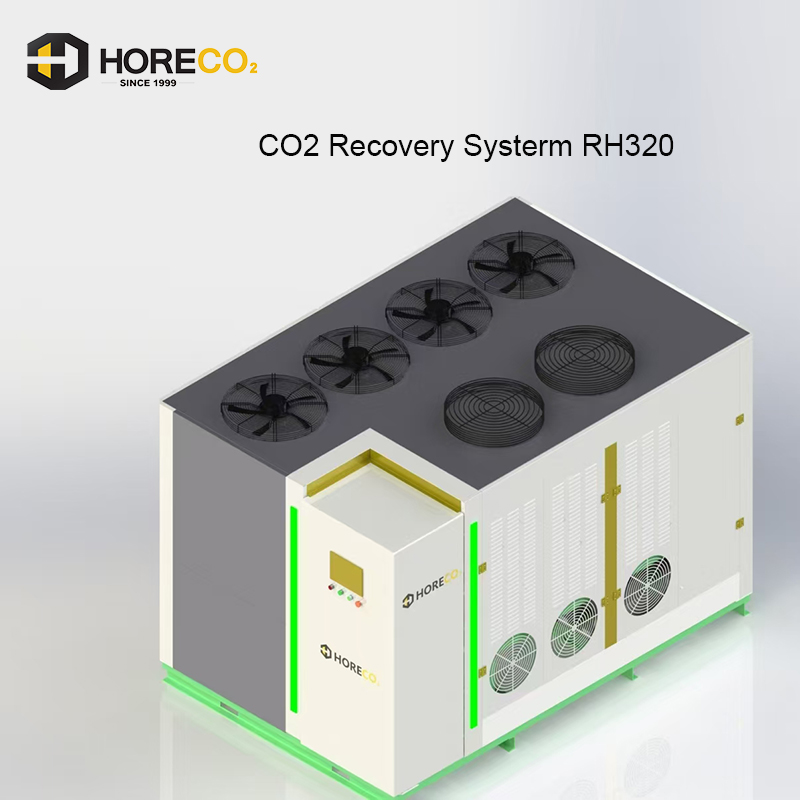
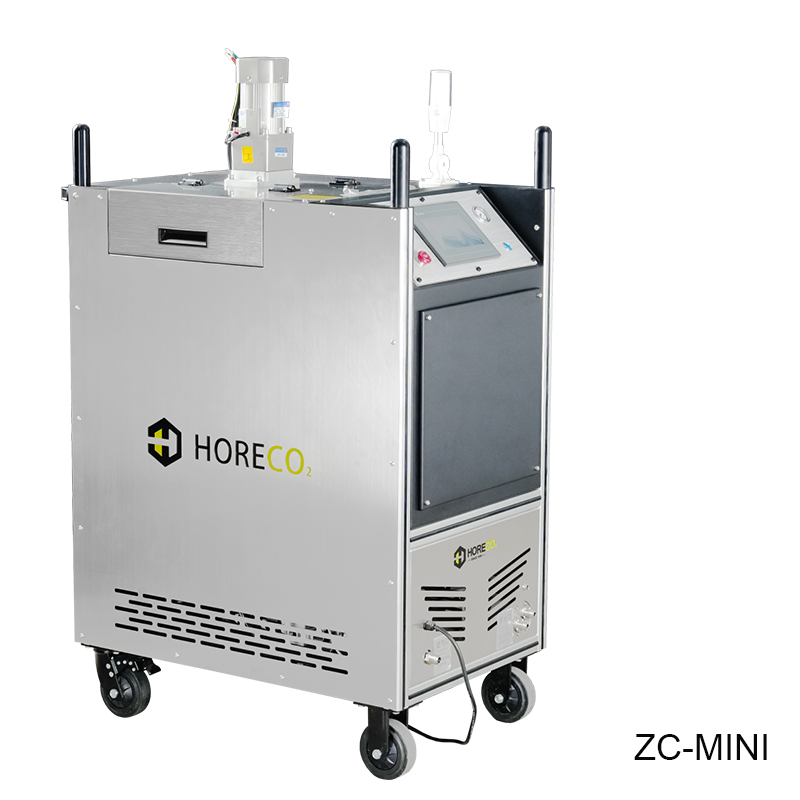
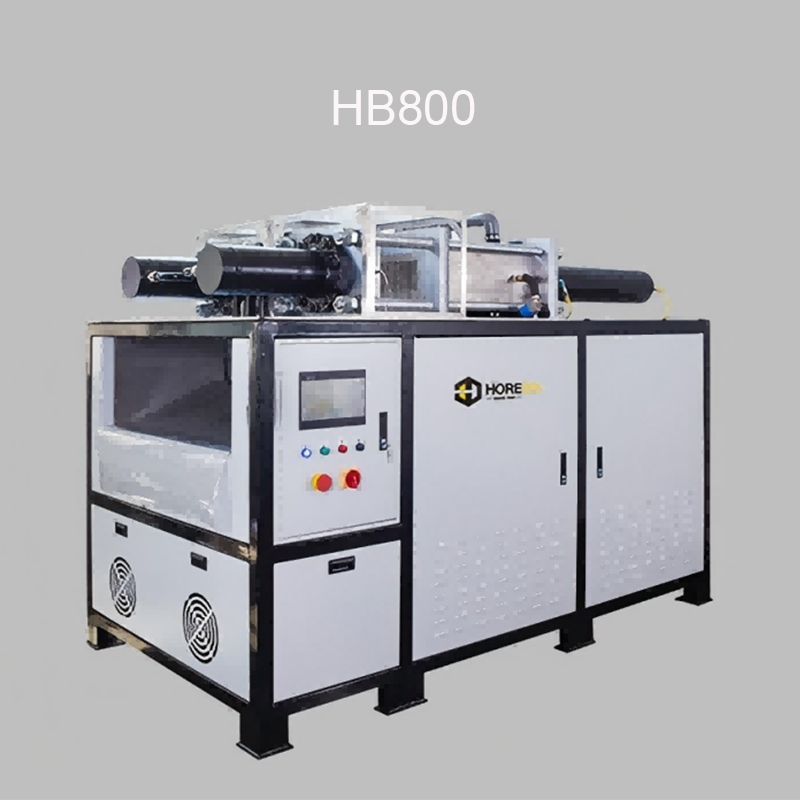
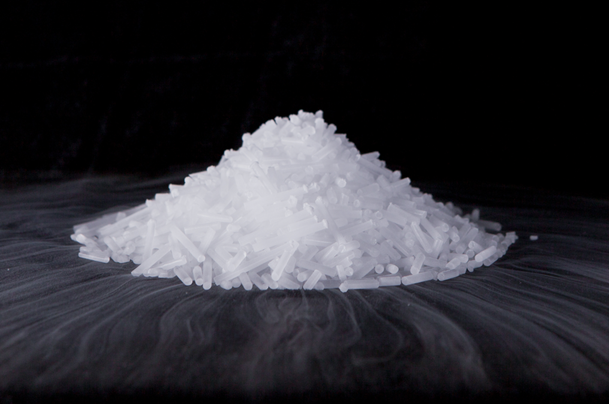
To address these issues, HORECO2 Dry Ice Blasting Equipment & Service Co., Ltd. offers targeted solutions. Their dry ice bucket systems use solid CO2 pellets that sublimate on impact, lifting contaminants without residue. This eliminates chemical waste, as dry ice evaporates, leaving no secondary cleanup. Automated models reduce labor by up to 70%, with programmable settings for consistent results. Moreover, the non-abrasive nature protects sensitive materials, ensuring longevity and compliance with industry standards like ISO 14644-1 for cleanrooms.
Client Success Cases
1. Bavarian Brewery, Germany: After switching to a HORECO2 dry ice bucket for tank cleaning, they reduced cleaning time from 8 hours to 2, saving €15,000 annually in labor and chemical costs. Quality control manager Anna Schmidt noted, "This system has revolutionized our hygiene protocols without compromising our traditional methods."
2. Texas Aerospace Manufacturer, USA: Implementing dry ice blasting for engine component maintenance cut waste disposal by 90% and improved surface finish adherence by 25%. Procurement lead John Davis stated, "The ROI was evident within six months, enhancing our sustainability metrics."
3. Singapore Electronics Factory: Using HORECO2 equipment for PCB cleaning increased production yield by 8% and reduced defect rates. Operations director Li Wei commented, "It’s a game-changer for precision industries where every micron counts."
Applications and Partnerships
Dry ice buckets excel in diverse scenarios: mold cleaning in plastics injection, graffiti removal in urban maintenance, and sterilization in pharmaceutical labs. HORECO2 collaborates with global partners like TechClean Solutions in Europe and GreenBlast Inc. in North America, ensuring robust supply chains and technical support. These alliances enhance authority through shared R&D and compliance with international standards, such as CE and OSHA certifications.
FAQ Section
1. Q: How does dry ice blasting compare to sandblasting in terms of surface preparation?
A: Dry ice is non-abrasive, so it doesn’t etch surfaces like sand. It’s ideal for delicate materials, whereas sandblasting suits heavy-duty rust removal but can cause wear.
2. Q: What are the energy requirements for operating a dry ice bucket system?
A: Most models run on standard 110-240V power, with consumption around 1-3 kW per hour, making them energy-efficient compared to heated alternatives.
3. Q: Can this technology handle high-temperature residues, such as in foundries?
A: Yes, dry ice’s rapid cooling effect can tackle hot slag and carbon deposits effectively, though pre-cooling might be needed for extreme cases above 500°C.
4. Q: How do you ensure consistent pellet quality in the bucket?
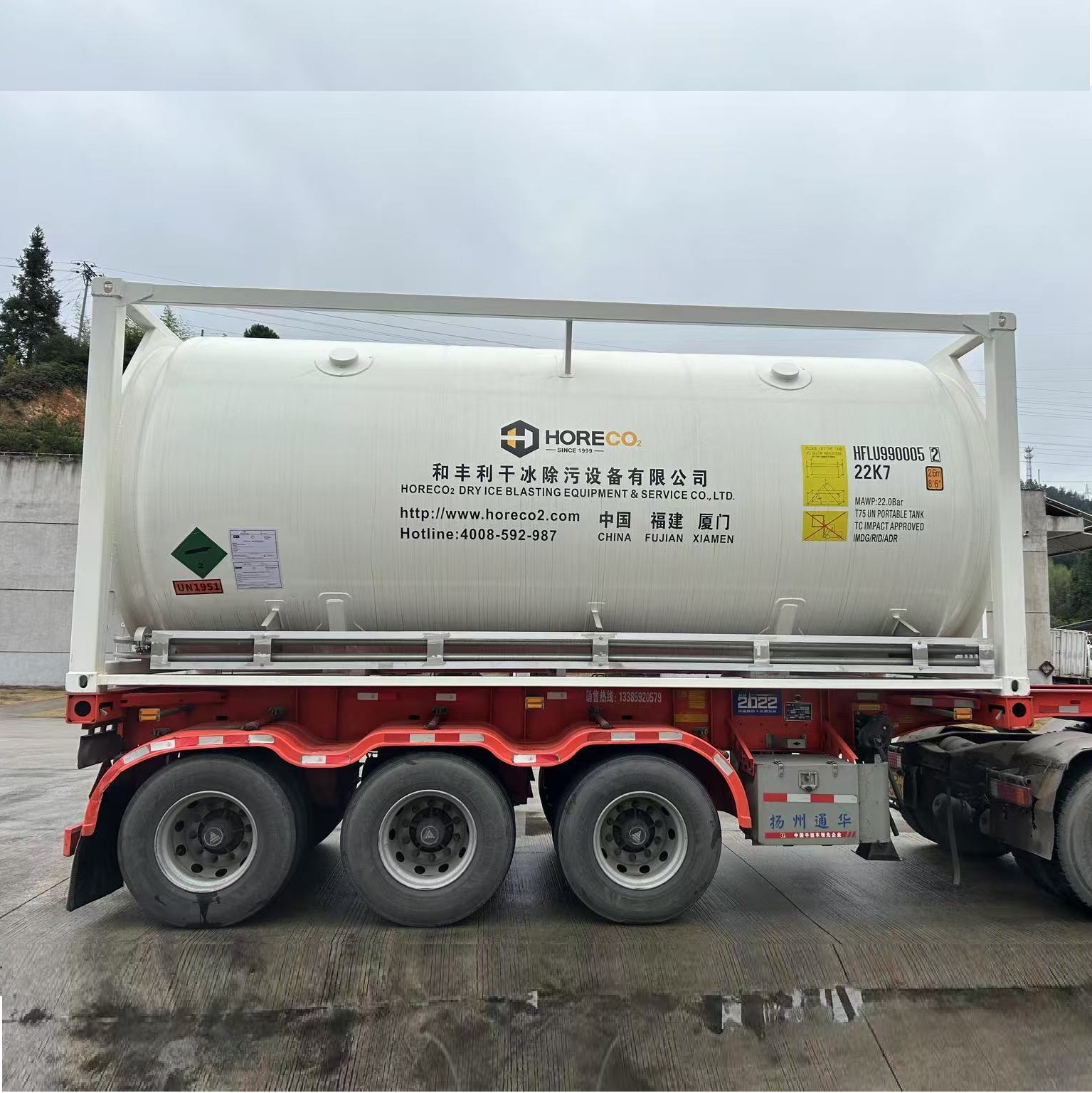
A: HORECO2 uses food-grade CO2 with controlled density (1.2-1.6 g/cm³) and uniform pellet sizes (3mm or 16mm), verified through batch testing.
5. Q: What maintenance is required for the equipment?
A: Regular checks on nozzles and hoses, plus annual servicing of compressors, ensure longevity. Most systems have self-diagnostic features to minimize downtime.
Comparison Table: Dry Ice vs. Traditional Methods
| Aspect | Dry Ice Blasting | Chemical Cleaning | Manual Scrubbing |
|---|---|---|---|
| Waste Production | Minimal (sublimates) | High (toxic runoff) | Moderate (debris) |
| Labor Efficiency | High (automated) | Moderate | Low (time-intensive) |
| Surface Safety | Excellent (non-abrasive) | Risk of corrosion | Potential damage |
| Cost Over Time | Lower (savings on disposal) | Higher (chemical costs) | Variable (labor-dependent) |
Conclusion and Call to Action
So, is your dry ice bucket a cold revolution? For industries grappling with efficiency and eco-compliance, the evidence points to a resounding yes. By embracing this technology, you can slash costs, boost productivity, and align with green initiatives. Ready to dive deeper? Download our comprehensive technical whitepaper for detailed specs and case studies, or contact our sales engineers at HORECO2 for a personalized demo. Let’s chill the competition together!
