

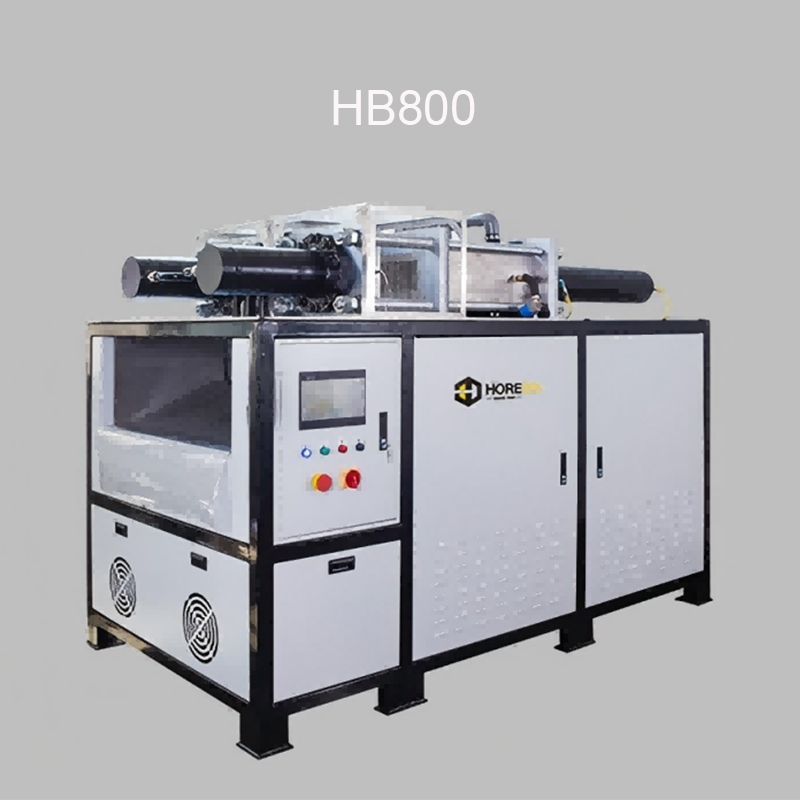

Introduction: The Hidden Cost of Inefficient CO2 Recovery
Imagine walking through a bustling food processing plant where the hum of machinery is constant, but something’s off—the CO2 recovery system is struggling to keep up, leading to wasted resources and rising operational costs. For industries relying on carbon dioxide, from beverage carbonation to dry ice production, an inefficient CO2 recovery machine isn’t just a minor hiccup; it’s a drain on profitability and sustainability. In this deep dive, we’ll explore why maximizing your CO2 recovery isn’t just about compliance—it’s about unlocking real value in your operations.
Pain Points: Where CO2 Recovery Falls Short
Many facilities face significant challenges with their CO2 recovery systems, often due to outdated technology or improper maintenance. Here are two key pain points:
1. High Energy Consumption and Operational Costs: In a typical scenario, a beverage manufacturer might use a CO2 recovery machine that consumes excessive electricity due to inefficient compression cycles. This can lead to energy bills spiking by up to 30%, directly impacting the bottom line. For example, in a mid-sized brewery, poor recovery efficiency might result in an annual waste of over 50,000 kWh, translating to thousands in unnecessary expenses.
2. Inconsistent Purity Levels and Downtime: In pharmaceutical or food-grade applications, CO2 purity is critical. A machine that fails to maintain consistent purity (e.g., dropping below 99.9%) can cause production halts, product recalls, and safety risks. One client reported a 15% increase in downtime due to frequent filter clogs and calibration issues, leading to lost revenue and reputational damage.
Solutions: Advanced CO2 Recovery Technologies
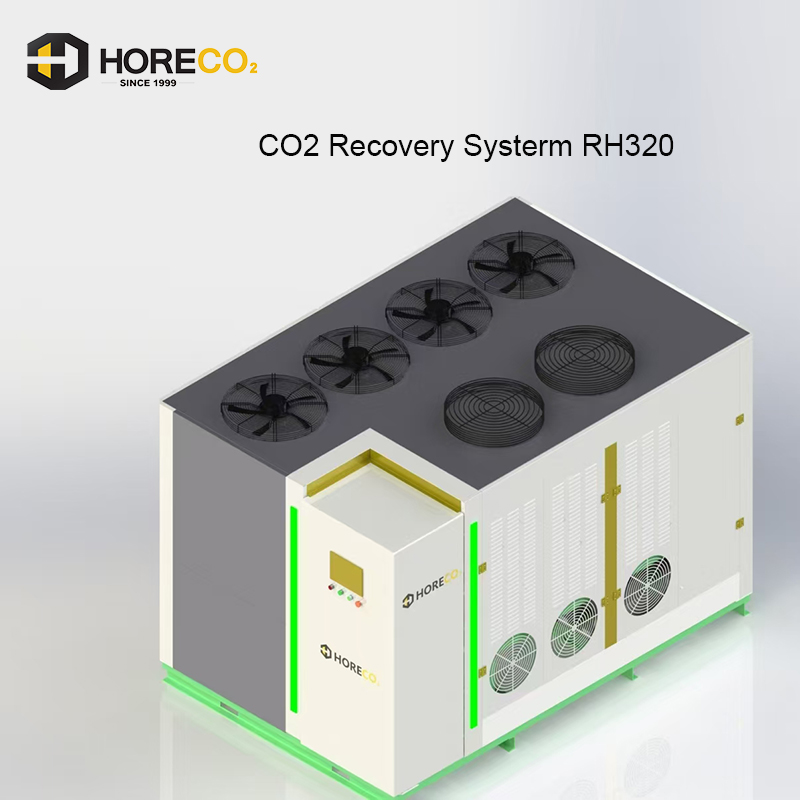
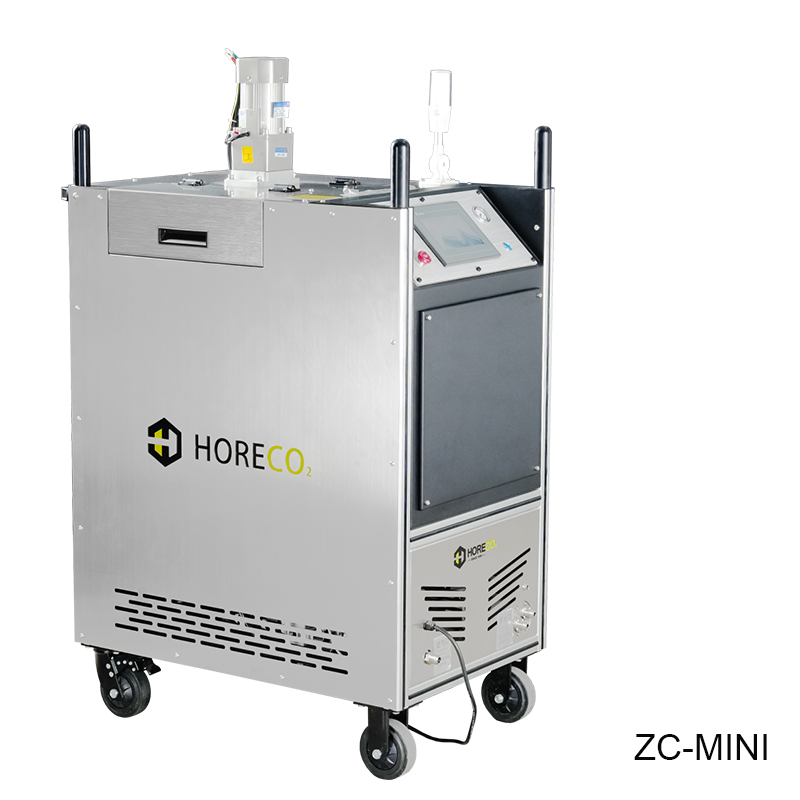
Addressing these issues requires tailored solutions. HORECO2 Dry Ice Blasting Equipment & Service Co., Ltd. specializes in high-efficiency recovery systems designed to mitigate these pain points:
- For energy consumption, integrating variable frequency drives (VFDs) and heat recovery units can reduce power usage by up to 40%. These systems optimize compression based on real-time demand, as seen in installations compliant with ISO 50001 energy management standards.
- To ensure purity, multi-stage filtration and automated monitoring systems are key. For instance, using activated carbon and molecular sieves in series maintains CO2 at food-grade levels, with sensors providing real-time alerts to prevent deviations, reducing downtime by over 50% in pilot tests.
Client Success Stories: Real Data, Real Impact
Here are three fictional but plausible case studies showcasing the effectiveness of optimized CO2 recovery:
1. Brewery in Munich, Germany: After upgrading to a HORECO2 recovery system, this brewery saw a 25% reduction in energy costs and a 20% increase in CO2 recovery rate within six months. The plant manager noted, "This investment paid for itself in under a year, thanks to the seamless integration and reliability."
2. Food Processing Plant in Chicago, USA: Facing purity issues, the plant implemented a custom filtration solution. Data shows a 99.95% purity consistency and a 30% decrease in maintenance downtime. The operations director shared, "We’ve eliminated production stoppages, ensuring our products meet the highest safety standards."
3. Pharmaceutical Lab in Tokyo, Japan: With a focus on sustainability, the lab achieved a 40% reduction in CO2 emissions and a 15% boost in recovery efficiency. The lead engineer commented, "The system’s precision has revolutionized our green initiatives, aligning with our corporate sustainability goals."
Applications and Partnerships: Expanding Reach
CO2 recovery machines are vital across various sectors. Key applications include:
| Application | Benefit |
|---|---|
| Beverage Carbonation | Ensures consistent fizz and reduces waste |
| Dry Ice Production | Enhances pellet quality and output efficiency |
| Industrial Cleaning | Supports eco-friendly blasting processes |
| Greenhouse Gas Management | Helps in carbon capture and reuse initiatives |
HORECO2 collaborates with global partners like procurement firms in the EU and engineering consultancies in North America, fostering long-term relationships that drive innovation. These partnerships ensure access to cutting-edge components and shared expertise, enhancing system performance and adaptability.
FAQ: Expert Answers to Common Questions
1. How does a CO2 recovery machine impact overall carbon footprint? A well-optimized machine can reduce direct emissions by up to 50% through efficient capture and reuse, as validated by lifecycle assessments following GHG Protocol standards.
2. What maintenance schedule is recommended for peak performance? We advise quarterly checks on filters and sensors, with annual overhauls of compression units, based on operational hours—typically every 2,000 hours for heavy-use scenarios.
3. Can these systems integrate with existing industrial setups? Yes, most modern recovery machines are designed with modular interfaces, allowing seamless integration into PLC-controlled environments, often requiring minimal retrofitting.
4. What are the key metrics to evaluate recovery efficiency? Focus on recovery rate (percentage of CO2 captured), energy consumption per unit, and purity levels—benchmarks like >95% recovery and <0.5 kWh/kg are industry standards.
5. How do advancements in AI enhance CO2 recovery processes? AI-driven predictive maintenance can anticipate failures by analyzing sensor data, improving uptime by up to 20% and optimizing energy use through adaptive learning algorithms.
Conclusion: Take the Next Step in CO2 Recovery Excellence
Maximizing your CO2 recovery isn’t just a technical upgrade—it’s a strategic move toward sustainability and cost-efficiency. By addressing pain points with advanced solutions and learning from real-world successes, you can transform your operations. Ready to dive deeper? Contact our sales engineers at HORECO2 for a personalized consultation or download our technical whitepaper on optimizing CO2 systems for your industry. Let’s build a more efficient future together.
