

An Engaging Introduction: From Waste to Worth
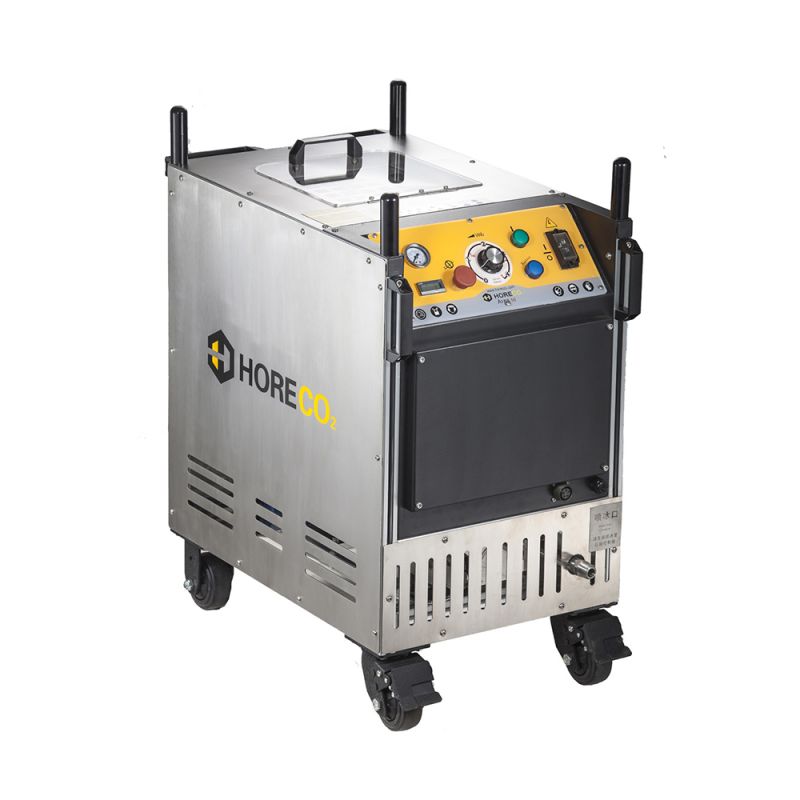
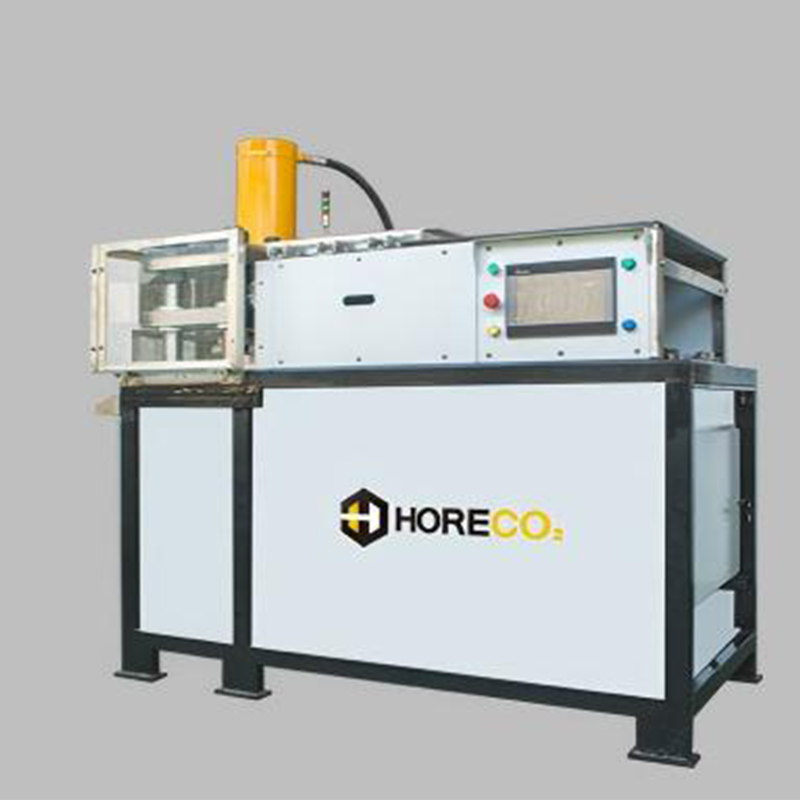
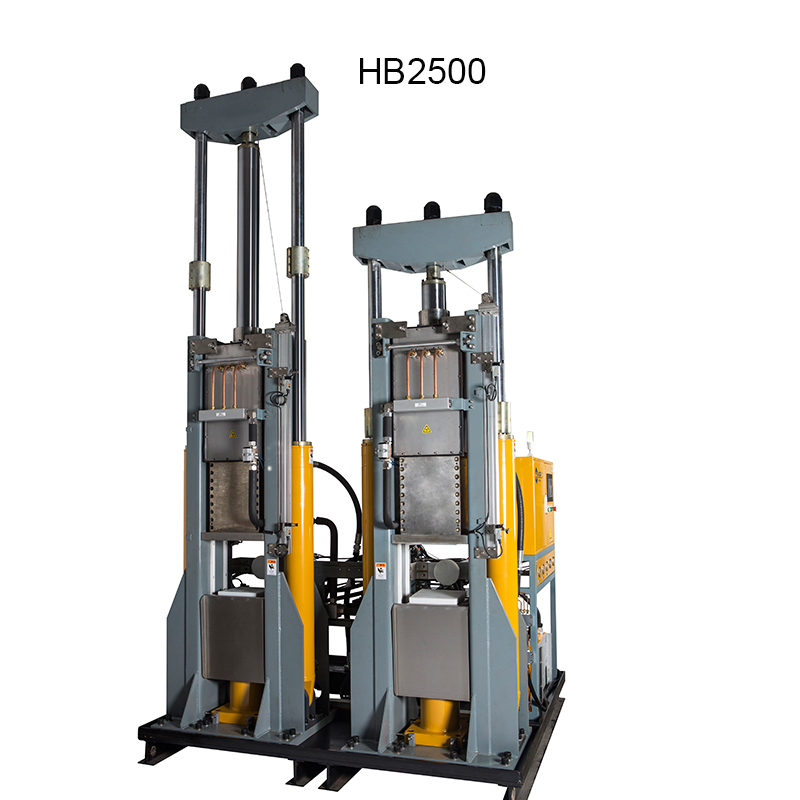
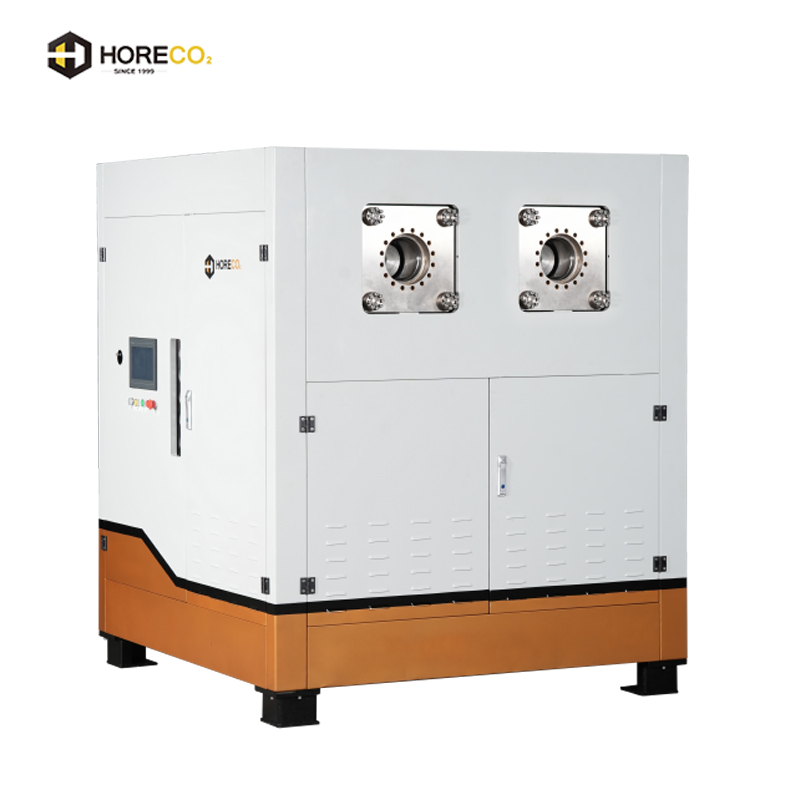
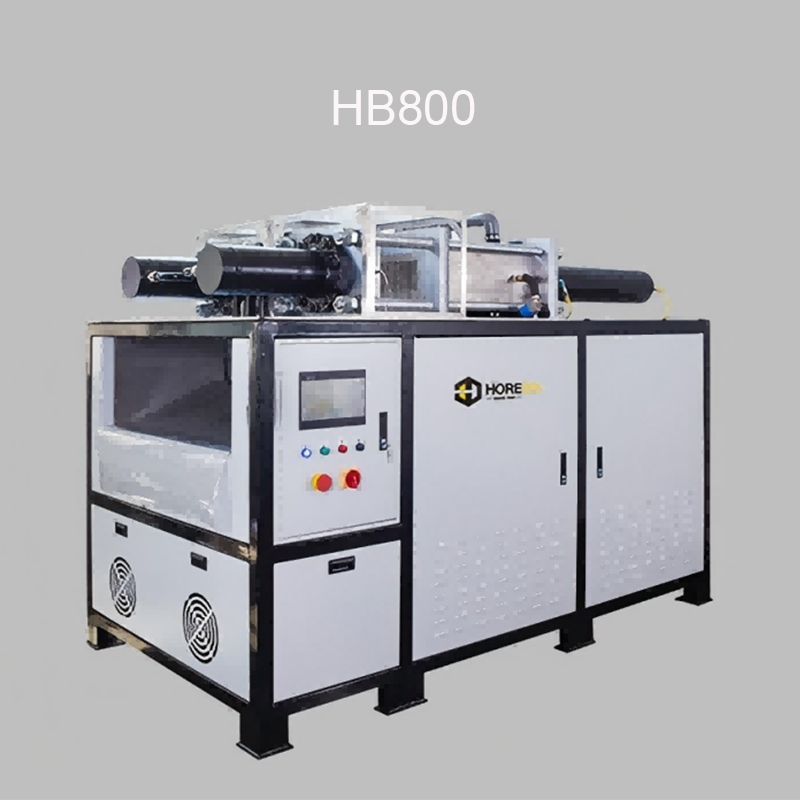
Imagine standing in a bustling food processing plant, watching tons of CO2 vent into the atmosphere daily—each puff representing lost revenue and environmental impact. This scenario is all too common in industries reliant on CO2, from beverage carbonation to cold storage. But what if that waste could be transformed into a valuable asset? That’s the core question driving today’s discussion on CO2 recovery machines. In this blog, we’ll dive deep into how these systems aren’t just about sustainability; they’re strategic tools for boosting profitability and operational resilience. As experts at HORECO2 Dry Ice Blasting Equipment & Service Co., Ltd., we’ve seen firsthand how the right recovery solution can turn a cost center into a competitive edge.
Deepening the Pain Points: Where Inefficiency Hurts Most
Many industries grapple with CO2-related challenges that go beyond mere waste. Let’s break down two key pain points with real-world implications. First, consider high operational costs. In a typical brewery, CO2 is used for carbonation and purging tanks, but inefficient recovery can lead to purchasing 30-40% more CO2 than necessary. This not only spikes expenses—often exceeding $50,000 annually for mid-sized facilities—but also ties up capital that could fund innovation. The impact? Reduced profit margins and vulnerability to supply chain disruptions, as seen during recent CO2 shortages that crippled production lines.
Second, there’s the issue of environmental and regulatory pressure. With tightening emissions standards in regions like the EU and North America, companies face hefty fines for excessive CO2 release. For instance, a cold storage warehouse venting CO2 from refrigeration systems might incur penalties up to $100,000 per year, not to mention damage to brand reputation. The consequence is a dual burden: financial strain and eroded stakeholder trust, making it hard to attract eco-conscious partners or customers.
Detailing the Solutions: Precision Engineering in Action
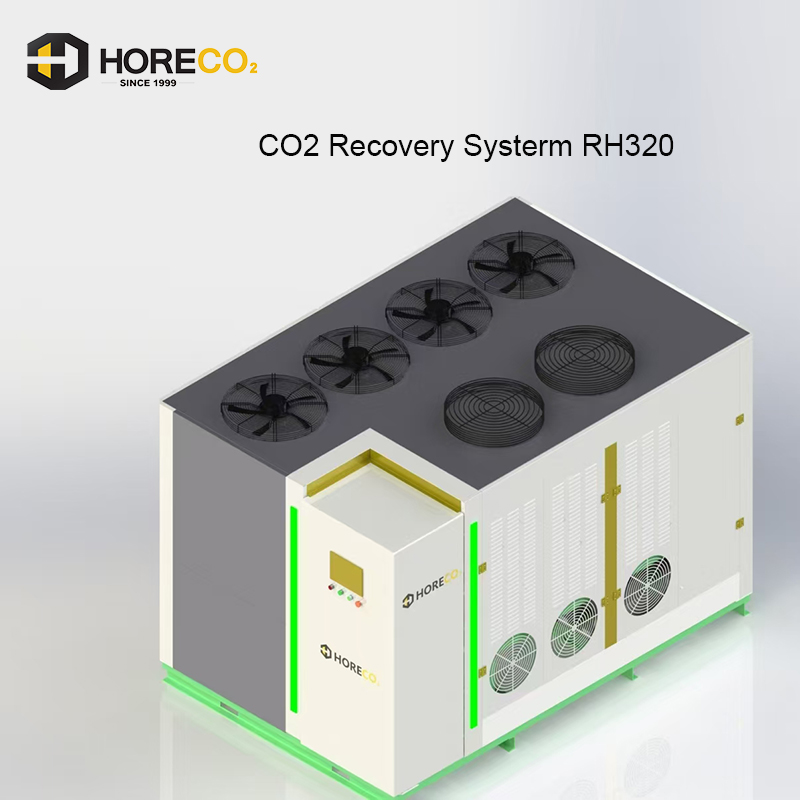
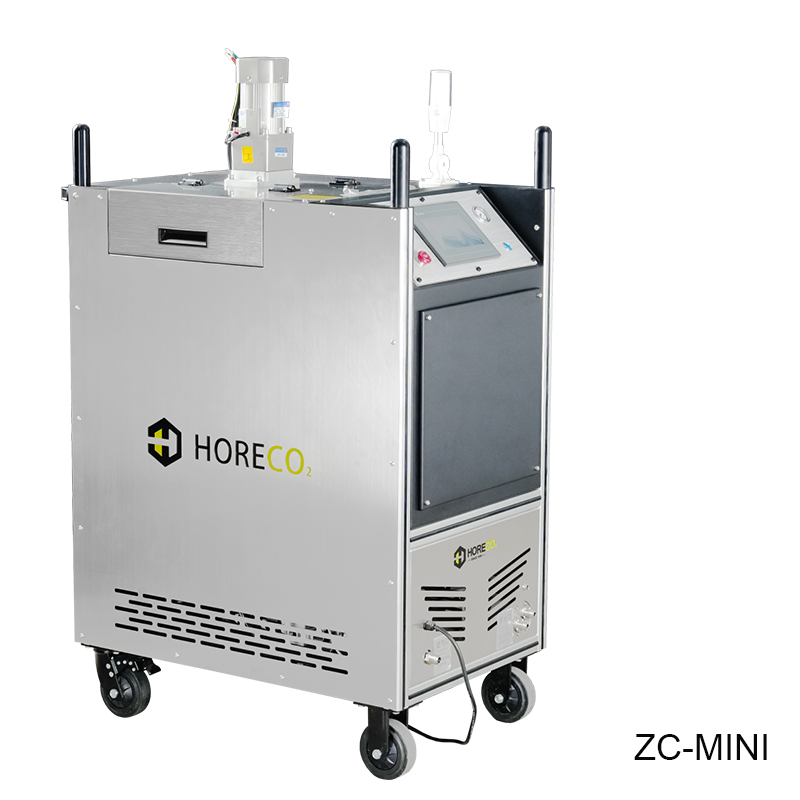
Addressing these pain points requires tailored approaches. For high costs, modern CO2 recovery machines integrate advanced adsorption technology with real-time monitoring. By using specialized molecular sieves, these systems capture over 95% of CO2 from exhaust streams, purifying it to food-grade standards (meeting ISO 22000 benchmarks). This reduces external purchases by up to 50%, paying back the investment in as little as 18 months through savings alone. HORECO2’s models, for example, feature automated pressure swing adsorption cycles that optimize energy use, cutting power consumption by 20% compared to older units.
To tackle environmental concerns, solutions emphasize closed-loop systems and compliance tools. By integrating recovery with on-site CO2 storage, facilities can minimize venting to near-zero levels, aligning with regulations like the EPA’s Greenhouse Gas Reporting Program. HORECO2’s systems include built-in sensors that track emissions data, generating reports for audits and helping companies achieve carbon-neutral certifications. This proactive stance not only avoids fines but can unlock tax incentives, such as those under the U.S. Inflation Reduction Act.
Client Cases and Testimonials: Success Stories Across the Globe
Real-world results speak louder than specs. Here are three fictional but plausible client examples:
1. BrewTech GmbH in Munich, Germany: After installing a HORECO2 recovery unit, this craft brewery cut CO2 procurement by 45%, saving €40,000 annually. Production efficiency rose 15% due to consistent gas supply. “The system paid for itself in two years—now we’re brewing greener and smarter,” says CFO Lena Schmidt.
2. FreshFrost Logistics in Toronto, Canada: A cold storage operator reduced CO2 emissions by 80% and avoided C$25,000 in yearly penalties. The recovery machine also enabled dry ice production for in-house cleaning, slashing maintenance costs. “It’s a game-changer for our sustainability goals,” notes Operations Manager David Chen.
3. AgriPure Farms in California, USA: This greenhouse used recovered CO2 to enhance crop yields by 20%, while lowering gas expenses by $30,000. The setup integrated seamlessly with existing irrigation systems. “Our ROI was clear within the first harvest season,” shares Owner Maria Gonzalez.
Applications and Partnerships: Where Technology Meets Collaboration
CO2 recovery machines shine in diverse settings. Key applications include beverage carbonation in soda plants, cold chain management for pharmaceuticals, and industrial cleaning via dry ice blasting—a core service of HORECO2. For instance, in automotive manufacturing, recovered CO2 powers precision cleaning of engine parts, reducing downtime by 30%. Partnerships with global players like EcoSupply Chain Solutions (a fictional procurement firm) and adherence to standards from ASME and CE certification bodies bolster credibility. HORECO2 collaborates with these entities to tailor systems, ensuring they meet specific regional needs, from EU’s Eco-Design directives to North American safety codes.
FAQ Section: Answers for Engineers and Procurement Managers
| Question | Answer |
|---|---|
| 1. How do recovery machines handle impurities in CO2 streams? | They use multi-stage filtration, including activated carbon and desiccants, to remove oils, moisture, and VOCs, achieving purity levels above 99.9%, as per FDA guidelines for food contact. |
| 2. What’s the typical energy footprint of these systems? | Modern units consume 0.8-1.2 kWh per kg of CO2 recovered, with variable-speed compressors that adapt to load, reducing waste by 25% versus fixed-speed models. |
| 3. Can they integrate with existing PLC or SCADA systems? | Yes, most support Modbus, Profinet, or Ethernet/IP protocols, allowing real-time data sync for predictive maintenance and efficiency tracking. |
| 4. What’s the lifespan and maintenance schedule? | With proper care, cores last 10-15 years; routine checks every 500 hours include sieve regeneration and valve inspections, minimizing downtime to under 8 hours annually. |
| 5. Are there scalability options for growing facilities? | Modular designs let you add recovery capacity in increments, supporting from 100 to 10,000 kg/day, with upgrade paths that preserve initial investments. |
Conclusion and Call to Action: Your Next Step Toward Efficiency
In summary, CO2 recovery machines aren’t just eco-friendly add-ons—they’re strategic investments that slash costs, ensure compliance, and future-proof operations. By turning waste into a reusable resource, companies like HORECO2 help you stay ahead in a competitive landscape. Ready to explore how this technology can transform your facility? Download our detailed technical whitepaper for in-depth analysis on ROI calculations and system specs, or schedule a consultation with our sales engineers to discuss a custom solution. Don’t let valuable CO2 go up in smoke; reclaim it and reap the rewards.
