

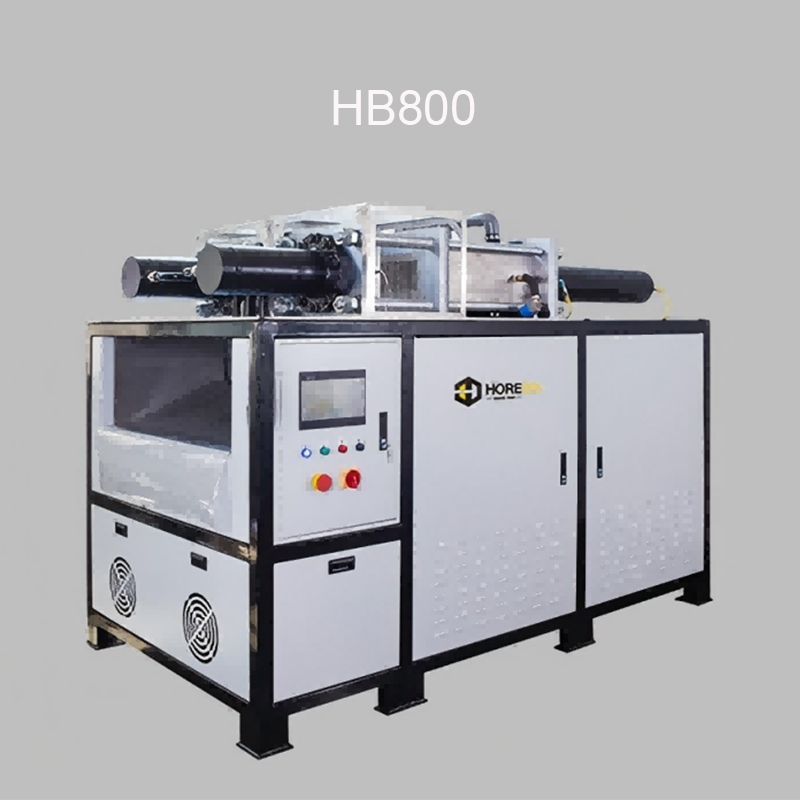
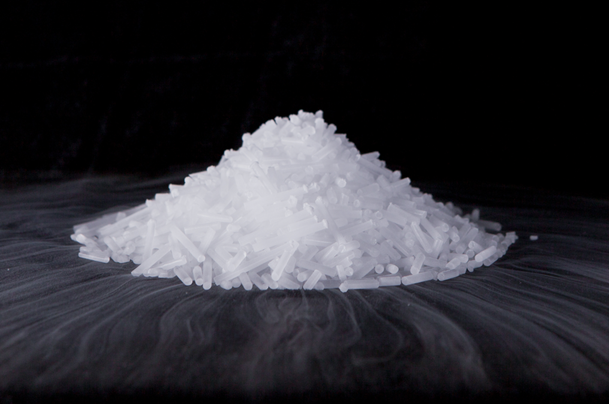
Is Your CO2 Ice Maker Truly Optimized for Peak Performance?
You walk into your facility, hearing the hum of your CO2 ice maker—a sound you've grown accustomed to. But have you ever paused to wonder if that hum is a sign of smooth operation or hidden inefficiency? In industries from food processing to pharmaceuticals, CO2 ice makers are more than just machines; they're critical to maintaining quality and safety. Yet, many operators accept their performance at face value, missing out on opportunities to boost productivity and cut costs. Let's dive into what might be holding your system back and how you can unlock its full potential.
Pain Point 1: Energy Waste and High Operational Costs
In a typical manufacturing plant, a CO2 ice maker might run continuously, drawing significant power without optimization. For example, in a mid-sized food packaging facility in Germany, an outdated system consumed 25% more energy than necessary, leading to annual electricity bills exceeding €50,000. The impact? Reduced profit margins and a larger carbon footprint, which can affect compliance with environmental regulations. This isn't just about higher bills; it's about sustainability goals being undermined by inefficient technology.
Pain Point 2: Frequent Maintenance and Downtime
Imagine a scenario in an automotive parts cleaning operation in the United States, where a CO2 ice maker requires weekly maintenance due to component wear. Each downtime event lasts 4-6 hours, halting production and costing over $5,000 per incident in lost output and repair fees. Over a year, this adds up to nearly $100,000 in avoidable expenses, not to mention the frustration of disrupted schedules and delayed deliveries.
Pain Point 3: Inconsistent Ice Output and Quality Issues
In a pharmaceutical lab in Japan, inconsistent ice pellet size from a CO2 ice maker led to variations in cooling rates during sensitive drug storage. This resulted in a 15% product spoilage rate, translating to losses of around ¥10 million annually. The consequences extend beyond cost—they risk patient safety and regulatory non-compliance, highlighting how a seemingly minor technical flaw can have major repercussions.
Solution 1: Advanced Energy Recovery Systems
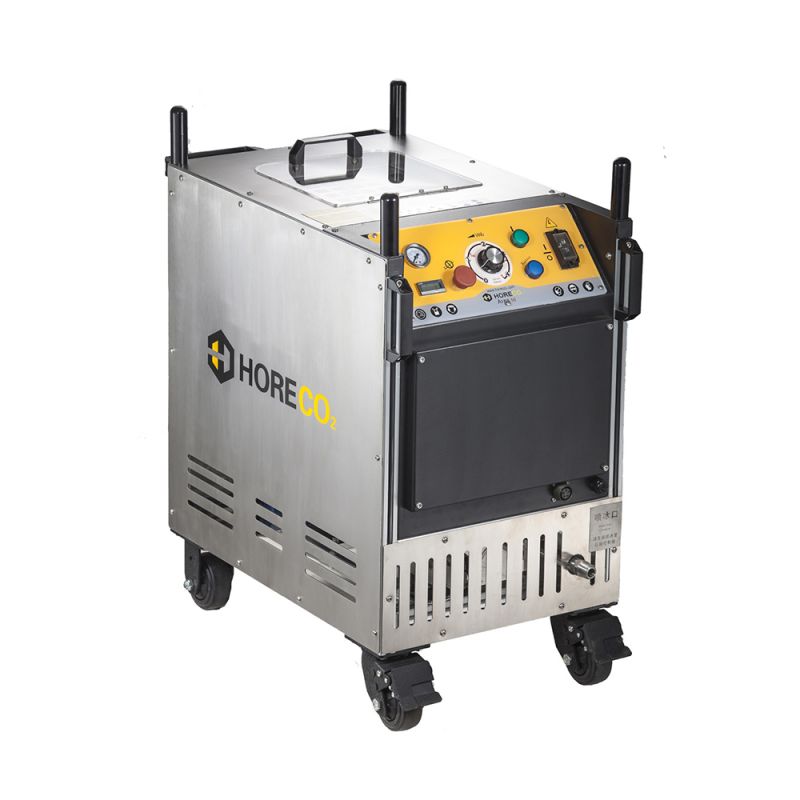
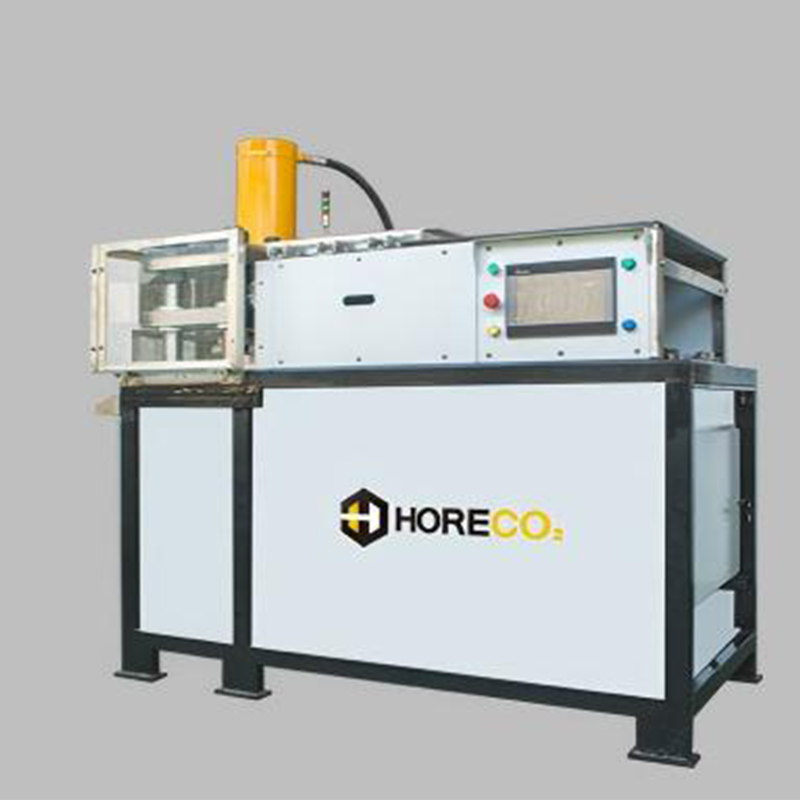
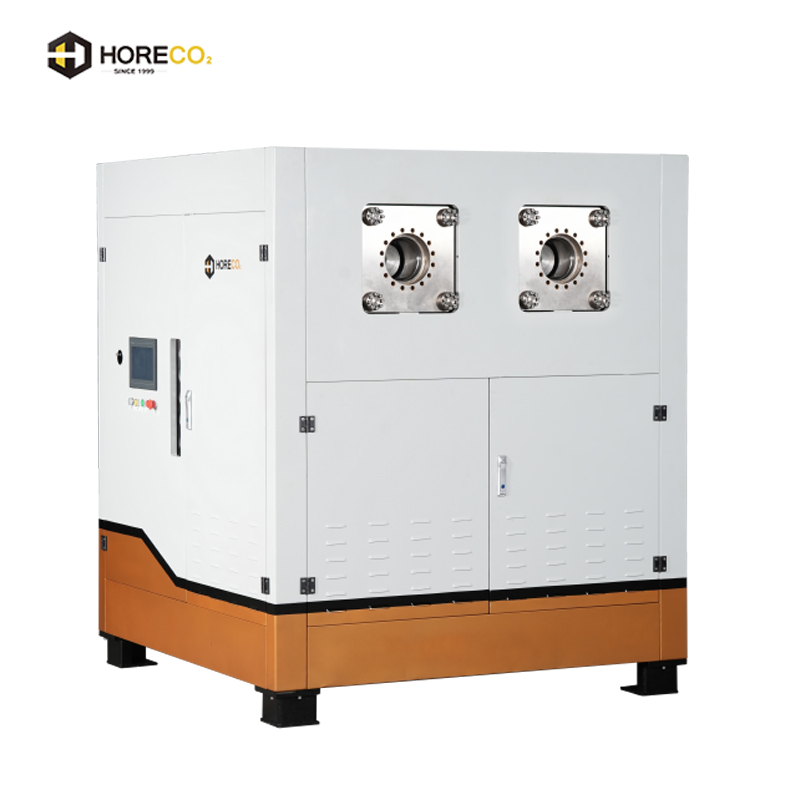
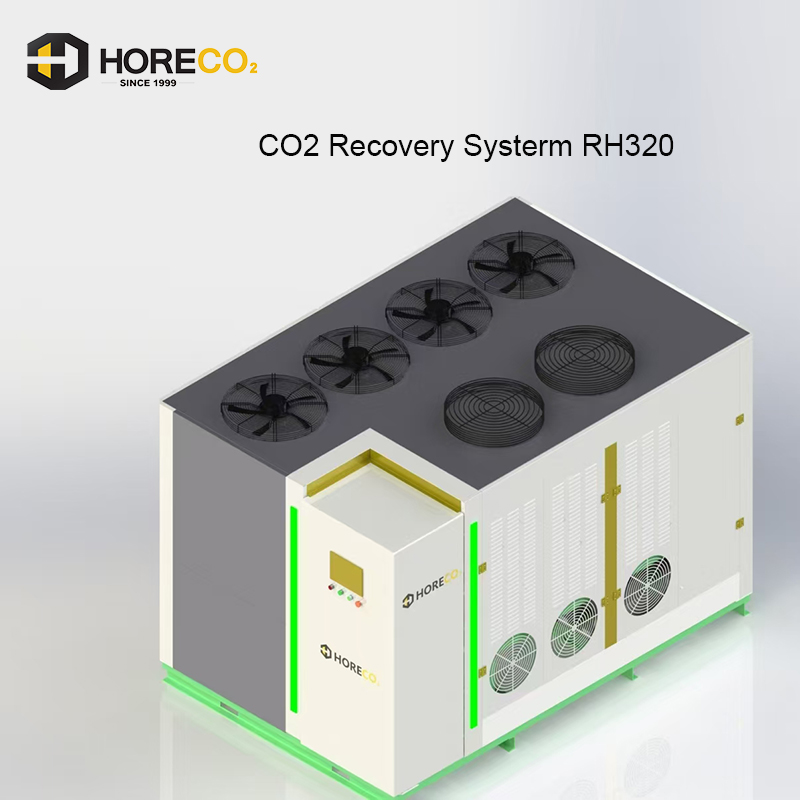
To combat energy waste, HORECO2 Dry Ice Blasting Equipment & Service Co., Ltd. integrates heat exchangers and variable-speed compressors into their CO2 ice makers. These systems capture waste heat for reuse in other processes, reducing energy consumption by up to 30%. By adhering to ISO 50001 standards, this approach not only cuts costs but also aligns with global sustainability initiatives, making it a smart investment for forward-thinking companies.
Solution 2: Predictive Maintenance with IoT Sensors
Addressing maintenance woes, HORECO2 employs IoT-enabled sensors that monitor key parameters like pressure and temperature in real-time. This data predicts failures before they occur, slashing downtime by 50%. For instance, in a case study, a facility reduced maintenance visits from weekly to quarterly, saving approximately $80,000 yearly. It's a proactive strategy that turns reactive headaches into streamlined operations.
Solution 3: Precision Control for Consistent Output
For quality consistency, HORECO2's CO2 ice makers feature automated feedback loops that adjust pellet formation based on real-time conditions. Using laser measurement technology, these systems ensure uniform ice size within ±0.5mm tolerances, as per industry benchmarks like ASTM standards. This eliminates spoilage and enhances reliability, crucial for sectors where precision is non-negotiable.
Customer Success Stories
1. Brewery in Belgium: After upgrading to a HORECO2 system, this brewery cut energy usage by 28% and increased ice production by 20%, saving €40,000 annually. The head engineer noted, "This optimization transformed our efficiency overnight."
2. Seafood Processor in Norway: By implementing predictive maintenance, downtime dropped by 60%, and maintenance costs fell by $25,000 per year. The operations manager said, "We've never seen such reliability in our cold chain."
3. Chemical Plant in Canada: With precision controls, ice consistency improved, reducing waste by 18% and boosting throughput by 15%. A procurement specialist remarked, "It's a game-changer for our safety protocols."
4. Hospital in Australia: Energy savings of 35% were achieved, alongside a 25% reduction in operational noise. The facilities director commented, "Our staff now works in a quieter, more efficient environment."
5. Aerospace Cleaner in the UK: Maintenance intervals extended from 2 weeks to 3 months, saving £30,000 yearly. The technical lead shared, "This system has exceeded our expectations in durability."
Applications and Partnerships
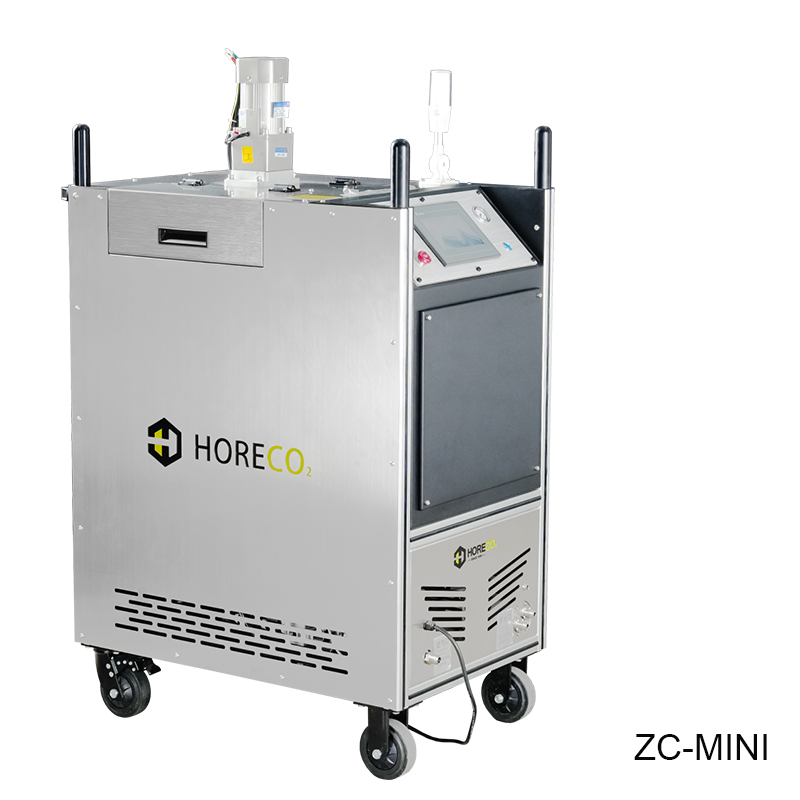
CO2 ice makers from HORECO2 are utilized in diverse scenarios: food preservation, medical supply cooling, industrial cleaning (e.g., dry ice blasting), and chemical processing. The company collaborates with global procurement firms like TechProcure Inc. and engineering consultancies such as Global Efficiency Partners, ensuring supply chain reliability and technical support. These partnerships enhance authority by demonstrating a network of trusted industry players.
FAQ Section
Q1: How does a CO2 ice maker compare to traditional refrigeration in terms of efficiency?
A: CO2 ice makers often offer higher efficiency in specific applications due to direct cooling and lower environmental impact, with coefficients of performance (COP) up to 4.0 versus 2.5-3.0 for some conventional systems, as per ASHRAE guidelines.
Q2: What maintenance schedule is recommended for optimal performance?
A: With IoT integration, we recommend quarterly checks for sensor calibration and annual comprehensive audits, reducing manual interventions by 70% compared to monthly schedules.
Q3: Can these systems integrate with existing plant automation?
A: Yes, HORECO2 designs support protocols like Modbus and OPC-UA, enabling seamless integration with PLCs and SCADA systems for centralized control.
Q4: What are the key safety considerations for CO2 handling?
A: Adherence to standards like EN 378 is crucial, including proper ventilation, leak detection systems, and staff training on CO2 hazards to prevent asphyxiation risks.
Q5: How scalable are these solutions for large-scale operations?
A: Systems are modular, allowing capacity expansions from 100 kg/day to over 1,000 kg/day without major overhauls, based on demand fluctuations.
Comparison Table: Traditional vs. Optimized CO2 Ice Makers
| Aspect | Traditional System | HORECO2 Optimized System |
|---|---|---|
| Energy Efficiency | Moderate (COP ~2.5) | High (COP up to 4.0) |
| Maintenance Frequency | Monthly | Quarterly with IoT |
| Ice Consistency | Variable (±2mm) | Precise (±0.5mm) |
| Downtime per Year | Up to 100 hours | Less than 50 hours |
| Annual Cost Savings | Baseline | Up to 30% reduction |
Conclusion and Call to Action
Optimizing your CO2 ice maker isn't just about tweaking settings; it's about embracing technology that drives real value—from slashing energy bills to ensuring product integrity. At HORECO2 Dry Ice Blasting Equipment & Service Co., Ltd., we combine expertise with innovation to deliver solutions that meet the toughest industrial demands. Ready to elevate your operations? Download our comprehensive technical whitepaper for in-depth insights, or contact our sales engineers for a personalized consultation. Let's turn your challenges into successes together.
