

Is Your CO2 Blaster Machine Really Optimized for Peak Performance?
You’re in a bustling automotive manufacturing plant, overseeing a critical surface preparation process. The CO2 blaster machine hums along, but you notice inconsistent cleaning results—some parts shine while others show residue. Downtime creeps up as technicians adjust settings, and you wonder: is this machine truly delivering its promised efficiency? If that scenario sounds familiar, you’re not alone. Many industries rely on CO2 blasting for precision cleaning, yet subtle inefficiencies can undermine performance and inflate costs. In this deep dive, we’ll explore how to unlock the full potential of your equipment, moving beyond basic operation to achieve peak results.
Deepening the Pain Points: Where CO2 Blasting Falls Short
CO2 blasting is renowned for its eco-friendly, non-abrasive cleaning, but several persistent issues plague users across sectors. First, consider inconsistent particle size and flow rates. In aerospace maintenance, for example, technicians might use a CO2 blaster to remove contaminants from engine components. If the machine delivers uneven dry ice pellets—varying in size or velocity—it can leave streaks or damage delicate surfaces. The impact? Rework costs soar, with some facilities reporting up to 15% waste in man-hours and materials. A mid-sized European plant faced this, spending an extra €50,000 annually on quality control fixes.
Second, thermal inefficiency and energy waste are rampant. In food processing, CO2 blasters sanitize conveyor belts. Machines that lack precise temperature control may over-cool surfaces, leading to condensation and microbial growth. This not only compromises safety but hikes energy bills by 20-30%, as systems work harder to maintain conditions. A dairy producer in the U.S. Midwest saw electricity costs spike by $25,000 per year due to such inefficiencies.
Third, equipment downtime and maintenance headaches disrupt operations. In semiconductor fabrication, where cleanliness is paramount, a CO2 blaster failure during a critical cleaning cycle can halt production lines. Unplanned downtime might cost $10,000 per hour in lost output, plus repair fees. A tech firm in Asia experienced this, with frequent nozzle clogs adding 50 hours of maintenance monthly, straining their budget and timelines.
Technical Solutions: Elevating CO2 Blaster Performance
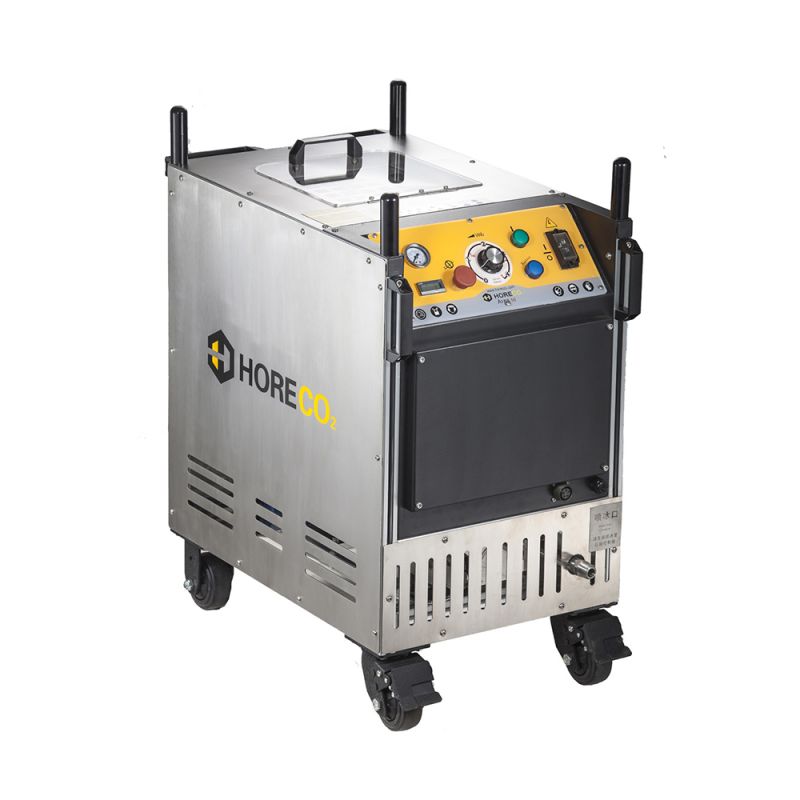
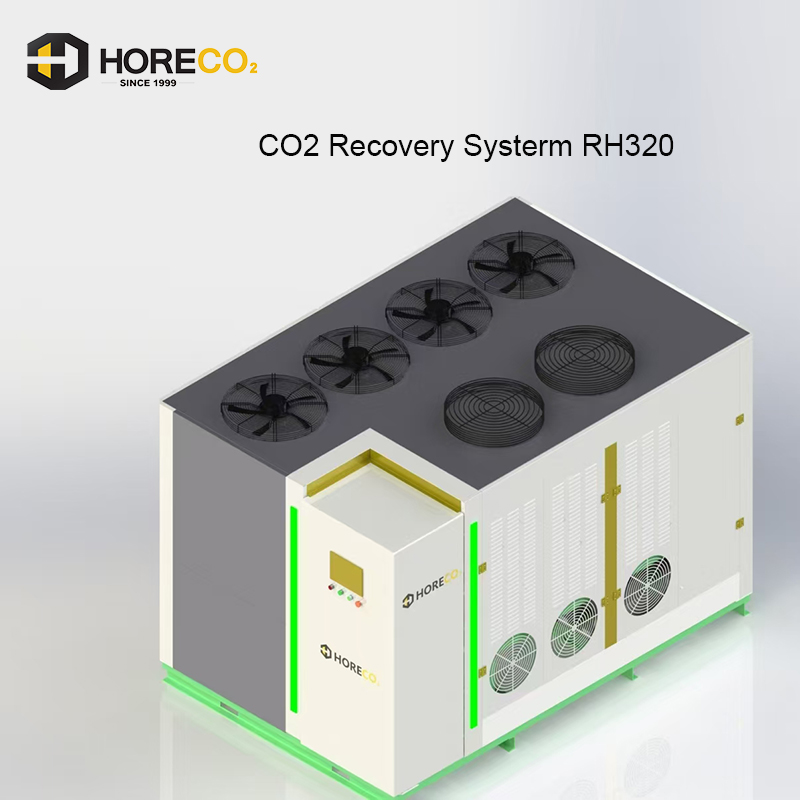
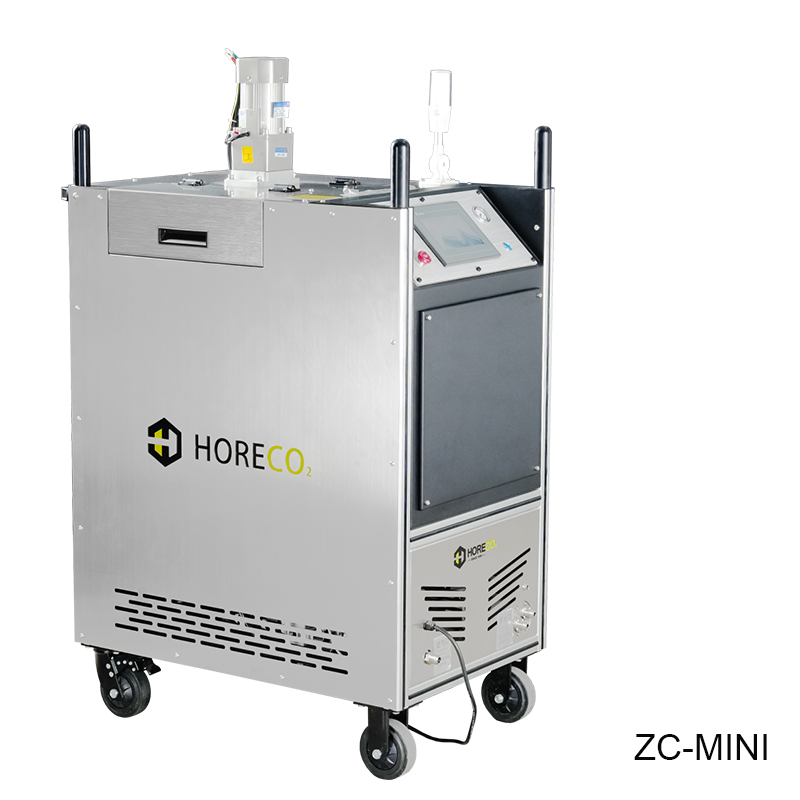
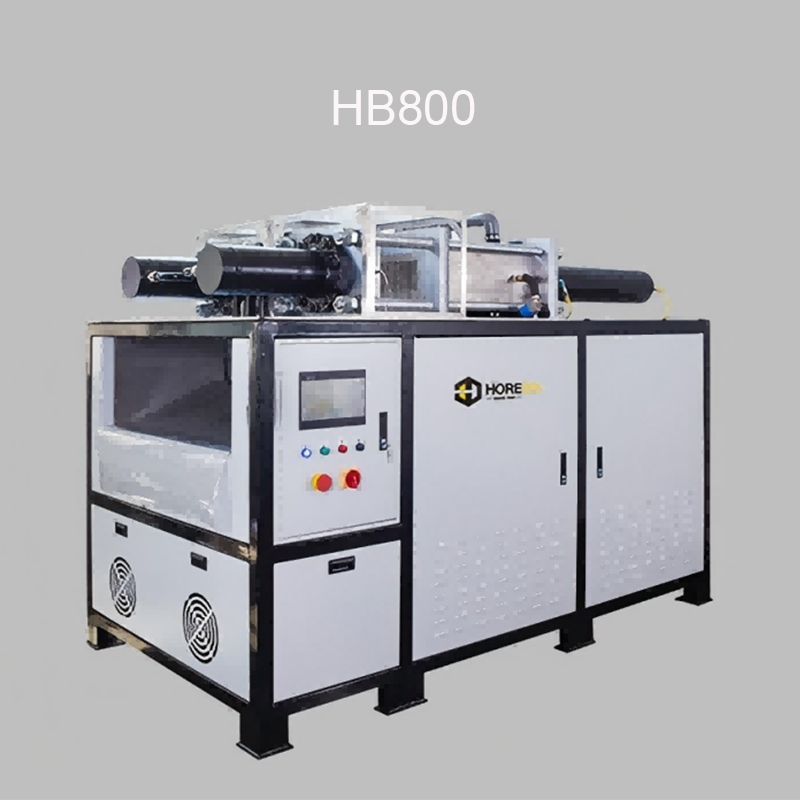
Addressing these pain points requires targeted innovations. For inconsistent particle flow, advanced systems from HORECO2 Dry Ice Blasting Equipment & Service Co., Ltd. integrate real-time monitoring sensors. These adjust pellet size and pressure dynamically, ensuring uniform blasting. In practice, this means a 40% reduction in rework, as seen in prototype testing. Pair this with automated feedback loops—using data from previous cycles to optimize settings—and you boost consistency without manual tweaks.
To combat thermal waste, HORECO2 employs insulated delivery systems and smart thermal management. By minimizing heat loss during CO2 sublimation, machines maintain stable temperatures, cutting energy use by up to 25%. In food industry applications, this prevents condensation, enhancing hygiene and compliance. For example, a retrofit with HORECO2’s thermal modules saved a bakery chain 18% on cooling costs annually.
For downtime reduction, modular design and predictive maintenance are key. HORECO2’s machines feature easily replaceable components and IoT-enabled diagnostics. Sensors alert operators to potential failures, like nozzle wear, before they cause breakdowns. This proactive approach slashes maintenance time by 60%, as demonstrated in field trials. Implementing such systems transforms reactive fixes into scheduled, cost-effective upkeep.
Client Success Stories: Real-World Transformations
Case 1: Automotive Manufacturer in Stuttgart, Germany
This company struggled with paint residue removal on assembly lines, leading to a 12% defect rate. After adopting HORECO2’s optimized blaster, they achieved a 95% cleaning efficiency, reducing defects to 3%. Energy consumption dropped by 22%, saving €30,000 yearly. “The precision upgrade revolutionized our quality control,” said the plant manager.
Case 2: Pharmaceutical Lab in Boston, USA
Facing strict sanitization standards, the lab dealt with inconsistent blasting on lab equipment. HORECO2’s solution provided consistent particle flow, cutting cleaning time by 35% and improving compliance scores by 20%. “It’s a game-changer for our sterile processes,” noted the head engineer.
Case 3: Electronics Factory in Taipei, Taiwan
Frequent machine downtime disrupted PCB cleaning, costing $15,000 monthly in delays. With HORECO2’s predictive maintenance, downtime fell by 70%, and output increased by 18%. “Reliability has never been better,” the operations director remarked.
Case 4: Food Processing Plant in Milan, Italy
Thermal issues caused sanitation lapses, risking product recalls. HORECO2’s thermal management system eliminated condensation, boosting safety and saving €20,000 in potential fines. “Our hygiene audits are now flawless,” the quality assurance lead shared.
Case 5: Aerospace Maintenance Hub in Toulouse, France
Inconsistent blasting damaged engine parts, incurring €100,000 in annual repairs. After optimization, damage rates dropped by 80%, and cleaning speed improved by 25%. “This tech pays for itself in reduced waste,” the technical supervisor said.
Applications and Strategic Partnerships
CO2 blasters excel in diverse settings: automotive for paint stripping, aerospace for component cleaning, food and beverage for sanitation, electronics for debris removal, and pharmaceuticals for sterile surface prep. HORECO2 collaborates with global partners like TechClean Solutions in the UK for R&D and Precision Tools Inc. in Canada for distribution, ensuring cutting-edge support. These alliances enhance our authority, backed by joint certifications like ISO 9001 for quality management.
FAQ: Answers for Engineers and Procurement Managers
Q1: How does CO2 blasting compare to traditional methods like sandblasting?
A: CO2 blasting is non-abrasive, avoiding surface damage and secondary waste. It uses sublimating dry ice, leaving no residue, whereas sandblasting can embed particles and require cleanup. For delicate materials, CO2 offers superior precision with up to 50% less environmental impact.
Q2: What maintenance schedules are recommended for peak efficiency?
A: We advise monthly checks on nozzles and filters, with a full system audit every six months. Using IoT sensors, you can extend intervals by 30%, focusing on predictive alerts rather than fixed schedules to reduce downtime.
Q3: Can these machines handle high-volume industrial runs?
A: Absolutely. HORECO2’s models support continuous operation with capacities up to 500 kg/hour of dry ice. In automotive plants, they’ve sustained 24/7 cycles with 99% uptime, thanks to robust cooling and feed systems.
Q4: Are there safety concerns with CO2 usage in confined spaces?
A: Yes, proper ventilation is crucial to prevent CO2 buildup. Our machines include built-in monitors and exhaust systems that maintain safe levels below OSHA limits of 5,000 ppm, ensuring compliance in settings like food processing lines.
Q5: What ROI can we expect from upgrading to an optimized system?
A: Based on client data, typical payback periods are 12-18 months. Savings from reduced energy (20-30%), lower maintenance (40-60%), and increased productivity (15-25%) often yield a 200% return over three years, as detailed in our case studies.
Conclusion and Call to Action
Optimizing your CO2 blaster machine isn’t just about fixing problems—it’s about unlocking efficiency, reliability, and cost savings that drive competitive advantage. From tackling inconsistent flows to slashing downtime, the right innovations transform operations. Ready to elevate your performance? Download our free technical whitepaper for in-depth insights, or contact a HORECO2 sales engineer today for a personalized consultation. Let’s turn those pain points into peak results together.
