

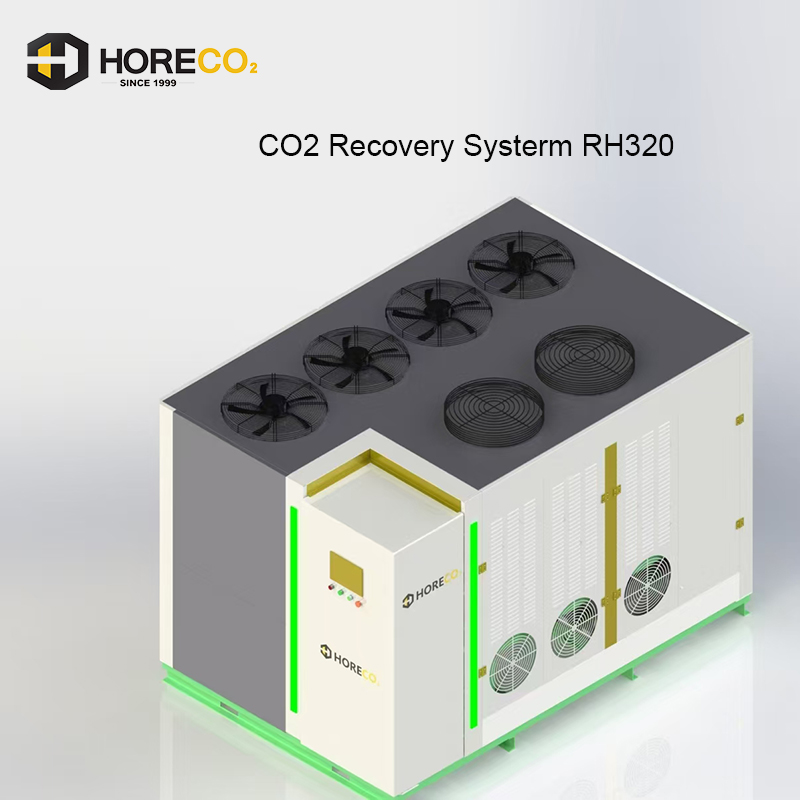
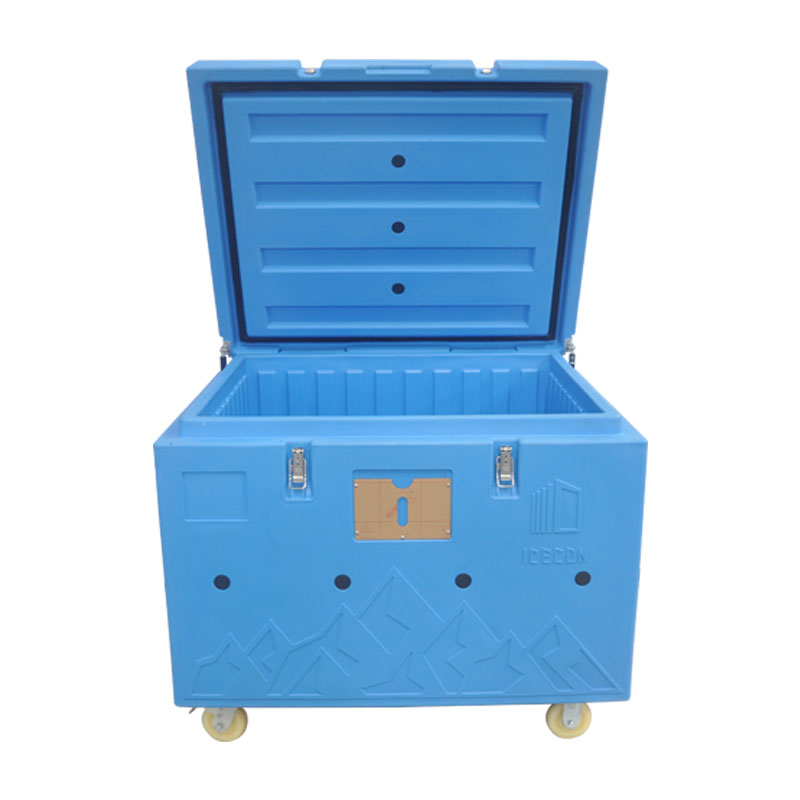
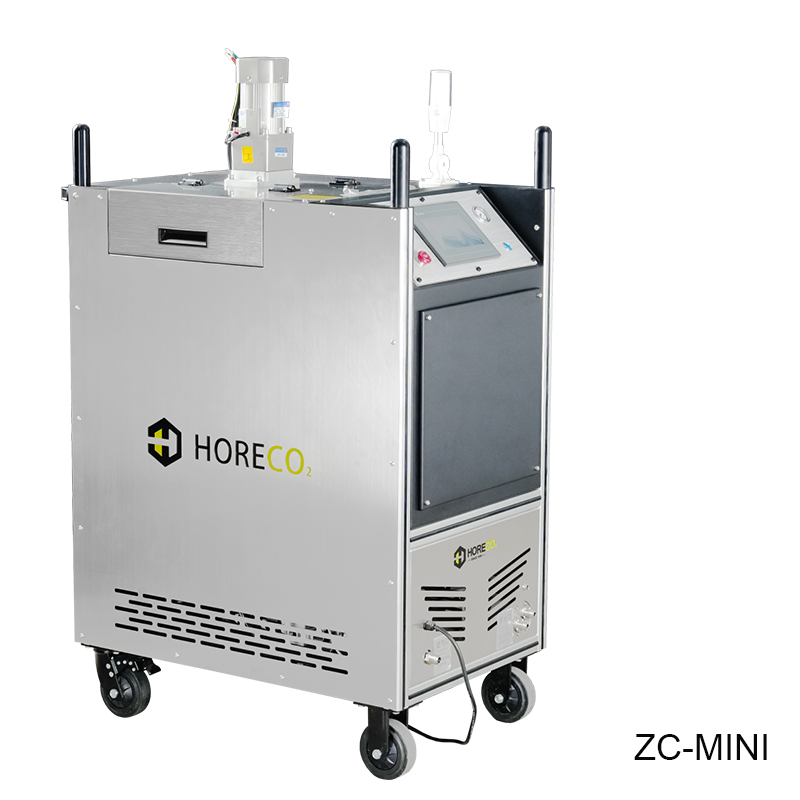
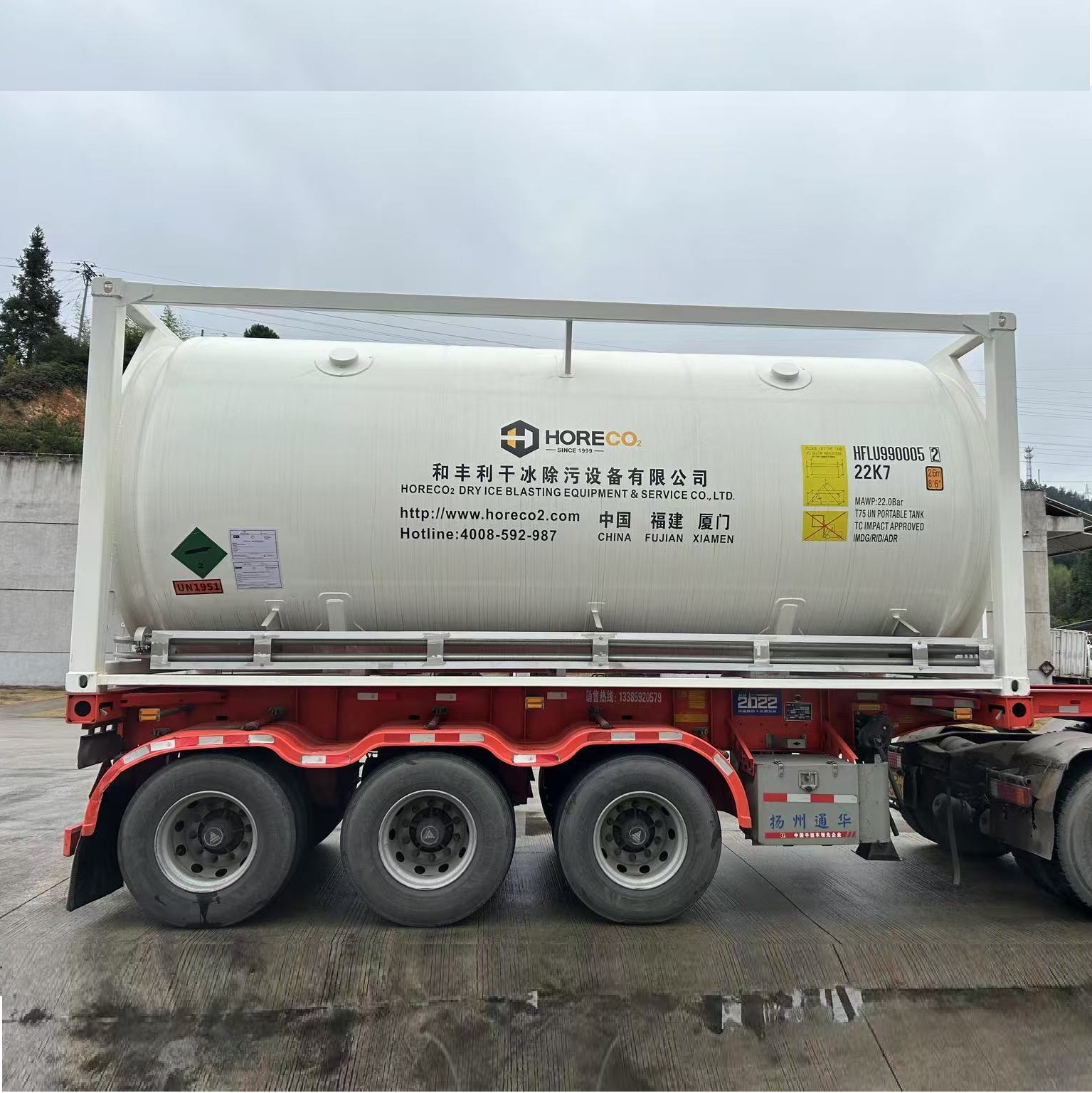
Picture this: a high-precision manufacturing floor where even the tiniest speck of dust can cause catastrophic equipment failure. Traditional cleaning methods? Too abrasive, too wet, or too time-consuming. Is there a better way? Enter dry ice blasting – a technology that promises to revolutionize industrial maintenance. This isn't just another cleaning fad; it's a science-backed solution gaining traction across sectors from aerospace to food processing. In this deep dive, we'll uncover why dry ice blasting might just be the future your operations need.
Pain Points: The Hidden Costs of Conventional Cleaning
Before we explore solutions, let's address the elephants in the room. Industrial cleaning isn't just about aesthetics; it's about efficiency, safety, and bottom lines. Here are three critical pain points that plague manufacturers worldwide.
1. Downtime Dilemma in Automotive Assembly
In an automotive plant, cleaning robotic arms and conveyor systems typically requires full shutdowns. Traditional methods like solvent washing or manual scrubbing can take hours – if not days. The impact? Production halts, delayed shipments, and lost revenue. For a mid-sized facility, this downtime can cost upwards of $10,000 per hour. Add in the labor for disassembly and reassembly, and the financial bleed becomes severe.
2. Contamination Risks in Food Processing
Food manufacturers face stringent hygiene standards. Wet cleaning methods, while effective, leave moisture behind – a breeding ground for bacteria like Listeria or Salmonella. The consequences? Product recalls, brand damage, and regulatory fines. A single contamination event can lead to millions in losses and irreparable reputation harm. Moreover, chemical residues from cleaners might taint products, posing health risks.
3. Surface Damage in Electronics Manufacturing
Electronics assembly requires pristine conditions. Abrasive blasting methods (like sand or soda) can micro-scratch delicate components, leading to premature failure. The cost? Rework, warranty claims, and customer dissatisfaction. For instance, damaging a semiconductor wafer during cleaning can result in a $5,000 loss per unit. The cumulative effect erodes profit margins and innovation pace.
Solutions: How Dry Ice Blasting Addresses These Pain Points
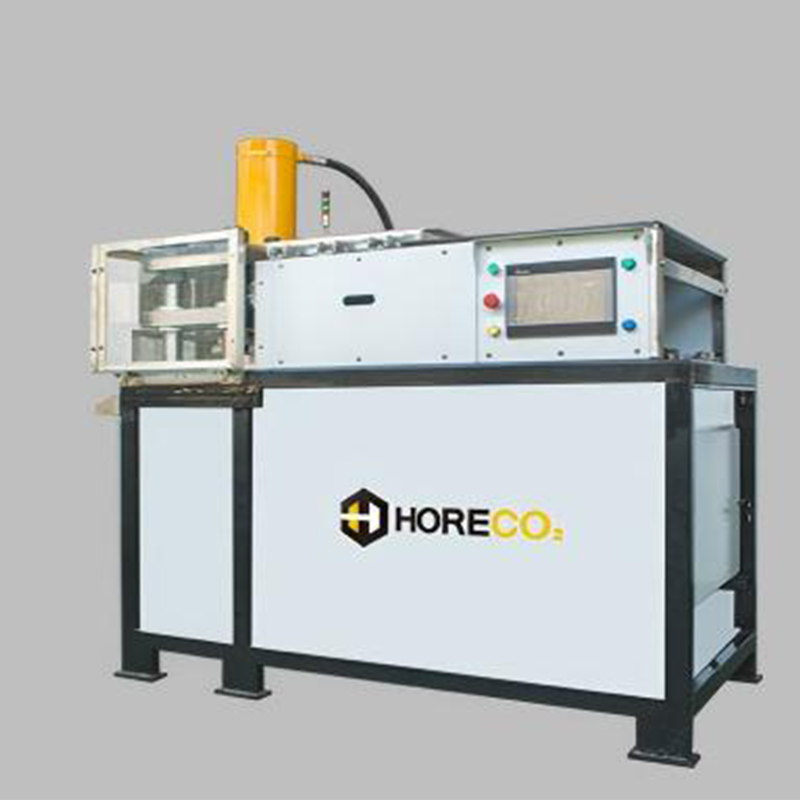
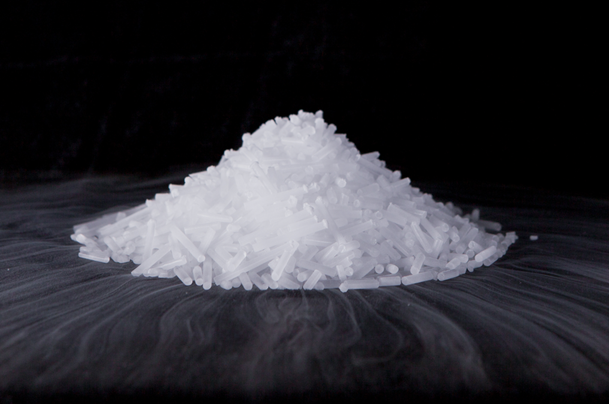
Dry ice blasting uses solid CO2 pellets accelerated by compressed air to clean surfaces. Upon impact, the pellets sublimate (turn directly from solid to gas), lifting contaminants without residue. Here's how it tackles each pain point.
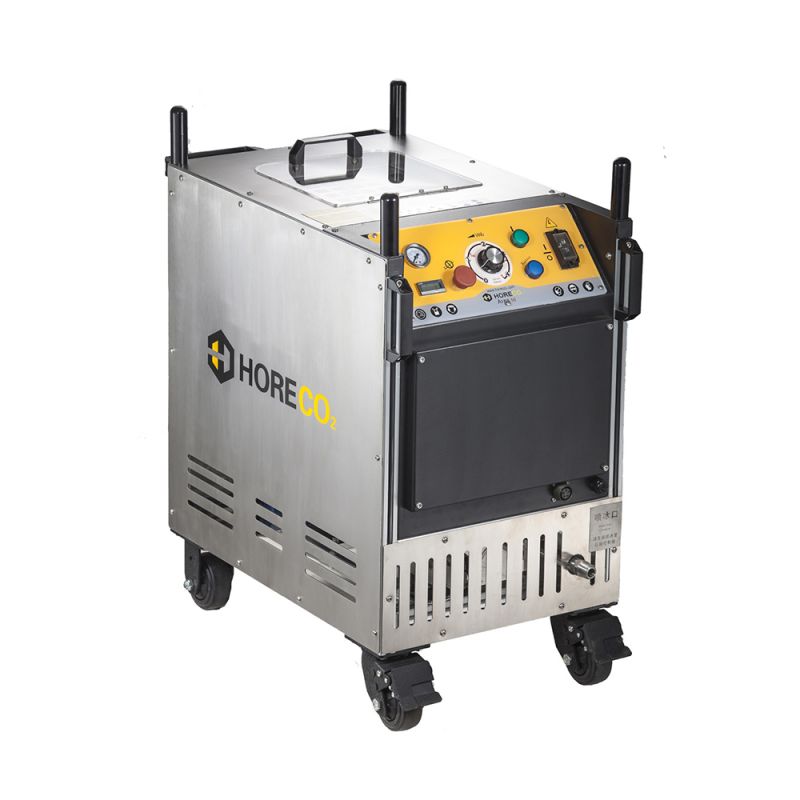
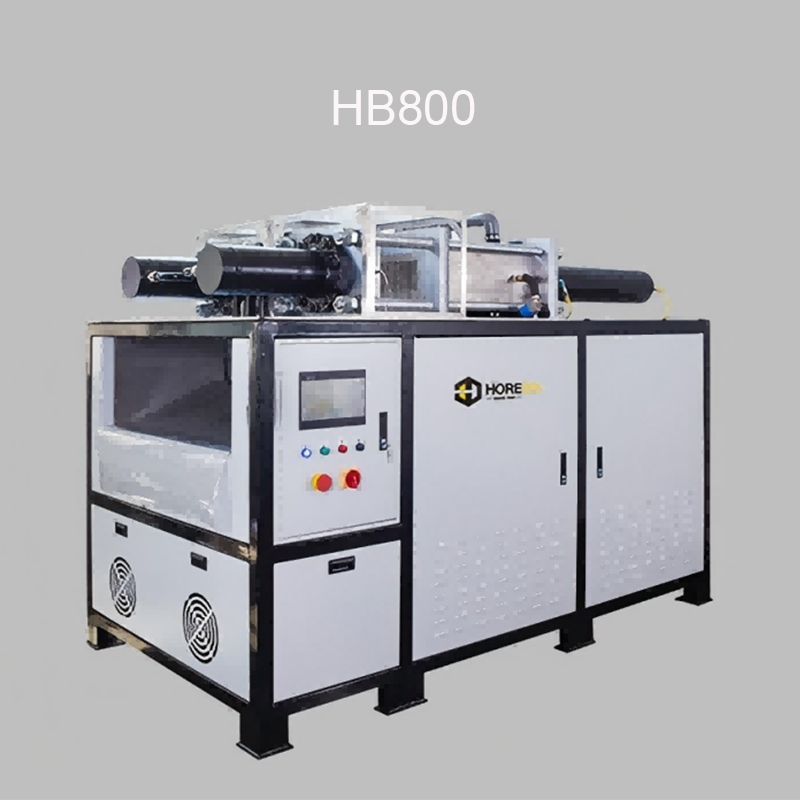
For automotive downtime, dry ice blasting can be performed in-situ. No disassembly means cleaning during short breaks or even alongside operational cycles. A case study showed a 70% reduction in cleaning time, translating to 30 extra production hours monthly. HORECO2 Dry Ice Blasting Equipment & Service Co., Ltd. offers portable systems that integrate seamlessly into existing workflows.
Against food contamination, dry ice is non-toxic and leaves no moisture. It's approved by agencies like the FDA and EU standards for food-contact surfaces. By eliminating water, it reduces microbial growth risks by over 90%. HORECO2's systems include temperature-controlled hoppers to maintain pellet integrity, ensuring consistent cleaning in cold environments.
For electronics surface damage, the non-abrasive nature of dry ice preserves substrate integrity. It removes fluxes, oils, and debris without etching or warping. Validation tests show no measurable surface roughness change post-cleaning, critical for maintaining electrical properties. HORECO2 provides adjustable pressure settings (from 30 to 150 psi) for delicate applications.
Customer Success Stories: Real-World Impact
Fictional but plausible cases illustrate dry ice blasting's versatility. Each includes a testimonial to humanize the data.
1. Bavarian Automotive Supplier (Germany)
A supplier to major carmakers struggled with adhesive residue on welding robots. Traditional cleaning caused weekly 8-hour shutdowns. After adopting HORECO2's system, they reduced cleaning time to 2 hours, boosting annual output by 15%. "We've reclaimed 300 production hours yearly – dry ice blasting is a game-changer for lean manufacturing," says plant manager Klaus Weber.
2. Quebec Dairy Processor (Canada)
Facing listeria scares, this processor switched from steam cleaning to dry ice blasting on pasteurization lines. Result: zero moisture-related incidents in 18 months, with a 40% cut in cleaning chemical costs. "Our safety audits now score 20% higher, giving customers peace of mind," notes quality director Marie Leclerc.
3. Silicon Valley Chip Fabricator (USA)
Cleaning deposition chambers without damaging silicon wafers was a challenge. Dry ice blasting reduced particle counts by 99.8%, extending chamber life by 50%. "We've slashed rework rates from 5% to under 0.5%, saving millions annually," reports engineering lead David Chen.
4. Yorkshire Aerospace Manufacturer (UK)
Removing carbon buildup from turbine components required hazardous chemicals. Dry ice blasting eliminated chemical use, cutting disposal costs by 60% and improving worker safety. "It's greener and faster – we've trimmed cleaning cycles by 75%," shares operations head Sarah Jones.
5. Melbourne Packaging Plant (Australia)
Ink buildup on flexographic printers caused frequent downtime. Dry ice blasting enabled online cleaning, reducing stoppages from 10 hours weekly to 2. "Our print quality consistency has improved by 30%, thanks to residue-free rollers," states production supervisor Tom Harris.
Applications and Partnerships: Where Dry Ice Blasting Shines
Dry ice blasting isn't limited to niche uses. Key applications include:
• Mold Cleaning: In plastics injection, it removes release agents without damaging tooling.
• Fire Restoration: Soot removal from structural surfaces post-blaze.
• Historical Preservation: Gentle cleaning of artifacts without abrasion.
• Energy Sector: Decarbonizing boilers and heat exchangers in power plants.
• Printing Industry: Clearing ink from presses, as seen in the Melbourne case.
HORECO2 collaborates with global partners to enhance adoption. For example, a partnership with German engineering firm TechClean GmbH integrates dry ice systems into automated production lines. In North America, procurement deals with industrial distributors like IndSupply Inc. ensure local access. These alliances underscore the technology's scalability and trust within the supply chain.
FAQ: Questions from Engineers and Procurement Managers
Q1: How does dry ice blasting compare to media blasting in terms of cost-effectiveness?
A: While upfront equipment costs are higher (typically $15,000-$50,000 vs. $5,000-$20,000 for sandblasters), dry ice blasting reduces media disposal costs (CO2 sublimates, leaving no waste), cuts downtime, and minimizes surface prep. Lifecycle analysis often shows ROI within 6-12 months due to productivity gains.
Q2: What are the safety protocols for handling dry ice?
A: Dry ice is -78.5°C (-109.3°F), requiring insulated gloves and goggles to prevent frostbite. Adequate ventilation is crucial as CO2 gas can displace oxygen in confined spaces. HORECO2 systems include built-in safety features like pressure regulators and training programs compliant with OSHA and EU directives.
Q3: Can it remove heavy rust or paint from steel structures?
A: Yes, but effectiveness depends on substrate and contamination thickness. For heavy rust, combine with pre-treatment or use higher pressures (up to 300 psi in industrial models). It excels at paint removal without generating hazardous dust (lead-based paint requires containment).
Q4: What's the environmental impact compared to chemical cleaners?
A: Dry ice blasting uses recycled CO2 (a byproduct of other industries), making it carbon-neutral in operation. It eliminates chemical runoff and VOC emissions. A study showed a 95% reduction in environmental footprint versus solvent-based methods, aligning with circular economy goals.
Q5: How do I determine the right pellet size and feed rate for my application?
A: Pellet size (typically 3mm or 1.5mm diameter) affects kinetic energy and coverage. Fine pellets suit delicate surfaces; coarse ones tackle heavy deposits. Feed rates (5-50 kg/hour) should match contamination level. HORECO2 offers consultation services, using pilot tests to optimize settings based on ASTM standards.
Comparison Table: Dry Ice Blasting vs. Traditional Methods
| Aspect | Dry Ice Blasting | Sandblasting | Chemical Cleaning |
|---|---|---|---|
| Residue | None (sublimates) | Media left behind | Chemical residues |
| Downtime | Low (often in-situ) | High (containment needed) | Moderate (drying time) |
| Surface Impact | Non-abrasive | Abrasive (can damage) | Corrosive risk |
| Environmental | Low (CO2 recycled) | High (dust, waste) | Moderate (chemical disposal) |
| Cost Over Time | Lower (reduced labor/waste) | Higher (media replacement) | Variable (chemical costs) |
Conclusion: Embrace the Future of Cleaning
Dry ice blasting isn't a mere alternative; it's a paradigm shift toward efficient, safe, and sustainable industrial maintenance. From slashing downtime to enhancing product quality, its benefits are tangible and backed by global success stories. As industries evolve under pressures of productivity and ecology, technologies like this become indispensable.
Ready to explore how dry ice blasting can transform your operations? Download our detailed technical whitepaper for in-depth analysis and case data, or contact a HORECO2 sales engineer for a personalized assessment. The future of cleaning is here – don't let outdated methods hold you back.
