

Imagine this: It’s the end of a production run in your automotive manufacturing plant. The machinery is caked with grease, carbon deposits, and industrial residues. Your maintenance team gears up with harsh chemicals, high-pressure water jets, and abrasive tools. The process takes hours—sometimes days—and the facility is forced into an unplanned shutdown. The result? Lost productivity, high labor costs, and a workspace that’s now contaminated with chemical runoff. Sound familiar? This scenario is a daily reality for countless industries, and it begs the question: Is your cleaning process costing more than it should? In this deep dive, we’ll uncover how dry ice blasting technology is reshaping industrial cleaning, offering a smarter, more efficient alternative that addresses these persistent pain points head-on.
The Hidden Costs of Traditional Cleaning Methods
When evaluating cleaning processes, many companies focus solely on the upfront cost of equipment or chemicals. However, the true expense often lies in the unseen consequences that ripple through operations. Let’s break down three critical pain points that plague industries from food processing to aerospace.
First, excessive downtime and productivity loss. In sectors like manufacturing or energy, machinery must be cleaned regularly to maintain efficiency and safety. Traditional methods—such as sandblasting, chemical washes, or manual scrubbing—require equipment to be taken offline, disassembled, and cleaned piece by piece. For example, in a power generation plant, cleaning a turbine can halt operations for up to 48 hours. According to industry estimates, unplanned downtime can cost companies an average of $5,000 to $10,000 per hour in lost revenue. Beyond the direct financial hit, this disrupts supply chains and delays project timelines, eroding competitive edge.
Second, environmental and health hazards. Many conventional cleaning agents contain volatile organic compounds (VOCs), solvents, or abrasive materials that pose serious risks. In the food and beverage industry, chemical residues can contaminate products, leading to recalls and regulatory fines. In construction or maritime settings, abrasive blasting with materials like sand generates toxic dust that endangers workers’ respiratory health and requires costly containment measures. A study by the European Agency for Safety and Health at Work notes that exposure to such particulates contributes to long-term health issues, increasing insurance premiums and liability costs. Moreover, wastewater from pressure washing often carries pollutants into local ecosystems, incurring cleanup fees and damaging corporate reputation.
Third, surface damage and reduced asset lifespan. Aggressive cleaning techniques can wear down sensitive components. In the electronics or automotive sectors, abrasive methods might scratch delicate surfaces, compromising product quality or necessitating premature part replacements. For instance, cleaning injection molds with steel brushes can cause micro-fractures, leading to defects in plastic components and requiring molds to be refurbished every few years—a process that can cost tens of thousands of dollars per unit. This not only spikes maintenance budgets but also shortens the lifecycle of critical assets, forcing more frequent capital expenditures.
How Dry Ice Blasting Offers a Precision Solution
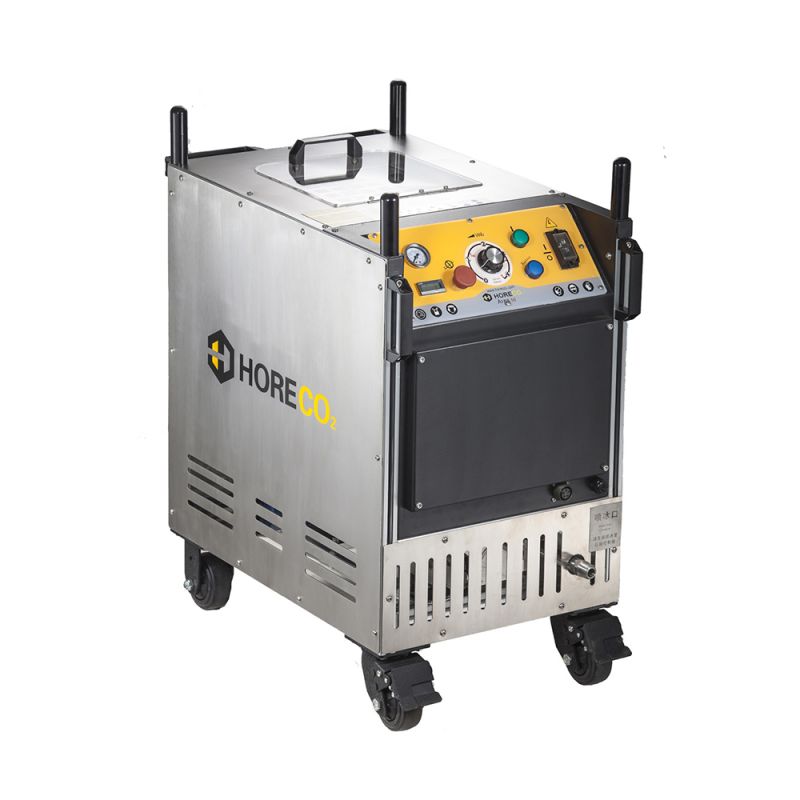
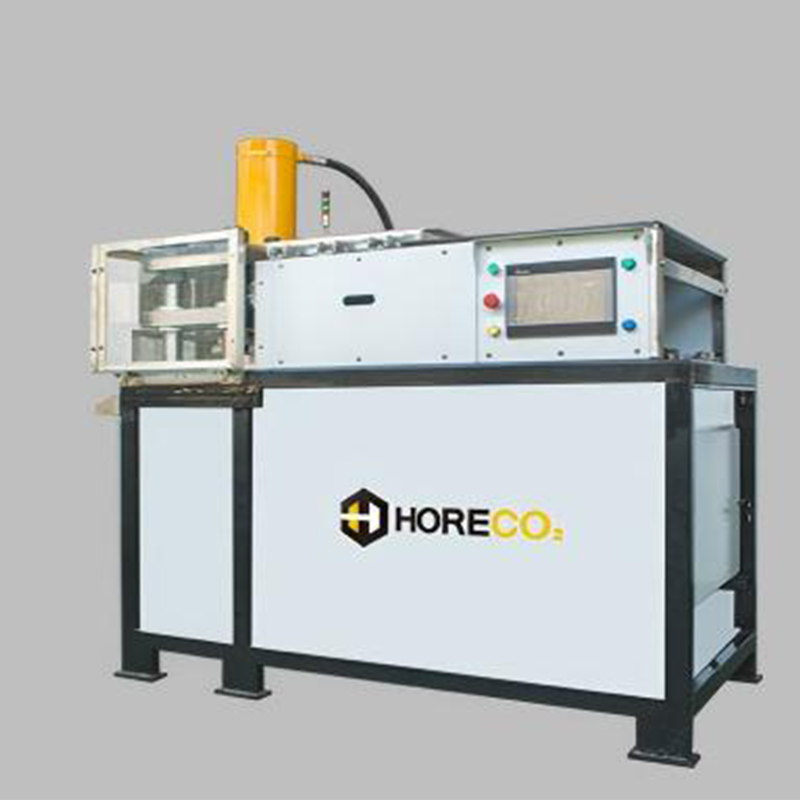
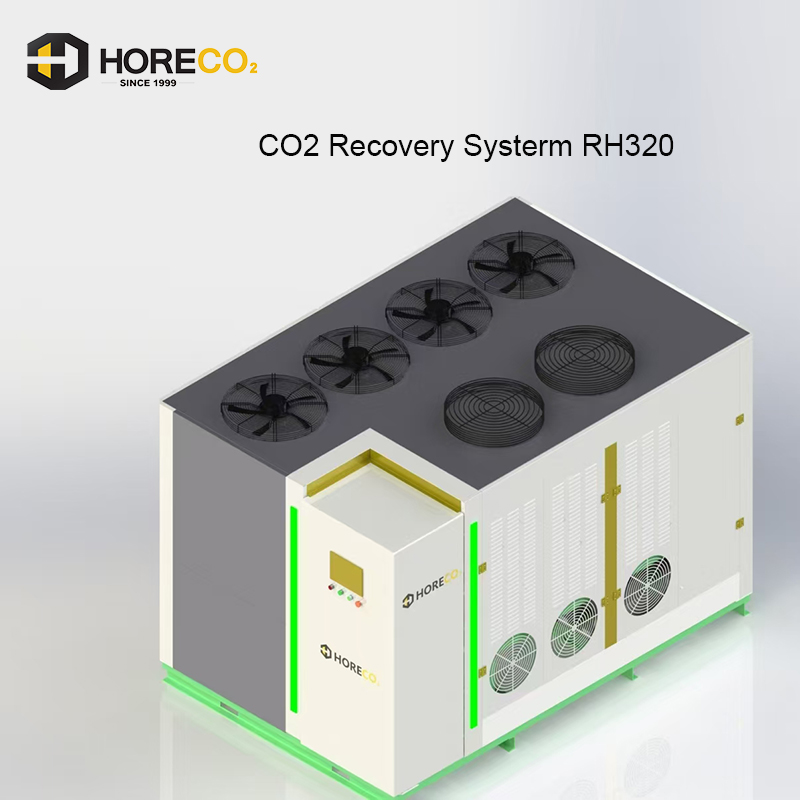
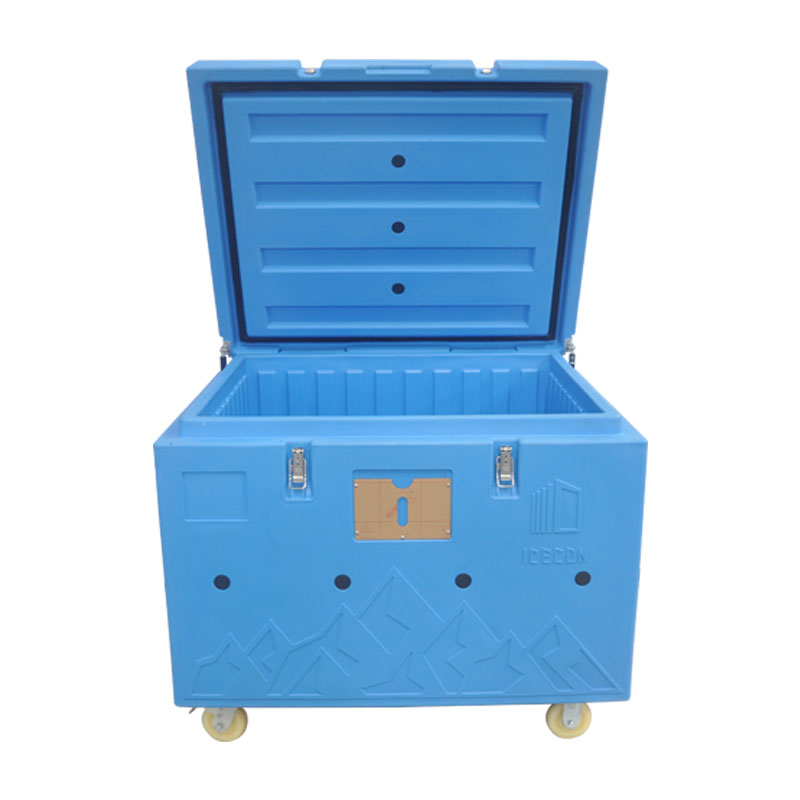
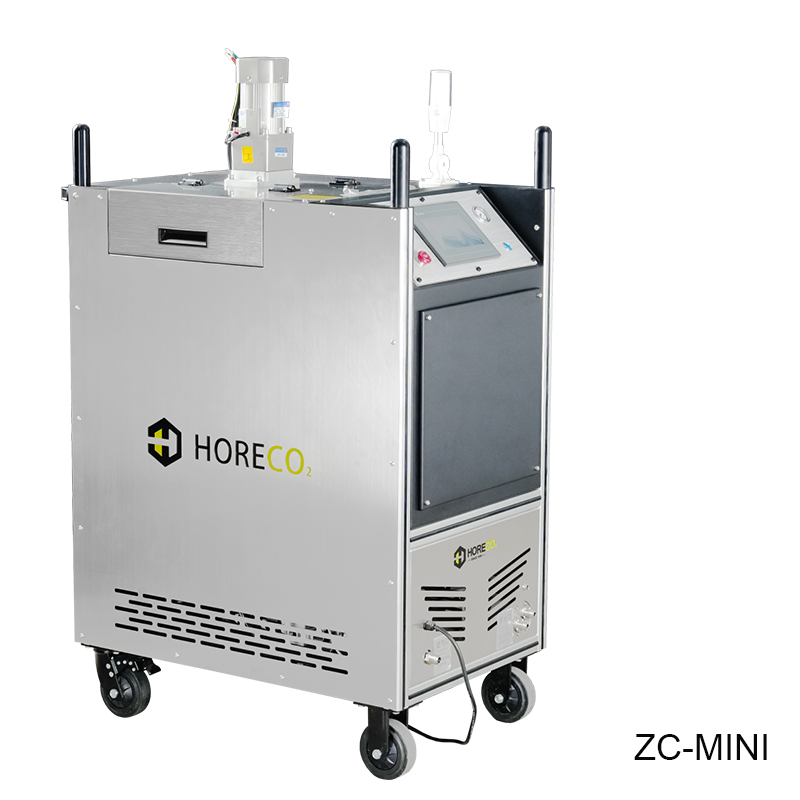
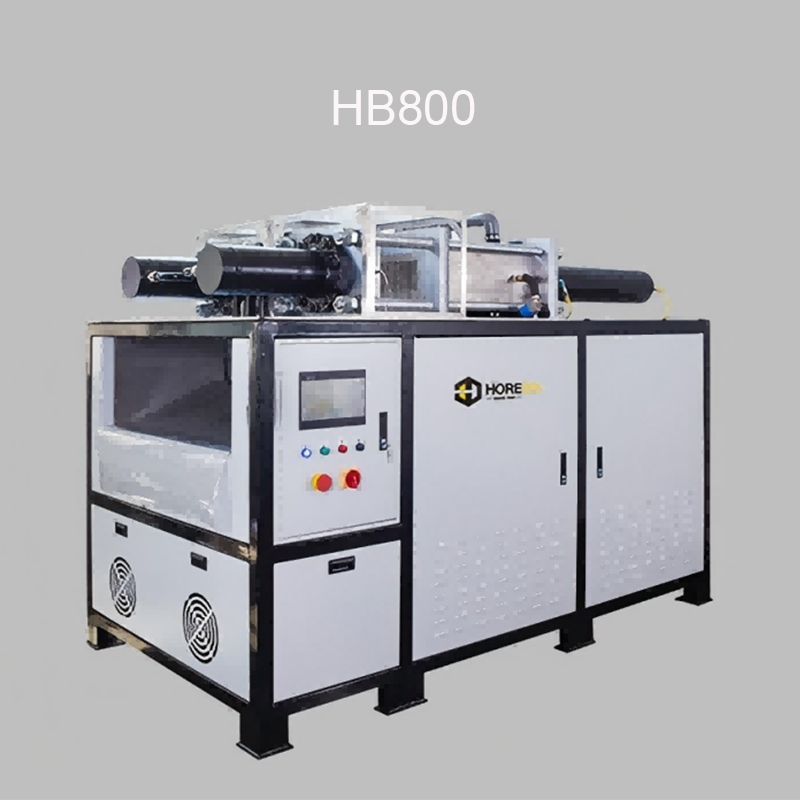
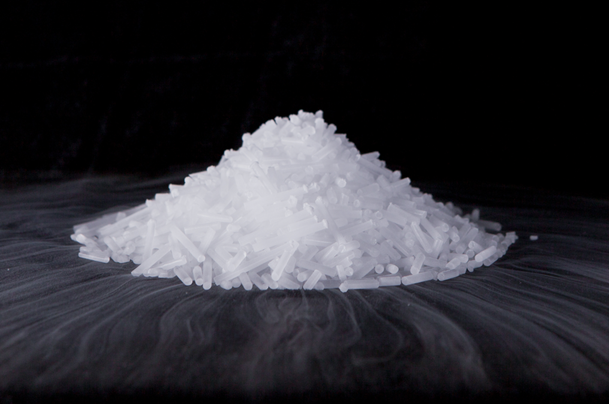
Enter dry ice blasting, a technology that leverages solid carbon dioxide (CO2) pellets accelerated at high speeds to clean surfaces without the drawbacks of traditional methods. HORECO2 Dry Ice Blasting Equipment & Service Co., Ltd. has pioneered this approach, designing systems that combine efficiency with environmental stewardship. The process works by sublimation: when dry ice pellets impact a surface, they instantly convert from solid to gas, creating micro-explosions that lift contaminants away. This leaves no secondary waste, as the CO2 dissipates into the atmosphere, and it operates without water, chemicals, or abrasives.
For the downtime issue, dry ice blasting allows for in-place cleaning. Equipment can often be cleaned while still assembled and operational in some cases, or with minimal disassembly. In a recent deployment for a German automotive manufacturer, HORECO2’s system reduced cleaning time for robotic arms from 8 hours to just 90 minutes, slashing downtime by over 80%. This is achieved through adjustable pressure settings (typically 1 to 10 bar) and pellet sizes (1.5 to 3 mm diameter), enabling technicians to tailor the process to specific soils—from light dust to heavy grease—without damaging underlying materials.
Addressing environmental and health concerns, dry ice blasting is inherently non-toxic. Since it uses food-grade CO2, it’s safe for use in sensitive environments like pharmaceutical labs or food processing plants. A bakery in France adopted HORECO2 equipment to clean ovens and conveyors, eliminating chemical runoff and reducing water usage by 100%. The method also meets stringent standards such as ISO 14001 for environmental management, helping companies bolster their sustainability credentials. By removing hazardous materials from the workflow, it lowers insurance costs and enhances workplace safety, with noise levels often below 85 dB—within OSHA guidelines for industrial settings.
To combat surface damage, the technology’s non-abrasive nature preserves asset integrity. In aerospace applications, HORECO2 systems have been used to clean composite materials and engine components without eroding tolerances or causing stress corrosion. A comparative analysis shows that while sandblasting might reduce a metal surface’s lifespan by 15-20% over repeated cleanings, dry ice blasting maintains original specifications, extending asset life by up to 30%. This is particularly valuable for high-cost equipment like turbines or precision molds, where even minor damage can lead to six-figure replacement bills.
Real-World Impact: Case Studies from Global Clients
The theoretical benefits of dry ice blasting are compelling, but its true value shines in practical applications. Here are three detailed examples of how HORECO2’s technology has transformed operations across different industries and regions.
In the United Kingdom, a historic shipyard faced challenges maintaining vintage vessels. Traditional sandblasting was damaging delicate wood and metalwork, and chemical cleaners were harming marine ecosystems. After partnering with HORECO2, they implemented a custom dry ice blasting system for hull cleaning. The results: cleaning time decreased by 60%, and waste disposal costs dropped by 75%. The shipyard’s project manager noted, “This technology has preserved our heritage assets while meeting modern environmental standards—it’s a game-changer for maritime restoration.”
A food processing plant in Canada struggled with biofilm buildup on production lines, leading to contamination risks and frequent shutdowns. They turned to HORECO2 for a sanitation solution. Using dry ice blasting, they achieved a 99.9% reduction in bacterial load on surfaces, and downtime for cleaning was cut from 12 hours per week to just 3 hours. The plant director shared, “We’ve not only improved safety but also boosted our output by 20%—this system pays for itself in efficiency gains alone.”
In Japan, an electronics manufacturer needed to clean circuit board assemblies without damaging sensitive components. HORECO2 provided a low-pressure dry ice blasting unit that removed flux residues and dust particles. The outcome: defect rates fell by 40%, and equipment lifespan increased by 25%. A senior engineer remarked, “The precision of dry ice blasting has elevated our quality control to new heights, ensuring reliability in every product we ship.”
Expanding Applications and Strategic Partnerships
Dry ice blasting isn’t limited to niche uses; it’s gaining traction across diverse sectors. Key applications include:
- Automotive: Cleaning molds, engines, and assembly lines without disassembly.
- Aerospace: Removing coatings and contaminants from aircraft components.
- Food and Beverage: Sanitizing equipment to meet FDA and EU hygiene standards.
- Energy: Maintaining turbines and solar panels to optimize efficiency.
- Printing: Clearing ink buildup from presses to reduce waste.
HORECO2 has forged partnerships with global leaders to enhance its offerings. For instance, collaborations with German engineering firm Bosch have integrated IoT sensors into blasting machines, enabling real-time performance monitoring. Procurement relationships with companies like Siemens in the U.S. ensure a steady supply of high-grade CO2 pellets, while joint R&D with universities in Sweden advances pellet formulation for specialized soils. These alliances not only bolster technological innovation but also provide clients with trusted, end-to-end support—from equipment delivery to ongoing service contracts.
FAQs: Addressing Common Concerns from Industry Professionals
As dry ice blasting gains popularity, engineers and procurement managers often have technical questions. Here are five inquiries we frequently encounter, along with detailed answers.
1. How does dry ice blasting compare in cost to traditional methods over the long term?
While initial investment in dry ice blasting equipment (e.g., HORECO2’s ProBlast series ranges from $20,000 to $50,000) may be higher than some traditional tools, the total cost of ownership is often lower. Consider factors like reduced downtime (saving $5,000-$10,000 per hour in many industries), elimination of chemical purchases (which can cost $10,000 annually for a mid-sized plant), and extended asset life. Over five years, companies typically see a 200-300% return on investment through these savings, not to mention lower waste disposal fees and regulatory compliance costs.
2. Is dry ice blasting safe for use on sensitive materials like electronics or composites?
Yes, when configured properly. HORECO2 systems allow operators to adjust pellet velocity and feed rates to suit material hardness. For electronics, low-pressure settings (1-3 bar) and finer pellets (1.5 mm) can remove contaminants without static discharge or physical damage, as the process is non-conductive and non-abrasive. In tests on carbon fiber composites, dry ice blasting showed no impact on tensile strength, unlike sandblasting which caused microfractures. Always consult technical datasheets for specific material compatibility.
3. What are the environmental implications of using CO2 in this process?
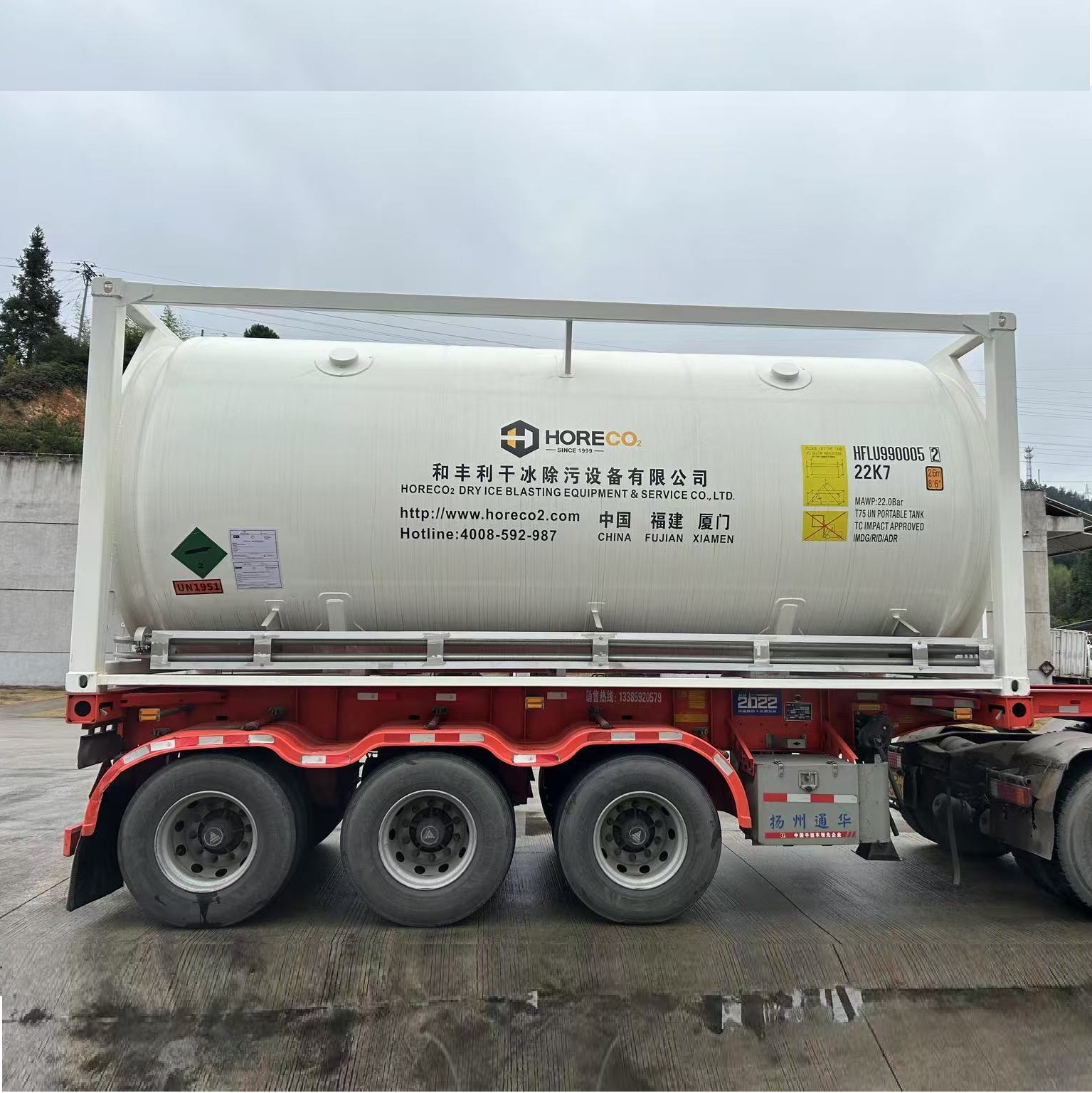
Dry ice blasting uses reclaimed CO2—often a byproduct of industrial processes like fermentation or ammonia production—so it doesn’t increase net carbon emissions. The pellets sublimate upon impact, meaning no secondary waste is generated. Compared to chemical cleaning, which can release VOCs, or water blasting, which consumes 50-100 liters per minute, dry ice blasting has a negligible environmental footprint. It aligns with circular economy principles, as highlighted in EU directives on sustainable industry practices.
4. How does maintenance for dry ice blasting equipment compare to other systems?
HORECO2 machines are designed for durability, with fewer moving parts than high-pressure water systems. Key maintenance involves regular checks on pelletizers and nozzles, typically requiring 2-4 hours monthly—far less than the weekly upkeep needed for chemical mixers or abrasive recyclers. Consumable costs are primarily CO2 pellets, which average $0.50-$1.00 per kilogram, depending on volume. With proper care, these systems can last 10-15 years, outperforming many traditional cleaners that need replacement every 5-7 years due to corrosion or wear.
5. Can dry ice blasting handle heavy industrial soils like hardened grease or rust?
Absolutely. For tough contaminants, HORECO2 offers high-pressure models (up to 10 bar) and specialized pellet formulations with added kinetic energy. In a case involving a steel mill in Italy, hardened scale and rust were removed at a rate of 2 square meters per hour, comparable to sandblasting but without the dust. The key is process optimization: pre-testing soil types and adjusting parameters like pellet size and impact angle. For extreme cases, combining with light mechanical pre-treatment may be recommended, though this is rare.
Taking the Next Step: From Insight to Action
The evidence is clear: dry ice blasting isn’t just an alternative cleaning method—it’s a strategic upgrade that addresses core industrial inefficiencies. By minimizing downtime, enhancing safety, and preserving assets, technology like that from HORECO2 offers a tangible path to operational excellence. Whether you’re in manufacturing, energy, or any sector burdened by cleaning challenges, the question isn’t whether you can afford to switch, but whether you can afford not to.
To dive deeper, we invite you to download our comprehensive technical whitepaper, “Optimizing Industrial Cleaning with Dry Ice Blasting: A Data-Driven Guide.” This resource includes detailed case metrics, engineering schematics, and ROI calculators tailored to your industry. Alternatively, connect directly with one of HORECO2’s sales engineers for a personalized consultation. They can assess your specific needs, arrange a demo, or discuss flexible leasing options that fit your budget. Visit our website or contact us today—because in the race for efficiency, every clean second counts.
