

Introduction: A Question That Reshapes Industries
Imagine stepping into an automotive manufacturing plant where every surface gleams without a trace of chemical residue, or a food processing facility where sanitation meets sustainability head-on. This isn’t a futuristic vision—it’s the reality being unlocked by dry ice pellet machines. In this blog, we’ll explore how these systems are addressing long-standing industrial woes, backed by technical precision and real-world validation.
Pain Points: The Hidden Costs of Traditional Cleaning
Many industries grapple with inefficient cleaning methods that drain resources and compromise safety. In aerospace, for example, removing coatings from engine components often involves abrasive blasting, which can damage delicate parts and lead to costly rework—estimated at over $50,000 per incident in downtime and repairs. Similarly, in pharmaceuticals, chemical-based cleaning poses contamination risks, potentially resulting in batch losses upwards of $100,000. These scenarios highlight a critical need for non-abrasive, residue-free alternatives.
Technical Solutions: How Dry Ice Pellet Machines Work
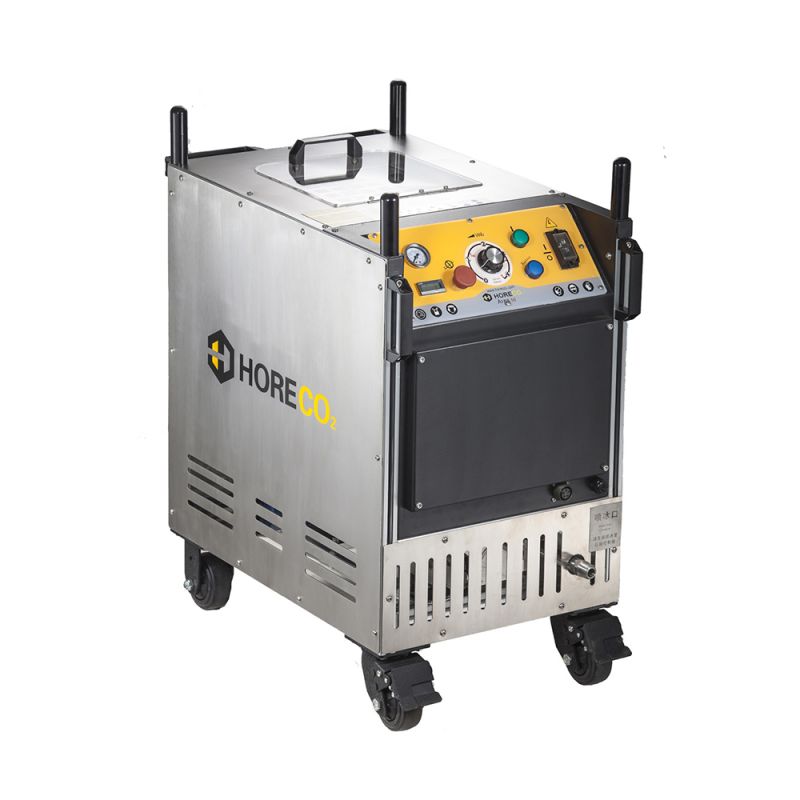
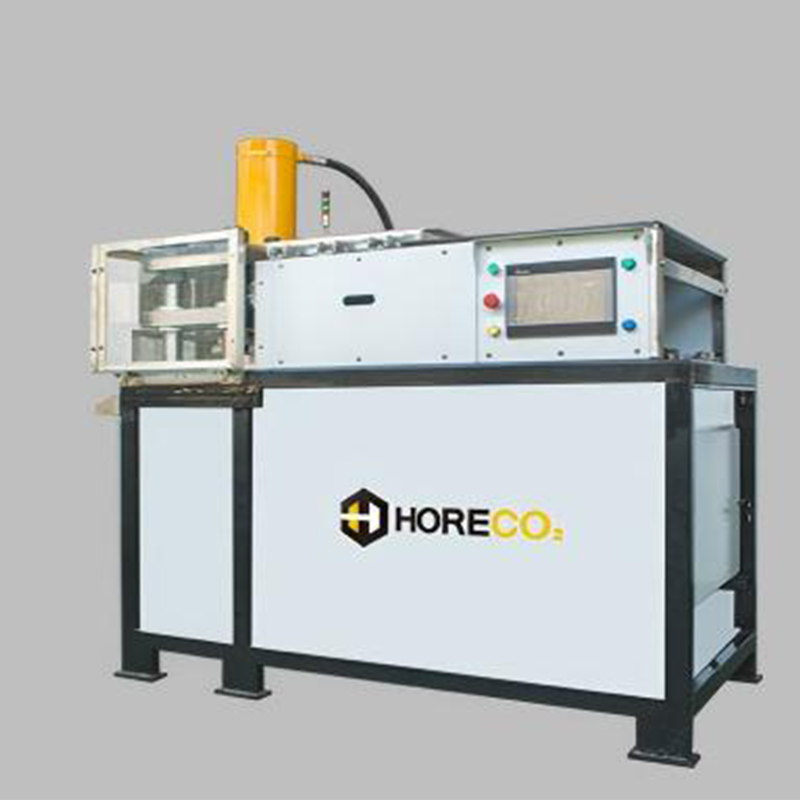
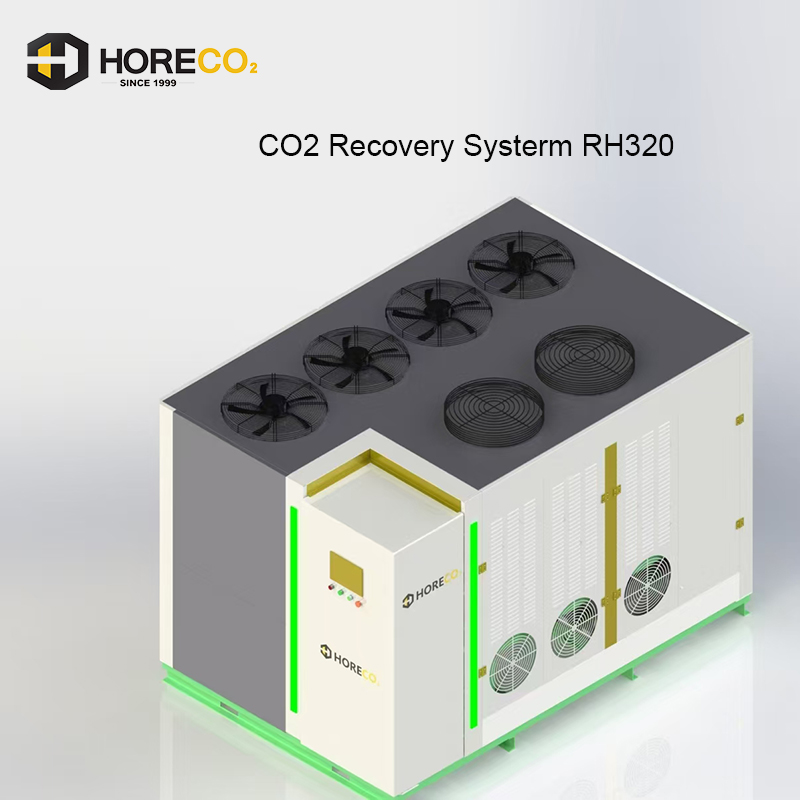
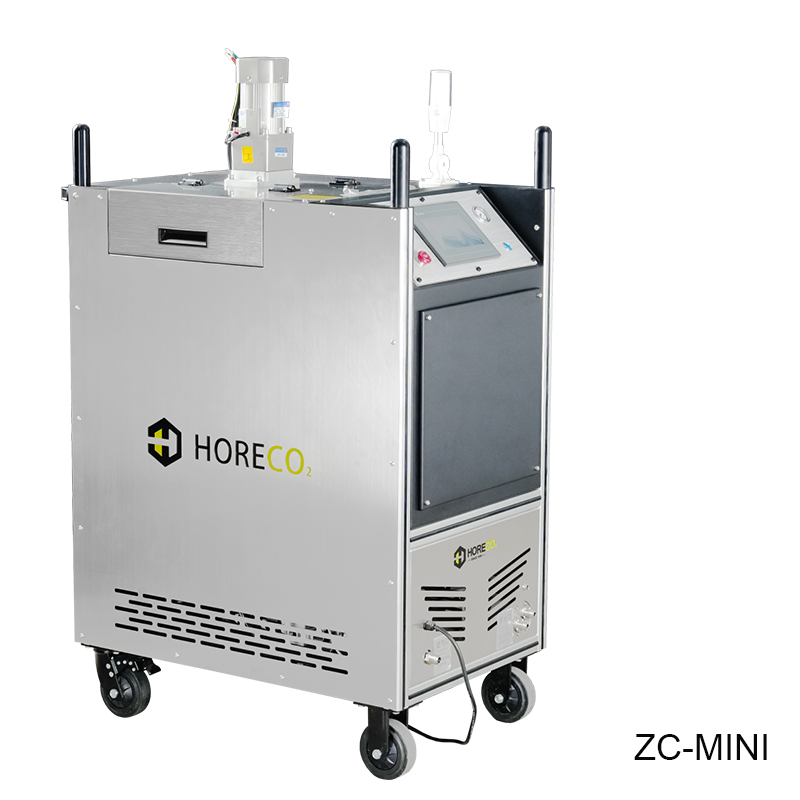
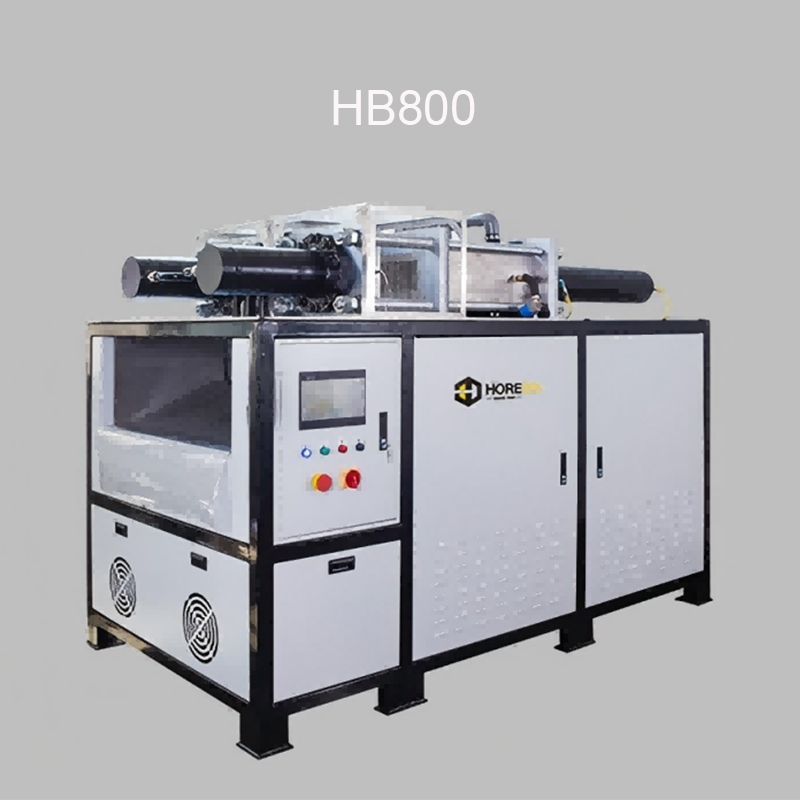
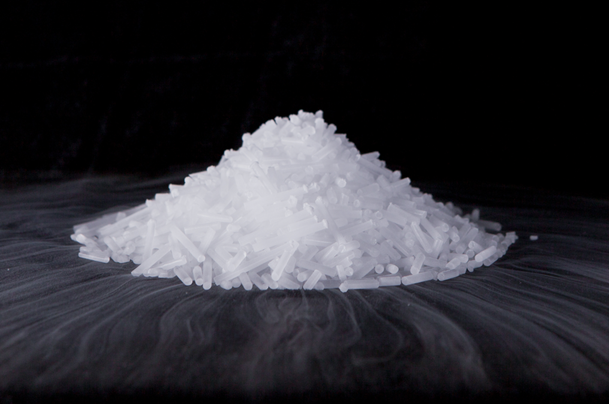
Dry ice pellet machines, like those from HORECO2 Dry Ice Blasting Equipment & Service Co., Ltd., utilize solid CO2 pellets accelerated at high velocities. Upon impact, the pellets sublimate, lifting contaminants without leaving moisture or secondary waste. This process aligns with standards such as ISO 8501-1 for surface preparation, ensuring compatibility with industries requiring high precision. By eliminating chemical use and reducing water consumption, these systems cut operational costs by up to 40% in some applications.
Success Stories: Measurable Impact Across Regions
In Germany, an automotive manufacturer reduced cleaning time for mold tools by 60%, saving €30,000 annually in labor and maintenance. A plant manager noted, “This technology has revolutionized our workflow, delivering pristine results without downtime.” In the United States, a food processing plant in California saw a 50% drop in water usage and a 30% increase in equipment lifespan after switching to dry ice blasting. Meanwhile, a Canadian aerospace facility reported zero part damage over six months, enhancing compliance with safety regulations.
Applications and Partnerships: Expanding Industrial Reach
Dry ice pellet machines are versatile, serving sectors from electronics (cleaning circuit boards) to heritage restoration (gentle surface cleaning). HORECO2 collaborates with global partners like automotive suppliers in Japan and energy companies in Europe, providing tailored solutions that integrate with existing production lines. These relationships underscore the company’s authority in delivering reliable, industry-specific equipment.
FAQ: Insights from Engineers and Buyers
| Question | Answer |
|---|---|
| How does pellet size affect cleaning efficiency? | Smaller pellets (3mm) offer finer cleaning for delicate surfaces, while larger ones (16mm) tackle heavy-duty tasks; HORECO2 machines allow adjustable settings for optimal performance. |
| What maintenance is required for these machines? | Routine checks on pelletizers and airflow systems are needed, with annual servicing recommended to prevent wear, based on usage of 500+ hours. |
| Can dry ice blasting handle high-temperature surfaces? | Yes, up to 200°C, as the sublimation process cools surfaces temporarily, making it safe for post-weld cleaning without thermal shock. |
| Is there a risk of static buildup in sensitive environments? | Modern systems include grounding mechanisms and anti-static features, compliant with ATEX directives for explosive atmospheres. |
| How does this compare to other blasting methods cost-wise? | While initial investment is higher, reduced waste disposal and labor costs lead to ROI within 12-18 months, per industry case studies. |
Conclusion: Your Path to Smarter Cleaning
Dry ice pellet machines are more than just tools—they’re catalysts for efficiency and sustainability. By addressing core industrial challenges with innovative technology, they offer a compelling alternative to traditional methods. To dive deeper into the technical specifics and explore how this can transform your operations, download our detailed whitepaper or connect with our sales engineers for a personalized consultation. Let’s build a cleaner, more productive future together.
