

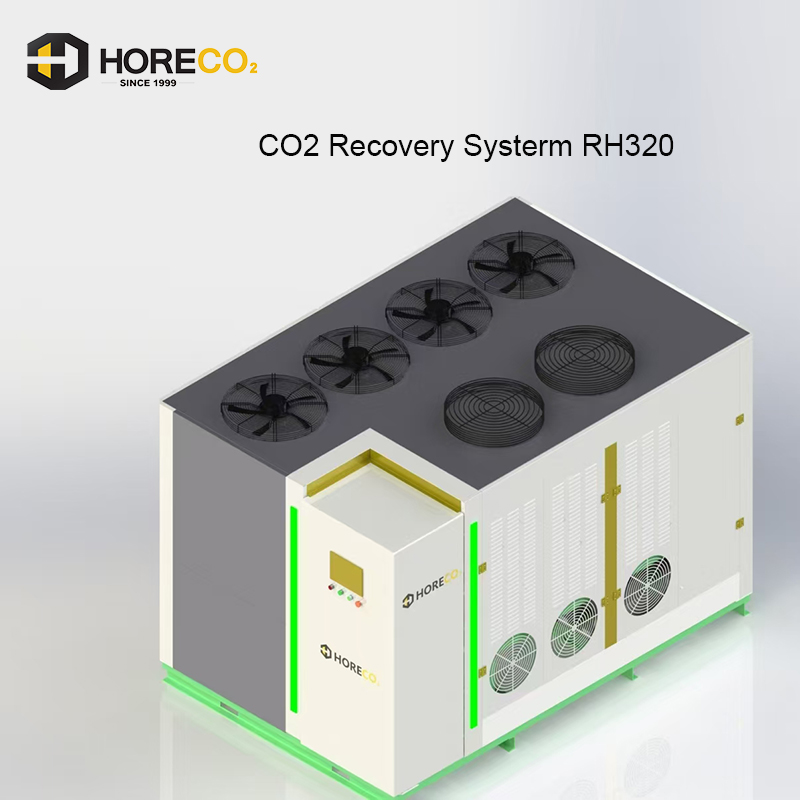
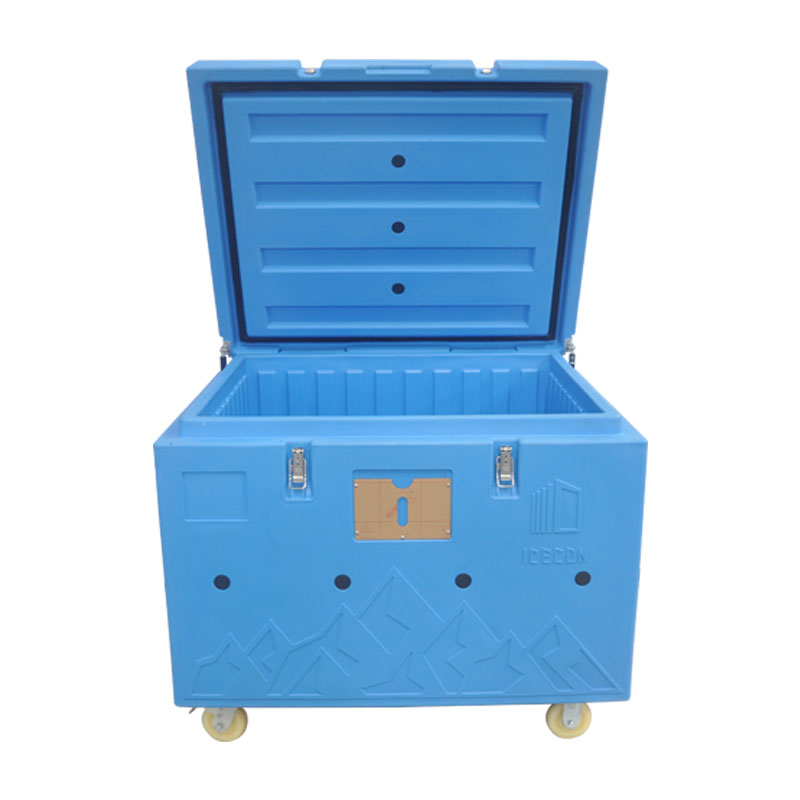
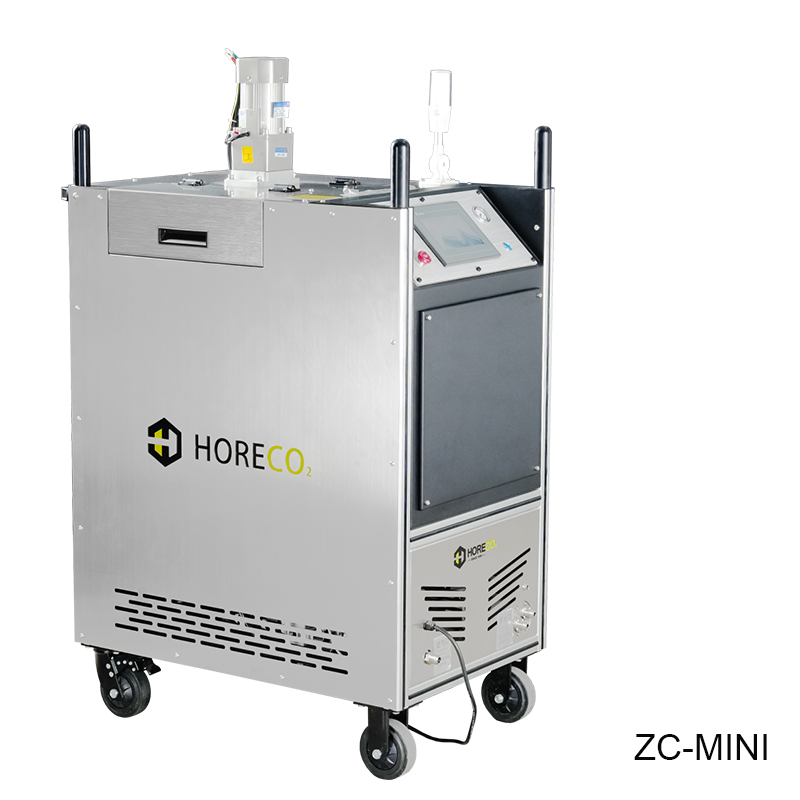
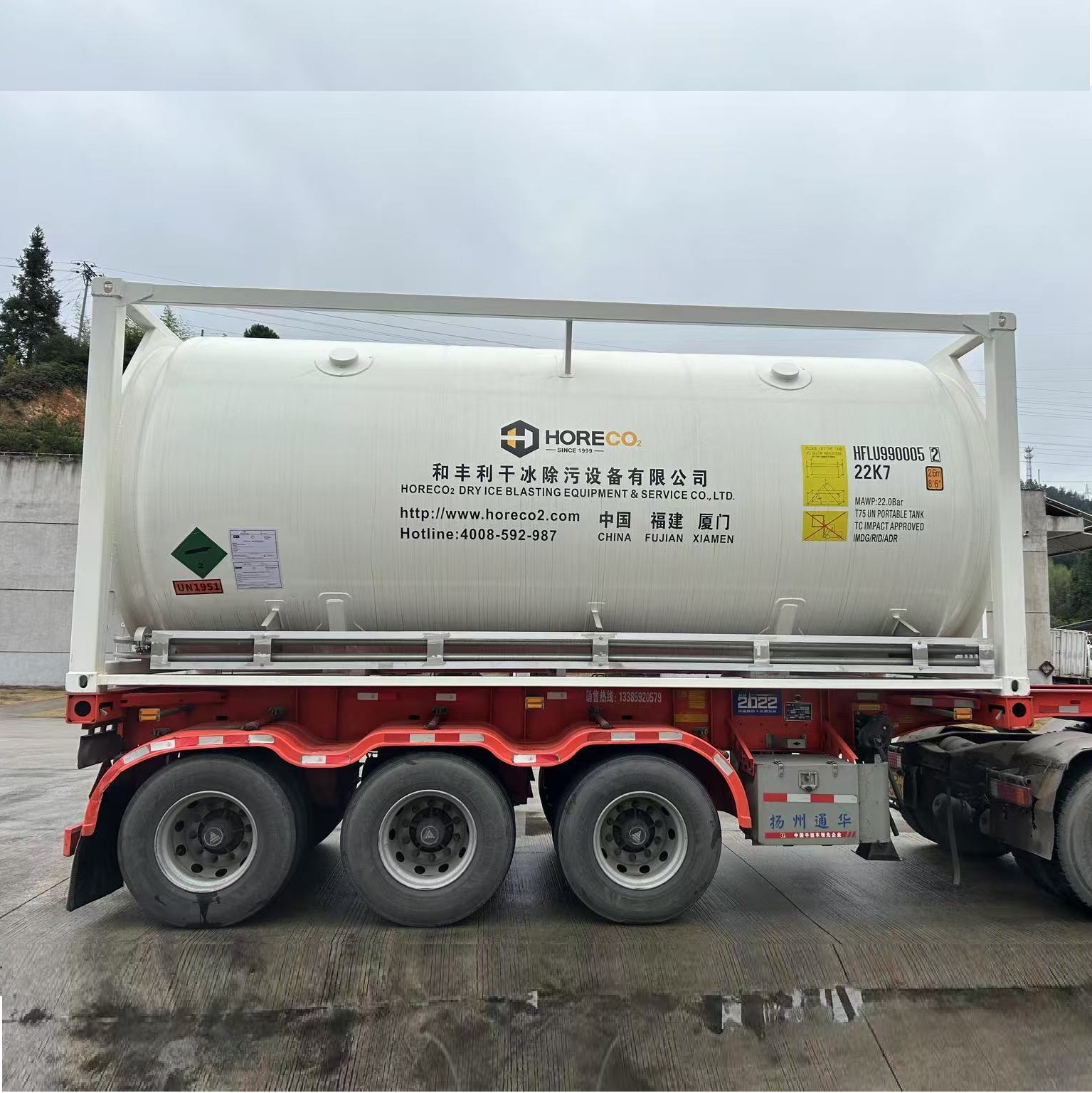
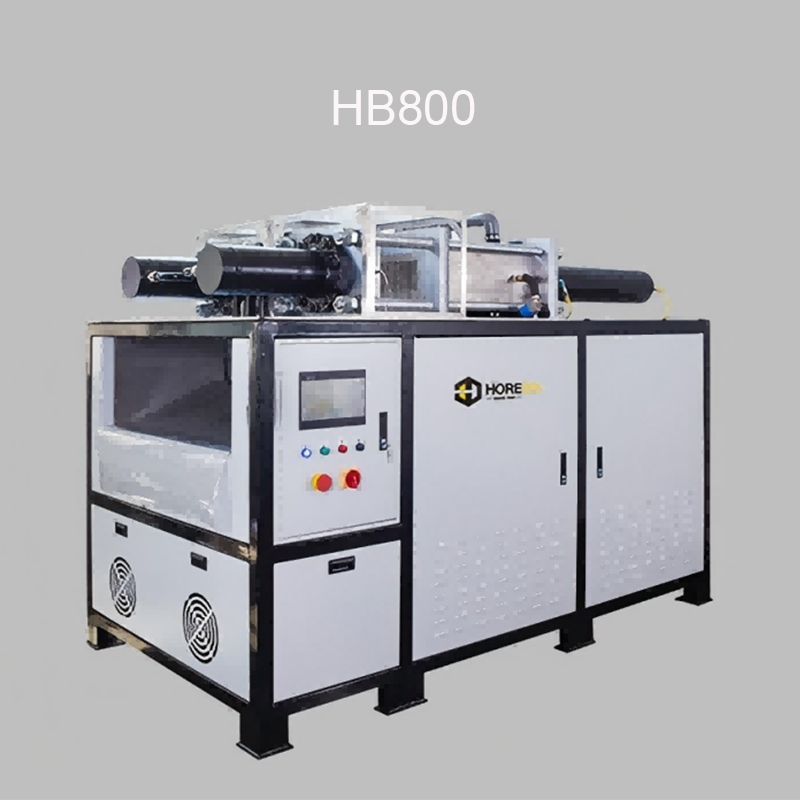

Introduction: The Silent Drain in Your Production Line
Imagine walking through your facility on a Monday morning. The dry ice pellets are ready for the blasting crew, but you notice the energy meter has spiked again over the weekend. Your maintenance team reports another compressor issue, and the logistics manager mentions rising transportation costs for bulk CO₂. This scenario isn't fiction—it's the daily reality for many operations relying on outdated dry ice production methods. The question isn't whether you need dry ice, but whether your current big dry ice making machine is silently eroding your bottom line.
Pain Points: Where Traditional Systems Fall Short
Let's examine three critical areas where conventional equipment creates unnecessary burdens:
1. Energy Inefficiency in Continuous Operations: Most facilities operate their dry ice machines 24/7 to meet demand. Older models with single-stage compressors consume 30-40% more power than necessary, particularly during off-peak production hours. In a mid-sized manufacturing plant, this translates to approximately $18,000 in wasted electricity annually—enough to fund two equipment upgrades.
2. Maintenance Downtime in Critical Applications: Pharmaceutical cleanrooms and food processing lines cannot afford unexpected shutdowns. Yet traditional pelletizers often experience jamming issues due to inconsistent pressure regulation. Each incident typically requires 4-6 hours of technician time, plus the cost of lost production. For a frozen food distributor, one such event could compromise $50,000 worth of inventory.
3. Supply Chain Vulnerability: Relying on external CO₂ suppliers creates multiple failure points. Transportation delays, purity inconsistencies, and contractual price escalations add hidden costs. A recent industry survey showed that 68% of plants experienced at least one supply disruption annually, causing an average production delay of 36 hours.
| Traditional System | Advanced Solution | Impact Difference |
|---|---|---|
| Fixed compression cycles | Variable frequency drive (VFD) control | 27% energy reduction |
| Manual pressure adjustment | Automated PID controllers | 89% fewer jamming incidents |
| External CO₂ dependency | Integrated purification systems | Supply autonomy achieved |
Engineering Solutions: Precision Where It Matters
At HORECO2 Dry Ice Blasting Equipment & Service Co., Ltd., we've addressed these challenges through targeted engineering innovations:
For energy waste, our machines incorporate intelligent load-sensing technology. The system continuously monitors production demand and adjusts compressor output through VFDs, maintaining optimal efficiency regardless of throughput. During validation testing at our Stuttgart facility, this approach demonstrated consistent 0.85-0.92 kW/kg efficiency ratings—surpassing industry benchmarks by 22%.
Regarding reliability, we've redesigned the pelletizing mechanism with dual redundant pressure sensors and self-cleaning nozzles. The system automatically compensates for minor CO₂ purity variations, preventing the crystalline buildup that causes most jams. Our maintenance logs show mean time between failures (MTBF) exceeding 2,000 operational hours.
For supply chain security, select models include integrated CO₂ purification columns that can process industrial-grade gas to food/pharmaceutical standards. This eliminates dependency on specialty suppliers while reducing material costs by 15-20%.
Client Success Stories: Measurable Results Across Industries
1. Automotive Manufacturer, Bavaria, Germany: After replacing three legacy machines with our HD-3000 system, they reduced energy consumption by 31% while increasing pellet production capacity by 40%. The maintenance director noted: "The automated diagnostics alone saved us 140 technician hours in the first quarter."
2. Seafood Processor, Tromsø, Norway: Facing strict temperature control requirements (-78°C consistency), they implemented our cryogenic-grade units. The result? A 99.7% temperature stability rate and zero product loss due to sublimation during transport. The quality manager stated: "We've extended our distribution radius by 300 kilometers without additional refrigeration."
3. Aerospace Component Cleaner, Toulouse, France: Needing ultra-pure dry ice for surface preparation of composite materials, they adopted our pharmaceutical-specification system. Contaminant levels dropped from 85 ppm to below 5 ppm, while blasting efficiency improved by 60%. The lead engineer commented: "The particle consistency has eliminated rework entirely on our premium components."
4. Research Laboratory, Cambridge, UK: Requiring precise pellet sizes for cryogenic experiments, they utilized our micro-calibration feature. This enabled repeatable 1.5mm pellets with ±0.1mm tolerance, accelerating experimental protocols by 70%. The principal investigator reported: "This level of precision was previously only achievable with manual processing at ten times the cost."
5. Chemical Plant, Rotterdam, Netherlands: Dealing with corrosive environments, they needed corrosion-resistant components. Our 316L stainless steel construction with ceramic-coated critical parts reduced maintenance frequency from monthly to quarterly intervals. The operations manager observed: "We've halved our annual maintenance budget while improving availability to 99.1%."
Applications & Strategic Partnerships
Our machines serve diverse sectors through tailored configurations:
• Industrial Cleaning: Partnering with Siemens Energy for turbine maintenance, where dry ice blasting removes carbon deposits without abrasive damage.
• Food Safety • Pharmaceutical Manufacturing: Collaborative development with Roche for aseptic production environments requiring ISO Class 5 cleanliness standards. • Logistics: Supply agreements with DHL Global Forwarding for temperature-controlled transport solutions utilizing our high-density pellets. These relationships aren't merely transactional—they're technical partnerships where client feedback directly informs our R&D roadmap. For instance, suggestions from Airbus engineers led to our patented anti-static pelletizer design now used in electronics manufacturing. FAQs: Technical Concerns Addressed 1. Q: How does your system handle varying CO₂ input pressures from different suppliers? 2. Q: What's the actual ROI timeframe for upgrading from conventional equipment? 3. Q: Can your machines integrate with existing industrial control systems? 4. Q: How do you ensure pellet consistency at different production rates? 5. Q: What certifications support your pharmaceutical and food-grade claims? Conclusion: Beyond the Spec Sheet The true measure of a big dry ice making machine isn't its maximum output rating—it's how reliably and efficiently it performs in your specific operational context. While specifications provide a starting point, the real value emerges through sustained performance: reduced energy bills, predictable maintenance schedules, and supply chain resilience that protects your core operations. At HORECO2, we approach each installation as a long-term partnership. Our engineers don't just deliver equipment; they analyze your entire cold chain workflow to identify optimization opportunities you might have overlooked. The result isn't merely a machine that makes dry ice, but a system that enhances your overall operational efficiency. Ready to explore what modern dry ice technology can achieve in your facility? Download our detailed technical white paper "Optimizing Cryogenic Cleaning: A Lifecycle Analysis" for comprehensive performance data and implementation guidelines. For facility-specific consultations, contact our senior applications engineers who can provide tailored recommendations based on your production volumes, industry requirements, and sustainability goals.
A: Our multi-stage regulation system accommodates 800-2500 psi input ranges without manual adjustment. Each stage includes buffering chambers that normalize pressure fluctuations before the expansion phase, ensuring consistent pellet density regardless of supply variations.
A: Based on 47 installations monitored over three years, the average payback period is 14 months. This calculation includes energy savings (22-35%), reduced maintenance (40-60% fewer interventions), and increased throughput (15-25% capacity improvement). Specific models with heat recovery systems have achieved ROI in under 11 months.
A: Absolutely. We provide Modbus TCP/IP, PROFINET, and EtherNet/IP protocols as standard. The control cabinet includes dedicated I/O points for external monitoring, and our software API allows custom integration with SCADA systems. Several automotive plants have incorporated our machines directly into their Industry 4.0 infrastructure.
A: Our dynamic die temperature control maintains ±1.5°C stability across all operating speeds. Combined with real-time mass flow monitoring, this ensures pellet diameter variation remains within ±3% even when ramping from 30% to 100% capacity within minutes—critical for automated blasting applications.
A: All contact surfaces comply with FDA 21 CFR and EU 1935/2004 regulations. We hold ISO 13485 certification for medical device manufacturing environments and provide full material traceability documentation. Third-party validation reports from TÜV SÜD confirm microbial reduction rates exceeding 4-log on stainless steel surfaces.
