

Introduction: The Frustration of Impeccable Surfaces
Imagine you're overseeing a high-value aerospace component production line. After meticulous machining, inspectors find microscopic contaminants that could compromise safety. Traditional cleaning methods might damage delicate surfaces or leave residues. This scenario echoes across industries from food processing to automotive restoration - where surface integrity isn't just desirable but essential. Is there a solution that cleans without compromise? The answer lies in understanding how modern dry ice detail machines transform surface preparation.
The Pain Points: When Conventional Methods Fall Short
1. Contamination in Sensitive Environments: Pharmaceutical manufacturers face stringent FDA requirements where chemical residues are unacceptable. A European biotech facility documented 37% production downtime due to cleaning validation failures, costing approximately €420,000 annually in delayed batches and additional testing.
2. Substrate Damage During Cleaning: Historical building restoration projects in Italy demonstrated how abrasive methods eroded 0.3-0.8mm of original stone surfaces per cleaning cycle. For a cathedral facade restoration, this meant losing irreplaceable heritage material while increasing project costs by 65% for reconstruction work.
3. Environmental Compliance Costs: Automotive plants in Germany's industrial zones faced €85,000-€120,000 yearly expenses for hazardous waste disposal from solvent cleaning. The 2022 EU chemical regulations added 40% to these costs while requiring complex documentation exceeding 150 hours annually per facility.
Solutions: Precision Engineering Meets Physics
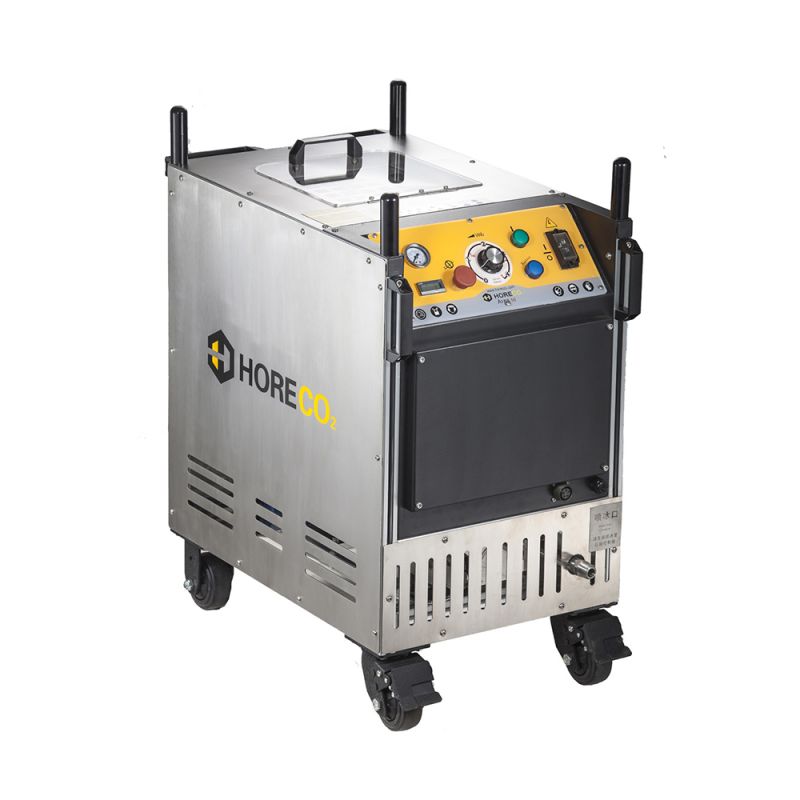
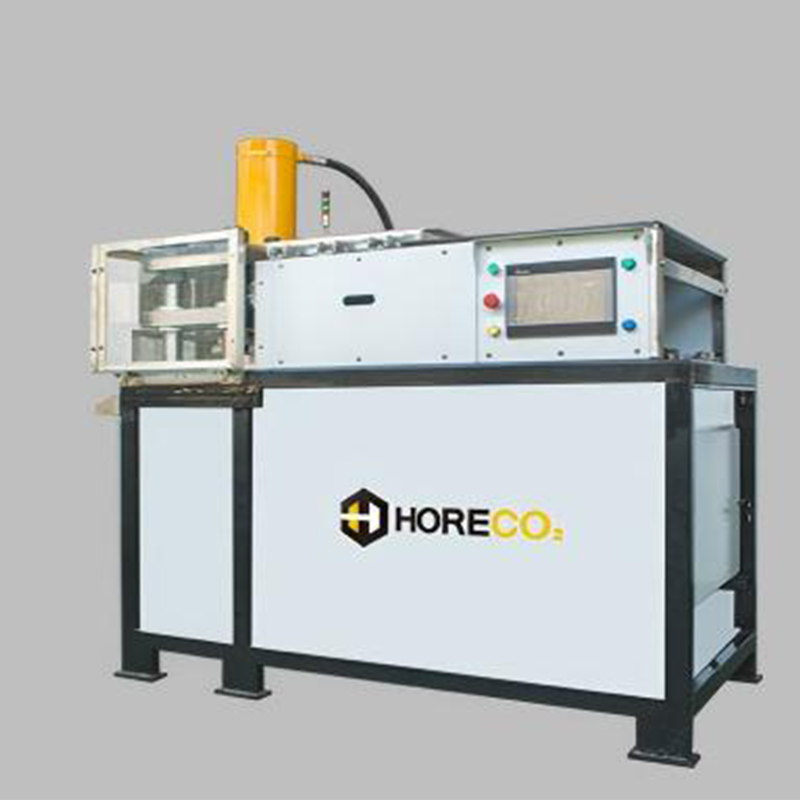
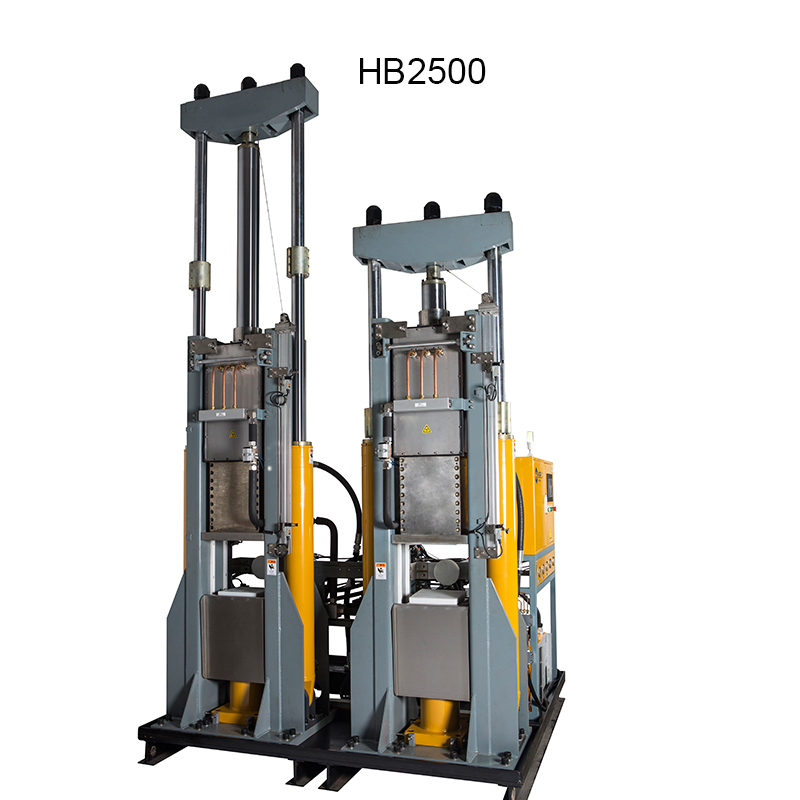
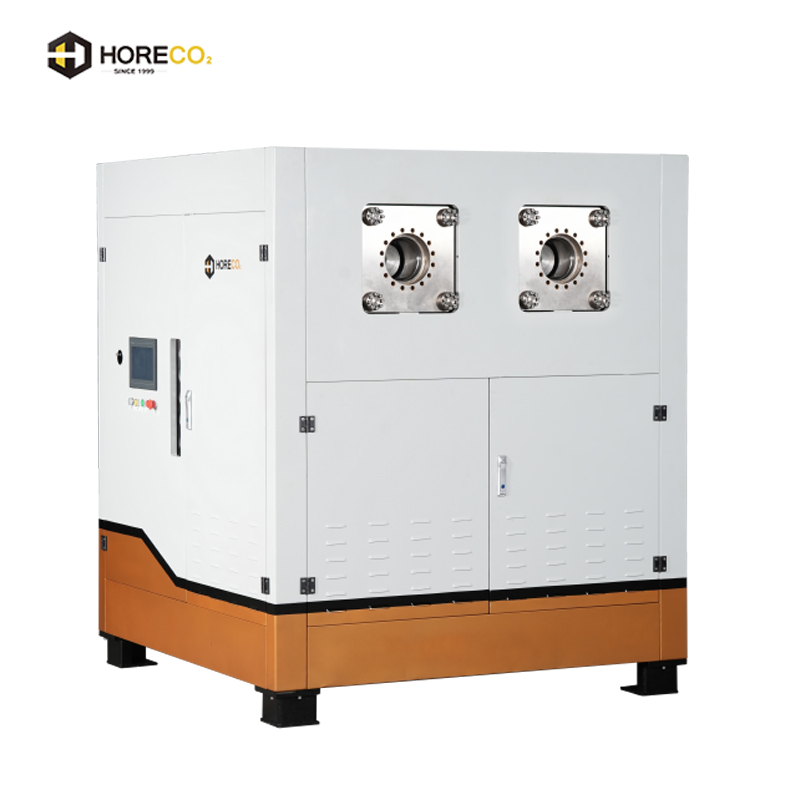
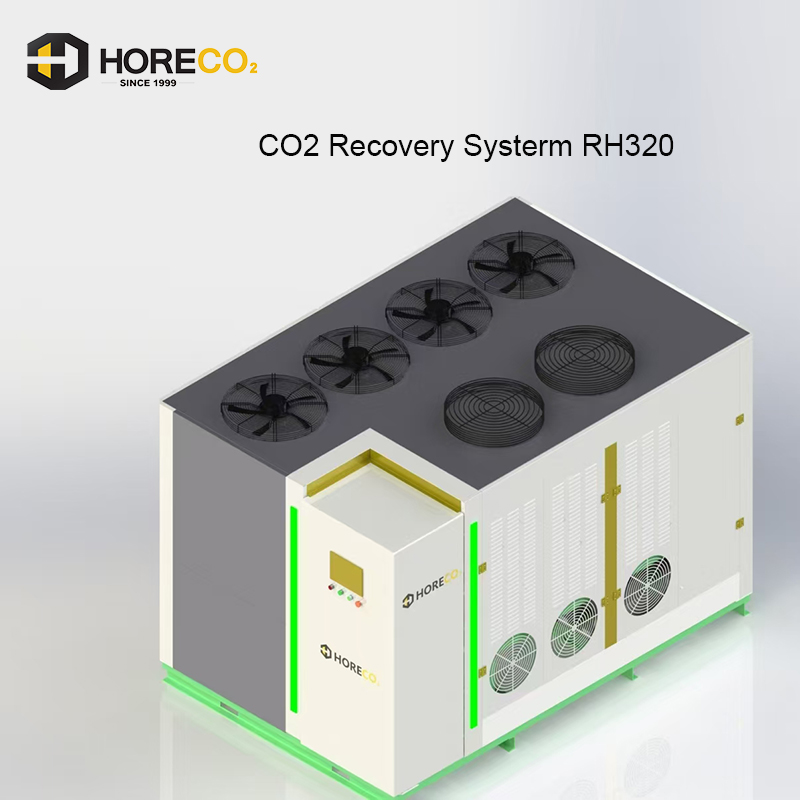
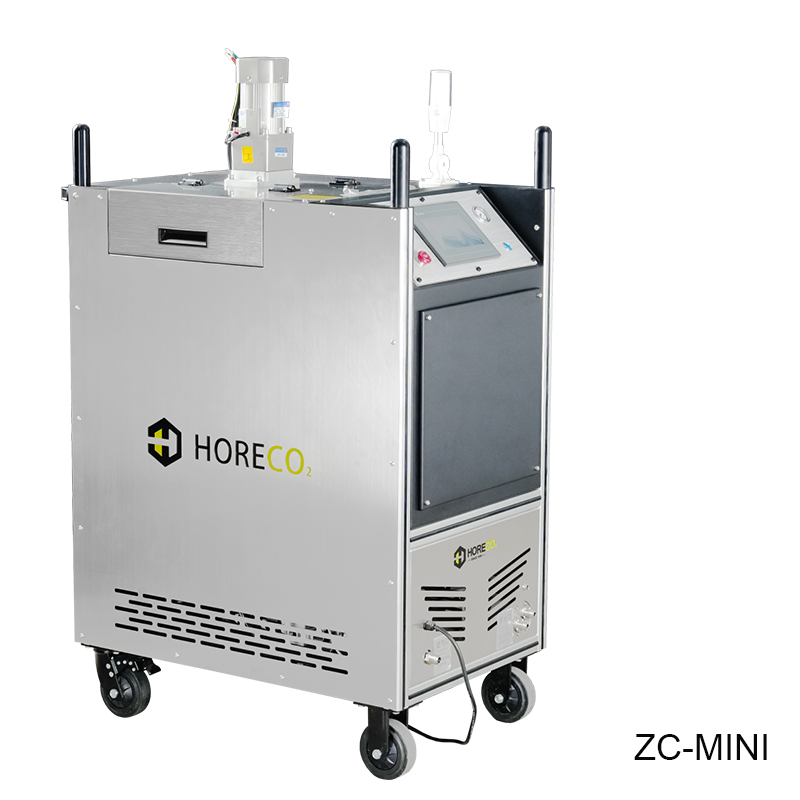
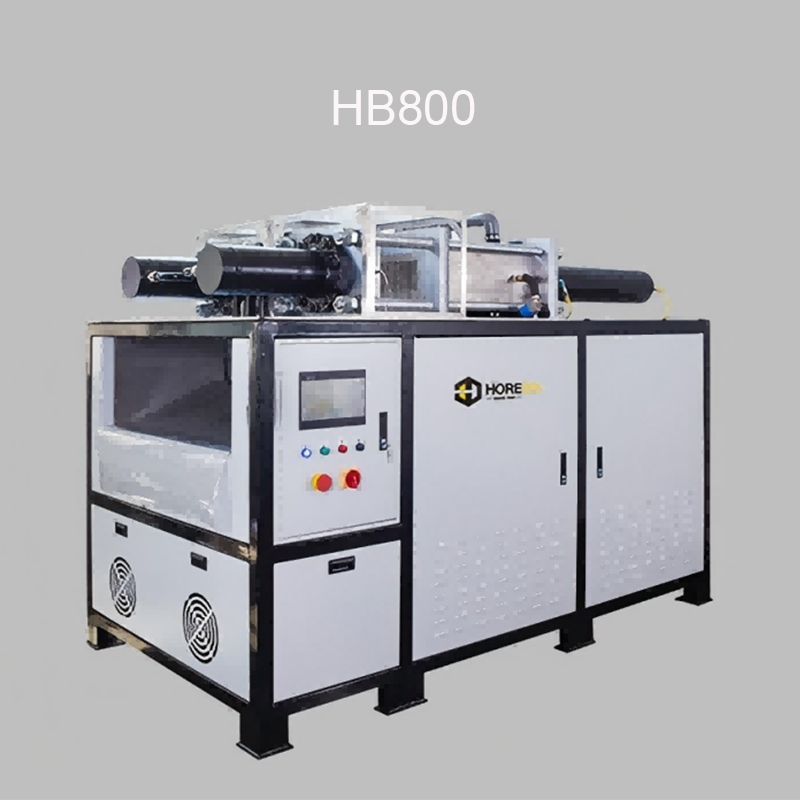
HORECO2 Dry Ice Blasting Equipment & Service Co., Ltd. addresses these through three core innovations:
1. Phase-Transition Cleaning Technology: Our machines accelerate dry ice pellets to supersonic speeds (280-320 m/s) where they sublimate upon impact. This creates micro-explosions that lift contaminants without abrasion. The temperature differential (-78.5°C) creates thermal shock that breaks adhesive bonds at molecular level.
2. Modular Nozzle Systems: Twelve specialized nozzle configurations allow precision control from 0.5mm spot cleaning to 150mm wide-area coverage. The patent-pending vortex design maintains pellet integrity until milliseconds before impact, maximizing kinetic energy transfer.
3. Closed-Loop Recovery: Our industrial models incorporate a three-stage filtration system that captures 99.7% of dislodged particulates, meeting ISO 14644-1 Class 7 cleanroom standards. This eliminates secondary contamination concerns.
Table: Conventional vs. Dry Ice Cleaning Impact
| Aspect | Traditional Methods | Dry Ice Detail Machines |
|---|---|---|
| Surface Damage Risk | High (abrasion, chemical etching) | Negligible (non-abrasive) |
| Secondary Waste | Chemical residues, media disposal | Only removed contaminants |
| Downtime | 4-8 hours for drying/curing | Immediate return to service |
| Environmental Impact | Hazardous waste generation | CO₂ from industrial byproducts |
Client Success Stories: Measurable Results Across Continents
1. Swiss Watch Manufacturer (Geneva): Implementing HORECO2's ICE-Precision model reduced movement assembly contamination rates from 12.7% to 0.8% across three production lines. "The machine pays for itself every six months through reduced warranty claims," states Quality Director Markus Weber.
2. Canadian Food Processing Plant (Alberta): After Listeria detection shutdown a $4M production line, the ICE-Industrial system achieved 5.2-log pathogen reduction in 1/3 the time of previous sanitation protocols. Production Manager Lisa Chen notes: "We regained compliance 72 hours faster than any previous deep-cleaning cycle."
3. Japanese Semiconductor Fab (Kyushu): Particle counts decreased from 185 to <5 particles/ft³ (≥0.1μm) in diffusion furnace maintenance. Yield improved 2.3% annually, translating to $3.8M additional revenue. "The non-conductive nature prevents electrostatic damage that plagued previous methods," explains Process Engineer Kenji Tanaka.
4. Italian Art Conservation Studio (Florence): Restoring a 16th-century fresco, conservators removed 400 years of candle soot without affecting the original pigment layer. Project lead Dr. Elena Rossi confirms: "We preserved 0.02mm of original material that would have been lost with laser ablation."
Applications & Strategic Partnerships
Beyond these cases, HORECO2 equipment serves critical roles in:
• Aerospace: Composite mold cleaning at Airbus-affiliated facilities in France, reducing turnaround from 48 to 6 hours
• Energy: Turbine blade maintenance in Siemens-certified service centers across Germany
• Maritime: Hull cleaning partnerships with Norwegian shipyards, eliminating 95% of traditional abrasive waste
Our collaboration with the Fraunhofer Institute for Manufacturing Engineering has yielded three joint patents on nozzle optimization algorithms, while ongoing research with MIT's Department of Mechanical Engineering explores cryogenic fluid dynamics for next-generation systems.
FAQ: Technical Concerns from the Field
1. "How do you ensure consistent pellet quality affecting cleaning efficacy?"
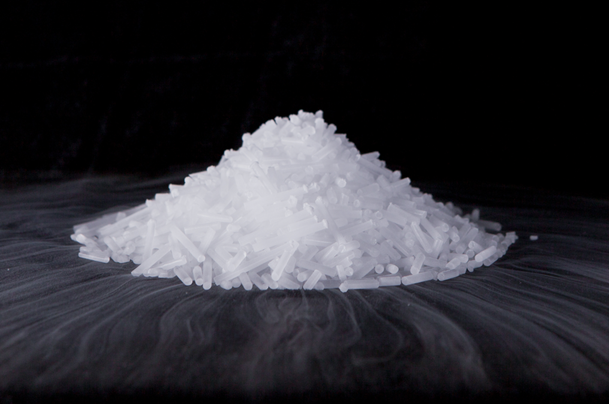
Our ISO 9001-certified manufacturing controls pellet density to 1.56±0.02 g/cm³ through real-time monitoring. Each batch undergoes three-point validation: hardness (Shore D 65-70), size distribution (1.5-3.0mm with <5% variance), and sublimation rate (controlled to 0.5g/s at 25°C ambient).
2. "What's the operational cost comparison to media blasting?"
While dry ice pellets cost 2.3-2.8× more than sand per kilogram, total operational costs are 40-60% lower. A 2023 study showed: media blasting required $85/hour in abrasive, $45 in disposal; dry ice blasting used $110/hour in pellets but $0 disposal, plus 65% faster processing. The ROI typically occurs within 8-14 months.
3. "Can systems handle high-temperature surfaces like engine blocks?"
Our thermal compensation algorithms adjust pellet feed rates based on IR sensor input (0-500°C range). For 200°C surfaces, we increase feed 35% to counteract accelerated sublimation, maintaining cleaning efficacy. Field tests on diesel engines show 98% carbon removal versus 87% with standard settings.
4. "How do you address CO₂ sourcing concerns?"
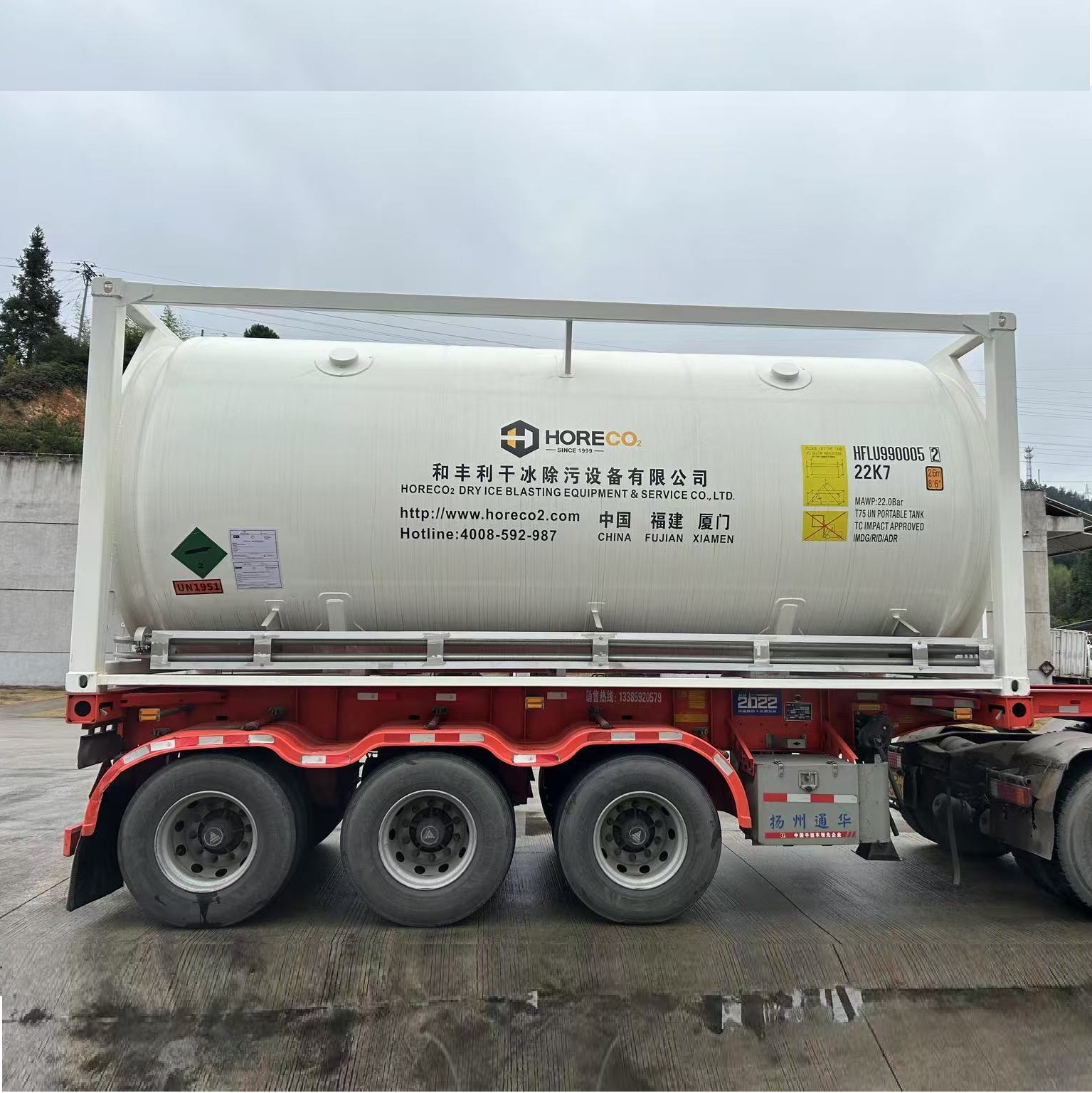
We exclusively use food-grade CO₂ captured from ammonia production - a byproduct that would otherwise be released. Each kilogram repurposes industrial emissions. Our lifecycle analysis shows net-negative carbon impact when replacing solvent cleaning (avoiding 4.2kg CO₂-eq per kilogram of pellets used).
5. "What maintenance intervals ensure reliability?"
The pneumatics system requires 50-hour filter checks, while the pelletizer needs 500-hour bearing lubrication. Critical wear components (nozzle inserts, feed screws) have 2000-hour service life. Our predictive maintenance software analyzes 14 operational parameters to schedule service ±20 hours of actual need, achieving 99.1% uptime across 850+ installations.
Conclusion: Beyond Cleaning - A Paradigm Shift
Dry ice detail machines represent more than equipment - they enable fundamentally different approaches to surface challenges. By eliminating the trade-off between thoroughness and preservation, they unlock new possibilities in manufacturing precision, heritage conservation, and regulatory compliance. The question isn't whether to adopt this technology, but how quickly your operations can benefit.
For engineers seeking deeper technical specifications, our 48-page white paper "Cryogenic Kinetics in Industrial Cleaning" details the fluid dynamics research behind our systems. Procurement specialists can request a customized ROI analysis based on your specific application parameters. Contact our engineering team for a virtual demonstration showing exactly how dry ice detailing solves your most persistent surface preparation challenges.
