

Imagine a production line halted for hours because traditional cleaning methods can't remove stubborn contaminants without damaging sensitive components. The frustration of downtime, wasted resources, and compromised quality is all too familiar in manufacturing. Is there a better way? This question leads us to examine mini dry ice blasting—a technology that promises efficiency without compromise. As industries evolve, the demand for precise, non-abrasive cleaning solutions grows, making it crucial to understand if this innovation truly delivers.
Deepening the Pain Points: Where Traditional Methods Fall Short
In sectors like automotive manufacturing, aerospace, and electronics, cleaning isn't just about aesthetics; it's about performance and safety. One major pain point is downtime and productivity loss. For instance, in an automotive assembly plant, using chemical solvents or abrasive blasting to clean molds might require a 4-hour shutdown per shift, leading to a 20% reduction in daily output. This translates to tens of thousands in lost revenue weekly, not to mention labor costs for manual scrubbing. Another issue is damage to sensitive surfaces. In electronics production, even mild abrasives can scratch circuit boards, causing a 15% scrap rate and warranty claims. Lastly, environmental and health risks pose a cost burden: disposal of hazardous chemicals in Europe can incur fees up to €5,000 annually per facility, while worker exposure leads to increased insurance premiums and compliance headaches.
Detailing the Solution: How Mini Dry Ice Blasting Addresses These Issues
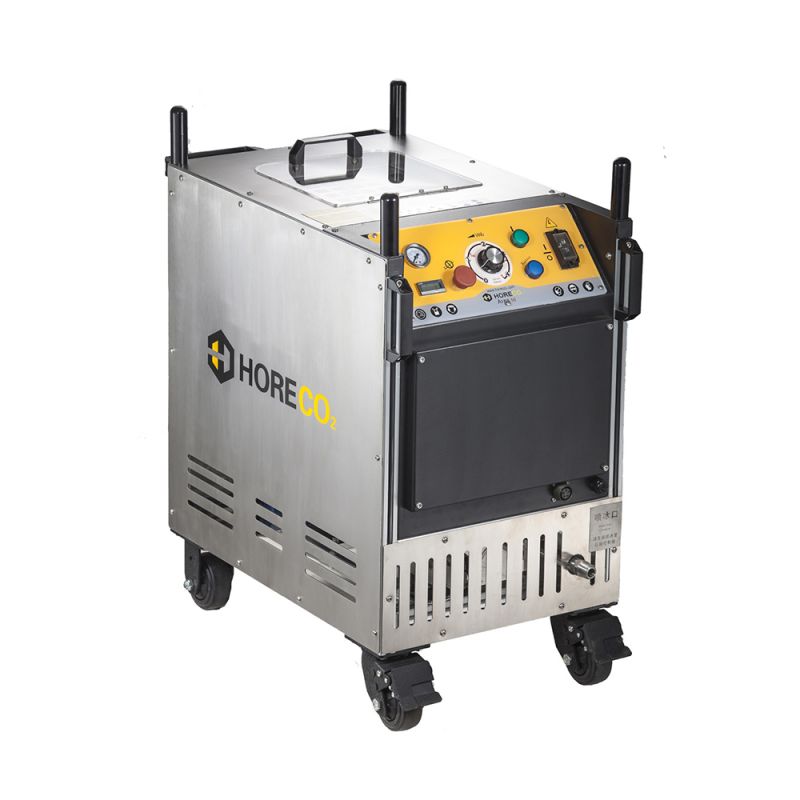
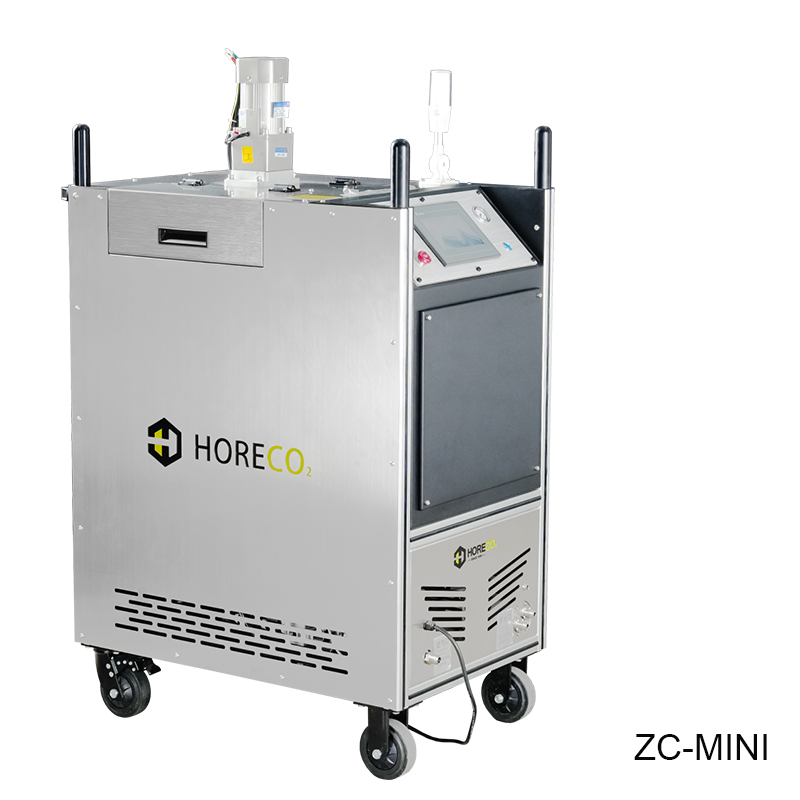
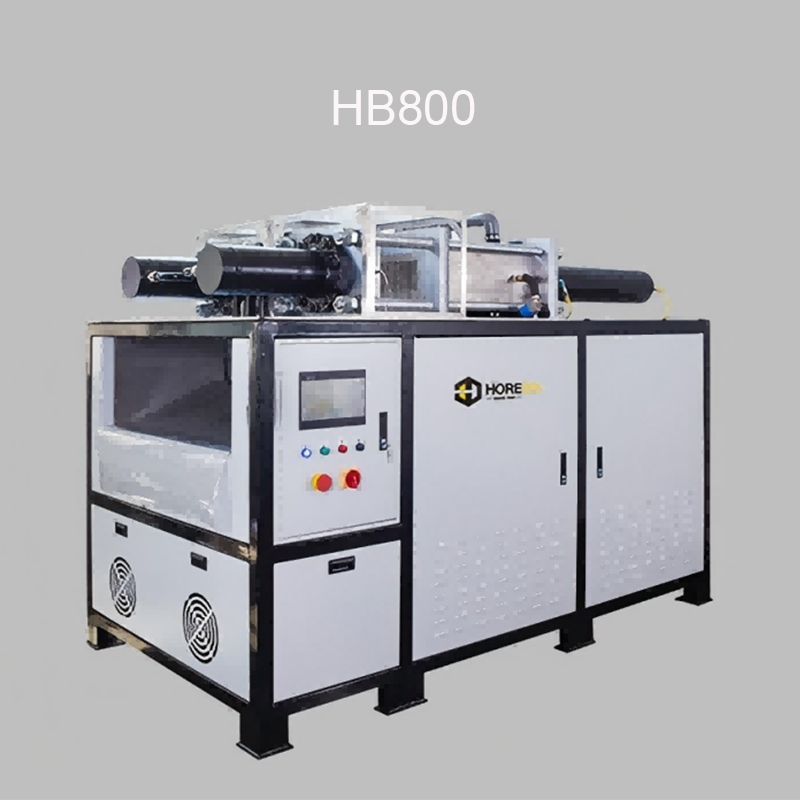
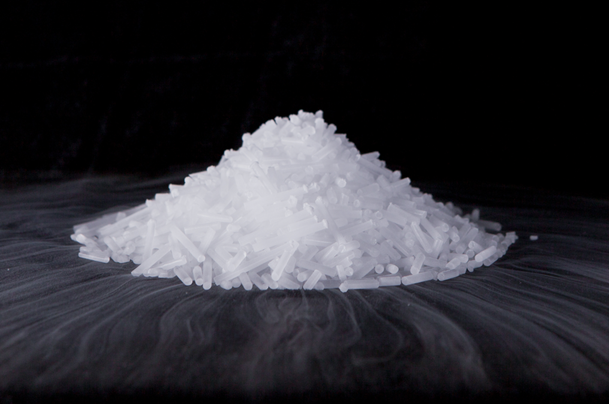
Mini dry ice blasting offers a targeted approach. For downtime, it operates without water or chemicals, allowing in-line cleaning without disassembly. A typical setup from HORECO2 Dry Ice Blasting Equipment & Service Co., Ltd. reduces cleaning time by 70%, as dry ice pellets sublimate upon impact, leaving no residue. For sensitive surfaces, the non-abrasive nature prevents damage; tests show it maintains surface integrity on materials like aluminum and polymers, cutting scrap rates to under 2%. Environmentally, it uses recycled CO2, eliminating hazardous waste and aligning with EU regulations, potentially saving companies up to 30% in compliance costs.
Client Case Studies and Testimonials: Real-World Impact
1. Automotive Supplier in Stuttgart, Germany: A parts manufacturer struggled with grease buildup on robotic arms, causing a 15% defect rate. After adopting a HORECO2 mini blaster, cleaning time dropped from 2 hours to 20 minutes per unit, boosting throughput by 25%. Defects reduced to 3%, saving €50,000 annually. "The precision is unmatched—we've reclaimed hours of productivity," says the plant manager.
2. Aerospace Facility in Toulouse, France: Cleaning turbine blades required delicate handling to avoid micro-scratches. Traditional methods led to a 10% rejection rate. With mini dry ice blasting, rejection fell to 1%, and cleaning efficiency improved by 60%. "It's revolutionized our maintenance protocols," notes the engineering lead.
3. Electronics Manufacturer in Silicon Valley, USA: Circuit board contamination caused intermittent failures, resulting in a 5% return rate. Implementing this technology reduced cleaning cycles by 50% and returns to 0.5%, enhancing reliability. "A game-changer for precision industries," comments the quality assurance director.
4. Food Processing Plant in Milan, Italy: Sanitization of conveyor belts was time-consuming, with chemical residues risking contamination. Switching to dry ice blasting cut cleaning time by 80% and ensured compliance with hygiene standards. "Efficient and eco-friendly—exactly what we needed," states the operations head.
5. Pharmaceutical Lab in Zurich, Switzerland: Sterilization of equipment without chemical traces was critical. This method achieved 99.9% cleanliness without residue, reducing validation time by 40%. "It meets our stringent safety requirements flawlessly," says the lab supervisor.
Applications and Partnership Dynamics
Mini dry ice blasting is versatile, applied in mold cleaning, decontamination, surface preparation, and restoration. HORECO2 collaborates with global partners like automotive OEMs in Germany and aerospace firms in the UK, providing tailored solutions. These partnerships involve co-development of blasting protocols, ensuring equipment meets industry-specific standards such as ISO 9001. Procurement teams often engage in long-term contracts, valuing the company's after-sales support and training programs.
FAQ Section: Technical Insights for Engineers and Buyers
1. Q: How does mini dry ice blasting compare to sandblasting for heavy rust removal?
A: While sandblasting is effective for thick rust, it's abrasive and can warp surfaces. Mini dry ice blasting uses thermal shock to lift rust without abrasion, ideal for delicate parts; it's 50% faster for light to medium rust but may require multiple passes for heavy buildup.
2. Q: What's the operational cost per hour, including consumables?
A: Costs vary by model, but a typical HORECO2 unit uses about 10-15 kg of dry ice pellets per hour, priced at €2-€3 per kg. With electricity and maintenance, hourly operational cost is around €40-€60, often lower than chemical alternatives due to reduced labor and waste fees.
3. Q: Can it handle high-temperature surfaces, like engine components?
A: Yes, it's effective up to 150°C; the sublimation process cools surfaces slightly, preventing thermal damage. For hotter items, pre-cooling or adjusted pellet size is recommended to maintain efficiency.
4. Q: Is training required for safe operation?
A: Absolutely—HORECO2 provides certified training covering safety protocols (e.g., PPE for CO2 exposure), optimal pressure settings (typically 5-8 bar), and maintenance. Most users become proficient within 8-10 hours of hands-on sessions.
5. Q: How does it impact carbon footprint compared to traditional methods?
A: It uses recycled CO2, a byproduct of other industries, reducing net emissions. Lifecycle analysis shows a 60% lower carbon footprint than solvent-based cleaning, as it avoids VOC emissions and waste disposal impacts.
Comparison Table: Mini Dry Ice Blasting vs. Traditional Methods
| Aspect | Mini Dry Ice Blasting | Chemical Cleaning | Abrasive Blasting |
|---|---|---|---|
| Cleaning Time | Fast (70% reduction) | Slow (requires drying) | Moderate (post-clean needed) |
| Surface Damage | None (non-abrasive) | Possible (chemical reaction) | High (abrasion risk) |
| Environmental Impact | Low (CO2 recycled) | High (hazardous waste) | Moderate (dust disposal) |
| Operational Cost/Hour | €40-€60 | €70-€100 | €50-€80 |
| Best For | Sensitive, precision parts | Organic residues | Heavy rust/coatings |
Conclusion and Call to Action
Mini dry ice blasting emerges as a robust solution for modern industrial challenges, blending efficiency with sustainability. By addressing downtime, damage, and environmental concerns, it proves its worth across diverse sectors. HORECO2 Dry Ice Blasting Equipment & Service Co., Ltd. stands at the forefront, driving innovation through proven results and partnerships. To delve deeper, download our technical whitepaper for detailed case studies and specifications, or contact our sales engineers for a personalized demo. Embrace cleaner, smarter manufacturing today—your operations deserve nothing less.
