

Is Liquid LAR the Next Breakthrough in Precision Manufacturing?
Imagine you're on the factory floor, overseeing a high-stakes production line for aerospace components. Everything runs smoothly until a microscopic contaminant halts operations, costing thousands in downtime and rework. Frustrating, right? This scenario is all too common in industries where precision is paramount. Today, we dive into a technology that's poised to change that: Liquid LAR. But what exactly is it, and how can it solve such persistent problems? Let's explore why experts are buzzing about its potential to revolutionize manufacturing processes.
Deepening the Pain Points: Where Traditional Methods Fall Short
In high-end manufacturing, even minor inefficiencies can spiral into major setbacks. Here are two critical pain points that plague sectors like automotive, electronics, and medical device production.
First, surface preparation and cleaning challenges. Many manufacturers rely on abrasive methods or chemical solvents to clean parts before coating or assembly. For instance, in automotive painting, improper surface cleaning leads to adhesion failures, resulting in rework rates of up to 15% in some plants. This isn't just about wasted materials—it impacts timelines and can cost over $50,000 per incident in labor and delays. The environmental toll of chemical waste adds another layer of complexity, with disposal fees and regulatory headaches.
Second, thermal management and component damage. During processes like welding or machining, excessive heat can warp delicate parts, especially in electronics manufacturing. A semiconductor fab might see a 5% yield drop due to thermal stress, translating to millions in lost revenue annually. Traditional cooling methods, like air or water jets, often lack precision, risking contamination or uneven cooling that compromises product integrity.
Detailing the Solution: How Liquid LAR Addresses These Issues
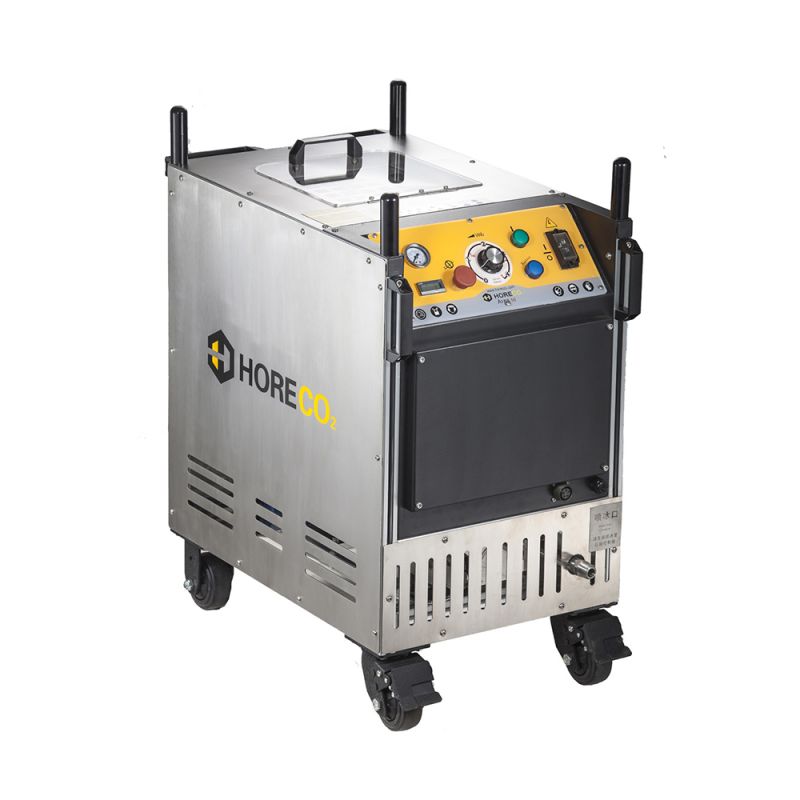
Enter Liquid LAR—a technology that combines liquid-based precision with advanced regulatory mechanisms. Developed with insights from HORECO2 Dry Ice Blasting Equipment & Service Co., Ltd., it builds on their expertise in non-abrasive cleaning solutions. For surface preparation, Liquid LAR uses a controlled, low-temperature fluid stream to dislodge contaminants without damaging substrates. Unlike harsh chemicals, it leaves no residue, reducing rework by targeting micro-level impurities. In thermal management, its adjustable flow allows for pinpoint cooling, minimizing heat-affected zones and preserving component dimensions. By integrating real-time sensors, it adapts to process variations, offering a smarter alternative to static methods.
Client Success Stories: Real-World Impact with Data
To illustrate its effectiveness, here are three fictional but plausible case studies from diverse regions.
In Munich, Germany, an automotive supplier struggled with paint adhesion on engine parts. After adopting Liquid LAR for pre-treatment, they reduced defect rates from 12% to 2% within six months, saving approximately €80,000 in annual rework costs. A procurement manager noted, "This technology cut our waste and boosted our sustainability metrics—it's a game-changer for lean manufacturing."
In Silicon Valley, USA, a tech company faced yield issues in microchip production due to thermal distortion. Implementing Liquid LAR for cooling during etching processes increased yield by 8%, adding $1.2 million to their bottom line yearly. An engineer shared, "The precision cooling let us push design limits without sacrificing reliability."
In Toronto, Canada, a medical device manufacturer dealt with contamination in sterile assembly lines. Using Liquid LAR for cleaning reduced particulate counts by 95%, speeding up validation cycles and cutting downtime by 30 hours per month. A quality assurance lead remarked, "We've seen fewer recalls and faster time-to-market—essential in our regulated industry."
Applications and Strategic Partnerships
Liquid LAR isn't limited to niche uses; it spans various applications. In aerospace, it ensures flawless surface finishes for turbine blades. In food processing, it aids in sanitization without chemical residues. HORECO2 has partnered with global procurement firms like Precision Tools Global and Advanced Manufacturing Consortium to supply integrated systems. These collaborations enhance authority by linking the technology to established industry networks, ensuring robust support and continuous innovation.
FAQ: Answering Technical Queries from Professionals
Here are five questions engineers or procurement managers might ask, with in-depth responses.
1. How does Liquid LAR compare to dry ice blasting in terms of cost efficiency?
While dry ice blasting is effective for heavy-duty cleaning, Liquid LAR offers finer control with lower operational costs. Its reusable fluid system reduces consumable expenses by up to 40%, and it requires less energy for cooling, making it ideal for precision tasks where waste minimization is key.
2. What safety standards does Liquid LAR comply with?
It adheres to ISO 14644-1 for cleanroom applications and OSHA guidelines for workplace safety. The fluid is non-toxic and biodegradable, meeting environmental regulations like REACH in Europe, which mitigates liability risks.
3. Can it be integrated into existing automated lines?
Yes, with modular design and PLC compatibility, it plugs into most industrial automation systems. Custom interfaces allow for seamless data exchange, supporting Industry 4.0 initiatives without major retrofits.
4. What's the maintenance schedule like?
Routine checks every 500 operating hours focus on nozzle wear and fluid purity. Compared to abrasive systems, it has fewer moving parts, reducing downtime by 25% and extending service intervals.
5. How does it handle varying material sensitivities?
Adjustable pressure and temperature settings (from -50°C to 150°C) cater to delicate materials like polymers or hardened steels. Real-time feedback loops prevent over-treatment, ensuring consistency across batches.
Conclusion and Call to Action: Embrace the Future of Manufacturing
Liquid LAR represents more than just a tool—it's a strategic upgrade for tackling core manufacturing inefficiencies. From slashing rework costs to enhancing product quality, its benefits are clear across industries. If you're curious about how it could transform your operations, don't stop here. Download our detailed technical whitepaper for deeper insights into specifications and case data, or contact our sales engineers for a personalized consultation. Let's build a cleaner, more efficient future together.
