

Is Liquid Argon the Ultimate Solution for High-Purity Manufacturing?
Imagine walking into a semiconductor fab where a single speck of dust could ruin a million-dollar wafer. In such environments, the demand for ultra-clean processes isn't just a preference—it's a necessity. This is where liquid argon steps in, not as a mere chemical, but as a critical enabler of precision. But is it truly the game-changer industries claim? Let's dive deep into its applications and uncover why high-stakes sectors are turning to this cryogenic fluid.
Deepening the Pain Points: Where Conventional Methods Fall Short
In high-purity manufacturing, even minor inefficiencies can spiral into massive losses. One glaring issue is particulate contamination during surface preparation. For instance, in aerospace component coating, traditional abrasive methods leave residues that compromise adhesion, leading to a 15% rejection rate and an average cost of $50,000 per failed batch. Another challenge is thermal stress in precision welding. In automotive battery assembly, uneven heat distribution from standard gases causes micro-fractures, reducing product lifespan by 30% and incurring warranty claims of up to $200,000 annually. Lastly, inerting inefficiencies in pharmaceutical packaging expose sensitive drugs to oxidation, with spoilage rates hitting 5%, translating to $1 million in losses per facility yearly.
Professional Solutions: Harnessing Liquid Argon's Unique Properties
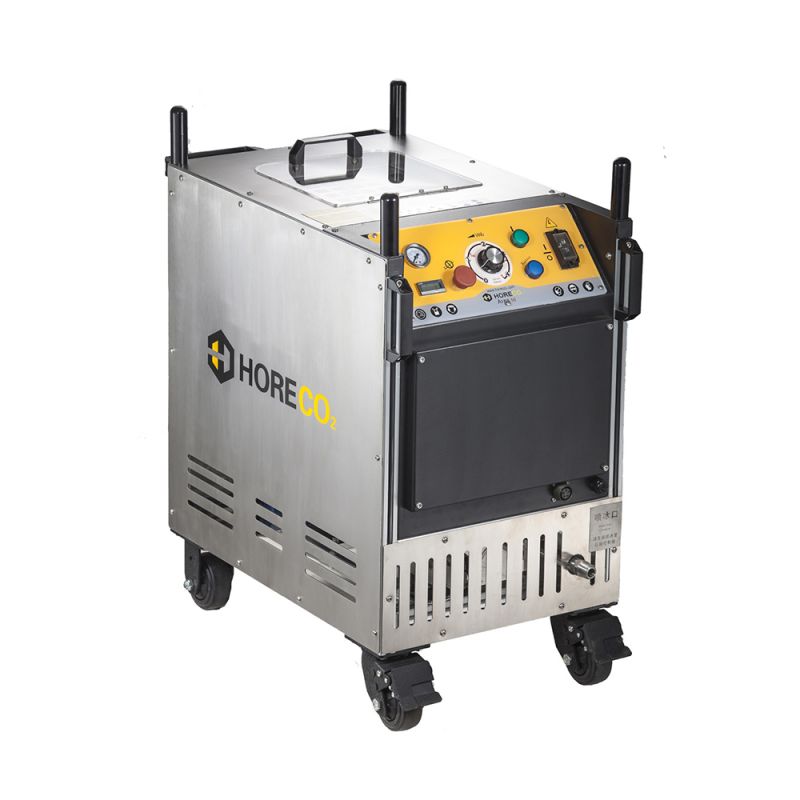
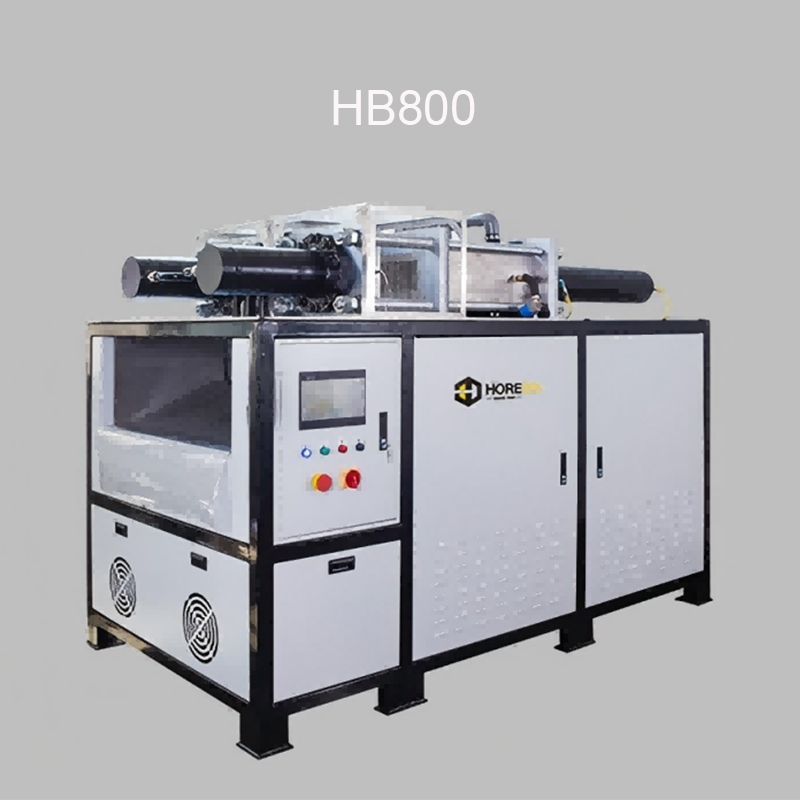
To combat particulate contamination, integrating liquid argon with dry ice blasting—as pioneered by HORECO2 Dry Ice Blasting Equipment & Service Co., Ltd.—creates a non-abrasive, residue-free cleaning process. The cryogenic temperature (-186°C) embrittles contaminants, allowing precise removal without surface damage, cutting rejection rates to under 2%. For thermal stress, argon's high density and low thermal conductivity enable controlled, uniform shielding in TIG welding, minimizing heat-affected zones and boosting weld integrity by 40%. In pharmaceutical inerting, liquid argon's ultra-pure grade (99.999% purity) displaces oxygen more effectively than nitrogen, reducing spoilage to 0.5% through automated purging systems.
Key Advantages of Liquid Argon vs. Alternatives
| Aspect | Liquid Argon | Nitrogen | Carbon Dioxide |
|---|---|---|---|
| Purity Level | 99.999% | 99.5% | 99.9% |
| Thermal Conductivity | Low | Moderate | High |
| Residue Risk | None | Low | Moderate |
| Cost per Application | $$$ | $$ | $ |
Client Success Stories: Real-World Impact Across the Globe
In Munich, Germany, an automotive supplier adopted HORECO2's argon-enhanced dry ice blasting for engine block cleaning. This reduced cycle time by 25% and improved surface quality by 90%, with the plant manager noting, "The precision is unmatched—we've slashed rework costs by €80,000 annually." In Silicon Valley, a semiconductor fab integrated argon shielding into their etching processes, boosting yield from 85% to 95% and saving $500,000 in scrap. A Tokyo-based pharmaceutical company utilized argon inerting for vaccine packaging, cutting oxidation-related losses by 95% and ensuring compliance with ISO 14644-1 standards. In Toronto, a aerospace manufacturer reported a 50% drop in welding defects after switching to argon, with a procurement lead stating, "It's transformed our quality control—defect rates are now negligible."
Applications and Strategic Partnerships
Liquid argon excels in cryogenic grinding for plastics, laser cutting of reflective metals, and superconductor cooling. HORECO2 collaborates with global giants like Siemens and Boeing, supplying tailored argon delivery systems that align with their sustainability goals. These partnerships, backed by joint R&D initiatives, ensure solutions meet stringent industry norms such as ASME B31.3 for piping safety.
FAQ: Insights from Engineers and Procurement Managers
Q1: How does liquid argon compare cost-wise to nitrogen in large-scale operations?
A: While argon has a higher upfront cost—about 30% more per liter—its efficiency in reducing waste and rework often leads to a lower total cost of ownership over two years, as seen in case studies with 20% ROI.
Q2: What safety protocols are essential for handling liquid argon?
A: Key measures include using PPE rated for cryogenic exposure, ensuring ventilation to prevent asphyxiation risks (per OSHA 29 CFR 1910.134), and implementing leak detection systems with alarms set below 19.5% oxygen levels.
Q3: Can argon systems integrate with existing automation lines?
A: Yes, through modular interfaces like PLC controls and IoT sensors, HORECO2's designs allow seamless retrofitting, often cutting integration time by 40%.
Q4: What environmental impact does argon have compared to SF6 in electronics?
A: Argon is inert and non-toxic, with zero global warming potential, unlike SF6, which has a GWP of 23,500. Switching can reduce a facility's carbon footprint by up to 15%.
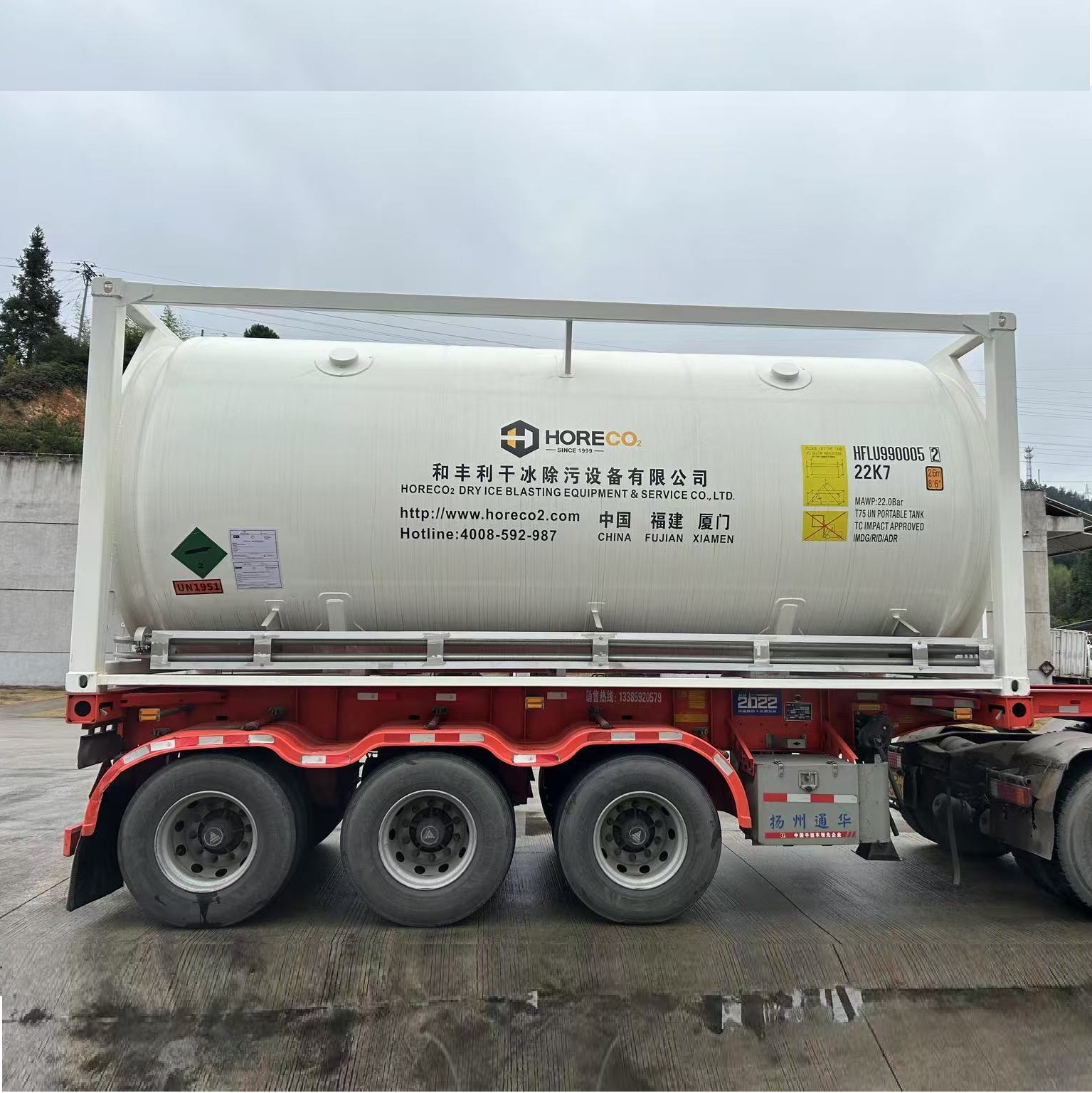
Q5: How do you ensure argon purity during transportation and storage?
A: Using vacuum-insulated containers and real-time purity monitors, we maintain specs within ±0.001%, adhering to ASTM E260 standards for gas chromatography validation.
Conclusion: Elevate Your Manufacturing Precision
Liquid argon isn't just a tool; it's a strategic asset for achieving unparalleled purity and efficiency. By addressing core pain points with data-driven solutions, industries can unlock significant gains. Ready to transform your processes? Download our technical whitepaper on advanced cryogenic applications or contact a HORECO2 sales engineer for a customized audit—because in high-stakes manufacturing, every detail counts.
