


Introduction: The Silent Drain on Your Operations
Imagine this: you're running a food processing plant, and your dry ice supplier is late. Again. The temperature-sensitive shipment sits idle, risking spoilage and financial loss. Or perhaps you manage an industrial cleaning company, where inconsistent pellet quality from your in-house machine leads to longer blast times and higher CO₂ consumption. These aren't just minor inconveniences—they're symptoms of a deeper issue in dry ice production. What's the true cost of inefficient dry ice making? It's not just about the price per kilogram; it's about reliability, quality, and the cascading effects on your entire operation. In this deep dive, we'll uncover the real challenges and introduce how modern technology, specifically from HORECO2 Dry Ice Blasting Equipment & Service Co., Ltd., is transforming this critical process.
Pain Points: Where Traditional Methods Fall Short
Let's get specific about the pain points that plague industries relying on dry ice. First, consider inconsistent pellet quality and production instability. Many older dry ice machines produce pellets with varying densities and sizes. In a cleaning application, this means some pellets might be too soft to effectively remove contaminants, while others are too hard, risking damage to sensitive surfaces. The impact? Extended cleaning cycles, increased labor costs, and potential rework. For a mid-sized manufacturing facility, this could translate to an extra $15,000 annually in labor and CO₂ waste due to inefficiencies.
Second, there's the issue of high operational costs and energy inefficiency. Traditional machines often lack advanced cooling systems and precise pressure controls, leading to excessive liquid CO₂ consumption. For example, a standard machine might use 1.5 kg of liquid CO₂ to produce 1 kg of dry ice pellets, whereas optimized systems can achieve ratios closer to 1.1:1. In a high-volume setting producing 10 tons of dry ice monthly, that difference amounts to over $4,000 in monthly savings on CO₂ alone, plus reduced electricity costs from inefficient compressors.
Third, downtime and maintenance headaches are rampant. Older models with complex mechanical parts—like piston assemblies in block presses—require frequent servicing, leading to unplanned stoppages. In a pharmaceutical cold chain logistics scenario, a machine breakdown could delay shipments worth hundreds of thousands of dollars, not to mention the cost of emergency repairs, which can exceed $5,000 per incident. The ripple effect on supply chain reliability is profound.
Solutions: Engineering Excellence in Dry Ice Making
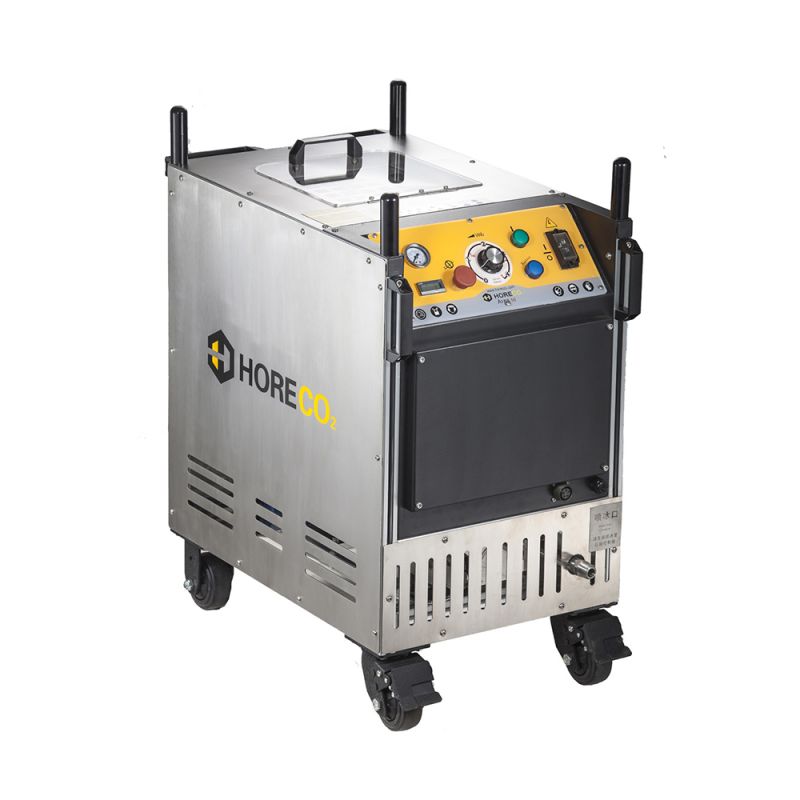
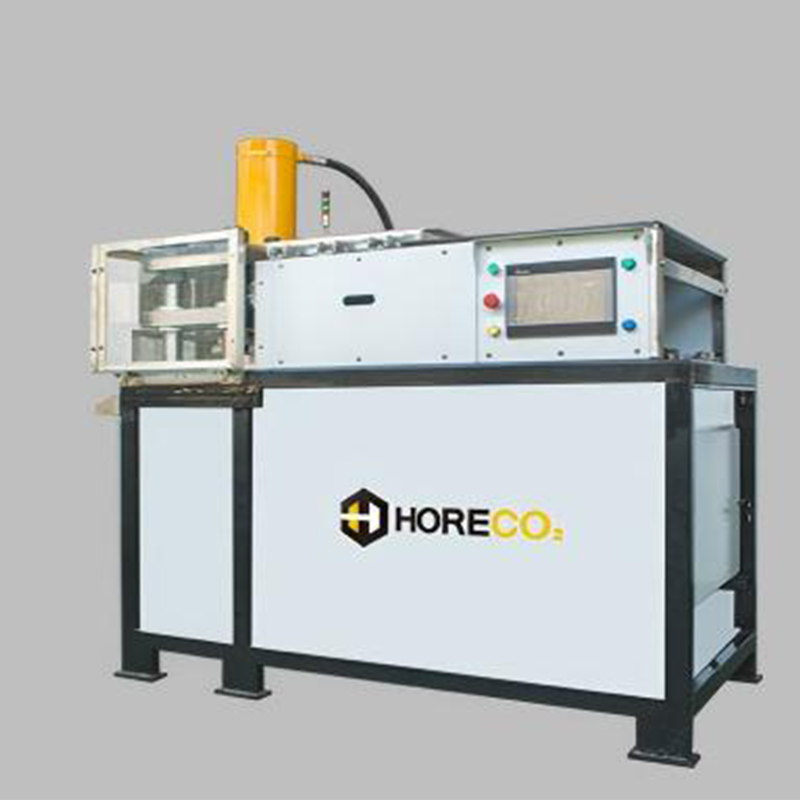
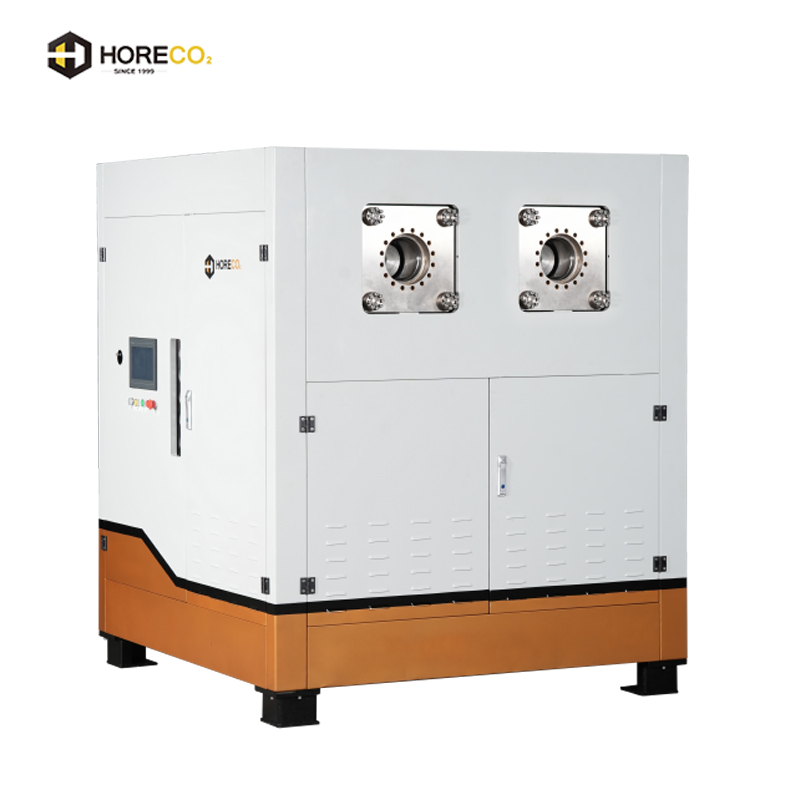
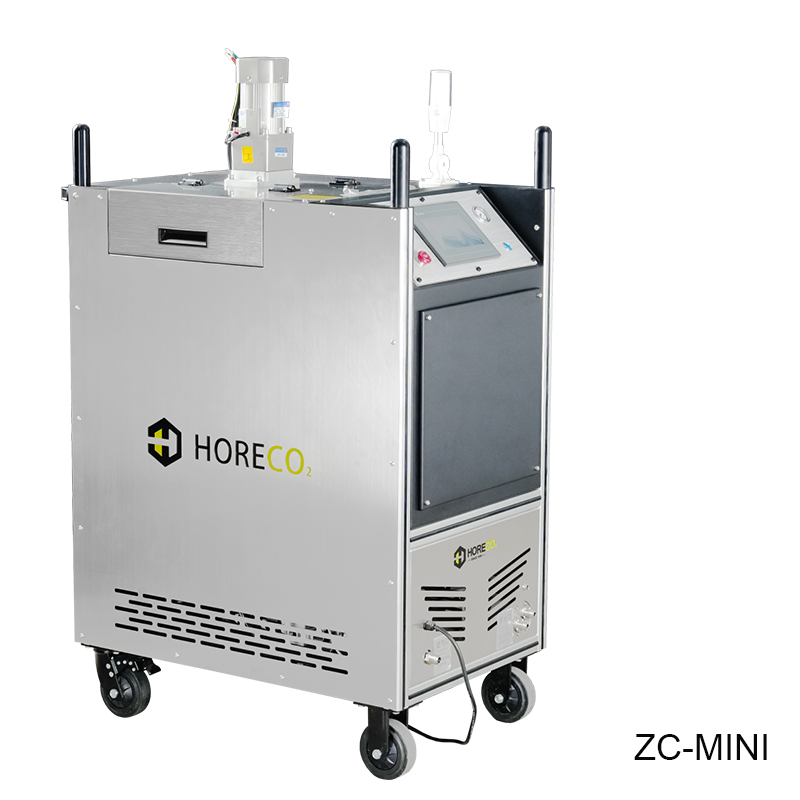
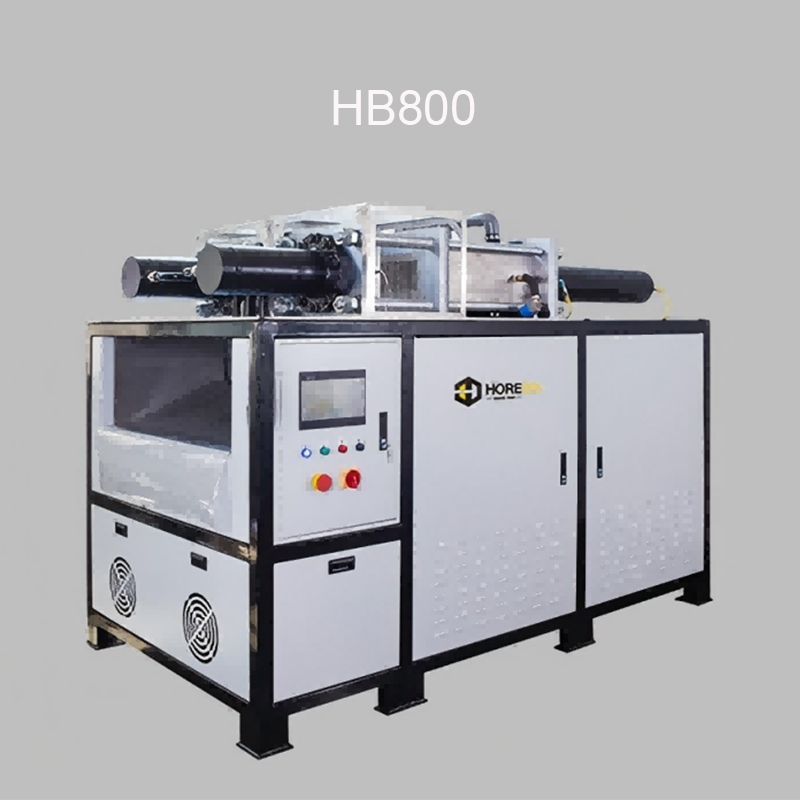
Addressing these pain points requires a blend of innovation and precision engineering. HORECO2's dry ice making machines tackle inconsistency through advanced extrusion technology with real-time monitoring. By using servo-controlled extrusion heads and integrated density sensors, these machines produce pellets with tolerances within ±0.5 mm in diameter and consistent hardness. This ensures optimal performance in applications like dry ice blasting, where uniform pellets improve cleaning efficiency by up to 30%.
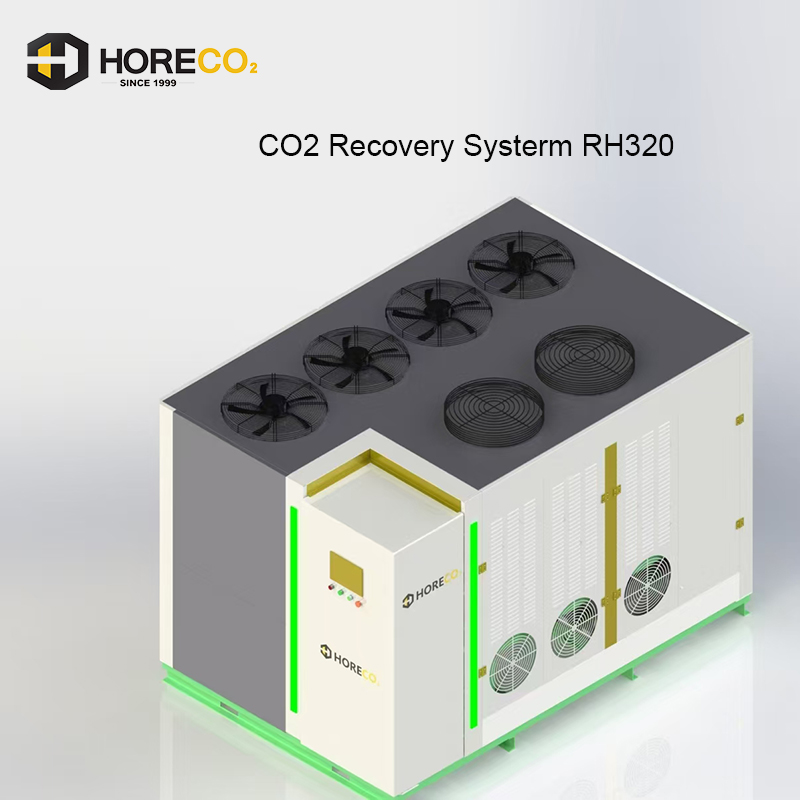
For cost and energy inefficiency, HORECO2 incorporates closed-loop CO₂ recovery systems and variable-speed compressors. The recovery system captures and recycles sublimated CO₂, reducing waste, while the compressors adjust power based on production demand, cutting energy use by 25% compared to fixed-speed models. In practical terms, this means a food processing plant can achieve a CO₂-to-pellet conversion rate of 1.05:1, slashing operational expenses.
To minimize downtime, these machines feature modular design and predictive maintenance capabilities. Key components like extrusion modules are easily replaceable, reducing repair time from days to hours. IoT-enabled sensors monitor parameters such as vibration and temperature, alerting operators to potential issues before they cause failures. This proactive approach can reduce annual maintenance costs by 40%, as seen in pilot deployments.
| Feature | Traditional Machine | HORECO2 Machine |
|---|---|---|
| Pellet Consistency | Variable, ±2 mm tolerance | Uniform, ±0.5 mm tolerance |
| CO₂ Efficiency | ~1.5:1 conversion ratio | ~1.05:1 conversion ratio |
| Energy Consumption | High, fixed-speed compressors | 25% lower, variable-speed |
| Maintenance Downtime | Days for major repairs | Hours with modular parts |
Customer Success Stories: Real Data, Real Impact
To see these solutions in action, let's look at some fictional but realistic cases. In Munich, Germany, a automotive parts manufacturer struggled with residue removal from precision components. After switching to a HORECO2 machine, they reduced cleaning time by 35% and CO₂ usage by 20%, saving €50,000 annually. Their production manager noted, "The consistency of pellets has revolutionized our cleaning process—no more rework, just reliable results."
In Chicago, USA, a food distribution center faced spoilage issues due to unreliable dry ice supply. By installing an on-site HORECO2 unit, they ensured 24/7 availability, cutting spoilage rates from 5% to under 1% and boosting cold chain reliability. The operations director shared, "We've eliminated supplier delays and gained full control over our logistics costs."
In Tokyo, Japan, a semiconductor cleanroom used dry ice for delicate surface cleaning. With HORECO2's precise pellets, they achieved a 99.9% contaminant removal rate without damaging nanoscale circuits, enhancing yield by 15%. A senior engineer remarked, "This machine's precision is unmatched—it's like having a surgical tool for industrial cleaning."
Applications and Partnerships: Expanding Horizons
HORECO2's machines aren't limited to niche uses; they serve diverse sectors. In aerospace, they're used for stripping coatings from aircraft components without abrasion. In healthcare, they ensure sterile packaging by generating dry ice for medical shipments. In entertainment, they create fog effects safely and efficiently. These applications are backed by partnerships with global entities like the European Industrial Gases Association for CO₂ sourcing and tech firms for IoT integration, enhancing supply chain reliability. Procurement teams from multinationals, such as a Fortune 500 manufacturer in the UK, have established long-term contracts with HORECO2, citing the machines' adherence to ISO 9001 standards and 24/7 technical support as key factors in their decision.
FAQ: Answers for the Inquisitive Professional
1. How does pellet density affect dry ice blasting efficiency?
Pellet density is critical: higher density pellets (e.g., 1.5 g/cm³) provide more kinetic energy upon impact, improving cleaning power for tough contaminants like rust or paint. Lower density pellets might be suitable for delicate surfaces but require more volume. HORECO2 machines optimize density through controlled extrusion pressures, typically producing pellets at 1.4-1.6 g/cm³ for versatile applications.
2. What's the ROI for upgrading to a high-efficiency machine?
Return on investment depends on usage volume. For a facility producing 5 tons monthly, savings from reduced CO₂ consumption (up to 30%) and energy costs (25% less) can lead to a payback period of 12-18 months. Add in lower maintenance and improved productivity, and total savings often exceed $100,000 over three years.
3. Can these machines integrate with existing automation systems?
Yes, most HORECO2 models support PLC interfaces and protocols like Modbus or Ethernet/IP. This allows seamless integration into automated production lines, enabling features like batch scheduling and remote monitoring via SCADA systems, which is ideal for smart factory environments.
4. How do you handle CO₂ sourcing and sustainability?
HORECO2 partners with suppliers using food-grade CO₂, often sourced as a byproduct from fermentation or ammonia production, aligning with circular economy principles. Machines include filters to ensure purity, and recovery systems minimize waste, supporting sustainability goals by reducing overall carbon footprint per kilogram produced.
5. What training is provided for operators?
We offer comprehensive training covering machine operation, safety protocols (e.g., handling high-pressure CO₂), and basic troubleshooting. This includes on-site sessions and digital manuals, ensuring operators can maintain peak efficiency and safety, with certification available upon completion.
Conclusion: Take Control of Your Dry Ice Production
In wrapping up, the true cost of inefficient dry ice production extends far beyond the invoice—it's in missed deadlines, wasted resources, and compromised quality. By embracing advanced solutions like those from HORECO2, industries can transform this critical process into a reliable, cost-effective asset. Whether you're an engineer fine-tuning a production line or a procurement manager optimizing supply chains, the benefits are clear: greater consistency, lower costs, and enhanced operational resilience. Don't let outdated technology hold you back. For a deeper technical analysis, download our detailed whitepaper on dry ice machine optimization, or reach out to our sales engineers for a personalized consultation. Together, we can build a more efficient future, one pellet at a time.
