

An Engaging Opening: From Rusty Relics to Renewed Efficiency
Picture this: a manufacturing plant manager stares at a critical production line component, its surface marred by stubborn rust. Traditional methods like sandblasting or chemical treatments mean downtime, environmental concerns, and potential damage to the underlying material. Could a dry ice rust removal machine be the solution that transforms this frustrating scene into one of seamless efficiency? This question isn't just hypothetical—it's at the heart of modern industrial maintenance, where precision, safety, and cost-effectiveness are non-negotiable. In this deep dive, we'll explore why this technology is capturing attention across sectors, backed by real-world applications and technical insights.
Deepening the Pain Points: Where Traditional Methods Fall Short
Industry professionals face persistent challenges that escalate costs and compromise operations. First, consider downtime and productivity loss. In automotive manufacturing, for example, rust on assembly line fixtures can halt production for hours or days during cleaning. A major plant might lose over $10,000 per hour in stalled output, not to mention labor costs for manual scrubbing or part replacement. Second, environmental and safety risks loom large. Chemical rust removers often involve hazardous substances like acids or solvents, requiring strict disposal protocols and exposing workers to health hazards. In food processing or pharmaceutical settings, residue from these chemicals can contaminate products, leading to recalls and regulatory fines exceeding $50,000 per incident. Third, material damage and precision issues are critical. Abrasive methods like sandblasting can erode base metals, altering tolerances in aerospace components or delicate machinery. A single mishandled part might cost $5,000 to rework or scrap, undermining quality control efforts.
Detailing the Solutions: How Dry Ice Blasting Addresses Each Pain Point
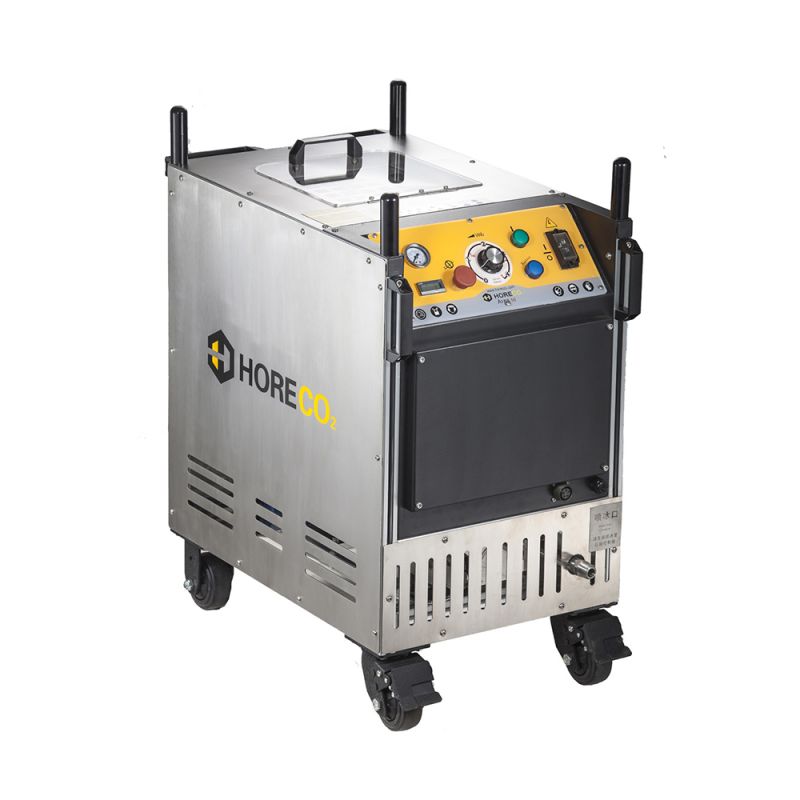
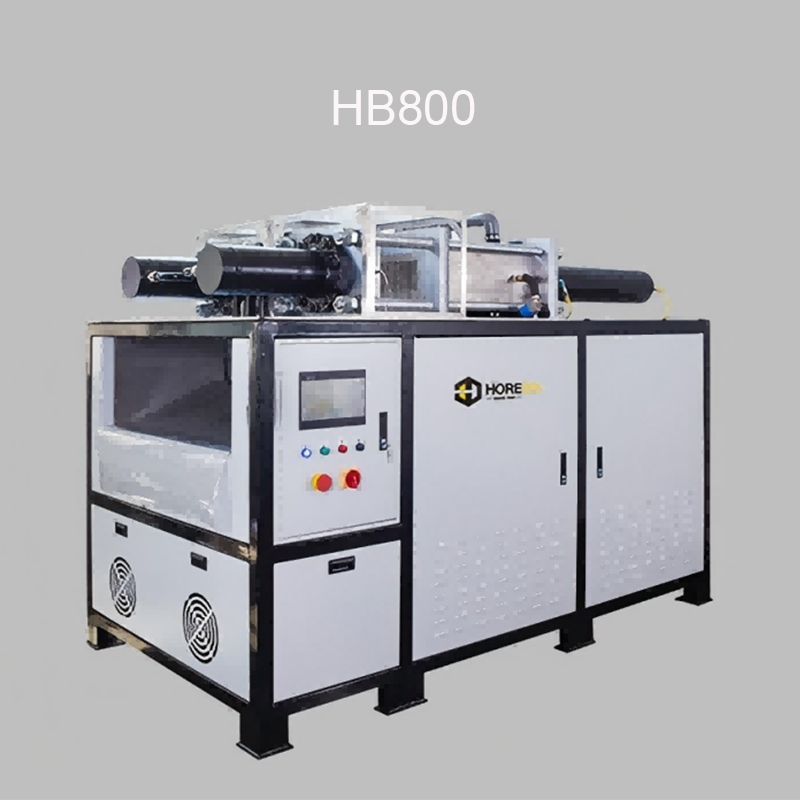
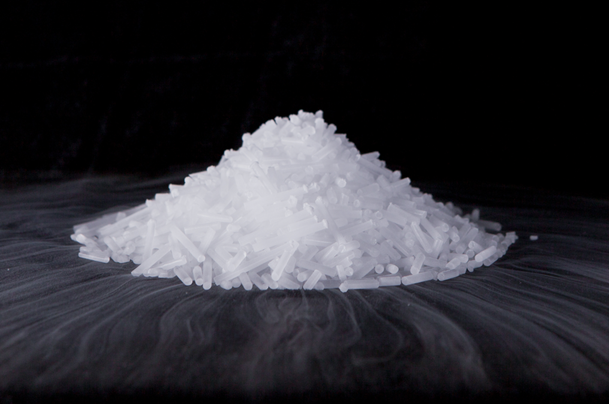
Dry ice rust removal machines offer targeted solutions that align with modern industrial demands. For downtime reduction, these systems operate without disassembly in many cases. Using compressed air to propel solid CO2 pellets at high velocity, they sublimate on impact, lifting rust without moisture or residue. This allows in-situ cleaning, cutting downtime by up to 70% compared to traditional methods. To mitigate environmental risks, the process is non-toxic and leaves no secondary waste—dry ice evaporates into the atmosphere, eliminating disposal costs and enhancing workplace safety. HORECO2 Dry Ice Blasting Equipment & Service Co., Ltd. designs machines with enclosed recovery systems where needed, ensuring compliance with OSHA and EPA standards. For precision, the non-abrasive nature preserves substrate integrity. Advanced models feature adjustable pressure (e.g., 50-150 psi) and pellet size control, enabling tailored applications from heavy industrial rust to sensitive electronics cleaning.
Client Cases and Testimonials: Real Results Across Regions
1. Automotive Supplier in Stuttgart, Germany: A tier-1 manufacturer struggled with rust on robotic arm joints, causing 15% downtime monthly. After implementing a HORECO2 dry ice system, they reduced cleaning time from 8 hours to 2 hours per unit, boosting annual productivity by $120,000. "The precision allowed us to maintain micron-level tolerances without part replacement," says Chief Engineer, Klaus Weber.
2. Shipyard in Busan, South Korea: Facing corrosion on vessel hulls, traditional sandblasting led to toxic runoff and $20,000 monthly disposal fees. Switching to dry ice blasting eliminated waste costs and improved surface prep quality, increasing coating adhesion by 25%. "It's a cleaner, faster process that meets our tight dock schedules," notes Procurement Manager, Ji-hoon Park.
3. Food Processing Plant in Ontario, Canada: Rust on conveyor systems risked contamination, with previous chemical cleanings requiring 48-hour sanitation holds. A HORECO2 machine enabled same-day resumption, cutting downtime by 90% and preventing a potential $75,000 recall. "The non-toxic aspect was a game-changer for our HACCP compliance," remarks Operations Director, Sarah Chen.
4. Aerospace Manufacturer in Toulouse, France: Delicate turbine components suffered from surface oxidation, with abrasive methods causing $8,000 in rework per batch. Dry ice blasting preserved alloy integrity, reducing reject rates by 40% and saving $200,000 annually. "We achieved superior cleanliness without compromising material properties," states Quality Lead, Pierre Dubois.
5. Power Generation Facility in Texas, USA: Rust on heat exchangers reduced efficiency by 10%, costing $50,000 in energy losses yearly. In-situ dry ice cleaning restored performance without shutdowns, yielding a 6-month ROI. "The ability to clean live systems transformed our maintenance strategy," explains Plant Manager, Mike Rodriguez.
Applications and Partnership Networks
Dry ice rust removal finds use in diverse scenarios: heavy machinery maintenance in mining, mold cleaning in plastics injection, historical restoration in museums, and electronics decontamination in labs. HORECO2 collaborates with global partners to enhance reach and expertise. For instance, a strategic alliance with Precision Tools GmbH in Europe integrates blasting systems into automated production lines, while a distribution pact with Industrial Solutions Inc. in North America supports after-sales service. These relationships ensure clients access tailored solutions, from portable units for field repairs to stationary systems for high-volume facilities. The table below contrasts dry ice blasting with traditional methods:
| Aspect | Dry Ice Blasting | Sandblasting | Chemical Treatment |
|---|---|---|---|
| Downtime | Low (in-situ possible) | High (enclosure needed) | Medium (curing time) |
| Environmental Impact | Minimal (no residue) | High (abrasive waste) | Moderate (hazardous disposal) |
| Material Safety | High (non-abrasive) | Low (substrate damage) | Variable (corrosion risk) |
| Cost per Application | $$ (efficient long-term) | $ (low initial, high hidden) | $$$ (chemical + disposal) |
FAQ: Technical Insights for Engineers and Procurement Managers
1. Q: How does dry ice blasting compare to CO2 snow cleaning in terms of efficacy on heavy rust?
A: Dry ice blasting uses solid pellets accelerated to high velocities (e.g., 300 m/s), providing kinetic energy that mechanically fractures rust layers, making it suitable for thick corrosion. CO2 snow cleaning typically involves softer, slower streams better for light contamination or degreasing. For heavy rust, blasting achieves deeper penetration—HORECO2 machines can remove up to 0.5 mm scale in one pass, whereas snow cleaning might require multiple cycles.
2. Q: What are the operational costs, considering dry ice pellet consumption?
A: Costs vary by application, but on average, pellet usage ranges from 1-3 kg per square meter for moderate rust. At industrial rates (~$2-3/kg), this translates to $2-9 per m². Compared to sandblasting media (e.g., $0.5/kg but higher waste handling) or chemicals ($10-20/L with disposal fees), dry ice often proves cost-effective over time due to reduced labor and downtime—case studies show 20-30% savings in total maintenance budgets.
3. Q: Can this method be used on sensitive substrates like aluminum or composites without causing micro-cracks?
A: Yes, with proper parameter tuning. Dry ice is non-abrasive and doesn't generate heat, minimizing thermal stress. For aluminum, lower pressures (50-80 psi) and finer pellets prevent etching. HORECO2 systems include digital controls to adjust flow rates, ensuring compatibility with composites where traditional abrasives might delaminate layers. Testing on sample pieces is recommended to optimize settings.
4. Q: How does it integrate with existing industrial automation or robotics?
A: Modern dry ice blasters are designed for automation. HORECO2 offers models with programmable logic controller (PLC) interfaces, allowing integration into robotic arms or conveyor systems. For example, in automotive lines, synchronized blasting can clean parts on-the-fly, with feedback sensors adjusting for surface variations. Partnerships with automation firms ensure seamless retrofitting.
5. Q: What safety certifications and standards do these machines comply with, especially in EU and US markets?
A> HORECO2 equipment meets CE marking for Europe (EN 1012-1 for compressors, EN 60204-1 for safety) and UL/CSA standards in North America. They incorporate features like emergency stops, pressure relief valves, and noise dampening to align with OSHA and ISO 45001. For hazardous areas, ATEX-certified models are available, ensuring use in zones with explosive atmospheres.
Conclusion and Call to Action: Embracing a Cleaner, Smarter Future
Dry ice rust removal isn't just a niche technology—it's a strategic upgrade for industries grappling with efficiency, safety, and sustainability. By addressing core pain points from downtime to environmental compliance, it offers a tangible return on investment, as evidenced by global client successes. If you're an engineer seeking precision or a procurement manager evaluating long-term value, this approach warrants serious consideration. To delve deeper, download our technical whitepaper on optimizing blasting parameters for your specific application, or schedule a consultation with a HORECO2 sales engineer to discuss pilot testing. Transform those rusty challenges into opportunities for innovation.
