

Introduction: A Glimpse into the Future of Cleaning
Imagine walking into a manufacturing plant after a routine cleaning session. Instead of the usual chemical odors, lingering moisture, or piles of abrasive waste, you find surfaces spotless, machinery untouched, and the air crisp. This isn't science fiction—it's the reality offered by advanced dry ice pellet technology. But can these tiny frozen pellets truly revolutionize industrial cleaning? Let's dive into the mechanics, challenges, and real-world impact.
Pain Points: The Hidden Costs of Traditional Methods
Traditional industrial cleaning methods, such as chemical solvents, sandblasting, or high-pressure water jets, come with significant drawbacks. First, safety hazards: chemical residues can expose workers to toxic fumes, leading to health issues and increased liability costs. For example, in food processing plants, improper chemical cleanup might result in contamination, risking recalls that cost millions. Second, environmental compliance: regulations like the EPA's Clean Air Act in the US or the EU's REACH framework demand reduced chemical use and waste. Non-compliance can lead to fines up to $50,000 per violation, not to mention reputational damage. Third, downtime and damage: abrasive methods like sandblasting can wear down equipment surfaces, causing premature failure and requiring costly repairs or replacements, often adding 20-30% to maintenance budgets.
Solutions: How Dry Ice Pellets Address These Challenges
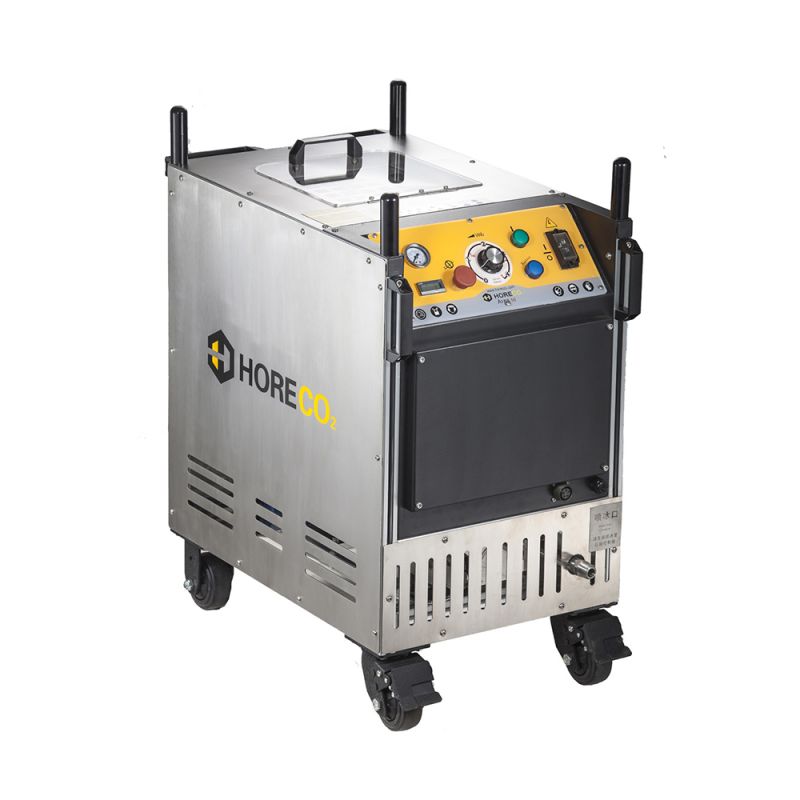
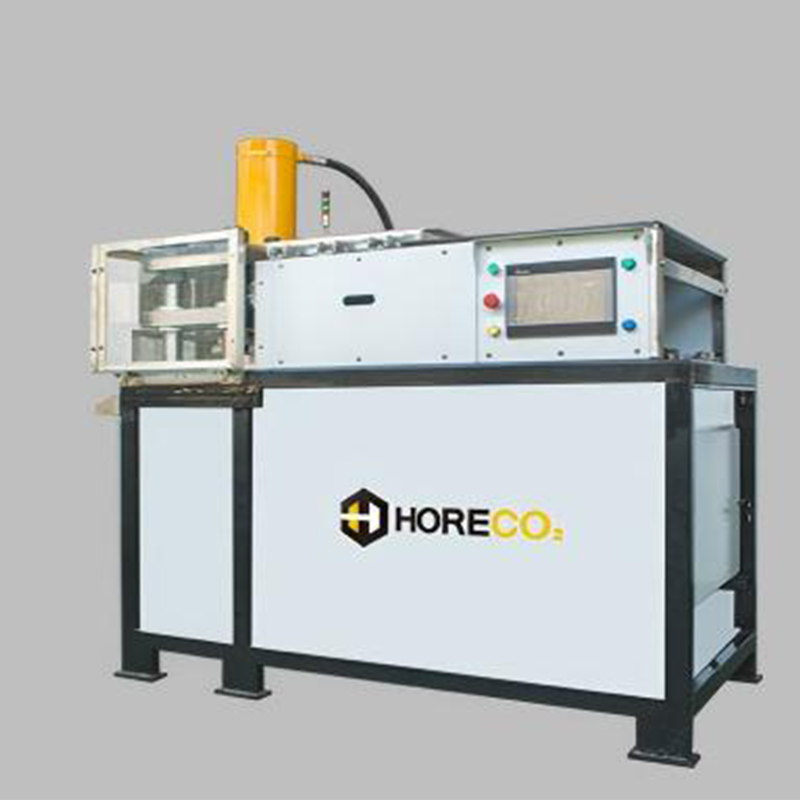
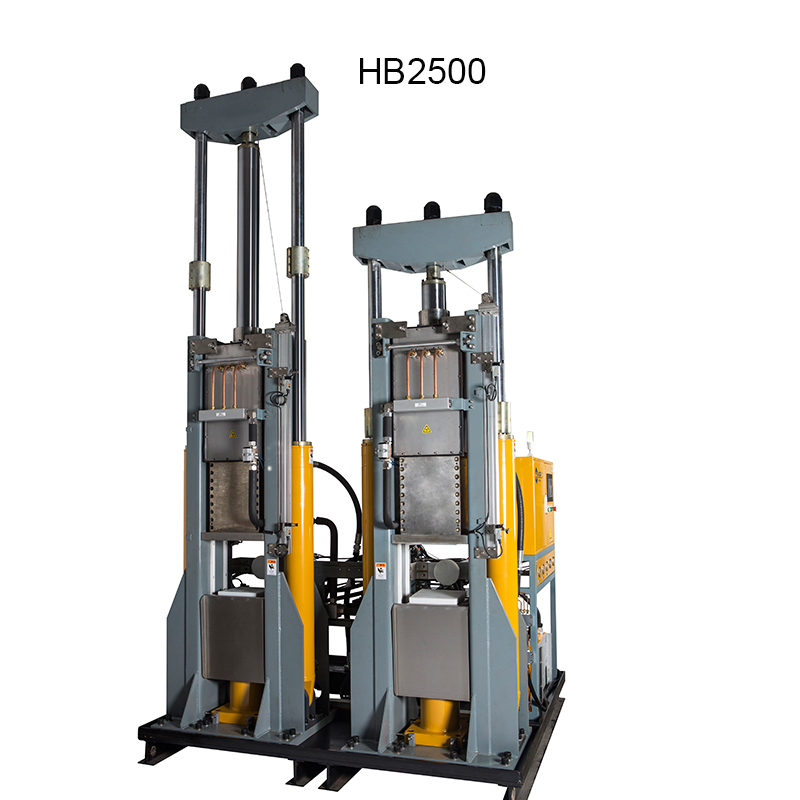
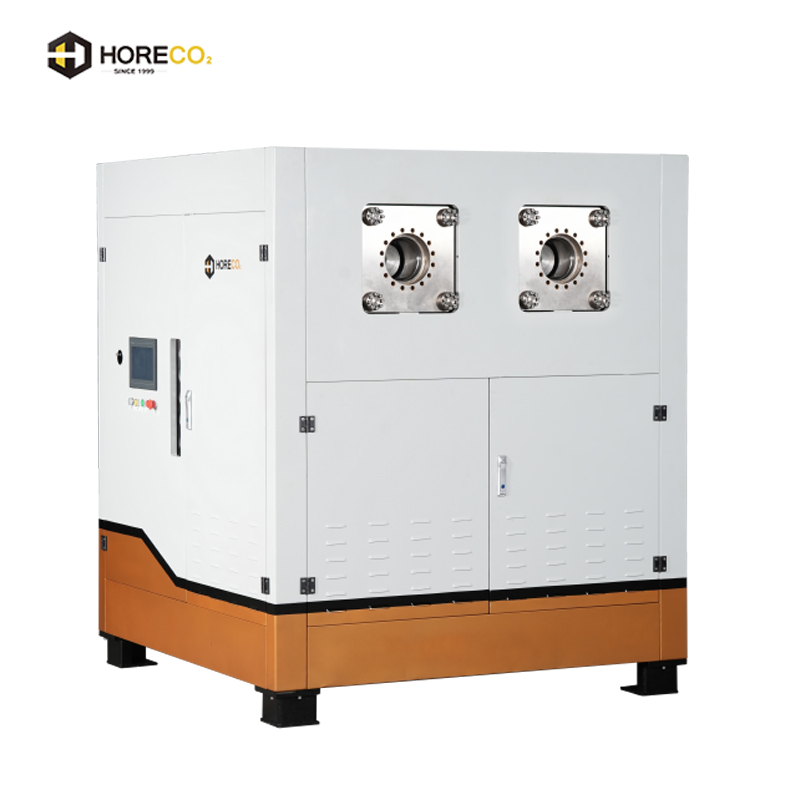
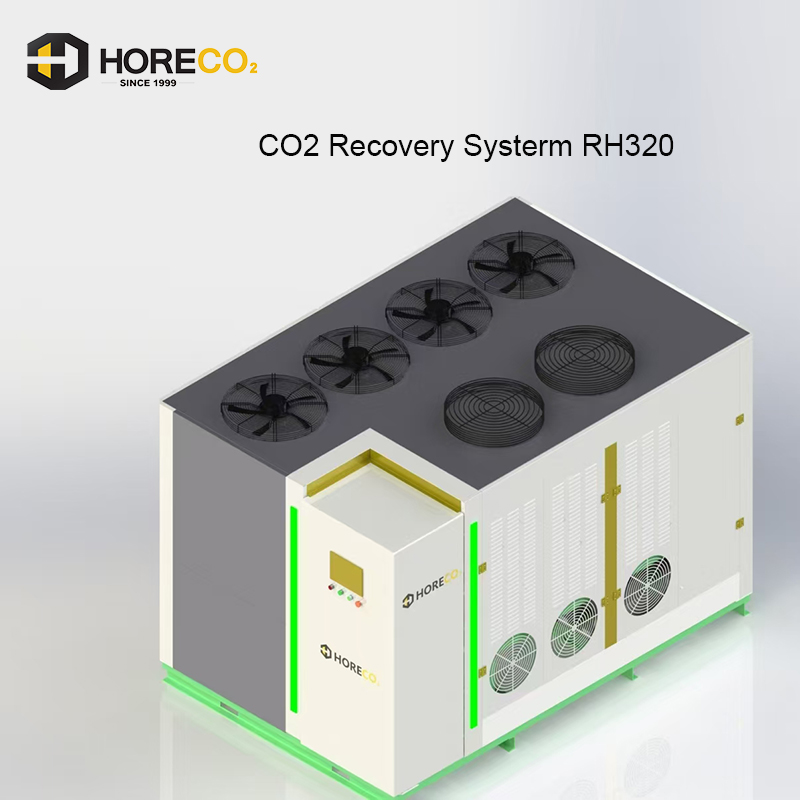
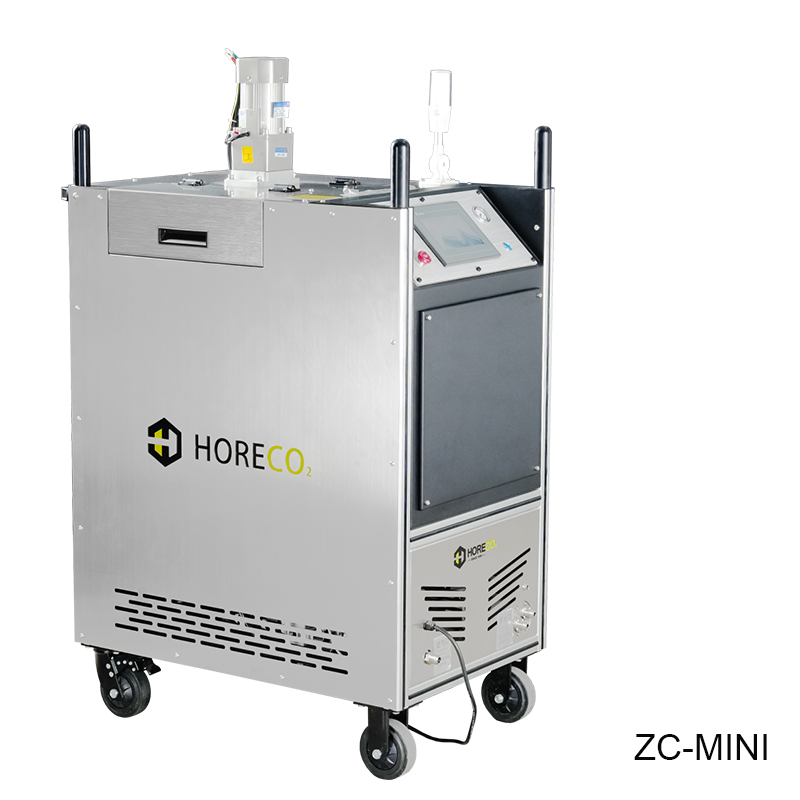
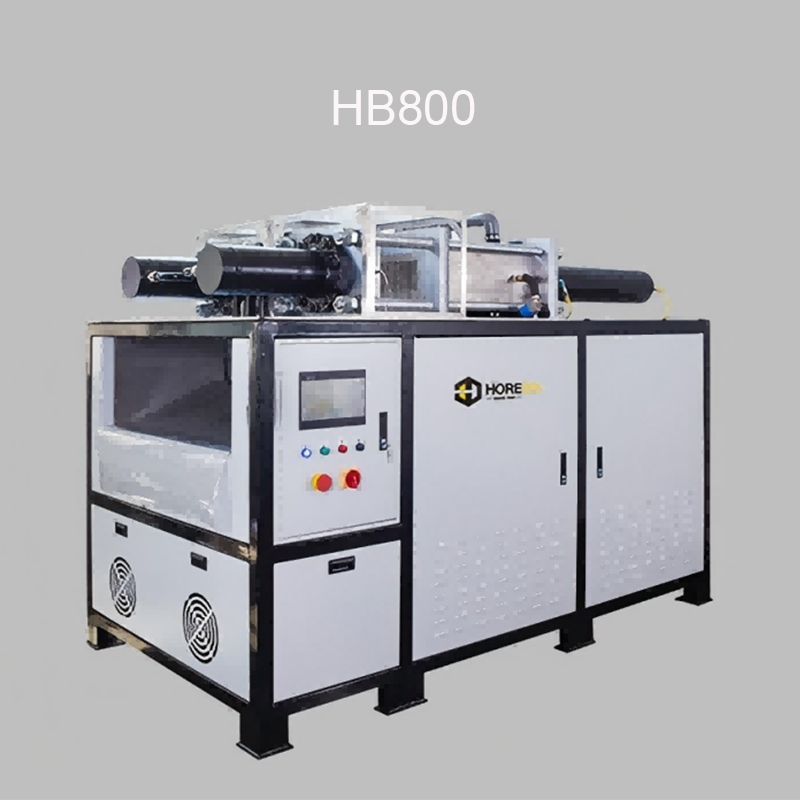
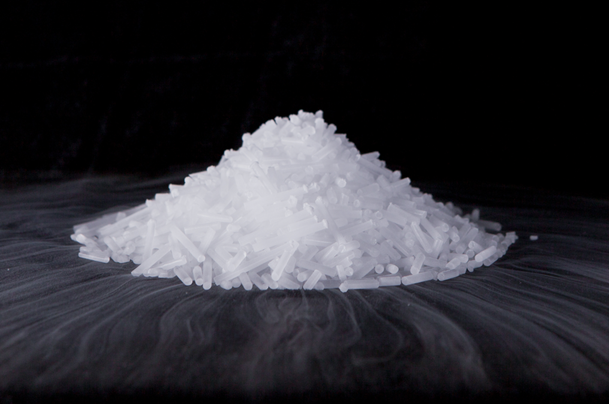
Dry ice pellets, made from compressed carbon dioxide, offer a non-abrasive, non-toxic alternative. For safety, they sublimate upon impact, leaving no residue—eliminating chemical exposure risks. In terms of environmental compliance, they produce no secondary waste, as the pellets turn into gas, aligning with green initiatives and reducing disposal costs by up to 40%. To combat downtime, the pellets clean without damaging substrates, preserving machinery integrity and cutting repair expenses. HORECO2 Dry Ice Blasting Equipment & Service Co., Ltd. has pioneered systems that optimize pellet delivery, ensuring consistent performance even in complex applications like aerospace or automotive manufacturing.
Client Case Studies: Real Results from Around the Globe
In the automotive sector, a factory in Detroit, USA, reported a 50% reduction in cleaning time for engine components using HORECO2's pellets, boosting production output by 15%. Their plant manager noted, "This technology has slashed our downtime and kept our workers safe—it's a game-changer." In Germany, a pharmaceutical company in Berlin achieved a 30% decrease in chemical usage, meeting strict EU regulations while improving cleanliness standards by 25%. A UK-based food processing plant in Manchester saw a 40% drop in water consumption and a 20% increase in equipment lifespan, with their quality assurance lead stating, "We've never seen such efficient cleaning without compromising hygiene."
Applications and Partnerships: Where and How It's Used
Dry ice pellets excel in diverse scenarios: removing paint from aircraft without harming surfaces, degreasing industrial machinery in oil refineries, and sanitizing conveyor belts in food production. HORECO2 collaborates with major partners like automotive suppliers in Europe and aerospace firms in North America, providing tailored solutions that integrate with existing workflows. These partnerships often involve joint R&D to refine pellet formulations for specific materials, enhancing performance and trust.
FAQ: Technical Insights for Engineers and Managers
Q1: How do dry ice pellets compare in cost to traditional methods? A1: Initial investment is higher, but long-term savings from reduced waste, lower energy use, and fewer repairs typically yield a ROI within 12-18 months, based on industry benchmarks.
Q2: Can pellets handle heavy rust or stubborn contaminants? A2: Yes, by adjusting pellet size and pressure settings—HORECO2's systems allow customization for varying hardness levels, proven in marine and construction applications.
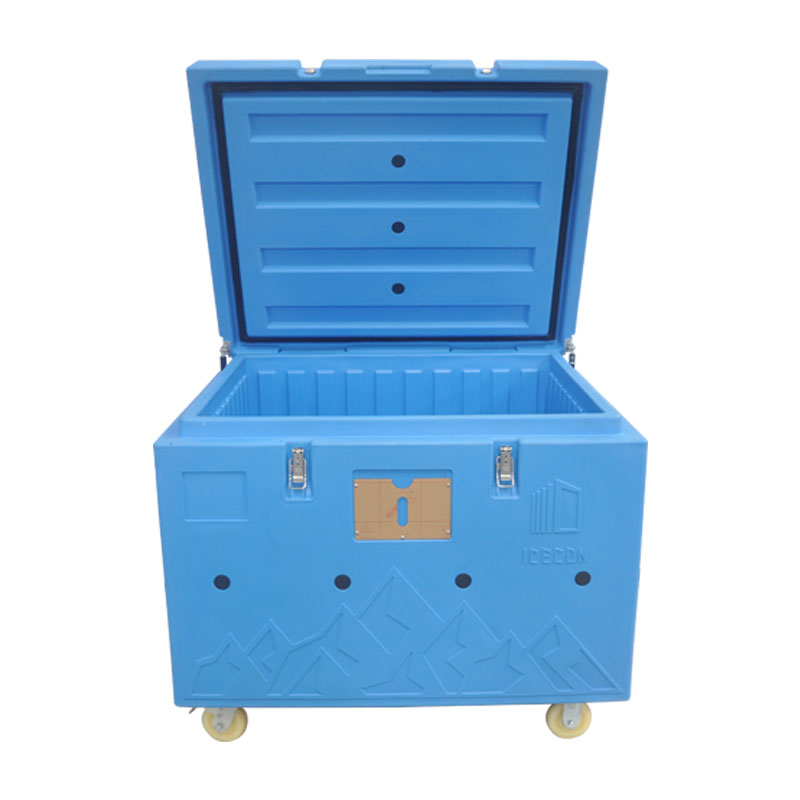
Q3: What about storage and handling safety? A3: Pellets require insulated containers and proper ventilation to prevent CO2 buildup; training and equipment from providers like HORECO2 mitigate risks effectively.
Q4: Is this technology suitable for sensitive electronics? A4: Absolutely, as it's non-conductive and residue-free, making it ideal for cleaning circuit boards or medical devices without damage.
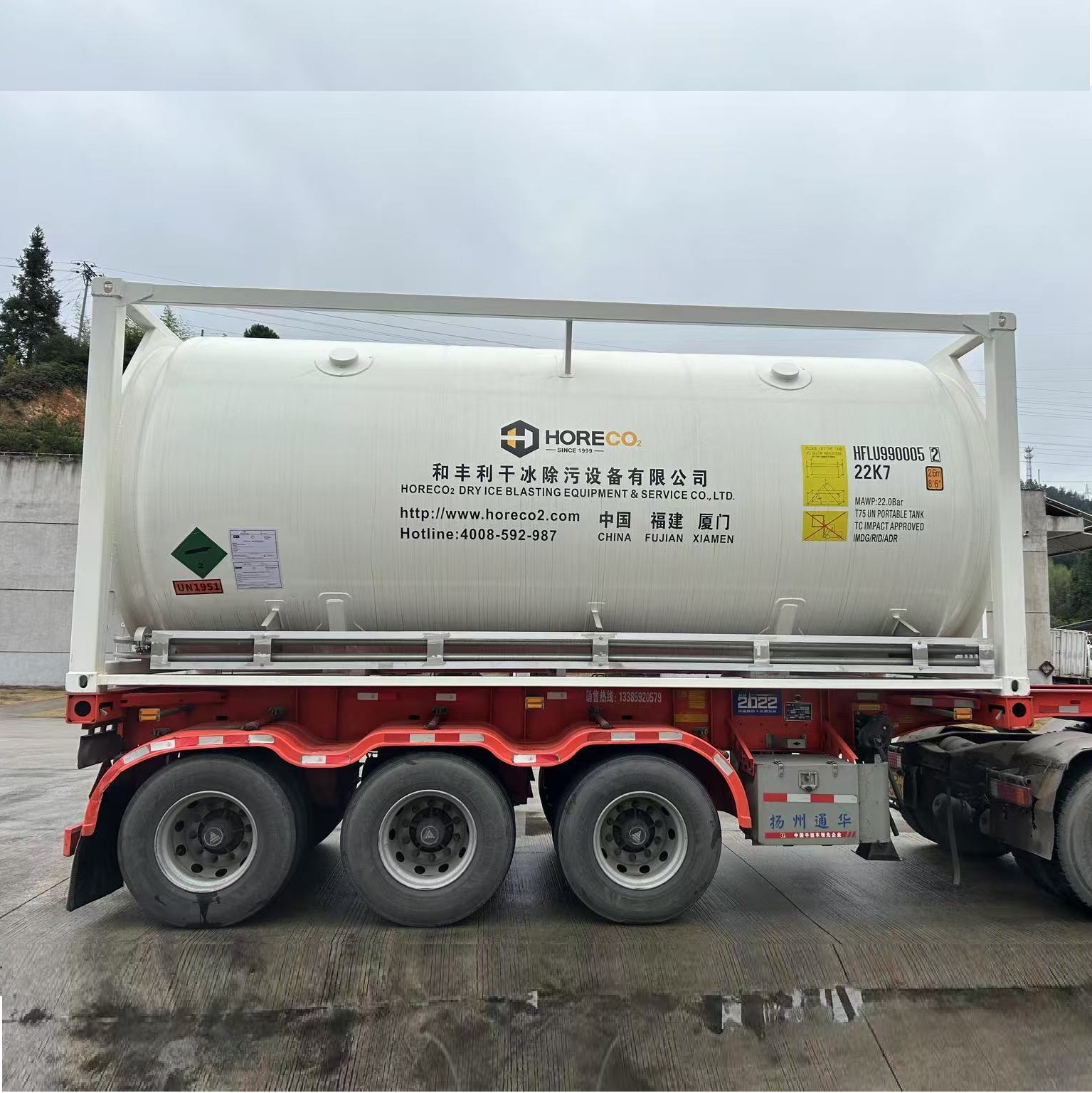
Q5: How does it impact carbon footprint? A5: Using reclaimed CO2 from industrial processes, pellets offer a circular economy benefit, reducing overall emissions compared to chemical production.
Comparison Table: Traditional vs. Dry Ice Pellet Cleaning
| Aspect | Traditional Methods | Dry Ice Pellets |
|---|---|---|
| Safety | Chemical exposure, abrasion risks | Non-toxic, non-abrasive |
| Environmental Impact | High waste, regulatory issues | Zero residue, compliant |
| Cost Over Time | High maintenance, disposal fees | Lower long-term expenses |
| Downtime | Extended cleanup, damage repair | Minimal, preserves equipment |
Conclusion: Take the Next Step in Innovation
Dry ice pellets aren't just a cleaning tool—they're a strategic upgrade for efficiency, safety, and sustainability. By addressing core industry pain points with proven solutions, they demonstrate real revolutionary potential. Ready to explore further? Download our detailed technical whitepaper or contact a HORECO2 sales engineer to tailor a solution for your specific needs. Transform your operations today and join the forefront of industrial innovation.
