

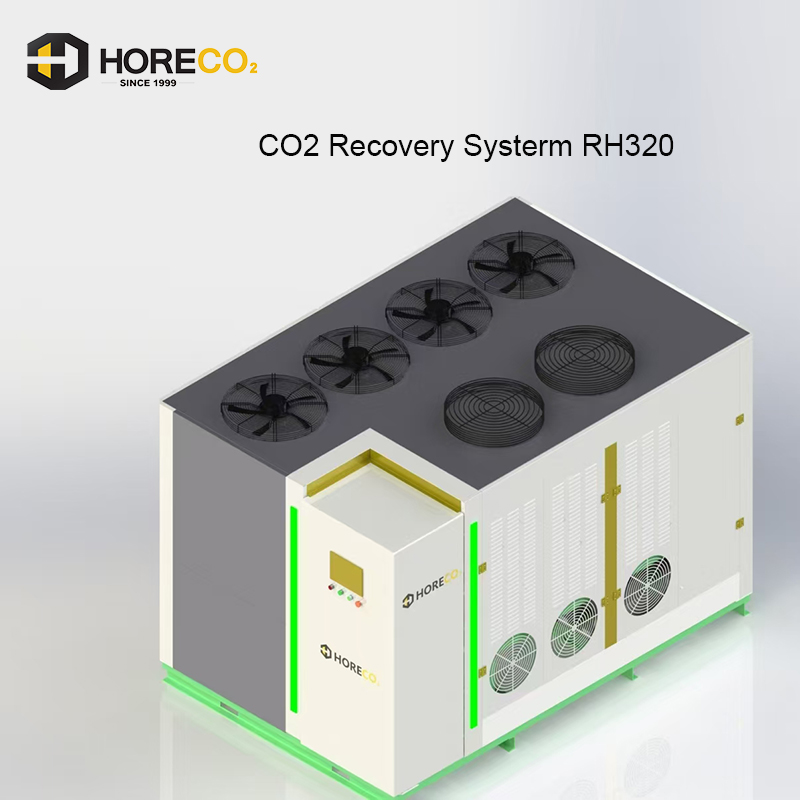
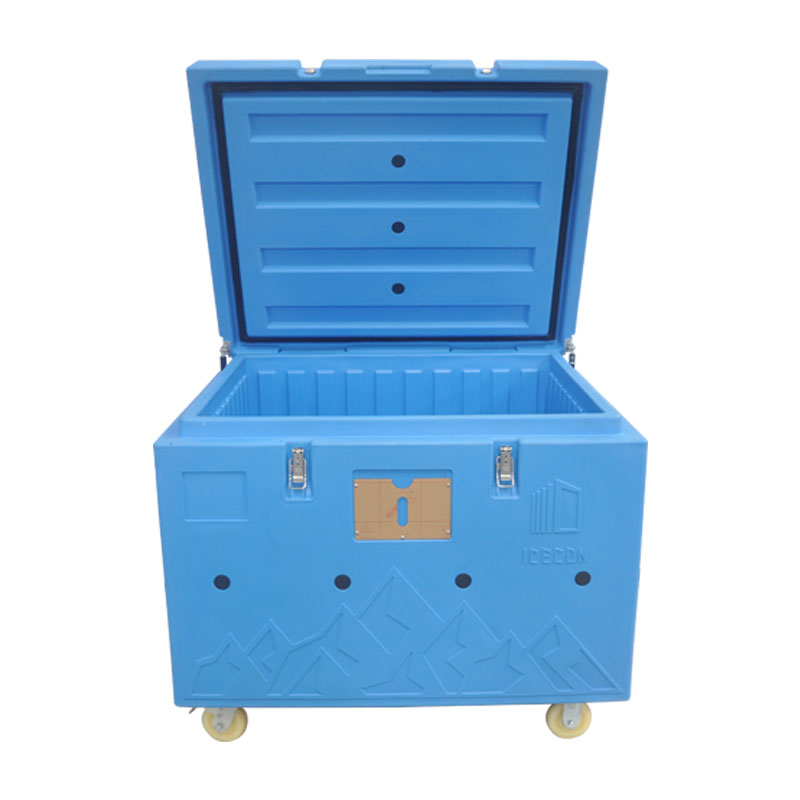
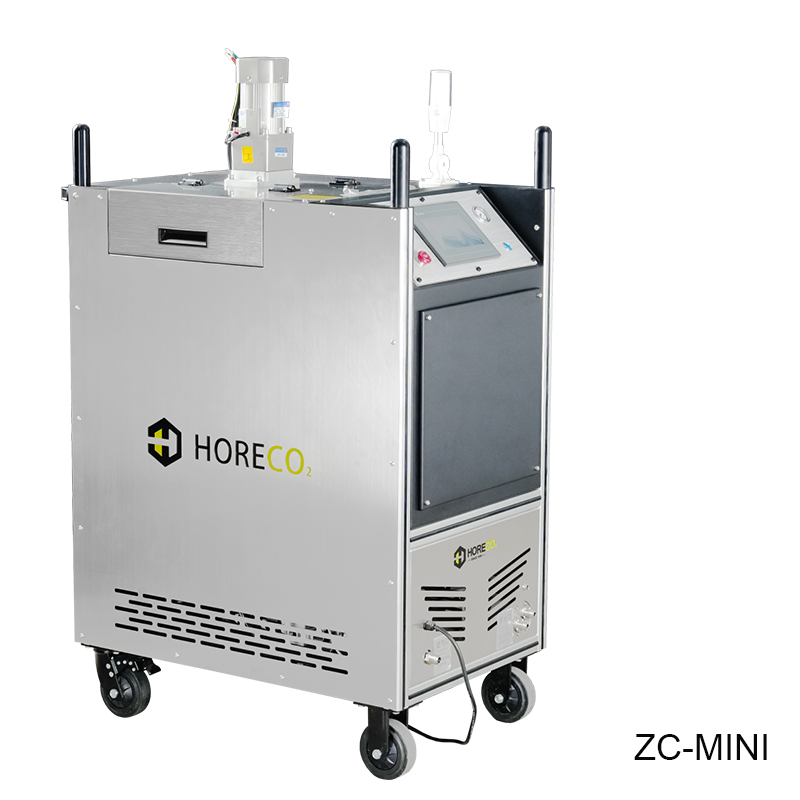
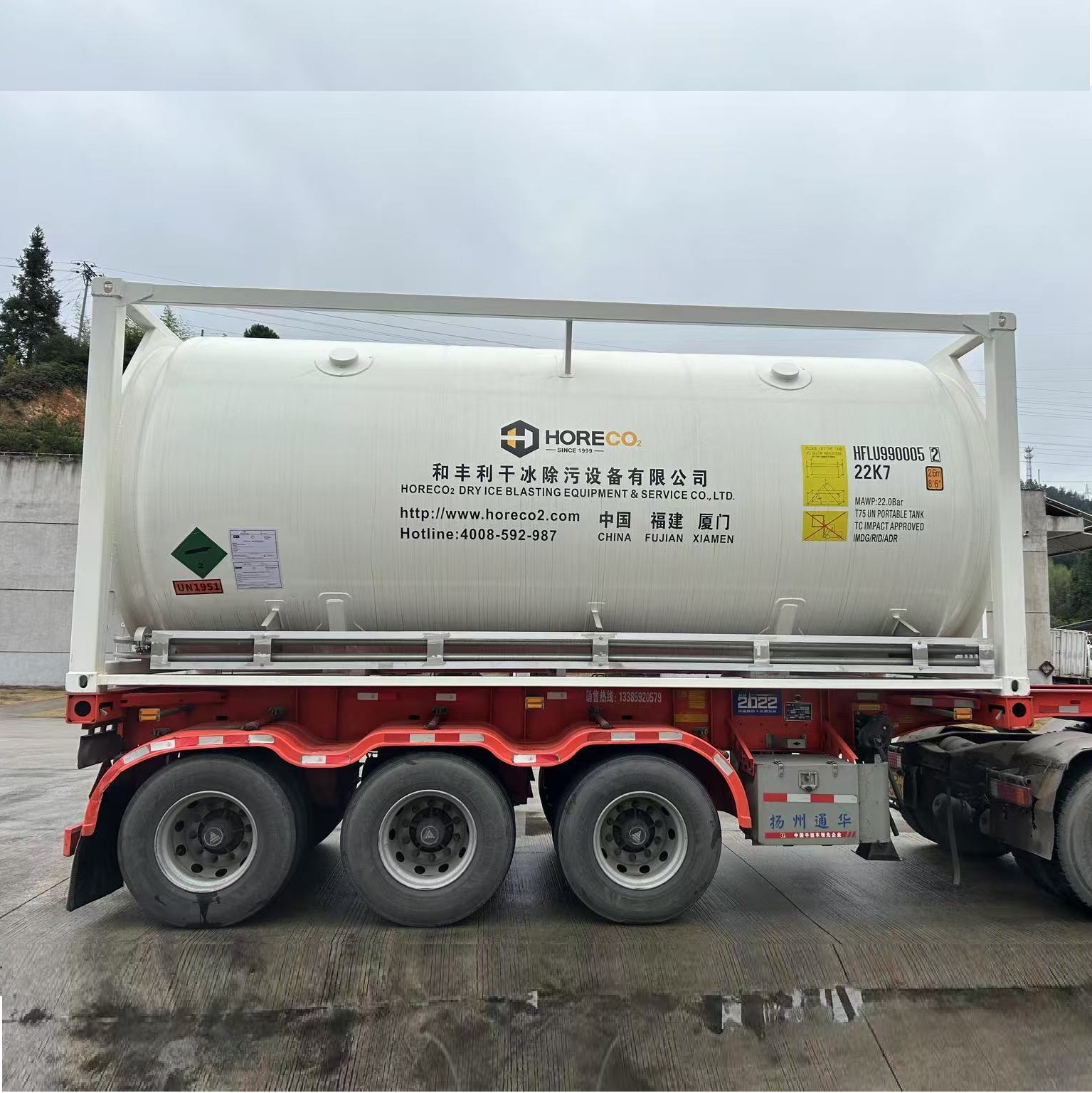
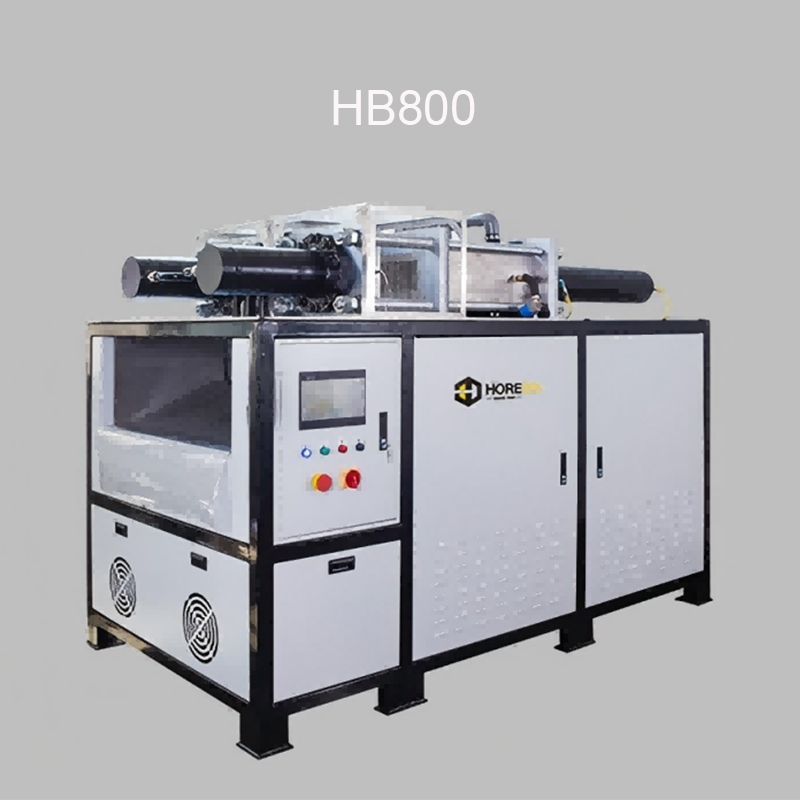
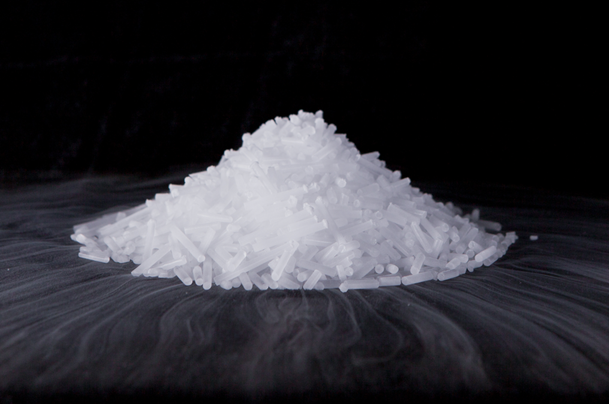
Imagine a manufacturing plant where removing decades-old paint from heavy machinery used to mean days of downtime, toxic fumes, and costly waste disposal. Now, picture a team using a machine that blasts away coatings with frozen carbon dioxide pellets, leaving surfaces spotless in hours without residue or damage. Is dry ice paint removal the future of surface preparation? Let's dive into why this technology is gaining traction across industries seeking efficient, eco-friendly solutions.
Pain Points in Traditional Paint Removal
Traditional methods like sandblasting, chemical stripping, or manual scraping pose significant challenges. First, consider environmental and health risks: sandblasting generates hazardous dust containing lead or other toxins, requiring extensive containment and PPE, while chemical strippers release volatile organic compounds (VOCs) that harm air quality and worker safety. A typical automotive plant might spend over $50,000 annually on disposal and compliance for these wastes. Second, downtime and surface damage are critical issues. For instance, in aerospace maintenance, abrasive methods can compromise delicate substrates like aluminum alloys, leading to costly repairs or part replacements. A single misstep in a shipyard could extend a project by weeks, with downtime costs exceeding $10,000 per day. Third, operational inefficiency persists: manual methods are labor-intensive, often requiring 3-4 workers for a task that a dry ice machine might handle with one operator, reducing productivity by up to 60% in settings like food processing equipment cleaning.
How Dry Ice Paint Removal Machines Offer Solutions
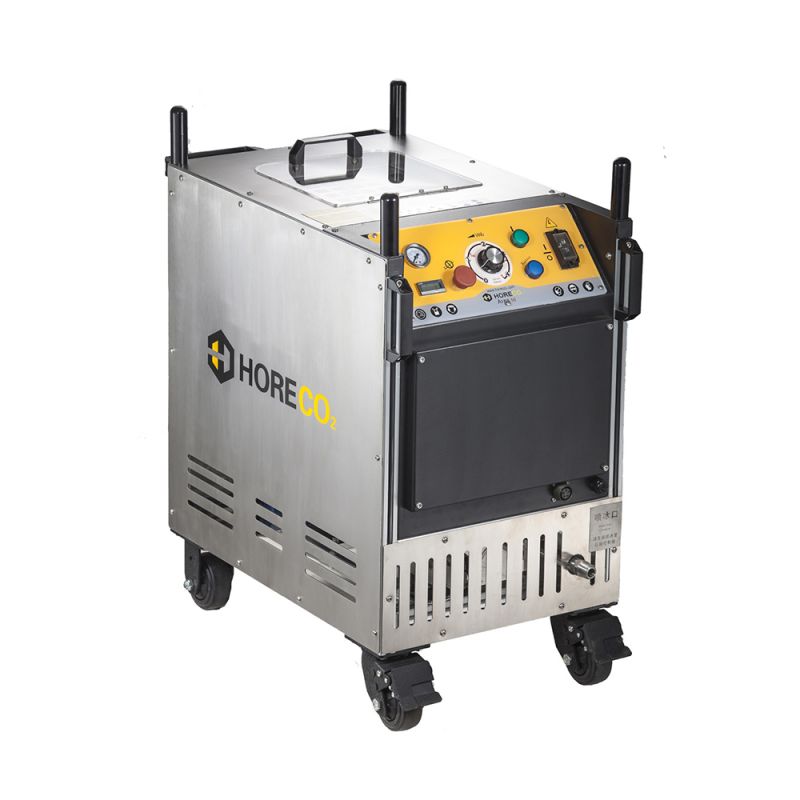
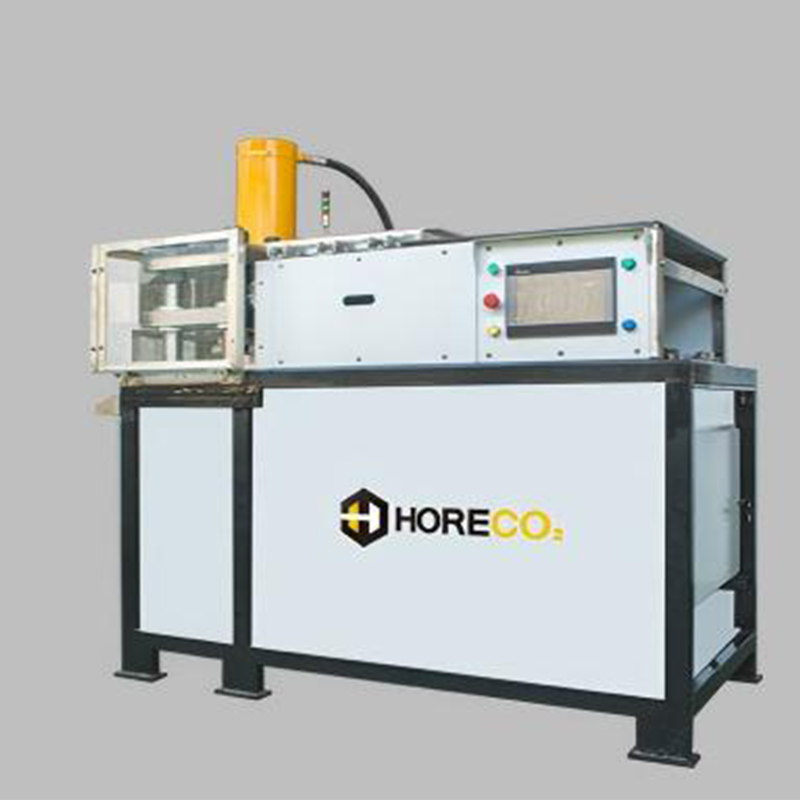
Dry ice blasting addresses these pain points through non-abrasive, residue-free technology. For environmental concerns, it uses solid CO2 pellets that sublimate upon impact, eliminating secondary waste—no toxic dust or chemicals to dispose of. HORECO2 Dry Ice Blasting Equipment & Service Co., Ltd. designs machines with closed-loop systems that capture debris, reducing cleanup time by 80%. To prevent surface damage, the process relies on kinetic energy: pellets strike coatings at high velocity without abrading the base material, ideal for sensitive applications like electronics or historical restoration. For efficiency, automated systems from HORECO2 feature adjustable pressure (50-150 psi) and pellet feed rates, allowing customization for thick industrial paints or delicate layers, cutting labor costs by half in case studies.
| Method | Downtime | Environmental Impact | Cost per Project |
|---|---|---|---|
| Sandblasting | High (days) | High (dust, toxins) | $5,000-$15,000 |
| Chemical Stripping | Medium | High (VOCs, waste) | $3,000-$10,000 |
| Dry Ice Blasting | Low (hours) | Low (no residue) | $1,500-$5,000 |
Customer Success Stories
1. AutoTech Manufacturing, Detroit, USA: Facing strict EPA regulations, they switched to HORECO2's Model X-300 for stripping paint from robotic arms. Result: 40% reduction in disposal costs and 50% faster turnaround, with a manager noting, "This machine cut our prep time from two days to just six hours, keeping us compliant and competitive."
2. EuroShipyards, Hamburg, Germany: Dealing with lead-based paint on cargo ships, they adopted dry ice blasting to avoid abrasive damage. Data shows a 30% decrease in surface rework and 25% lower labor expenses. A procurement lead shared, "We've halved our environmental fines while improving worker safety dramatically."
3. GreenFoods Co., Toronto, Canada: In food processing, residue-free cleaning was critical. Using HORECO2's compact units, they achieved 99.9% coating removal without contaminants, boosting production uptime by 20%. A technician remarked, "It's like magic—no mess, just clean surfaces ready for recoating."
4. AeroPrecision, Toulouse, France: For aircraft component maintenance, precision was key. Dry ice blasting removed coatings without harming composites, reducing part rejection rates by 15%. An engineer said, "This technology ensures we meet aerospace standards without compromise."
5. Historic Restorations Ltd., London, UK: Restoring Victorian-era machinery, they needed gentle yet effective removal. HORECO2's low-pressure settings preserved original metalwork, cutting project timelines by 35%. A conservator noted, "It's revolutionized how we approach delicate heritage projects."
Applications and Strategic Partnerships
Dry ice paint removal machines excel in diverse scenarios: industrial equipment refurbishment (e.g., in oil and gas pipelines), automotive and aerospace maintenance, food and pharmaceutical facility sanitation (where hygiene is paramount), and cultural heritage conservation. HORECO2 collaborates with global partners like Precision Tools Inc. in the US for distribution and EcoTech Solutions GmbH in Europe for service support, enhancing supply chain reliability. These alliances ensure machines meet ISO 9001 standards and are backed by 24/7 technical assistance, trusted by procurement teams at major firms like Global Manufacturing Corp. for their durability and ROI.
FAQ Section for Engineers and Procurement Managers
1. Q: How does dry ice blasting compare to media blasting for thick coatings?
A: Dry ice blasting uses sublimation to break bonds thermally and kinetically, effective for layers up to 0.5 inches without abrasion. For thicker coatings, HORECO2 machines offer higher psi settings and optimized pellet sizes, but may require multiple passes—still faster than media cleanup.
2. Q: What's the operational cost, including pellet consumption?
A: Costs vary by project size; typically, pellet usage is 1-3 lbs per minute, with overall expenses 20-30% lower than traditional methods due to reduced waste and labor. HORECO2 provides calculators for precise estimates based on surface area.
3. Q: Can it handle sensitive substrates like plastics or electronics?
A: Yes, by adjusting pressure and pellet velocity, it's safe for non-conductive materials. HORECO2's models include variable controls to prevent electrostatic discharge or thermal shock.
4. Q: What maintenance does the machine require?
A: Minimal: regular filter checks and nozzle inspections. HORECO2 designs with self-cleaning features and offers annual service packages to ensure uptime over 95%.
5. Q: Are there training resources for new operators?
A: Absolutely—HORECO2 provides onsite training and digital manuals covering safety protocols (e.g., handling CO2) and efficiency tips, with certification programs recognized by industry bodies.
Conclusion and Call to Action
Dry ice paint removal isn't just an alternative; it's a smarter approach to surface preparation, blending efficiency with sustainability. As industries evolve, technologies from HORECO2 Dry Ice Blasting Equipment & Service Co., Ltd. offer tangible benefits: reduced downtime, enhanced safety, and cost savings. Ready to explore further? Download our comprehensive technical whitepaper for in-depth analysis on machine specifications and case studies, or contact our sales engineers for a personalized demo. Transform your operations today—because the future of clean surfaces is already here.
