

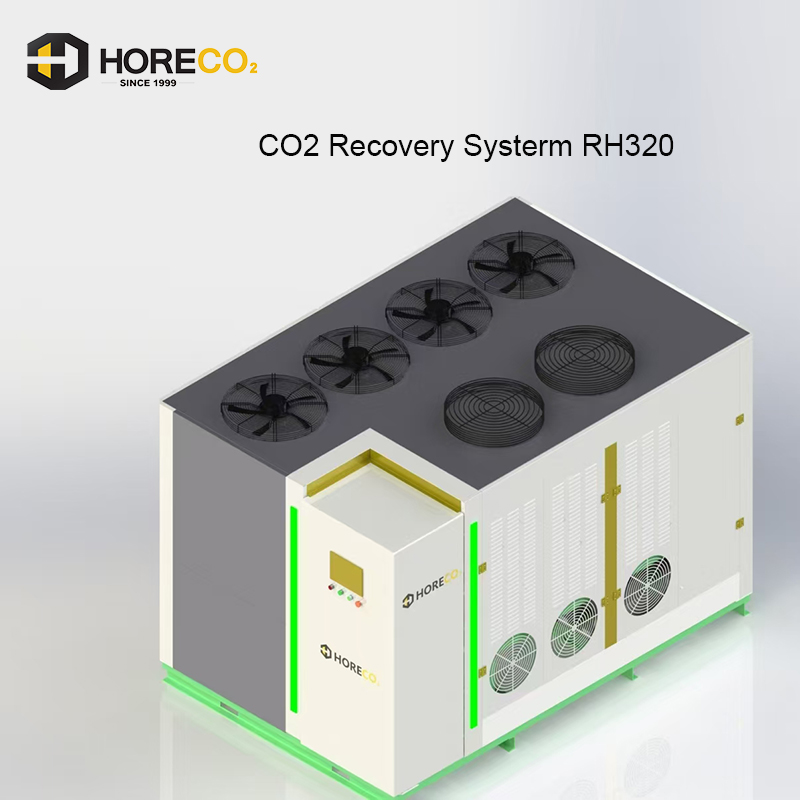
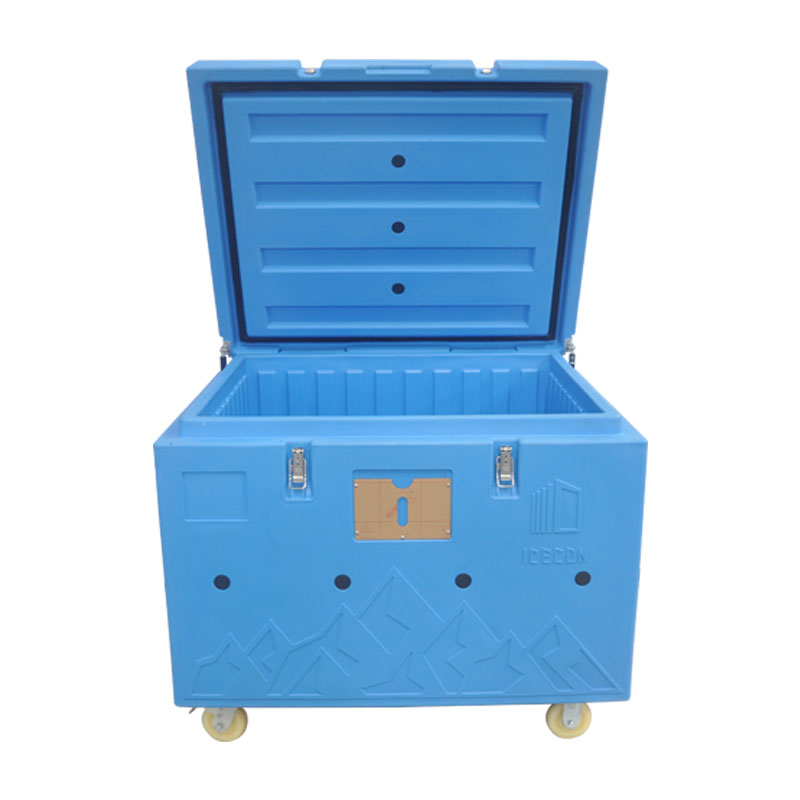
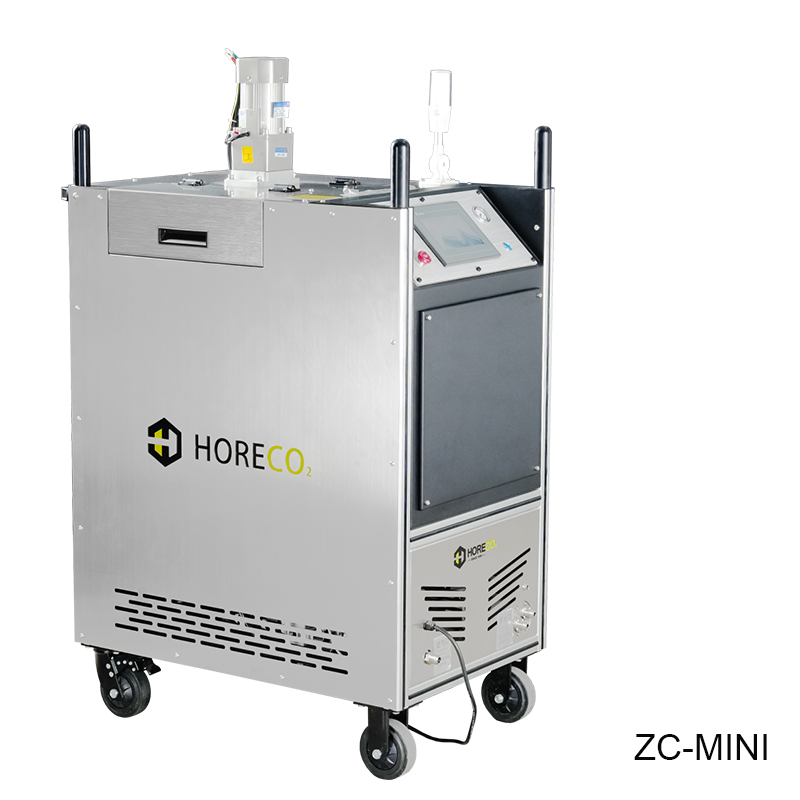
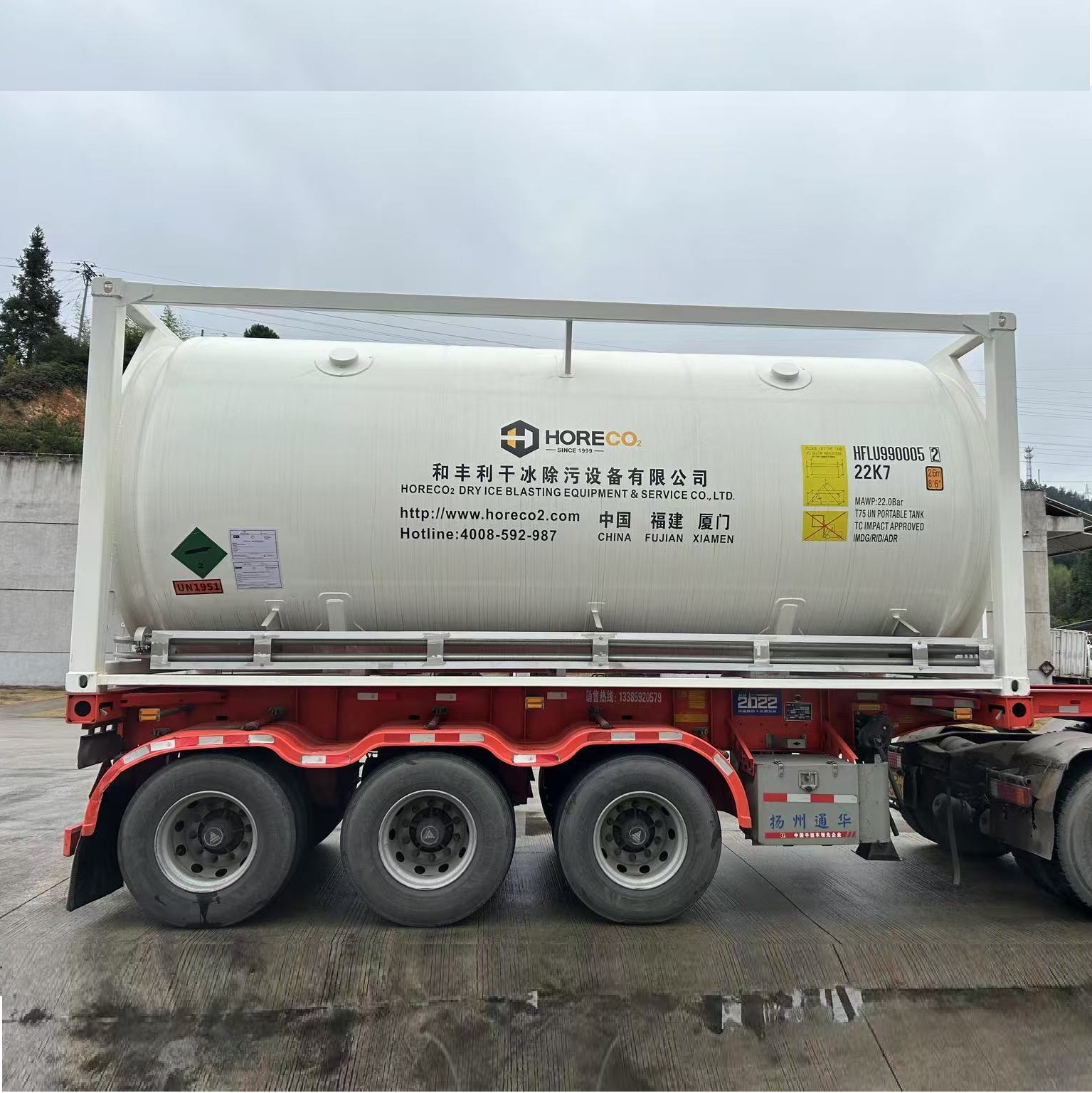
Imagine this: You're overseeing maintenance at a large manufacturing plant. A critical piece of equipment—say, a turbine in a power generation facility—is coated in years of accumulated grime, grease, and carbon deposits. Traditional cleaning methods like abrasive blasting or chemical solvents are either too damaging to the delicate components or pose serious environmental and safety risks. The clock is ticking; every hour of downtime costs thousands in lost productivity. You need a solution that's fast, effective, and gentle. Could a dry ice detail machine be the answer you've been searching for?
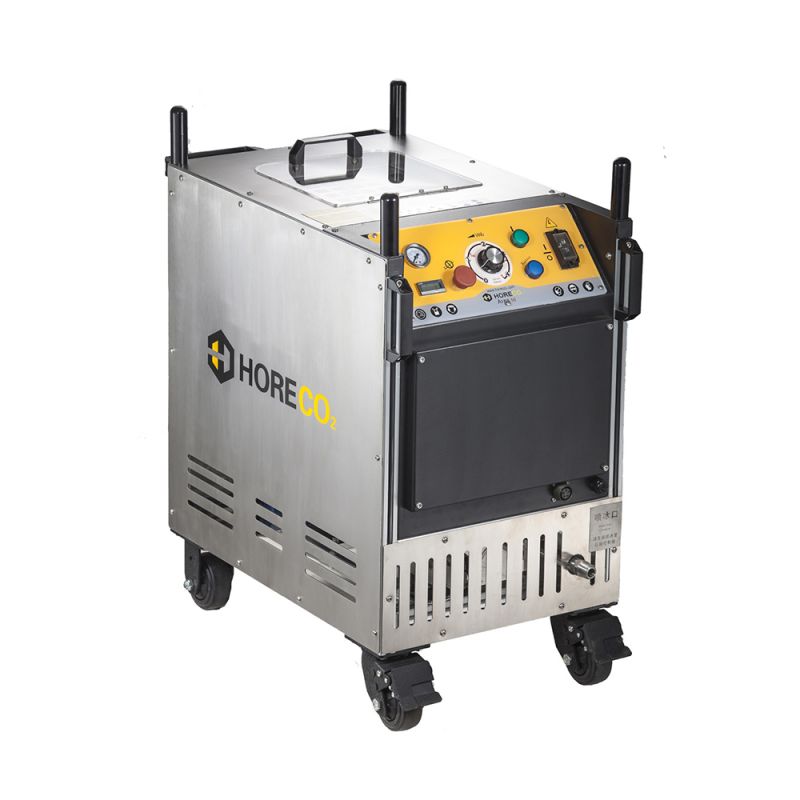
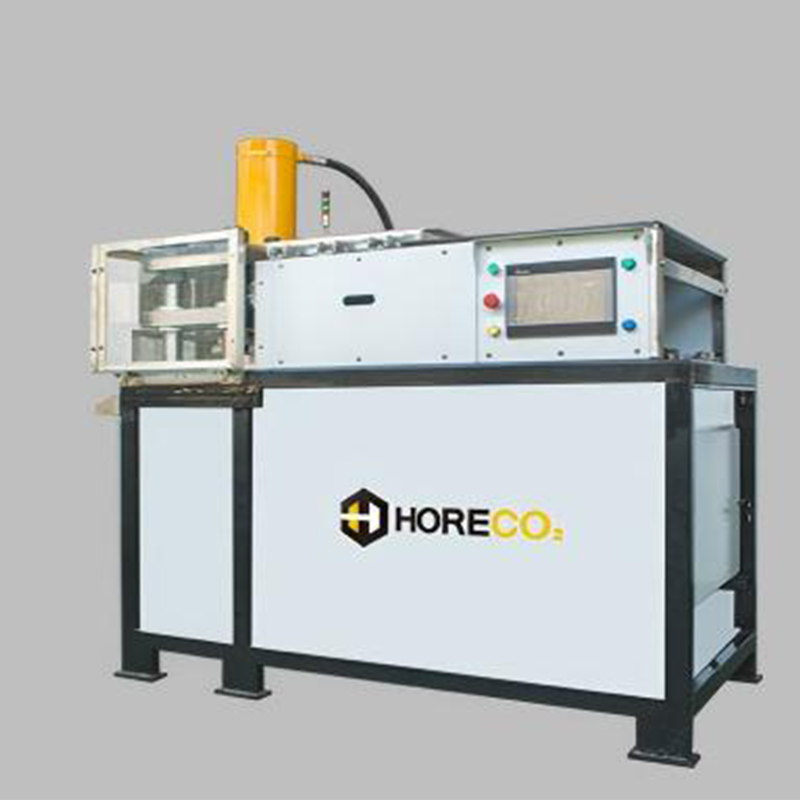
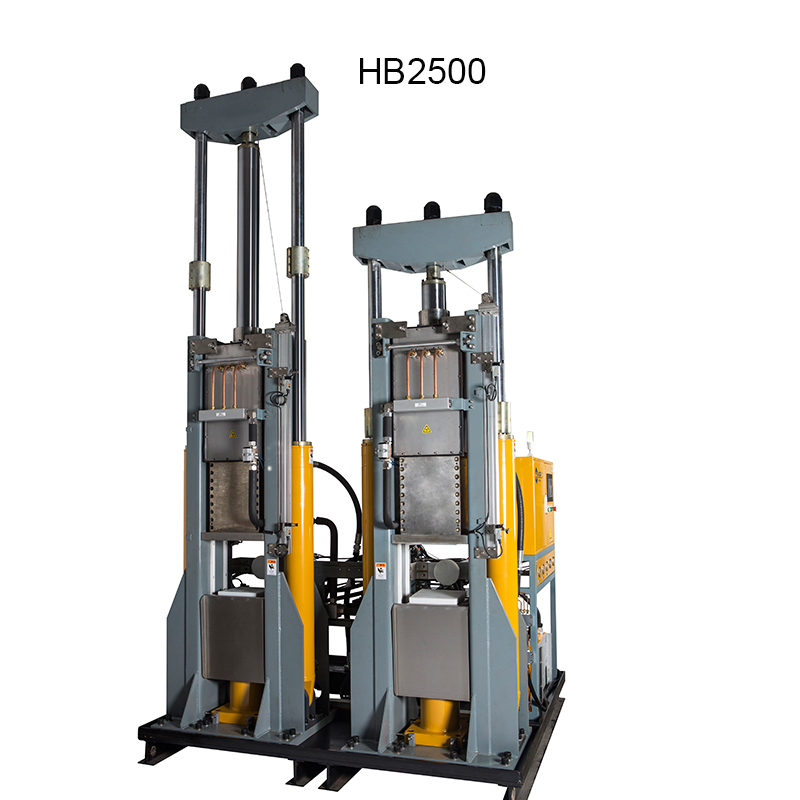
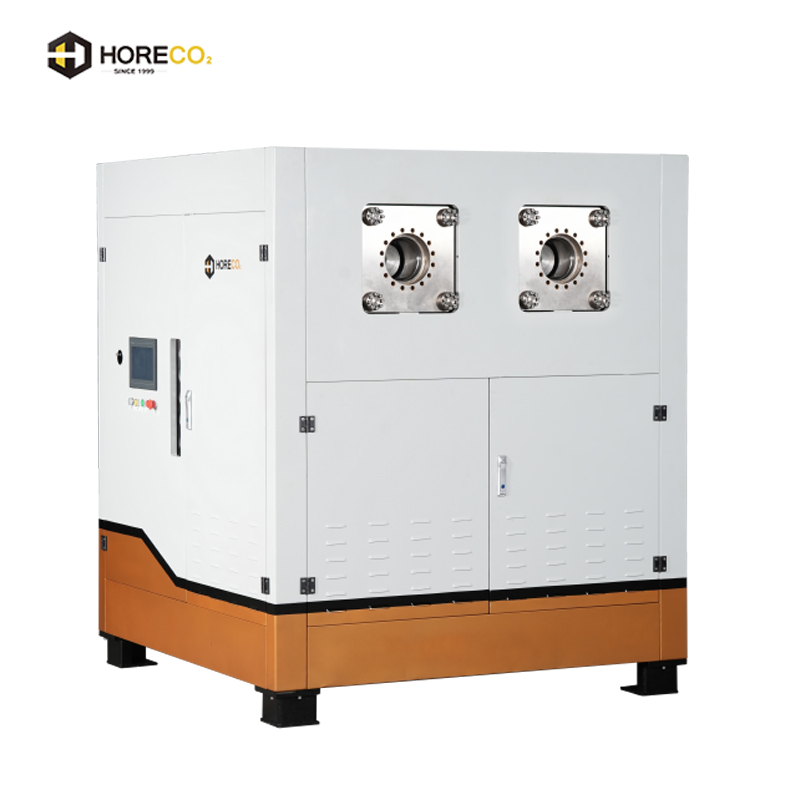
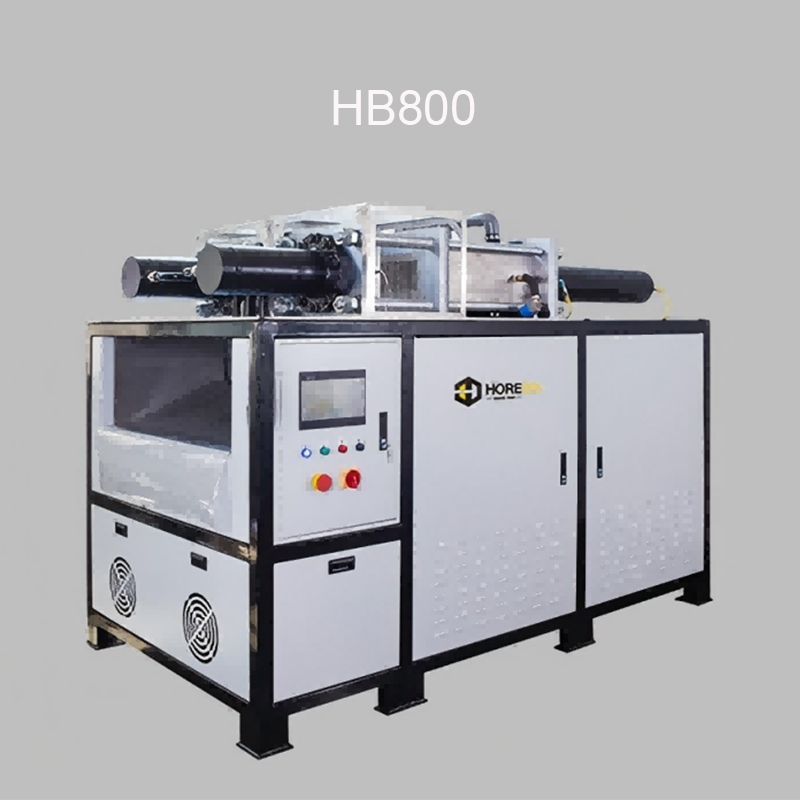
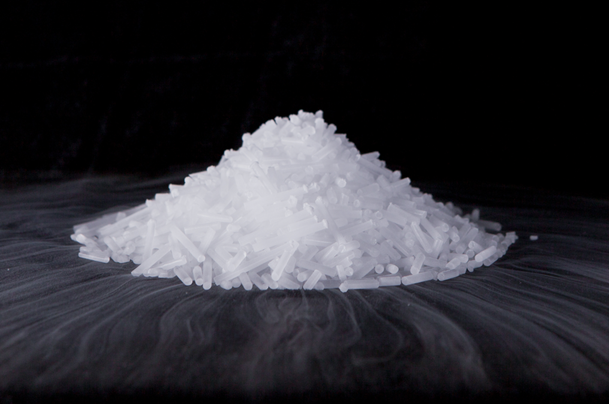
Dry ice detail machines, often called dry ice blasting systems, use solid carbon dioxide (CO2) pellets accelerated at high speeds to clean surfaces through a combination of kinetic energy, thermal shock, and sublimation. Unlike sandblasting or water jets, dry ice leaves no secondary waste—the pellets sublimate into gas upon impact, eliminating residue. This technology isn't new, but its adoption in precision industrial applications has surged recently, driven by demands for efficiency and sustainability. In this deep dive, we'll explore why these machines are transforming industries, from aerospace to food processing, and how companies like HORECO2 are leading the charge with cutting-edge equipment.
Pain Points in Traditional Industrial Cleaning
Many industries rely on outdated cleaning methods that create significant challenges. Let's break down two major pain points:
1. Damage to Sensitive Equipment and High Downtime Costs
In sectors like automotive manufacturing or electronics, components are often delicate and expensive. Abrasive methods like sandblasting can cause micro-scratches or wear, leading to premature failure and costly replacements. For example, cleaning a robotic arm in an assembly line with chemicals might require disassembly, cleaning, and reassembly—a process that can take days. According to industry estimates, downtime in manufacturing averages $260,000 per hour for large facilities. This isn't just about cleaning; it's about preserving asset integrity and minimizing operational disruptions.
2. Environmental and Safety Concerns
Chemical solvents, while effective, pose severe risks. They can contaminate soil and water, require hazardous waste disposal, and expose workers to toxic fumes. In the food industry, residues from cleaners might lead to contamination and regulatory fines. A 2022 study by the Environmental Protection Agency noted that improper handling of industrial cleaners contributes to over 30% of workplace incidents in the U.S. The cost isn't just financial—it's about compliance, reputation, and employee well-being.
How Dry Ice Detail Machines Provide Solutions
Dry ice blasting addresses these pain points with precision and efficiency. Here's how it works in practice:
For Sensitive Equipment: The non-abrasive nature of dry ice pellets means no damage to substrates. In a case from HORECO2, a client in Germany used their machine to clean electrical panels without shutting down power, reducing downtime by 70%. The thermal shock effect breaks bonds between contaminants and surfaces, while the sublimation ensures no moisture or residue remains—critical for electronics.
For Environmental Safety: Dry ice is made from reclaimed CO2, a byproduct of other industrial processes, making it a sustainable choice. It produces no secondary waste, aligning with circular economy principles. HORECO2's systems include built-in filtration to capture dislodged particles, further minimizing environmental impact. This reduces disposal costs and simplifies compliance with regulations like REACH in Europe.
To illustrate the advantages, consider this comparison:
| Method | Cleaning Time | Residue | Environmental Impact |
|---|---|---|---|
| Sandblasting | High (due to cleanup) | Significant (abrasive media) | High (waste generation) |
| Chemical Solvents | Medium | Liquid residues | Very High (toxicity) |
| Dry Ice Blasting | Low (minimal prep) | None (sublimates) | Low (CO2 is reclaimed) |
Customer Success Stories and Testimonials
Real-world applications show the transformative power of dry ice detail machines. Here are three detailed cases from HORECO2's portfolio:
Case 1: Aerospace Component Cleaning in Toulouse, France
A major aerospace manufacturer faced issues with carbon buildup on engine parts. Using traditional methods, cleaning took 48 hours per unit, with a 15% rejection rate due to damage. After switching to a HORECO2 dry ice system, cleaning time dropped to 12 hours, and rejection rates fell to 2%. Productivity increased by 40%, saving an estimated €500,000 annually. Quote from the plant manager: "The precision of dry ice blasting has revolutionized our maintenance cycles, allowing us to meet tight production schedules without compromise."
Case 2: Food Processing Facility in Chicago, USA
A food processing plant struggled with grease and biofilm on conveyor belts, leading to contamination risks and frequent shutdowns. Chemical cleaning required 8 hours per shift and posed health hazards. With a HORECO2 machine, cleaning time was reduced to 2 hours, and sanitation compliance improved by 95%. Downtime decreased by 75%, translating to $200,000 in annual savings. Quote from the safety officer: "Dry ice blasting eliminated chemical exposure for our team, making our facility safer and more efficient."
Case 3: Automotive Paint Shop in Stuttgart, Germany
An automotive plant needed to clean paint overspray from robotic arms without damaging sensitive sensors. Previous methods caused wear and required frequent calibrations. Implementing dry ice blasting reduced cleaning intervals from weekly to monthly, cutting labor costs by 60% and extending equipment lifespan by 3 years. Quote from the maintenance lead: "This technology has slashed our operational costs while enhancing equipment reliability—a game-changer for our bottom line."
Applications and Strategic Partnerships
Dry ice detail machines are versatile, with applications across diverse industries. Key sectors include:
- Aerospace: Cleaning turbine blades, composite materials, and tooling without abrasion.
- Food and Beverage: Sanitizing processing equipment to meet FDA and EU hygiene standards.
- Automotive: Removing paint, adhesives, and oils from assembly lines and molds.
- Energy: Decarbonizing boilers, heat exchangers, and solar panels.
- Historical Restoration: Gently cleaning artifacts and buildings without damage.
HORECO2 collaborates with global partners to enhance its offerings. For instance, they work with Siemens in Germany to integrate smart sensors into their machines for real-time performance monitoring. In the U.S., partnerships with distributors like Industrial Blasting Solutions ensure localized support and training. These alliances bolster HORECO2's authority, providing clients with reliable, cutting-edge solutions backed by industry expertise.
Frequently Asked Questions (FAQs)
Based on feedback from engineers and procurement managers in Europe and North America, here are five common questions with detailed answers:
1. How does dry ice blasting compare in cost to traditional methods?
While initial investment in a dry ice machine is higher (e.g., $20,000-$100,000 depending on model), operational costs are lower. There's no need for consumables like sand or chemicals, and reduced downtime saves money long-term. For example, in the aerospace case above, ROI was achieved within 18 months through productivity gains.
2. Is dry ice blasting safe for electrical components?
Yes, when performed correctly. Dry ice is non-conductive and leaves no moisture, making it ideal for cleaning live electrical systems. HORECO2 machines include adjustable pressure settings to prevent damage—always consult technical specs for voltage ratings (typically safe up to 1000V).
3. What about the environmental impact of using CO2?
The CO2 used is typically reclaimed from industrial processes, such as ammonia production, so it doesn't add new emissions. According to lifecycle assessments, dry ice blasting has a carbon footprint 80% lower than chemical methods, supporting sustainability goals.
4. How do I determine the right machine for my application?
Factors include contaminant type (e.g., grease vs. paint), surface material, and required throughput. HORECO2 offers consultation services, using parameters like pellet size (1.5mm to 3mm) and airflow rates (e.g., 500 CFM for heavy-duty tasks) to match machines to needs.
5. Can dry ice blasting be automated for large-scale operations?
Absolutely. HORECO2 provides robotic integration options, allowing for programmable cleaning paths in industries like automotive or semiconductor manufacturing. This enhances consistency and reduces labor costs, with some systems achieving 99% efficiency in repeatable tasks.
Conclusion and Call to Action
Dry ice detail machines represent a paradigm shift in industrial cleaning, offering a blend of precision, efficiency, and sustainability that traditional methods can't match. From reducing downtime and costs to enhancing safety and compliance, the benefits are clear—as evidenced by success stories from Toulouse to Chicago. As industries evolve toward greener and smarter operations, technologies like those from HORECO2 are becoming indispensable.
If you're an engineer or procurement manager looking to optimize your cleaning processes, don't leave it to chance. Dive deeper into the technical nuances by downloading our exclusive white paper, "Advanced Dry Ice Blasting: A Technical Guide for Industrial Applications," which covers everything from equipment selection to maintenance best practices. For personalized advice, contact our sales engineers at HORECO2—they're ready to help you assess your needs and implement a solution that drives real results. Embrace the future of cleaning today; your bottom line will thank you.
