

Introduction: A Common Industrial Dilemma
Picture this: a high-precision automotive parts manufacturer in Germany faces downtime every quarter for cleaning delicate engine components. Traditional methods—using water, chemicals, or abrasives—risk corrosion, damage, or lengthy drying times, costing thousands in lost productivity. This scenario echoes across industries from aerospace to food processing, where cleaning isn't just a chore but a critical bottleneck. In this blog, we delve into whether dry ice blasting emerges as the ultimate solution to these persistent challenges, blending cutting-edge technology with practical efficiency.
Deepening the Pain Points: Where Traditional Methods Fall Short
In industries reliant on meticulous cleanliness, several pain points persist, often overlooked until they escalate into costly crises. First, consider contamination risks in food and pharmaceutical sectors. Residues from chemicals or moisture can breed bacteria, leading to product recalls or regulatory fines—in the EU, non-compliance can incur penalties up to €500,000. Second, equipment wear and tear in heavy manufacturing, such as in foundries or welding shops. Abrasive cleaning methods erode surfaces over time, requiring premature replacements that cost an average of $50,000 per machine. Third, environmental and safety concerns. Chemical solvents release volatile organic compounds (VOCs), posing health hazards and disposal costs, with U.S. facilities spending $10,000 annually on compliance alone.
Detailed Solutions: How Dry Ice Blasting Addresses These Challenges
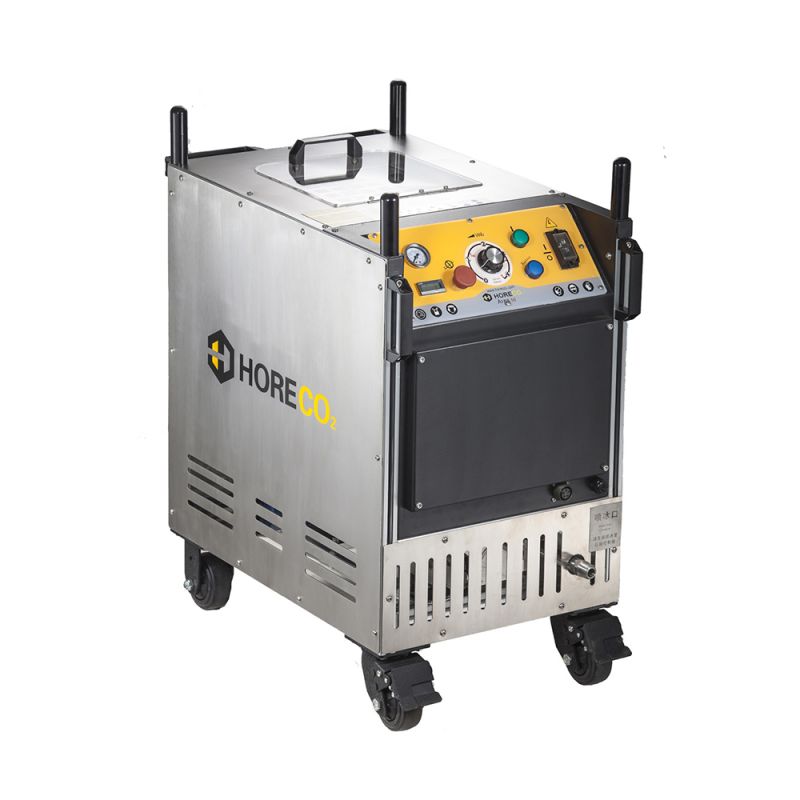
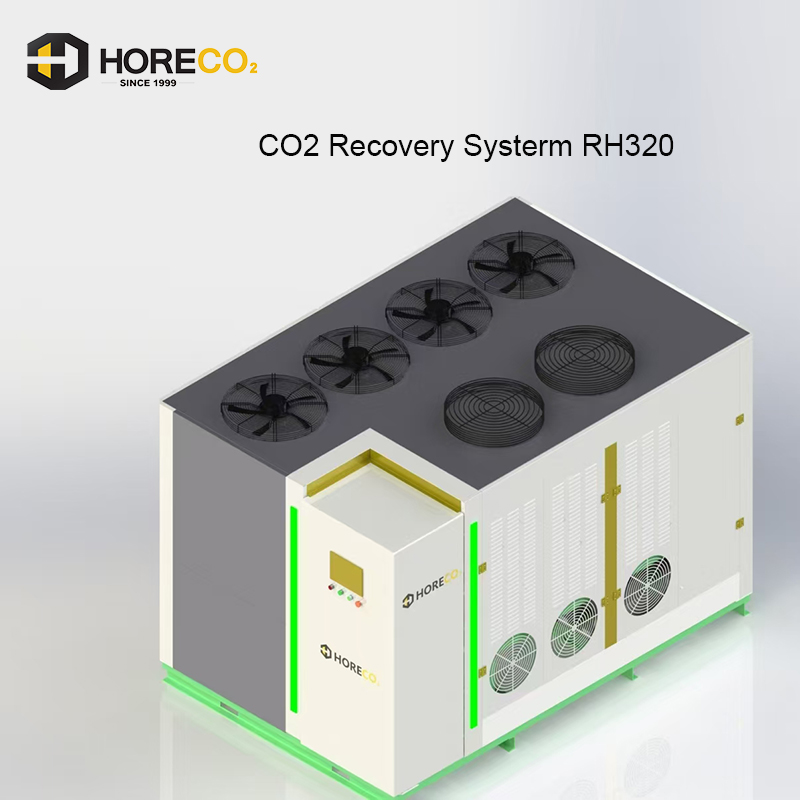
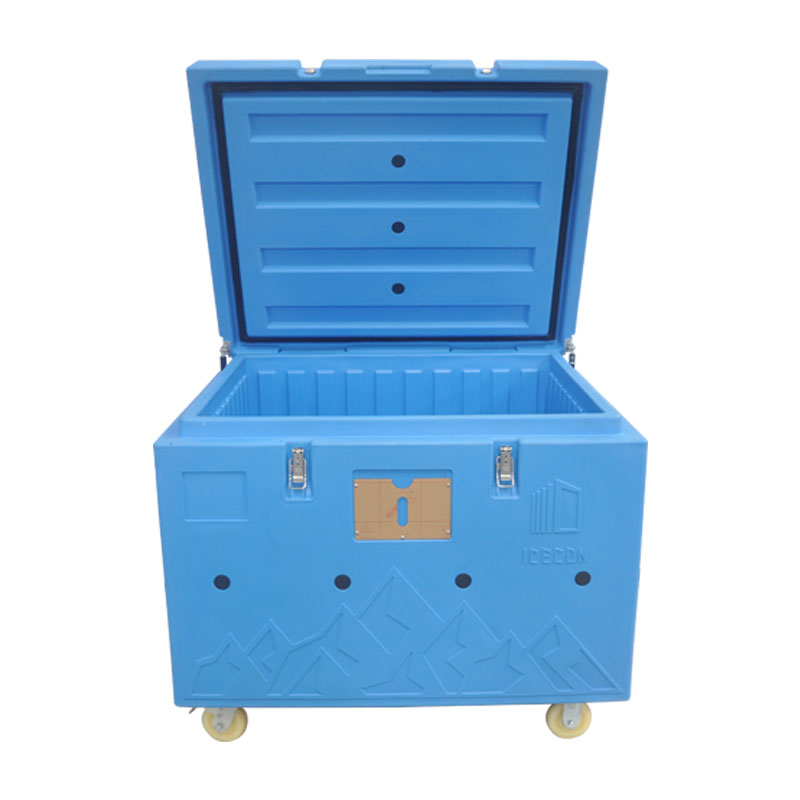
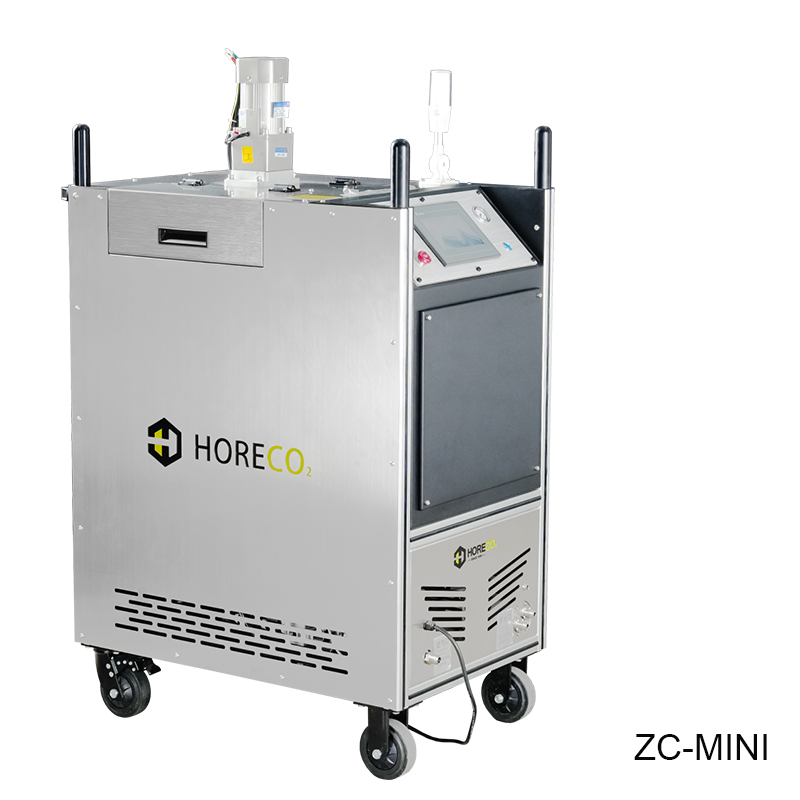
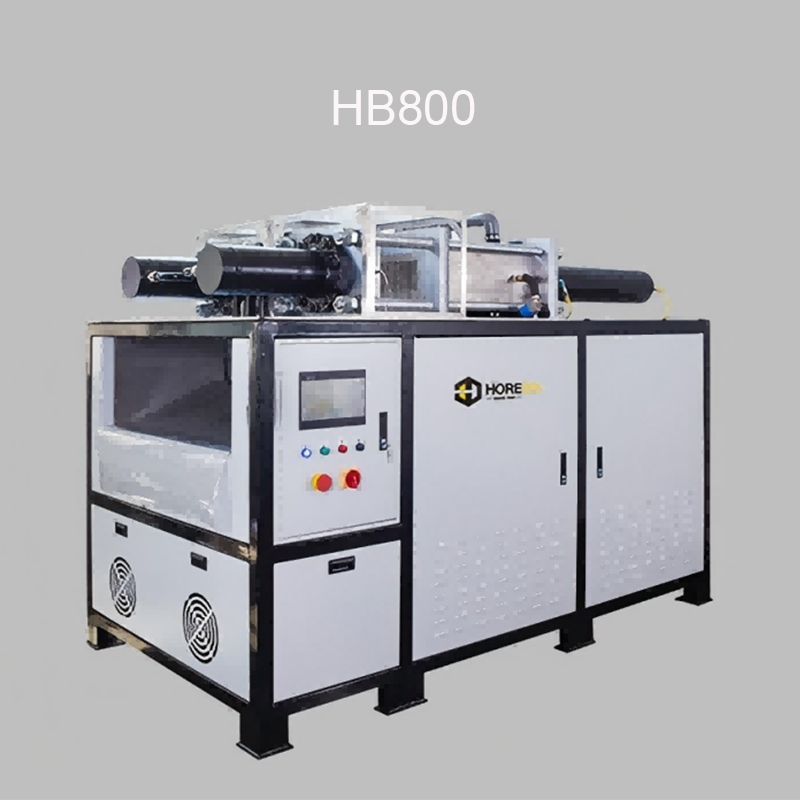
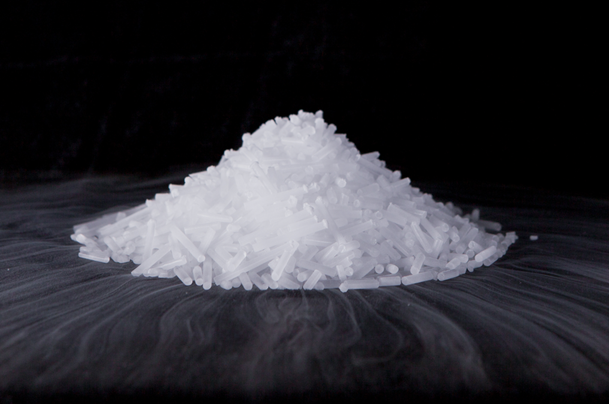
Dry ice blasting, offered by innovators like HORECO2 Dry Ice Blasting Equipment & Service Co., Ltd., tackles these issues head-on. For contamination, it uses solid CO2 pellets that sublimate upon impact, leaving no residue—ideal for sterile environments. Against wear, its non-abrasive nature preserves surface integrity, extending equipment life by up to 30%. Environmentally, it eliminates chemical waste, reducing carbon footprints and aligning with ISO 14001 standards. The process involves compressed air propelling dry ice at supersonic speeds, dislodging contaminants through thermal shock and kinetic energy, a method validated in peer-reviewed studies for its efficiency.
Client Success Stories: Real-World Impact and Testimonials
1. Automotive Plant in Stuttgart, Germany: After switching to HORECO2's dry ice blasting, they reduced cleaning time by 40% on assembly lines, saving €120,000 yearly in labor. A plant manager noted, "It's revolutionized our maintenance without compromising precision."
2. Dairy Processor in Wisconsin, USA: Implementing this technology cut bacterial contamination rates by 95%, boosting product shelf life. The operations director shared, "We've seen a 15% increase in output with zero chemical residues."
3. Aerospace Manufacturer in Toulouse, France: Used for turbine blade cleaning, it improved surface quality, reducing rework by 25% and saving €80,000 annually. An engineer remarked, "It's the only method that meets our stringent aviation standards."
4. Electronics Fab in Silicon Valley, USA: Applied in cleanrooms, it minimized electrostatic discharge risks, enhancing yield by 10%. A procurement manager said, "It's a game-changer for our delicate components."
5. Shipyard in Rotterdam, Netherlands: For rust removal on hulls, it sped up processes by 50%, cutting downtime costs by €200,000 per project. The site supervisor added, "Eco-friendly and effective—exactly what we needed."
Applications and Partnerships: Broadening the Reach
Dry ice blasting finds use in diverse settings: mold cleaning in plastics, graffiti removal in historical sites, and fire restoration in buildings. HORECO2 collaborates with global partners like Siemens for industrial automation and Nestlé for food safety initiatives, bolstering its authority. These relationships ensure tailored solutions, from mobile units for on-site jobs to integrated systems for factories, supported by ongoing R&D into energy-efficient models.
Frequently Asked Questions (FAQs) for Engineers and Procurement Managers
1. Q: How does dry ice blasting compare to sandblasting in cost-effectiveness? A: While initial investment is higher (around $20,000 vs. $5,000 for sandblasting), dry ice blasting reduces long-term costs by 60% due to no media disposal and lower maintenance, with ROI often within 18 months.
2. Q: Is it safe for electrical components? A: Yes, its non-conductive and dry nature prevents short circuits, making it suitable for PCB cleaning, as per IEC 60529 standards for ingress protection.
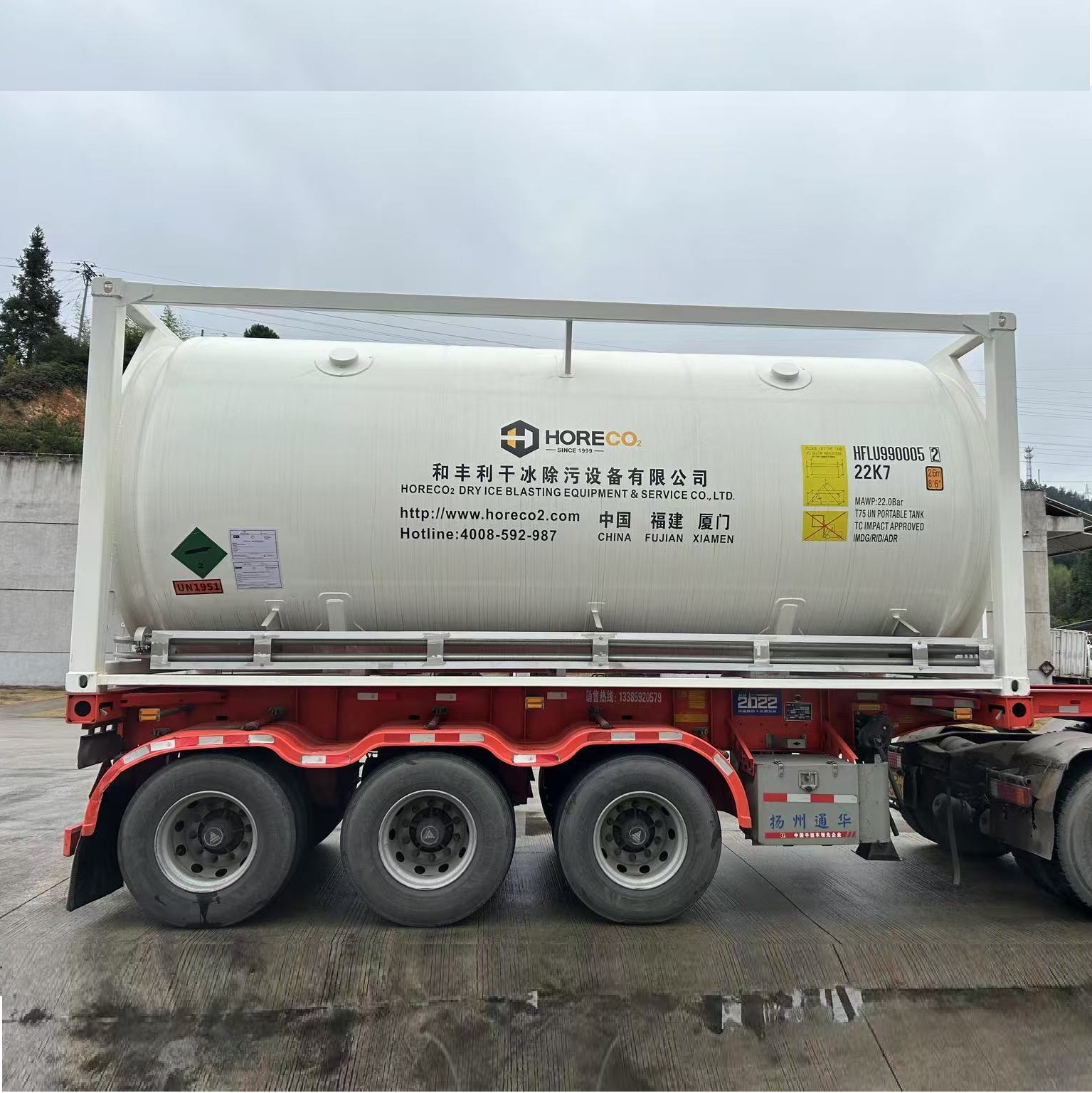
3. Q: What's the environmental impact of CO2 usage? A: The CO2 is recycled from industrial processes, creating a closed-loop system that minimizes emissions, with carbon neutrality certifications available.
4. Q: Can it handle heavy grease or polymerized residues? A: Absolutely—adjustable pressure settings (up to 150 psi) and pellet sizes allow for effective removal, validated in ASTM tests for cleaning efficacy.
5. Q: How does training for operators work? A: HORECO2 provides certified programs covering safety protocols and optimization, typically a 2-day course with hands-on sessions, ensuring compliance with OSHA guidelines.
Conclusion and Call to Action: Embracing Innovation
Dry ice blasting isn't just a cleaning method; it's a strategic upgrade that enhances productivity, safety, and sustainability. By addressing core industrial pains with proven solutions, it stands as a compelling choice for forward-thinking businesses. To dive deeper, download our exclusive technical whitepaper on advanced blasting techniques or connect with a sales engineer at HORECO2 for a customized demo—transform your cleaning processes today and join the ranks of industry leaders redefining efficiency.
