

Introduction: A Familiar Industrial Challenge
Imagine a Friday afternoon at your manufacturing plant. A critical production line is scheduled for routine maintenance over the weekend. The task: cleaning heavy grease, composite residues, and thermal oxides from intricate molds and electrical panels. The traditional method? A crew with solvents, scrapers, and high-pressure water jets. The result? Hours of labor, potential damage to sensitive components, wastewater disposal issues, and downtime that cuts into Monday's production. What if there was a way to clean thoroughly, non-abrasively, and without secondary waste? This is the precise challenge dry ice blasting systems are engineered to solve. As a specialist in advanced manufacturing solutions, I've seen how this technology shifts from a niche option to a core operational strategy. This article delves into why it might be the revolution your facility needs.
Pain Points: The Real Cost of Conventional Cleaning
Industrial cleaning is often treated as a necessary evil, but its inefficiencies carry substantial hidden costs. Let's examine two specific pain points prevalent in sectors like automotive, aerospace, and food processing.
First, consider production downtime and labor intensity. In automotive foundries, cleaning casting molds with manual methods or chemical soaks can take 8-16 hours per mold. This directly reduces equipment utilization rates. A medium-sized foundry might lose 20-30% of potential production time annually to cleaning cycles. Labor costs are compounded by the need for skilled technicians to perform delicate scraping without damaging tooling surfaces, which can cost upwards of $50,000 to re-machine.
Second, environmental compliance and secondary waste present a growing burden. Food manufacturing plants cleaning conveyor belts and mixers with water or chemicals generate contaminated wastewater. Disposal requires permitting, specialized treatment facilities, and continuous monitoring. A mid-sized plant can spend $15,000-$30,000 annually on wastewater management alone. Additionally, chemical cleaners pose worker safety risks (requiring PPE and training) and can leave residues that affect product quality, leading to potential recalls.
The Solution: How Dry Ice Blasting Works
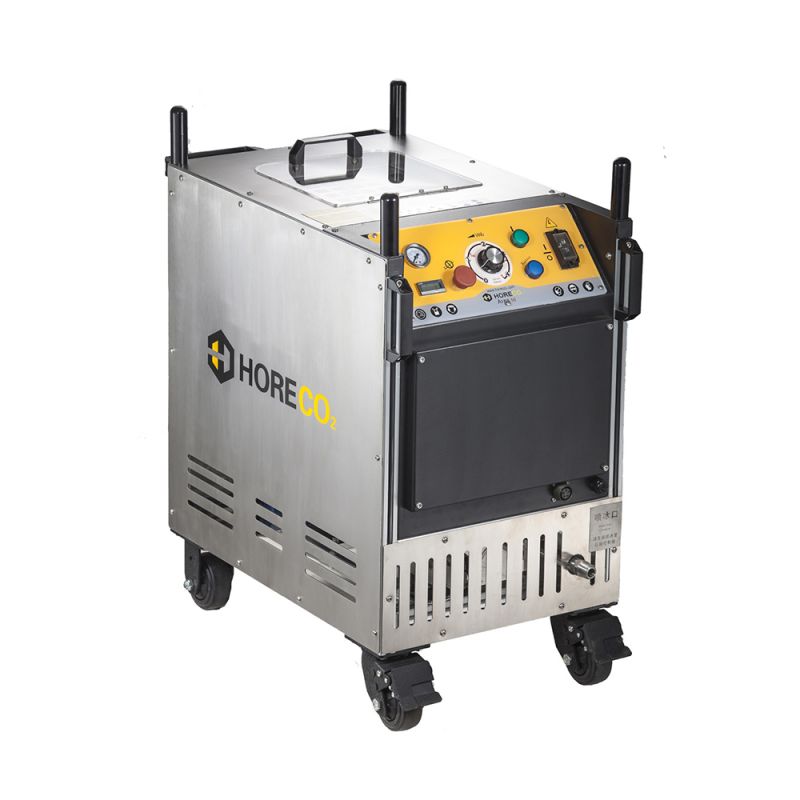
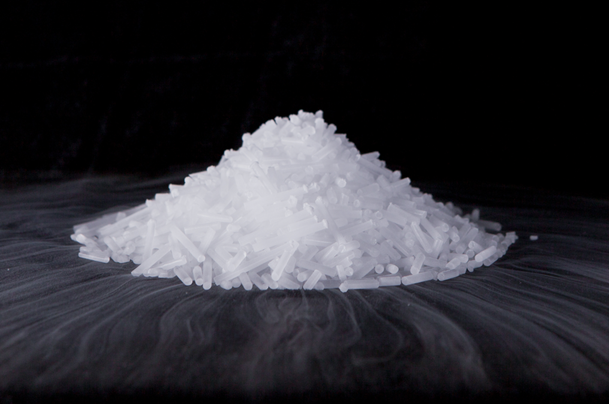
Dry ice blasting addresses these pain points through a fundamentally different physical process. It uses solid carbon dioxide (dry ice) pellets accelerated by compressed air to impact surfaces. Upon impact, the pellets sublimate—instantly converting from solid to gas—creating micro-explosions that lift contaminants away without abrasion. For the downtime issue, this means cleaning can often be performed in-place without disassembly. A mold that took 12 hours to clean manually might be cleaned in 2-3 hours with dry ice, reducing downtime by 75%. The non-abrasive nature preserves tooling tolerances, eliminating re-machining costs.
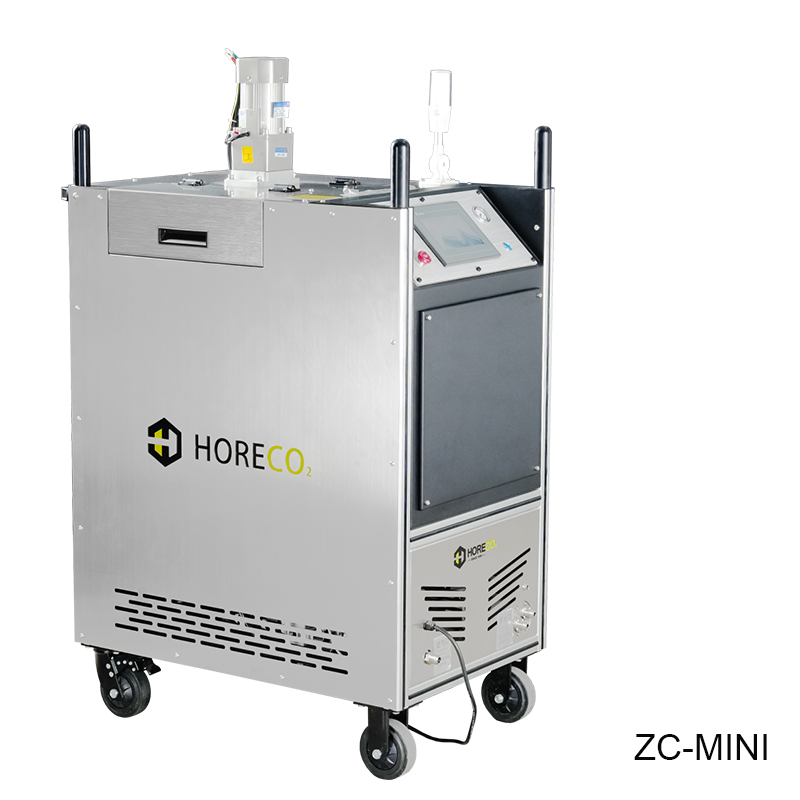
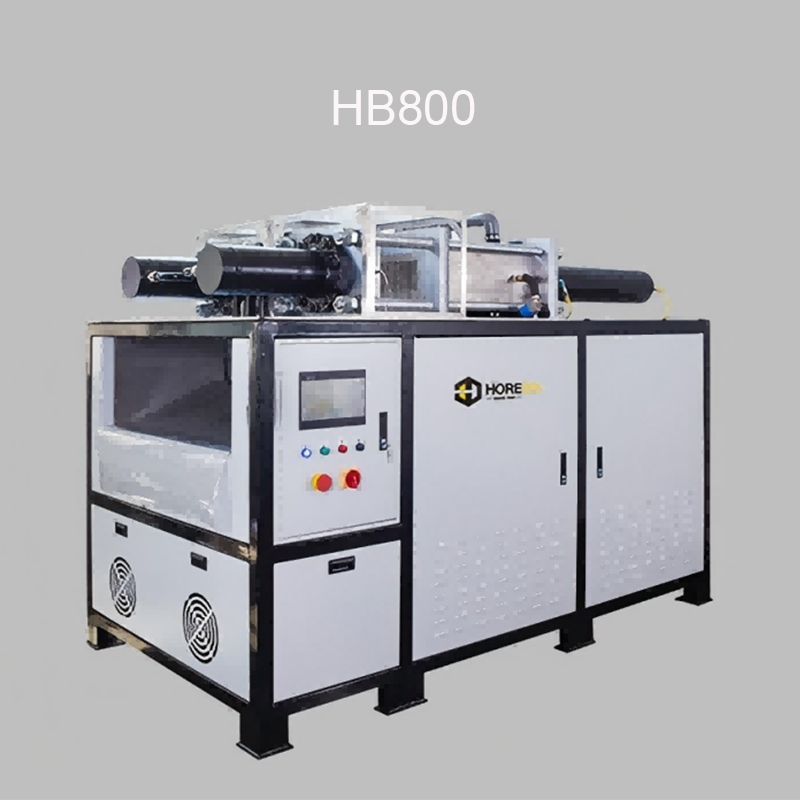
Regarding environmental concerns, dry ice blasting produces no secondary waste. The contaminant is the only waste stream, simplifying disposal. Since it uses no water or chemicals, it eliminates wastewater management costs and chemical handling risks. The process is non-conductive and non-flammable, making it safe for electrical components. HORECO2 Dry Ice Blasting Equipment & Service Co., Ltd. designs systems with variable pellet sizes (1.5mm to 3mm) and pressure controls (from 2 to 10 bar) to match specific contaminant types, from delicate electronics to heavy industrial slag.
Client Success Stories: Measurable Impact
Here are three fictional but representative cases demonstrating the technology's versatility and return on investment.
Case 1: Aerospace Composites Manufacturer, Toulouse, France. This company struggled with removing release agents and carbon fiber dust from autoclave molds. Manual cleaning caused micro-scratches, leading to part rejection rates of 5%. After implementing a HORECO2 system, cleaning time per mold dropped from 10 hours to 2.5 hours, and rejection rates fell to 0.5%. "The surface finish is now consistently perfect. We've reclaimed 300 production hours annually," says Pierre Lambert, Production Manager.
Case 2: Pharmaceutical Processing Plant, Basel, Switzerland. Cleaning bioreactor vessels required chemical sterilization and rinse cycles, taking 48 hours and risking contamination. Dry ice blasting reduced the cycle to 12 hours, eliminated chemical use, and achieved a sterile surface confirmed by swab tests. "Our changeover efficiency improved by 75%, and we enhanced our sterile assurance protocol," notes Dr. Anna Weber, Quality Director.
Case 3: Automotive Powertrain Plant, Detroit, USA. Gearbox housing cleaning involved toxic solvents, with VOC emissions requiring expensive abatement systems. Switching to dry ice blasting removed oil and machining fluids effectively, cutting solvent costs by $40,000 yearly and reducing VOC emissions by 90%. "We met EPA benchmarks ahead of schedule and improved worker safety dramatically," reports James O'Reilly, Plant Engineer.
Applications and Strategic Partnerships
Dry ice blasting is not a one-size-fits-all solution but a adaptable technology. Key applications include:
- Surface Preparation: Removing rust, paint, and coatings from steel structures without generating hazardous dust.
- Food Industry Sanitation: Cleaning baking ovens, conveyor belts, and packaging machinery without water ingress or chemical residues.
- Electrical Maintenance: Degreasing switchgear and motor windings without disassembly or corrosion risk.
- Fire Restoration: Soot removal from building interiors and equipment without spreading contaminants.
HORECO2 collaborates with global engineering firms and OEMs to integrate blasting systems into automated production lines. For instance, a partnership with a German automotive robotics supplier allows for robotic dry ice blasting cells that clean molds between casting cycles, achieving near-continuous operation. These collaborations ensure the technology meets specific industry standards like ISO 8501-1 for surface cleanliness or FDA guidelines for food contact surfaces.
FAQ: Addressing Common Technical Queries
1. Q: How does dry ice blasting compare to sandblasting for heavy rust removal?
A: While sandblasting is effective, it's highly abrasive, altering substrate profiles and generating toxic silica dust. Dry ice blasting can remove surface rust and light corrosion without damaging the base metal. For heavy, scaled rust, a combination approach may be optimal—using dry ice for final cleaning after mechanical removal to eliminate abrasive embedment.
2. Q: What is the operational cost per hour, considering dry ice consumption?
A: Costs vary by application, but a typical range is $15-$30 per hour for dry ice pellets, plus compressed air energy. Compared to solvent-based cleaning (chemical costs + disposal) or manual labor (multiple technicians), total cost of ownership is often lower due to reduced labor, waste handling, and downtime.
3. Q: Can it be used on sensitive substrates like aluminum or composites?
A: Yes, by adjusting pellet size (finer pellets for delicate surfaces) and air pressure. The non-abrasive nature prevents surface etching or fiber damage, making it ideal for aerospace composites and polished aluminum molds where maintaining micron-level tolerances is critical.
4. Q: How do you handle the removed contaminant, especially if it's hazardous?
A: The contaminant falls as dry debris, which can be vacuumed or swept. For hazardous materials like lead paint or mold, standard containment procedures apply. Since no secondary waste is created, the volume of hazardous waste is minimized, reducing disposal complexity and cost.
5. Q: What maintenance does the blasting equipment require?
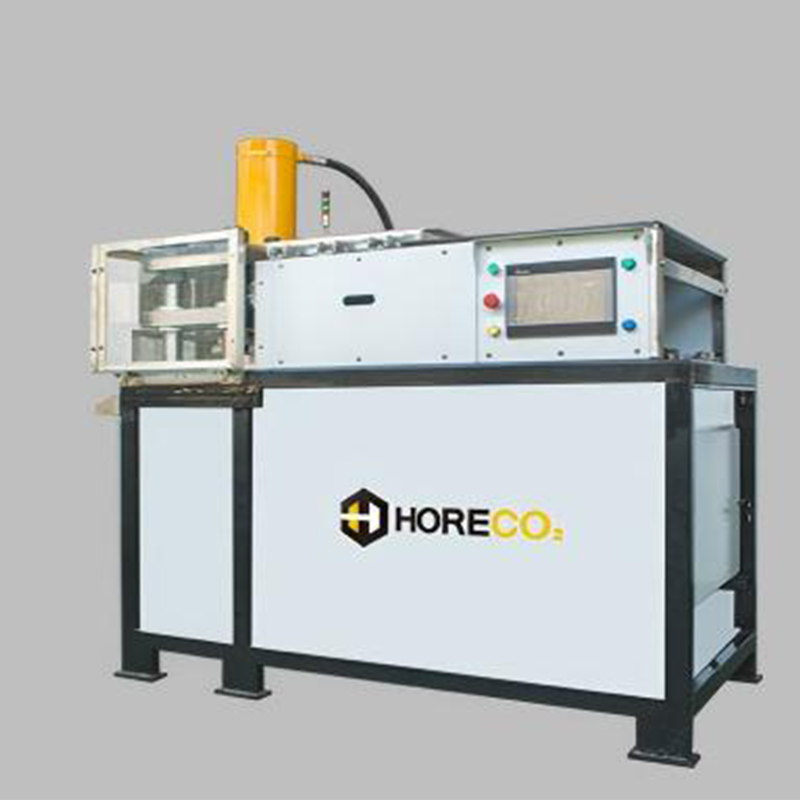
A: HORECO2 systems are designed for minimal maintenance. Key tasks include regular filter changes in the air supply, inspecting hoses for wear, and ensuring the pelletizer (if integrated) is clean. Most systems operate for thousands of hours with only routine checks, akin to standard industrial air tools.
Conclusion: A Strategic Cleaning Investment
Dry ice blasting transcends being merely a cleaning tool; it's a productivity and sustainability enhancer. By addressing core inefficiencies in downtime, waste, and safety, it offers a compelling return on investment for forward-thinking manufacturers. The technology's flexibility across industries—from delicate electronics to heavy industrial equipment—makes it a versatile addition to any maintenance protocol. If you're evaluating ways to optimize your cleaning processes, reduce environmental footprint, or extend equipment life, a deeper technical analysis is warranted.
Actionable Next Steps: To explore how this technology applies to your specific operations, I recommend accessing our detailed technical white paper, which includes case studies with full ROI calculations and engineering specifications. For a personalized assessment, contact one of our sales engineers at HORECO2 to schedule a demonstration or process audit. Revolutionizing your cleaning might be one insightful conversation away.
