

Introduction: The Sticky Problem of Industrial Cleaning
Picture this: you're overseeing maintenance in a food processing plant, and a stubborn layer of grease and residue has built up on critical conveyor belts. Traditional cleaning methods involve harsh chemicals, water, and downtime that cuts into productivity. This is where dry ice blasting steps in—a technology that might just revolutionize how industries tackle tough cleaning challenges. But is it truly the ultimate solution? Let's dive into the details to find out.
Industry Pain Points: The Hidden Costs of Inefficient Cleaning
In high-stakes manufacturing environments, cleaning isn't just about aesthetics; it's about safety, efficiency, and cost-effectiveness. Here are two major pain points:
- Downtime and Labor Costs: In sectors like automotive or aerospace, traditional cleaning methods can shut down production lines for hours, leading to significant revenue loss. For instance, manual scrubbing of engine parts might cost $5,000 per incident in lost output and labor.
- Environmental and Safety Risks: Chemicals and water used in cleaning can create hazardous waste, requiring expensive disposal and posing health risks to workers. In a pharmaceutical facility, this could mean $10,000 annually in compliance and safety training.
Professional Solutions: How Dry Ice Blasting Addresses These Issues
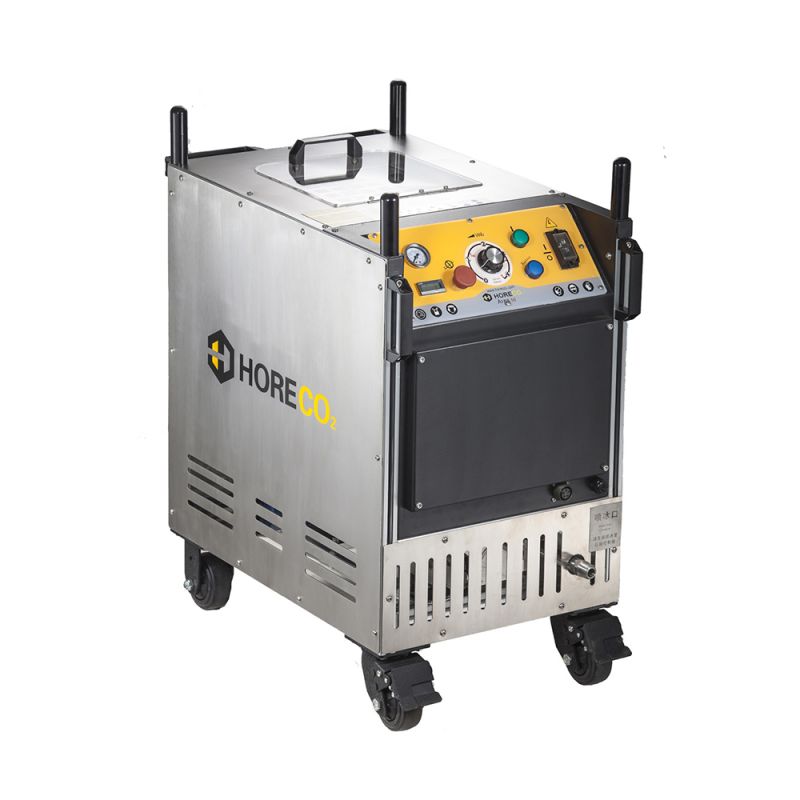
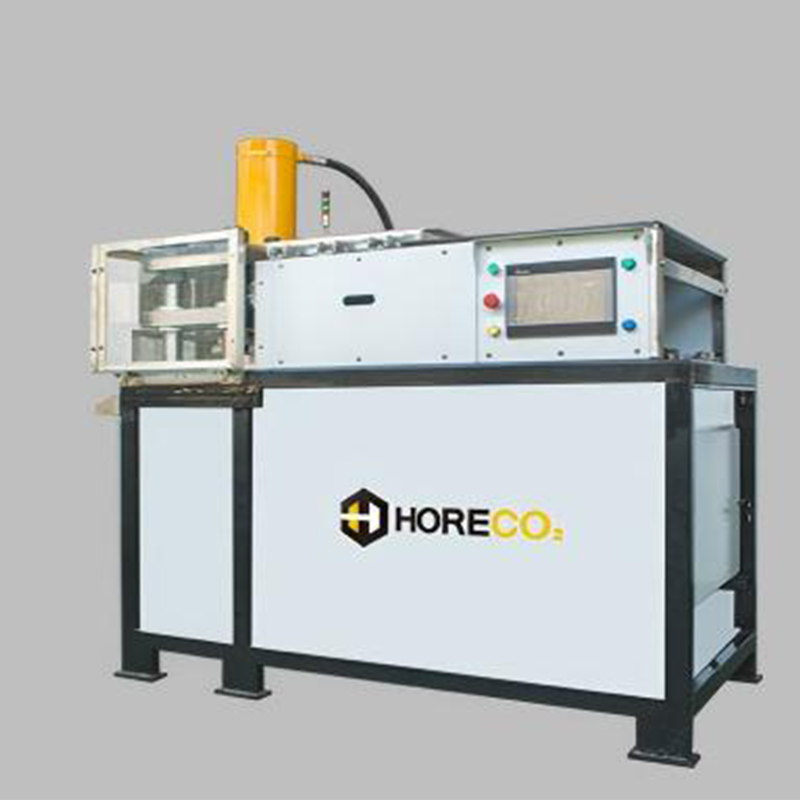
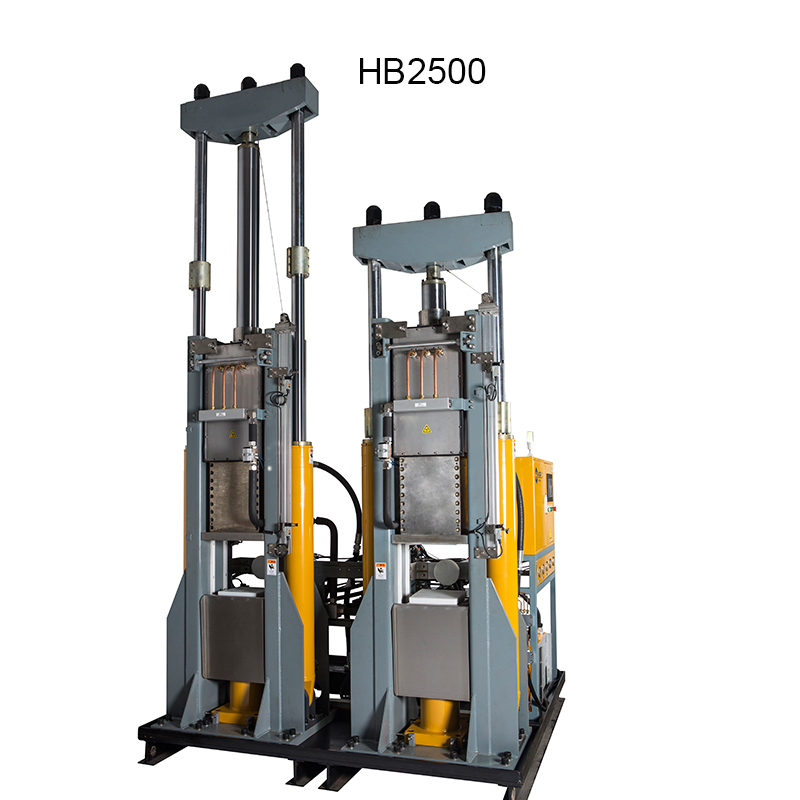
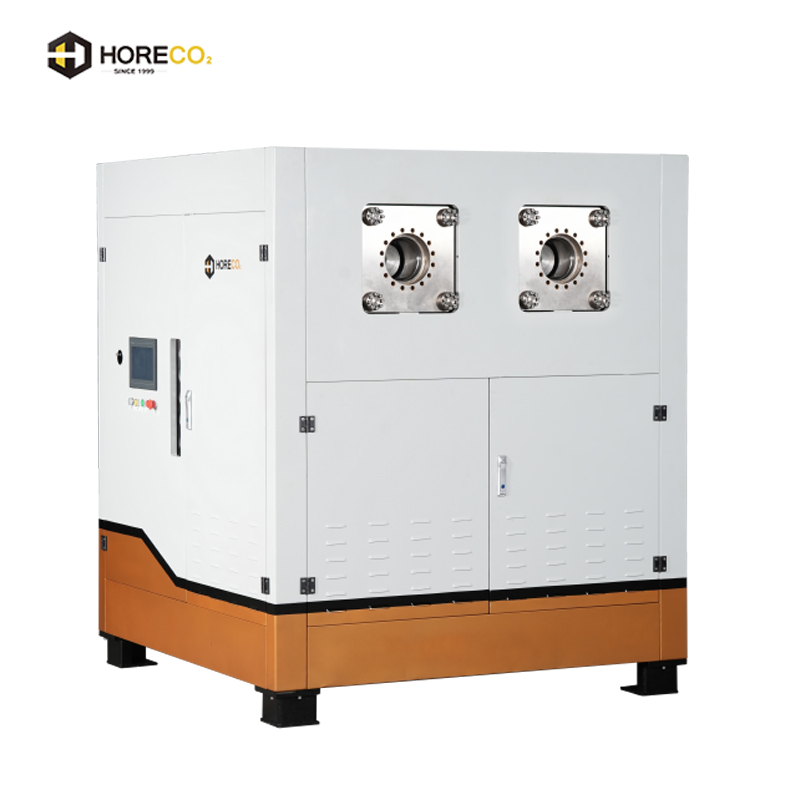
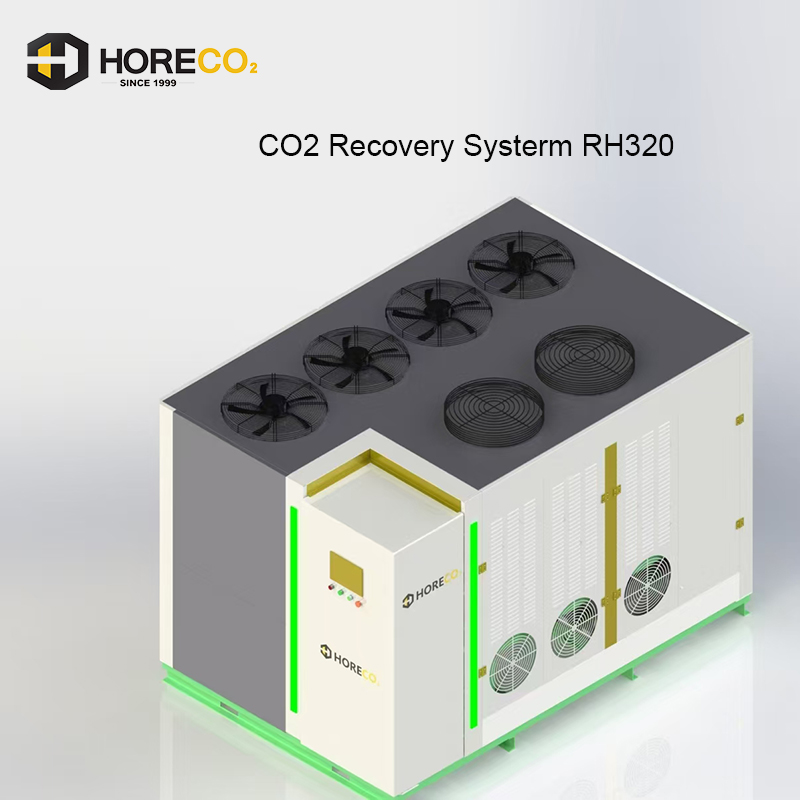
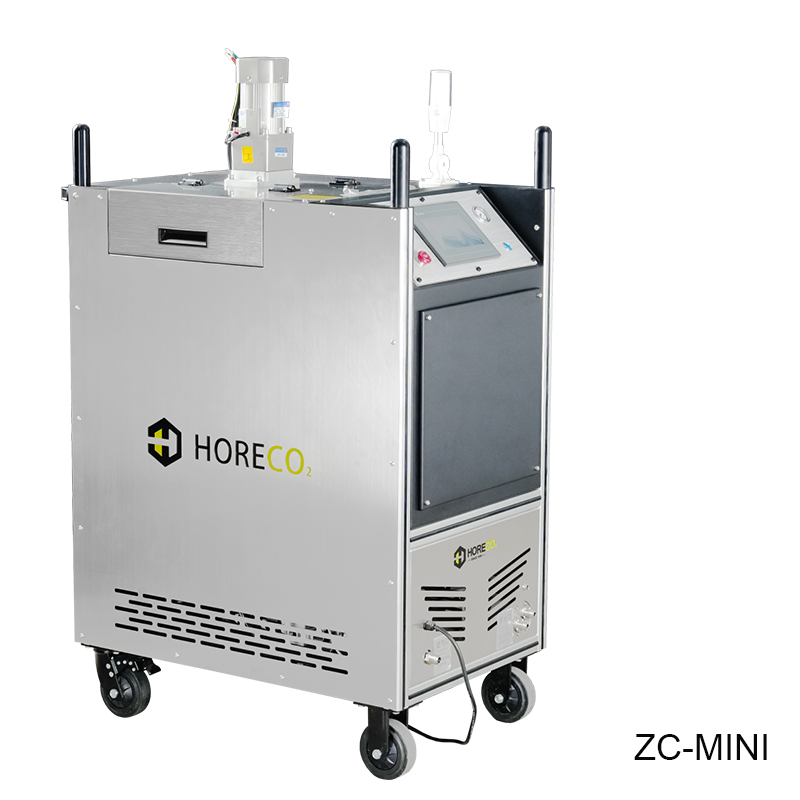
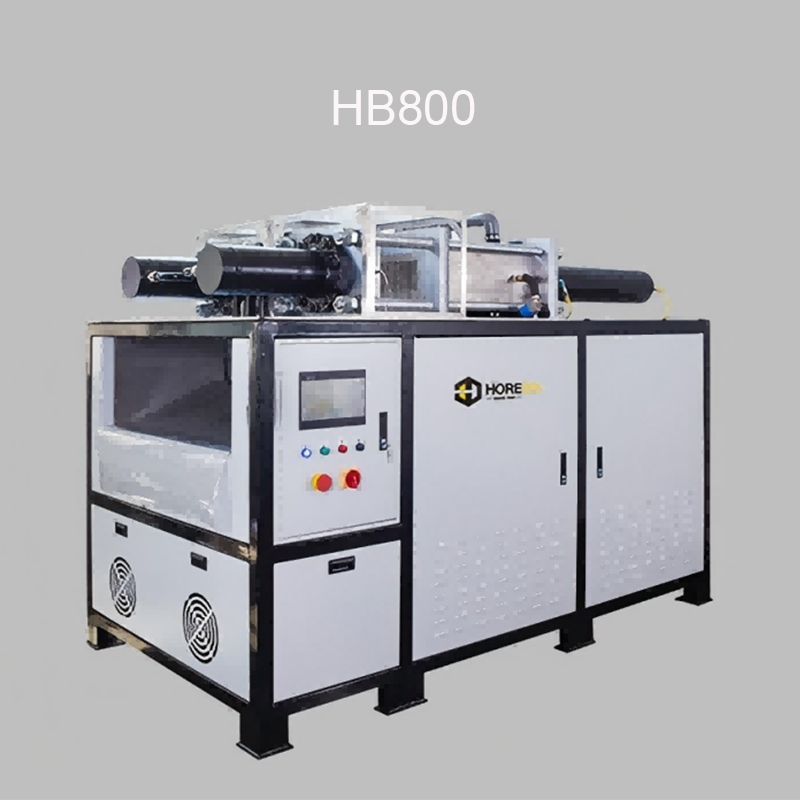
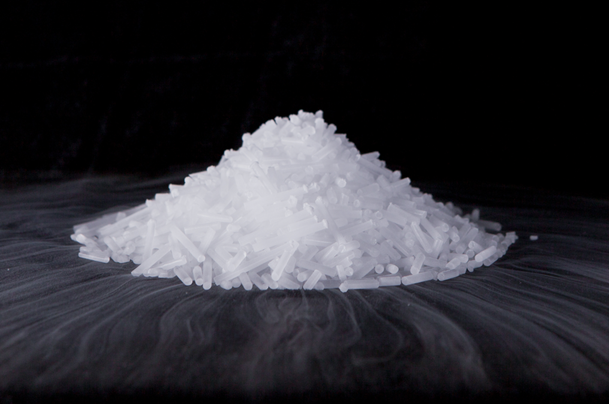
Dry ice blasting, offered by companies like HORECO2 Dry Ice Blasting Equipment & Service Co., Ltd., uses solid CO2 pellets that sublimate on impact, lifting contaminants without residue. For downtime, it allows in-place cleaning, reducing stoppages by up to 70%. For environmental concerns, it eliminates chemicals and water, cutting waste disposal costs by 50% and enhancing workplace safety.
Customer Success Stories: Real-World Impact
Fictional examples from diverse regions showcase the technology's effectiveness:
- AutoTech GmbH, Germany: Reduced cleaning time for painting booths from 8 hours to 2 hours, increasing production by 15%. "This machine saved us €20,000 yearly in downtime," said their maintenance head.
- GreenFoods Inc., USA: In a California facility, eliminated chemical use in conveyor cleaning, boosting hygiene scores by 30%. "It's a game-changer for our eco-friendly goals," noted their operations manager.
- Precision Aerospace Ltd., UK: Cleaned turbine blades without disassembly, cutting maintenance costs by 40%. "The precision is unmatched," praised their engineering lead.
Applications and Partnerships: Broadening the Reach
Dry ice blasting is versatile, used in industries like electronics for circuit board cleaning and in heritage restoration for delicate surfaces. HORECO2 collaborates with global partners, such as procurement firms in Europe, to supply tailored equipment, enhancing their authority as a trusted provider in the field.
FAQ Section: Answers for Engineers and Procurement Managers
Common questions include:
- How does dry ice blasting compare to sandblasting? It's non-abrasive, preserving substrate integrity, unlike sandblasting which can cause damage.
- What's the energy consumption? Machines typically use 5-10 kW, making them efficient for continuous operation.
- Is it safe for electrical components? Yes, as it's non-conductive and residue-free, ideal for sensitive equipment.
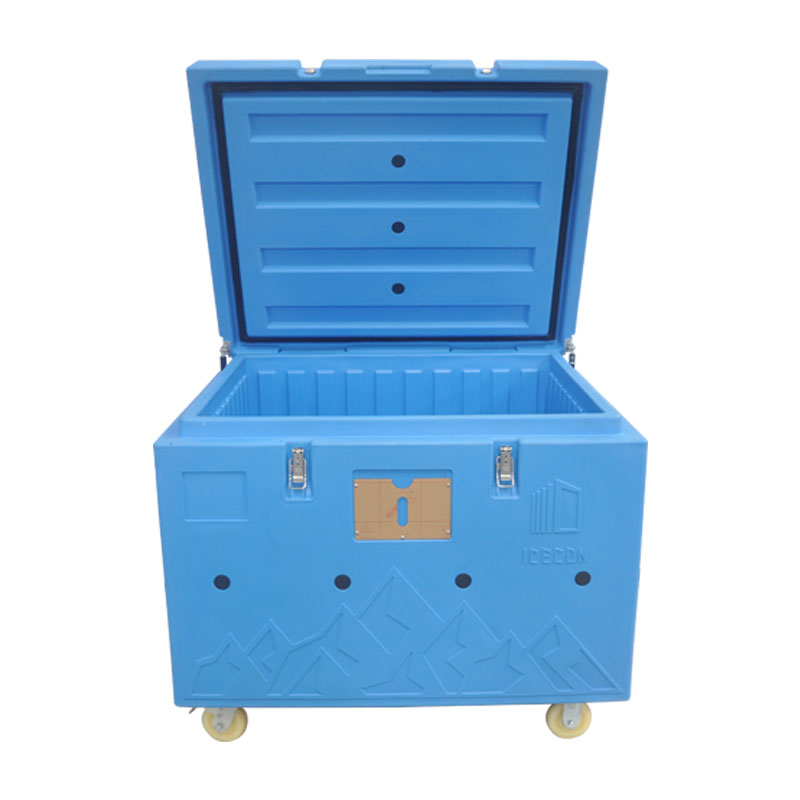
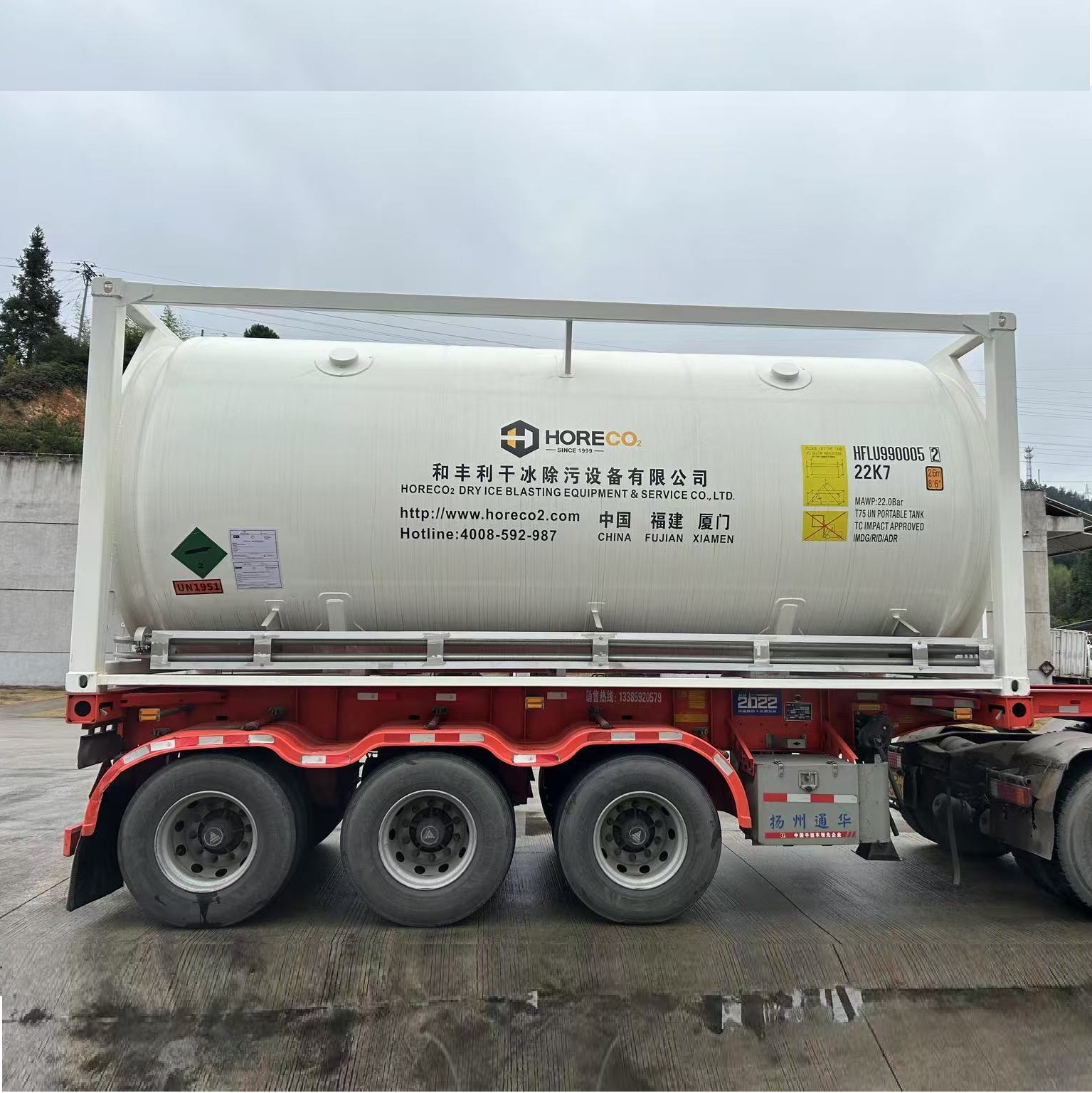
- How do I handle CO2 supply? HORECO2 offers local service networks for pellet delivery and storage solutions.
- What maintenance is required? Minimal—regular nozzle checks and filter changes ensure longevity.
Conclusion and Call to Action
Dry ice blasting proves to be a robust solution for modern industrial cleaning, balancing efficiency, safety, and cost. To explore further, download our technical whitepaper or contact a sales engineer at HORECO2 for personalized advice. Embrace the future of cleaning today!
