

Introduction: A Clean Slate for Manufacturing
Imagine walking into a high-tech automotive assembly line where robots weld with precision, only to find critical components covered in stubborn residues that compromise quality control. This isn’t just a nuisance—it’s a bottleneck that slows production, increases costs, and risks product failures. In today’s fast-paced manufacturing world, cleaning isn’t just about aesthetics; it’s about maintaining the integrity of precision parts and ensuring operational efficiency. That’s where machine dry ice cleaning comes in, promising a revolution in industrial maintenance. But is it truly the ultimate solution? Let’s dive in and find out.
Pain Points in Manufacturing: The Hidden Costs of Inefficient Cleaning
In high-end manufacturing, cleaning challenges go beyond simple dirt removal. Here are two key pain points that plague industries:
1. Contamination in Aerospace Components: In sectors like aerospace, even microscopic residues from lubricants or coatings can lead to catastrophic failures. Traditional methods, such as chemical solvents or abrasive blasting, often damage delicate surfaces or leave behind harmful by-products. The consequences? Increased downtime for rework, higher scrap rates, and potential safety risks. For a typical aerospace facility, this can translate to costs upwards of $50,000 per incident in lost productivity and material waste.
2. Mold Release Agents in Plastic Injection Molding: Plastic manufacturers rely on molds that must be impeccably clean to ensure product consistency. Residual mold release agents can cause defects like flashing or poor surface finish, leading to rejected batches. Conventional cleaning involves disassembly and manual scrubbing, which is time-consuming and labor-intensive. This results in extended machine idle time, with delays costing an average of $10,000 per day in lost output.
Solutions: How Machine Dry Ice Cleaning Works
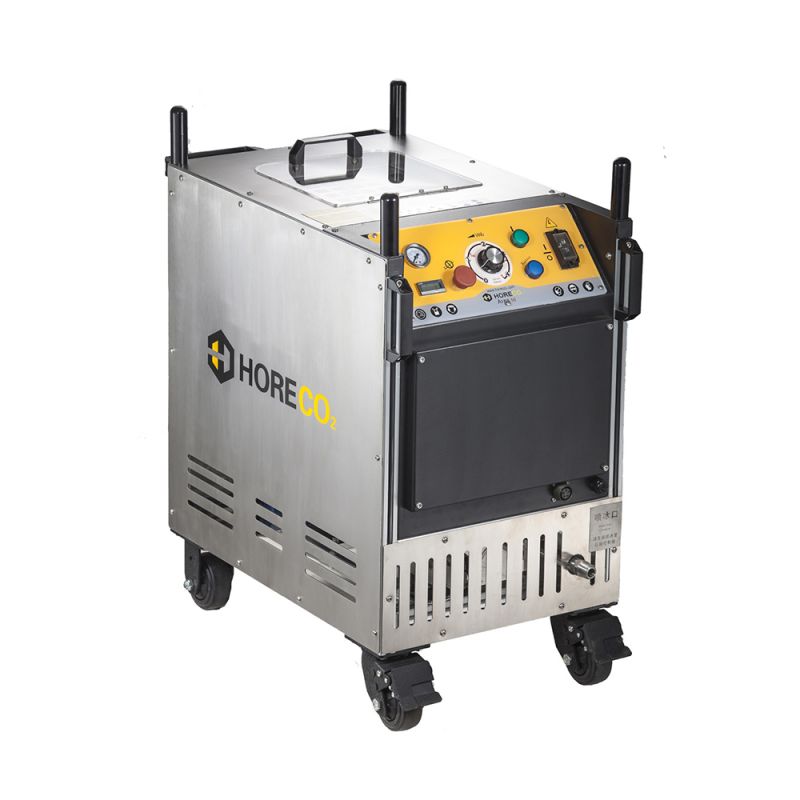
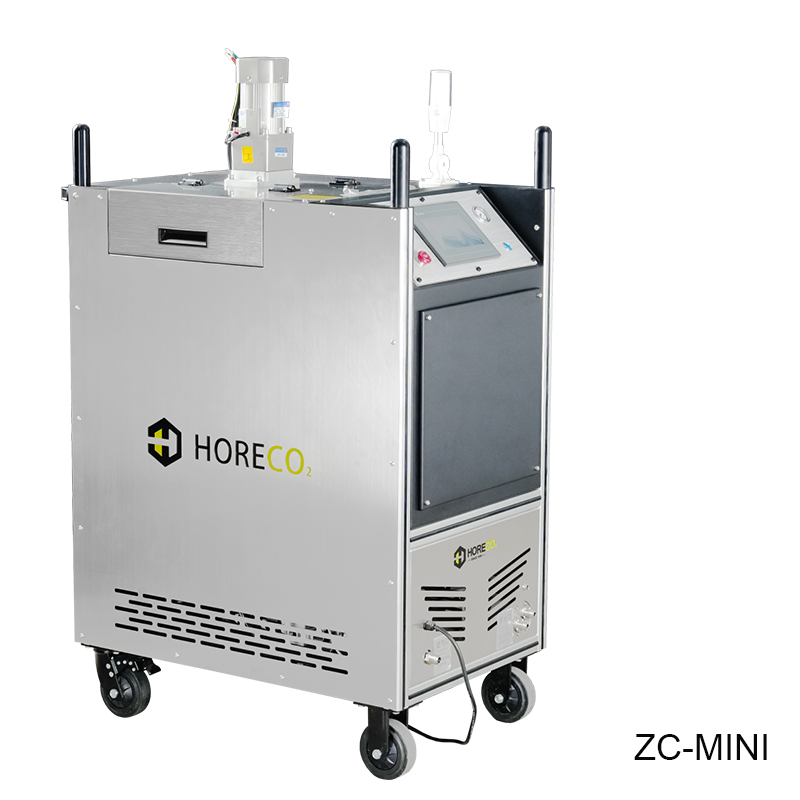
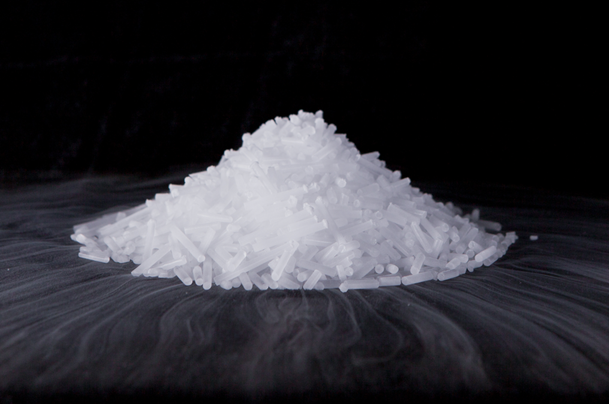
Machine dry ice cleaning addresses these issues through a non-abrasive, environmentally friendly process. Using compressed air, solid CO2 pellets are accelerated at high speeds to impact surfaces. Upon contact, the pellets sublime—transitioning directly from solid to gas—creating micro-explosions that lift contaminants without damaging substrates. This method eliminates the need for chemicals or water, reducing waste and minimizing downtime. For aerospace, it ensures pristine surfaces without compromising structural integrity; for plastic molding, it allows in-place cleaning without disassembly, slashing maintenance hours.
Client Success Stories: Real-World Impact
Here are three fictional case studies showcasing the effectiveness of machine dry ice cleaning, with data-driven results and client testimonials:
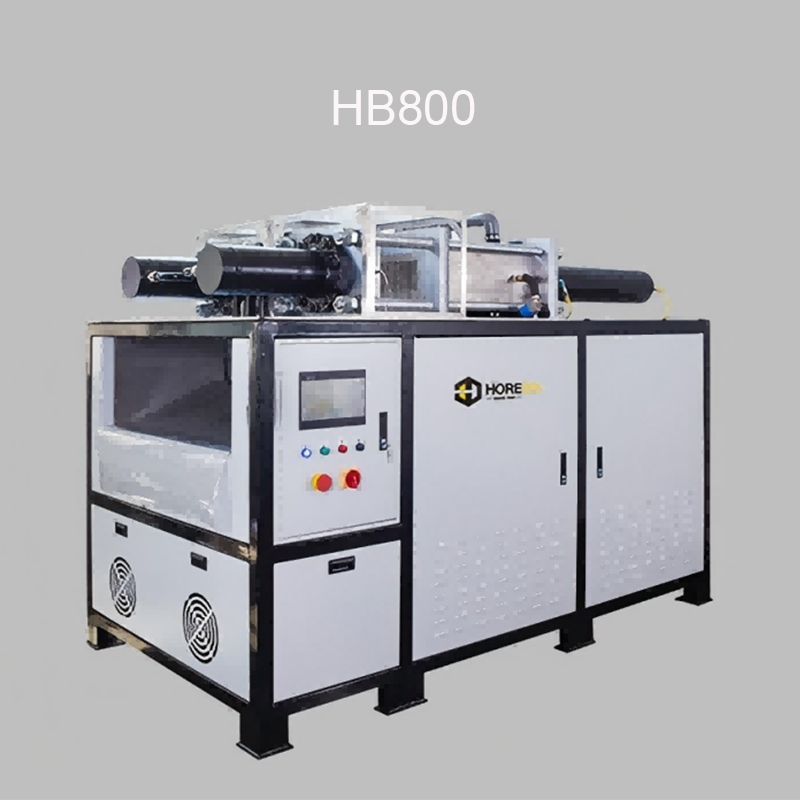
1. AutoTech GmbH, Stuttgart, Germany: This automotive parts supplier struggled with oil buildup on CNC machine tools, causing frequent breakdowns. After implementing HORECO2’s dry ice blasting system, they reduced cleaning time by 70%, from 8 hours to 2.5 hours per machine. Productivity increased by 15%, and maintenance costs dropped by $20,000 annually. “The precision and speed have transformed our workflow,” says Production Manager Klaus Schmidt.
2. Precision Castings Inc., Chicago, USA: Specializing in metal casting, this company faced issues with ceramic shell residues on investment molds. Traditional methods damaged delicate details, leading to a 10% rejection rate. With dry ice cleaning, they achieved a 95% cleanliness rate, cut rejection to 2%, and saved $30,000 yearly in material costs. “It’s like having a new set of molds every time,” remarks CEO Maria Gonzalez.
3. SolarFlex Technologies, Shanghai, China: A solar panel manufacturer dealt with adhesive residues on production lines, causing alignment errors. Switching to HORECO2’s equipment reduced downtime by 50%, improved panel efficiency by 5%, and boosted annual revenue by $100,000. “The ROI was immediate and impressive,” notes Operations Director Li Wei.
Applications and Partnerships: Where It Shines
Machine dry ice cleaning is versatile, applicable across various industries:
– Electronics: Cleaning circuit boards without static damage.
– Food Processing: Sanitizing equipment without chemical residues.
– Pharmaceuticals: Maintaining sterile environments in cleanrooms.
HORECO2 Dry Ice Blasting Equipment & Service Co., Ltd. collaborates with global partners like Siemens and Boeing, supplying tailored systems that integrate seamlessly into existing workflows. These partnerships enhance credibility, with joint R&D efforts driving innovation in dry ice technology.
FAQ: Answers for Engineers and Procurement Managers
1. How does dry ice cleaning compare to sandblasting in terms of surface damage? Dry ice cleaning is non-abrasive, unlike sandblasting which can etch or warp surfaces. It uses kinetic energy and sublimation, making it ideal for delicate components where material integrity is critical.
2. What are the operational costs, including CO2 pellet consumption? Costs vary by application, but typically range from $5 to $15 per hour for pellets, depending on usage intensity. This is offset by reduced labor, chemical, and disposal expenses, often yielding a payback period of under 12 months.
3. Can it handle heavy industrial grime like carbon buildup in engines? Yes, with adjustable pressure settings (up to 150 psi), it effectively removes tough deposits without damaging underlying metals, as validated in automotive and power generation sectors.
4. Is the process safe for operators and the environment? Absolutely. It produces no secondary waste, as the CO2 sublimates into the atmosphere—a naturally occurring gas. Operators should wear standard PPE for noise and cold protection, but it’s non-toxic and compliant with EPA regulations.
5. How does HORECO2 ensure equipment reliability and support? HORECO2 offers robust machines with warranties up to 3 years, backed by 24/7 technical support and on-site training. Their systems are ISO 9001 certified, ensuring consistent performance.
Comparison Table: Dry Ice Cleaning vs. Traditional Methods
| Aspect | Dry Ice Cleaning | Chemical Cleaning | Abrasive Blasting |
|---|---|---|---|
| Surface Damage | None | Possible corrosion | High risk |
| Downtime | Low | Medium | High |
| Environmental Impact | Minimal | Hazardous waste | Dust pollution |
| Cost Efficiency | High long-term | Medium | Low |
Conclusion: Embrace the Future of Industrial Cleaning
Machine dry ice cleaning isn’t just a trend—it’s a game-changer for precision manufacturing, offering a blend of efficiency, safety, and sustainability. By addressing critical pain points and delivering tangible results, it proves its worth as a cornerstone of modern maintenance strategies. If you’re ready to optimize your operations, explore our in-depth technical whitepaper for detailed insights or connect with our sales engineers for a personalized consultation. Take the step towards cleaner, smarter manufacturing today.
