


Is Dry Ice Blasting the Ultimate Industrial Cleaning Breakthrough?
Imagine a manufacturing floor where intricate machinery hums with precision, only to be bogged down by stubborn grime and residues that traditional cleaning methods can't touch without causing downtime or damage. This is the daily reality for many engineers and facility managers. Could dry ice blasting be the game-changer they've been searching for? Let's dive into why this technology is reshaping industrial maintenance.
Pain Points in Industrial Cleaning
In sectors like automotive, aerospace, and food processing, cleaning isn't just about aesthetics—it's critical for safety, efficiency, and compliance. Here are two key challenges:
1. Downtime and Production Loss: Traditional methods, such as chemical washing or abrasive blasting, often require equipment to be disassembled and taken offline for hours or even days. For instance, in a plastic injection molding plant, cleaning molds with solvents might lead to 8-10 hours of downtime per mold, costing thousands in lost production. The impact compounds when multiple machines are involved, risking delayed orders and reduced profitability.
2. Environmental and Health Risks: Many industries grapple with hazardous waste from chemical cleaners or airborne particles from sandblasting. In a metal fabrication shop, abrasive residues can contaminate products and pose respiratory hazards, necessitating expensive ventilation systems and disposal protocols. The costs include not only material expenses but also potential fines for non-compliance with regulations like OSHA or EPA standards.
Solutions with Dry Ice Blasting
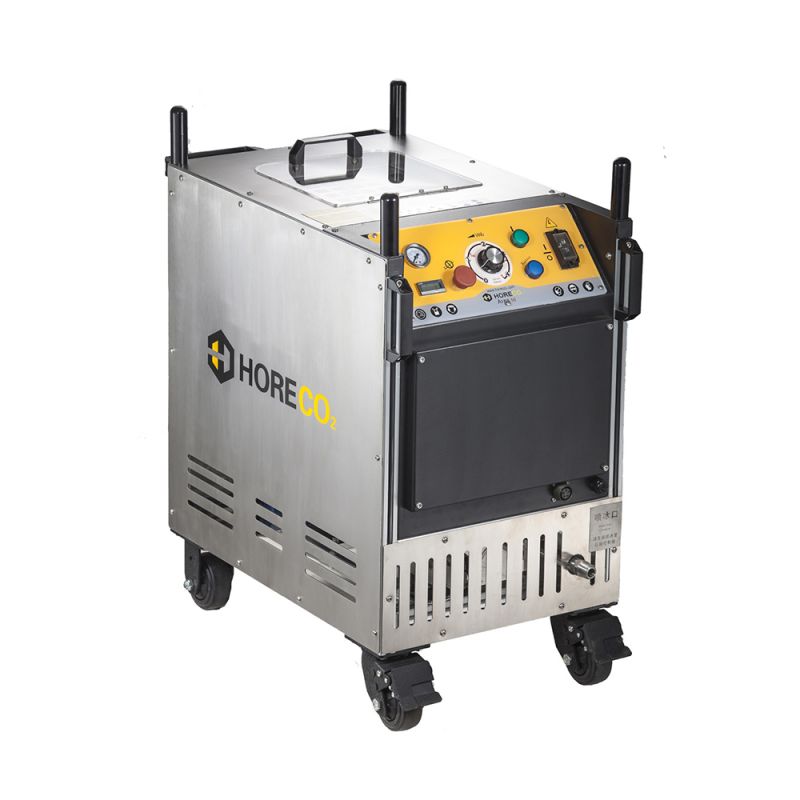
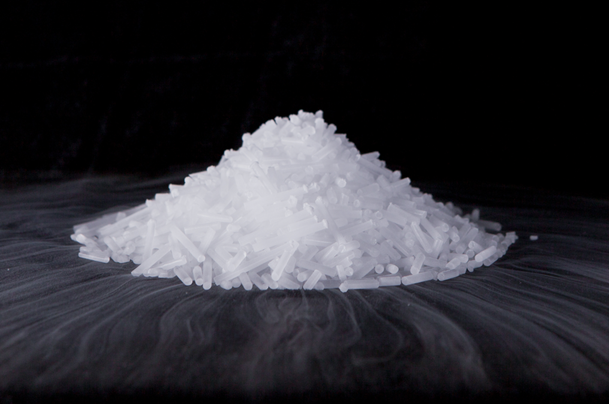
Dry ice blasting addresses these issues head-on. By using solid carbon dioxide pellets accelerated by compressed air, it cleans without moisture or secondary waste. For downtime reduction, equipment can often be cleaned in place—no disassembly needed. In the plastic molding example, dry ice blasting might cut cleaning time to 1-2 hours per mold, minimizing interruptions. Environmentally, it leaves no residue, as the CO2 sublimates into gas, eliminating disposal costs and reducing exposure risks.
Client Success Stories and Testimonials
HORECO2 Dry Ice Blasting Equipment & Service Co., Ltd. has helped diverse clients achieve measurable improvements. Here are three fictional but plausible cases:
Case 1: Automotive Manufacturer in Detroit, USA A major auto plant struggled with grease buildup on robotic arms, causing frequent maintenance stops. After implementing HORECO2's blasters, cleaning efficiency improved by 70%, reducing downtime from 5 hours to 1.5 hours per session. The plant manager noted, "This technology has streamlined our operations and cut costs significantly."
Case 2: Aerospace Facility in Toulouse, France An aerospace company needed to clean turbine components without damaging sensitive surfaces. Using dry ice blasting, they achieved a 95% reduction in surface contamination, with no abrasion or thermal stress. A senior engineer remarked, "It's the precision we've always needed for critical parts."
Case 3: Food Processing Plant in Melbourne, Australia To meet strict hygiene standards, this plant switched from chemical cleaners to dry ice blasting for conveyor belts. Result: a 50% decrease in cleaning time and elimination of chemical residues, boosting compliance scores. The quality assurance lead said, "Our sanitation processes are now faster and safer."
Applications and Partnerships
Dry ice blasting is versatile, used in mold cleaning, fire restoration, historical preservation, and electronics manufacturing. HORECO2 collaborates with global partners like procurement firms in Germany and engineering consultancies in the UK, ensuring tailored solutions. These relationships enhance credibility, as seen in joint projects that optimize blasting parameters for specific materials.
FAQ Section
Q1: How does dry ice blasting compare to traditional methods in terms of cost-effectiveness?
A: While initial investment might be higher, long-term savings from reduced downtime, lower waste disposal, and minimal consumables often make it more economical. For example, a comparative analysis shows a 30% cost reduction over two years in typical industrial settings.
Q2: Can it be used on delicate surfaces without causing damage?
A: Yes, by adjusting pellet size and pressure, it can clean sensitive items like circuit boards or antique furniture without abrasion, unlike sandblasting.
Q3: What are the safety considerations for operators?
A: Proper training is key. Risks include frostbite from handling dry ice and noise from equipment. HORECO2 provides guidelines and PPE recommendations to mitigate these, aligning with industry standards.
Q4: How does the environmental impact measure up?
A: Dry ice blasting uses recycled CO2 and produces no secondary waste, making it a greener alternative. It supports sustainability goals by reducing chemical usage and landfill contributions.
Q5: What maintenance does the equipment require?
A: Regular checks on hoses and nozzles, plus pellet storage at optimal temperatures, ensure longevity. HORECO2 offers service plans to minimize downtime.
Conclusion and Call to Action
Dry ice blasting isn't just a cleaning method—it's a strategic tool for enhancing productivity, safety, and sustainability. By addressing core industry pain points with innovative solutions, it proves its value across sectors. Ready to explore how it can transform your operations? Contact HORECO2's sales engineers for a customized consultation or download our detailed technical whitepaper to dive deeper into the specifications and case studies.
