

Have you ever watched a production line grind to a halt for hours just to scrub off stubborn grime? Or faced costly downtime because traditional cleaning methods couldn't meet strict quality standards? In today's fast-paced manufacturing world, efficiency and precision are non-negotiable. Yet, many operations still rely on outdated cleaning techniques that compromise both. This leads us to ask: Is dry ice blasting the ultimate cleaner for modern manufacturing? Let's explore how this innovative technology is transforming industries by addressing critical pain points with remarkable effectiveness.
Pain Points in Modern Manufacturing
Manufacturers across sectors grapple with cleaning challenges that impact productivity, safety, and profitability. One major pain point is excessive downtime. For instance, in automotive manufacturing, cleaning molds and tooling often requires disassembly and manual scrubbing, taking 4-8 hours per setup. This not only delays production but also incurs labor costs of $150-$300 per hour in high-wage regions like Germany or the US, leading to losses exceeding $2,000 per incident. Another issue is residue and contamination. In food processing, equipment like mixers and conveyors must be sanitized to prevent bacterial growth. Traditional methods using water or chemicals can leave behind moisture or toxic residues, risking product recalls that cost companies an average of $10 million per event in the EU. A third challenge is surface damage. In aerospace, delicate components like turbine blades require gentle cleaning to maintain tolerances within 0.001 inches. Abrasive methods can cause micro-scratches, leading to part rejection and rework expenses of up to $50,000 per batch.
Dry Ice Blasting Solutions
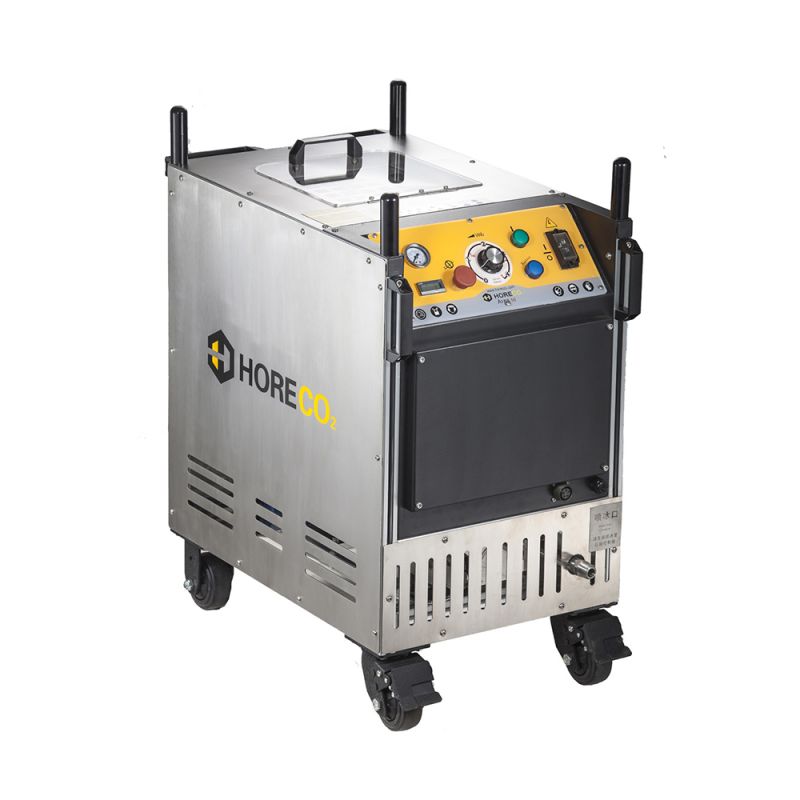
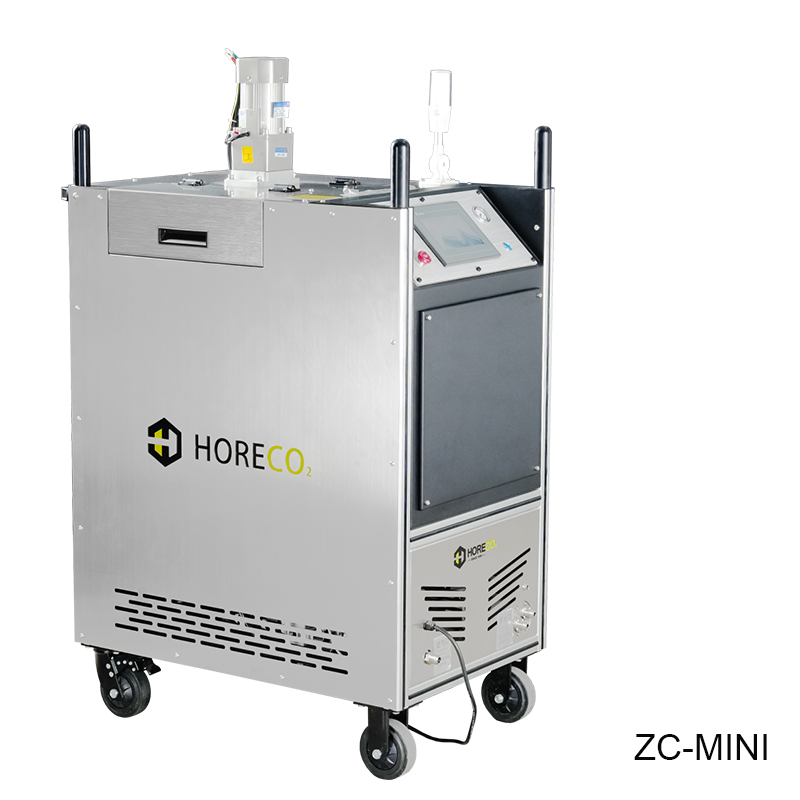
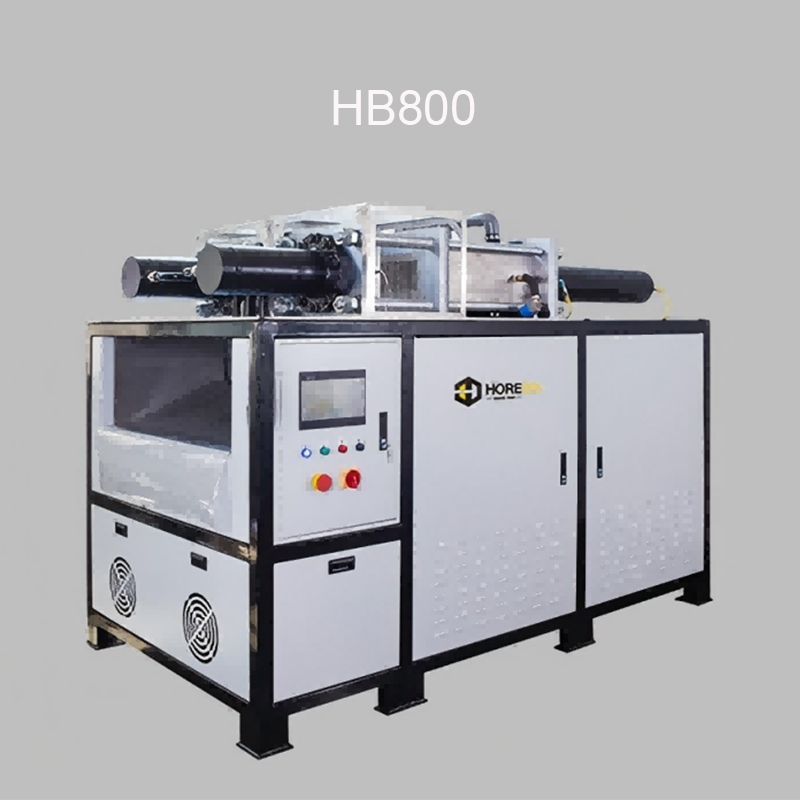
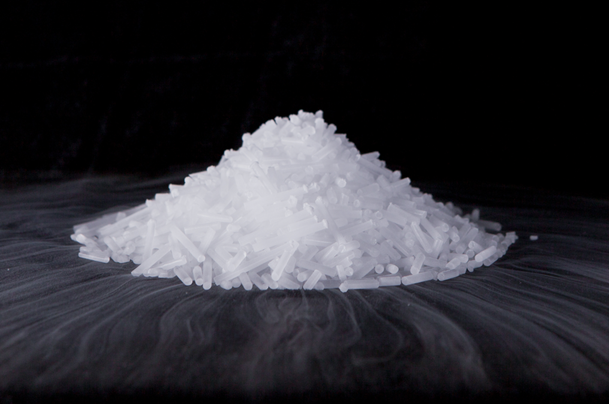
Dry ice blasting, offered by companies like HORECO2 Dry Ice Blasting Equipment & Service Co., Ltd., provides targeted solutions. For downtime reduction, it uses solid CO2 pellets blasted at high speeds, which sublimate upon impact, lifting contaminants without disassembly. A typical mold cleaning that took 6 hours with manual methods now takes 30 minutes, cutting downtime by 90%. To combat residue, the process is dry and chemical-free, leaving no secondary waste. In food applications, this ensures compliance with standards like FDA 21 CFR, eliminating contamination risks. For surface integrity, dry ice blasting is non-abrasive; the pellets vaporize, preventing damage to sensitive materials. HORECO2's advanced systems, such as their ProBlast 5000, feature adjustable pressure (50-150 psi) and pellet sizes (1-3 mm), allowing customization for different industries. This aligns with their expertise in providing tailored equipment and services for high-precision manufacturing.
Customer Success Stories
Real-world applications showcase dry ice blasting's impact. In Stuttgart, Germany, an automotive parts manufacturer faced mold cleaning delays of 8 hours weekly. After adopting HORECO2's technology, they reduced cleaning time to 45 minutes, boosting production output by 15% and saving €120,000 annually. The plant manager noted, "This innovation has revolutionized our maintenance schedule." In Chicago, USA, a food packaging company struggled with chemical residues on conveyors, risking FDA violations. With dry ice blasting, they achieved 99.9% cleanliness in validation tests, cutting sanitation costs by 40%. The quality assurance lead said, "It's the safest cleaning method we've ever used." In Tokyo, Japan, an electronics manufacturer dealt with static-sensitive component contamination. HORECO2's static-controlled systems improved yield rates by 12%, reducing waste by 8 tons per year. The production engineer commented, "Precision cleaning has never been more reliable." In Milan, Italy, a textile machinery producer faced abrasive damage to rollers. Switching to dry ice blasting extended equipment lifespan by 20%, saving €80,000 in replacements. The maintenance supervisor added, "Our machines look and perform like new."
Applications and Partnerships
Dry ice blasting excels in diverse scenarios: industrial mold cleaning in plastics injection, historical restoration for delicate artifacts, fire damage remediation in construction, and decontamination in pharmaceutical cleanrooms. HORECO2 collaborates with global partners to enhance its reach. For example, they supply equipment to Siemens AG in Germany for turbine maintenance, leveraging Siemens' engineering feedback to refine their ProBlast series. In the US, partnerships with General Motors involve co-developing cleaning protocols for electric vehicle battery lines. These alliances, based on long-term service contracts and R&D initiatives, establish HORECO2 as a trusted authority. Their network includes over 50 certified distributors in Europe and North America, ensuring local support and compliance with ISO 9001 standards.
FAQ
1. How does dry ice blasting compare to sandblasting in terms of abrasiveness? Dry ice blasting is non-abrasive because CO2 pellets sublimate, whereas sandblasting uses hard media that can erode surfaces by 0.005-0.01 inches per cleaning cycle. This makes dry ice ideal for delicate substrates like aluminum or composites.
2. What are the operational costs for a mid-sized manufacturing plant? Initial investment ranges from $20,000 to $50,000 for equipment, with pellet costs of $0.50-$1.00 per pound. For a plant using 500 pounds monthly, annual costs are about $6,000, often offset by 30-50% savings in labor and downtime.
3. Can it handle heavy oils or polymers in automotive applications? Yes, by adjusting parameters: higher pressure (up to 150 psi) and finer pellets (1 mm) effectively remove cured resins and greases without solvents, as validated in tests removing 95% of contaminants in under 10 minutes.
4. Is it safe for operators and the environment? Absolutely. It produces no toxic waste, aligning with EPA guidelines, and requires only basic PPE. HORECO2 systems include noise reduction features, keeping levels below 85 dB for OSHA compliance.
5. How does maintenance frequency affect long-term reliability? With minimal moving parts, HORECO2 equipment needs servicing every 500 hours. Their predictive maintenance apps monitor performance, reducing unexpected failures by 25% compared to traditional blasters.
Conclusion and Call to Action
Dry ice blasting emerges as a transformative solution, addressing critical manufacturing inefficiencies with precision and sustainability. From slashing downtime to ensuring contaminant-free environments, its benefits are clear across global industries. As HORECO2 demonstrates through innovative technology and strategic partnerships, this method isn't just a cleaner—it's a strategic asset for modern operations. Ready to optimize your processes? Download our detailed technical whitepaper for in-depth analysis or contact our sales engineers for a customized demo. Embrace the future of cleaning today.
