

Introduction: The Unseen Challenge in Modern Manufacturing
Imagine a high-precision aerospace component, meticulously engineered to tolerances measured in micrometers. After months of production, it emerges from the assembly line—only to be contaminated by microscopic residues that threaten its performance. Traditional cleaning methods might introduce moisture, chemicals, or abrasive damage, compromising integrity. This scenario isn't hypothetical; it's a daily reality in industries where cleanliness dictates reliability. So, we ask: Is dry ice blasting the future of precision cleaning? In this deep dive, we'll explore how this technology is reshaping maintenance protocols, reducing downtime, and enhancing quality across sectors.
Pain Points: The Hidden Costs of Inadequate Cleaning
In high-end manufacturing, cleaning isn't just about aesthetics—it's a critical operational function. Here are two key pain points:
1. Contamination-Induced Failures: In semiconductor fabrication, even nanoscale particles can cause circuit defects, leading to yield losses of up to 15%. A single contaminated wafer batch might cost over $50,000 in scrap and rework. Traditional wet cleaning can leave residues or induce electrostatic discharge, exacerbating the issue.
2. Downtime and Labor Intensity: For automotive paint shops, cleaning robotic arms and conveyor systems often requires disassembly, manual scrubbing, and drying times exceeding 8 hours. This downtime translates to lost production capacity, with hourly costs ranging from $500 to $2,000 depending on the facility scale. Labor-intensive methods also increase safety risks from chemical exposure.
Solutions: How Dry Ice Blasting Addresses These Challenges
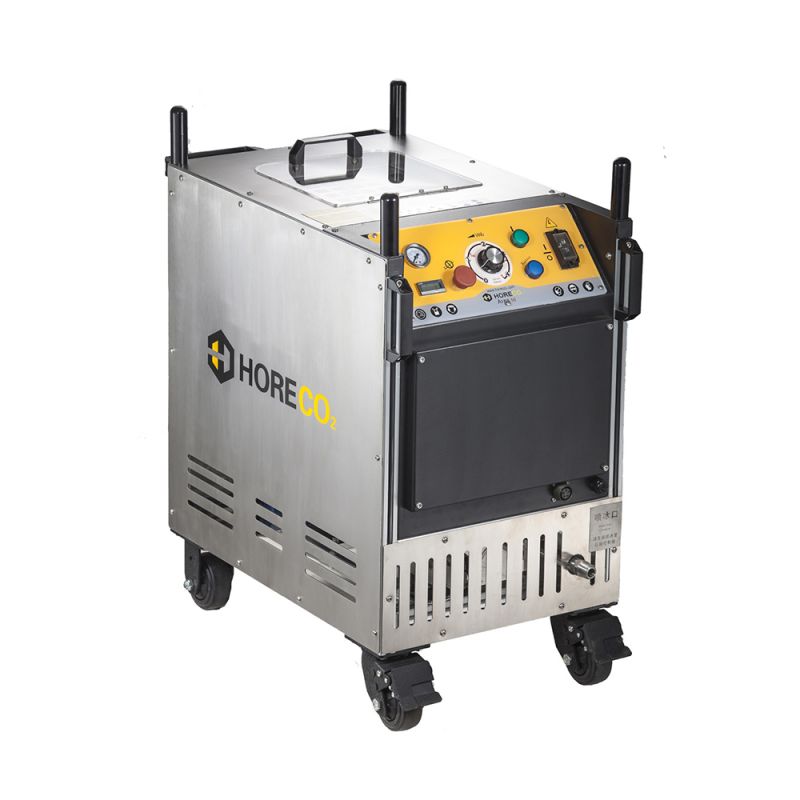
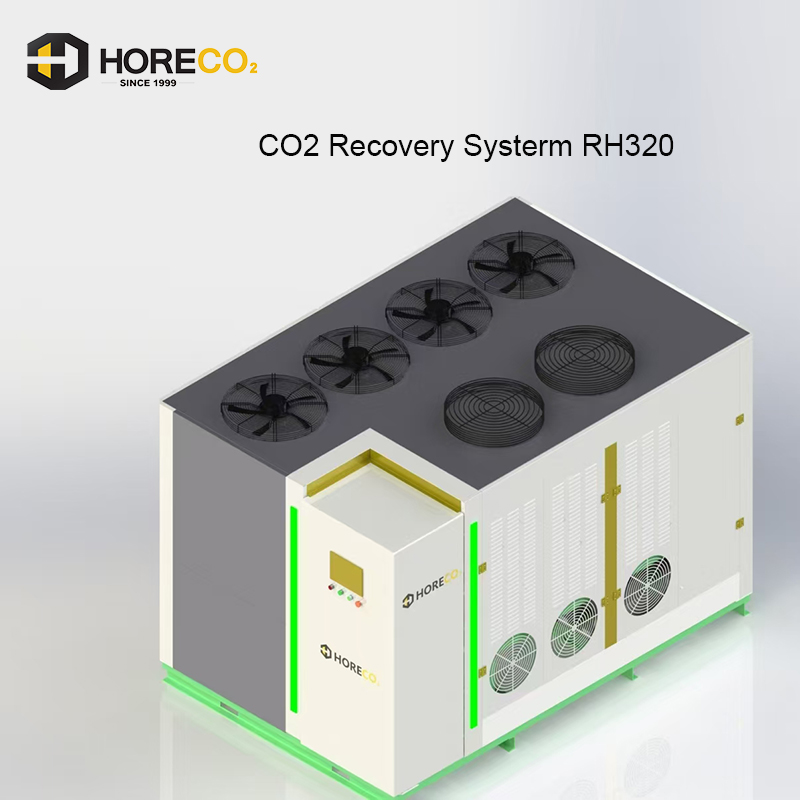
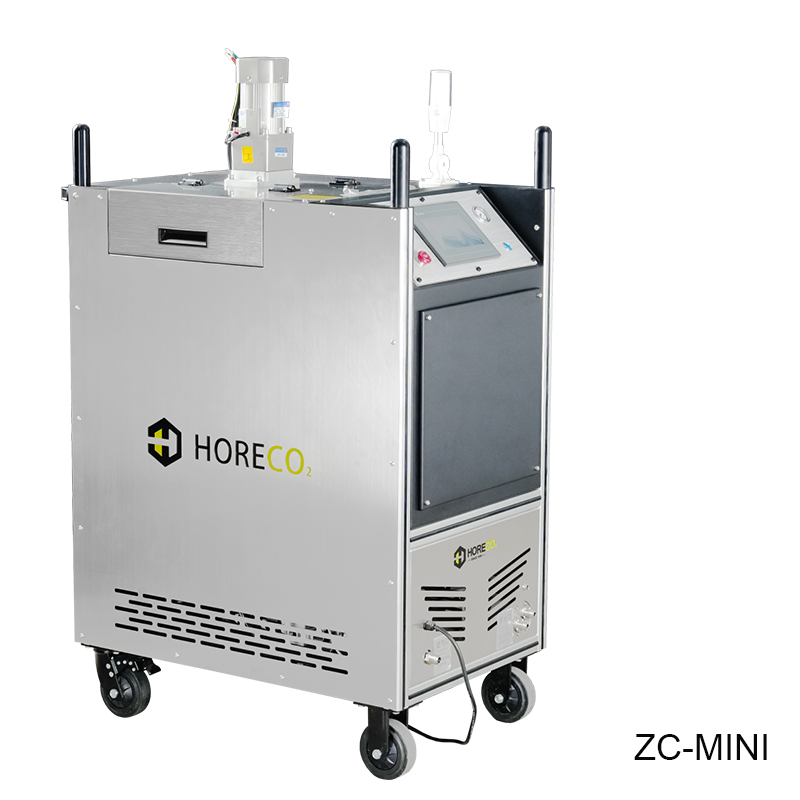
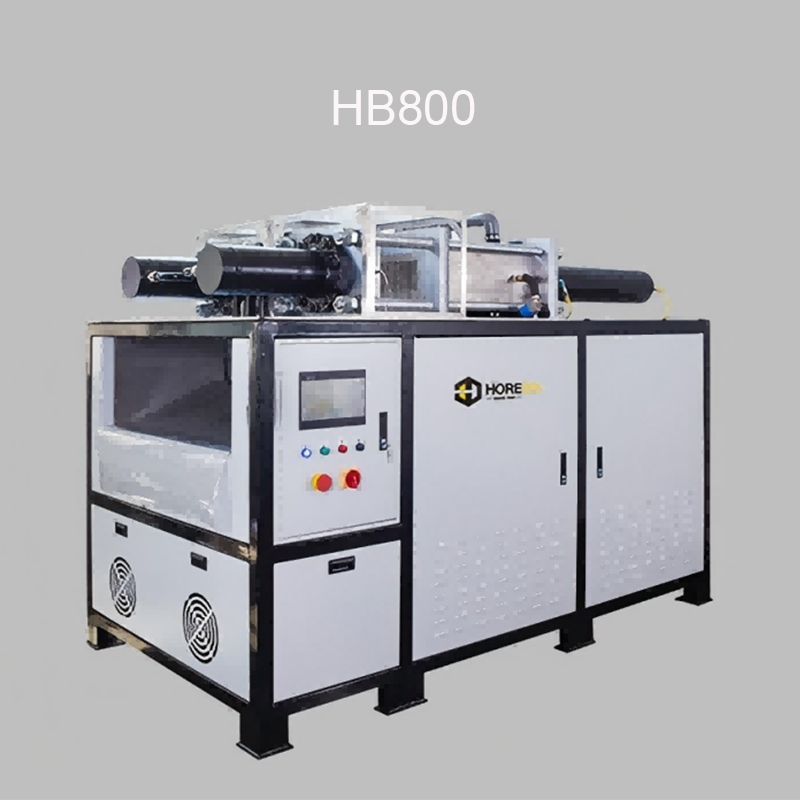
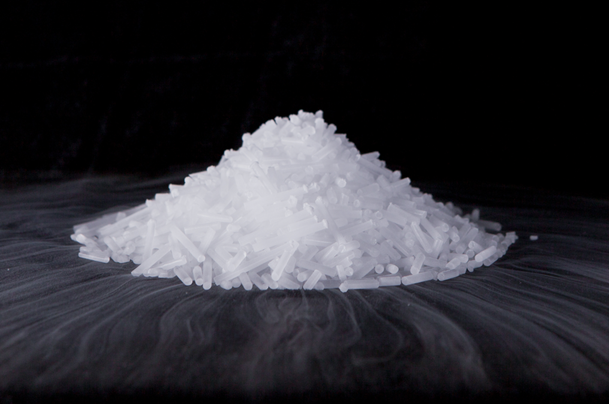
Dry ice blasting uses solid CO2 pellets accelerated by compressed air to remove contaminants through kinetic energy and thermal shock. Unlike abrasives, the pellets sublimate upon impact, leaving no secondary waste. For contamination-sensitive environments, it eliminates chemical residues and moisture. In downtime-critical applications, it allows in-place cleaning without disassembly, reducing turnaround by up to 70%. HORECO2's systems incorporate adjustable pressure (20-150 psi) and pellet size controls, tailored for delicate electronics or robust industrial equipment.
Client Cases and Testimonials: Real-World Impact
Case 1: Aerospace Component Manufacturer (Seattle, USA): After implementing HORECO2's dry ice blasting for turbine blade cleaning, defect rates dropped from 8% to 1.5% within six months. Production throughput increased by 12% due to reduced rework cycles. "The non-abrasive nature preserved our titanium alloys' surface integrity—game-changer for FAA compliance," says the plant manager.
Case 2: Pharmaceutical Packaging Line (Frankfurt, Germany): Cleaning validation times for sterile equipment were cut from 10 hours to 3 hours per shift, saving €40,000 annually in labor and sanitation costs. Microbial contamination incidents decreased by 95%. "It's the only method that meets our ISO 14644-1 cleanroom standards without chemical risks," notes the quality assurance lead.
Case 3: Food Processing Plant (Melbourne, Australia): For conveyor belt sanitization, dry ice blasting reduced water usage by 80% and eliminated bacterial biofilm recurrence. Energy costs fell by 15% due to shorter drying times. "We've enhanced food safety while slashing our environmental footprint," reports the operations director.
Applications and Partnerships: Expanding the Ecosystem
Dry ice blasting finds utility in diverse scenarios: mold cleaning in injection molding (reducing release agent buildup), historical restoration (gentle on artifacts), and power generation (cleaning turbines without shutdowns). HORECO2 collaborates with global partners like Precision Tools GmbH in Europe for custom nozzle designs and Advanced Manufacturing Consortium in North America for R&D. These alliances ensure technology adapts to evolving industry standards, such as ASTM E2859 for non-destructive testing.
FAQ: Technical Insights for Engineers and Procurement Managers
1. Q: How does dry ice blasting compare to sandblasting for heavy rust removal?
A: While sandblasting is effective, it generates abrasive dust requiring containment and disposal. Dry ice blasting removes rust through thermal contraction, with no media residue. For structural steel, HORECO2 recommends higher pressure settings (120+ psi) and may combine with preliminary scraping for severe cases.
2. Q: What's the operational cost per hour, including CO2 consumption?
A: Costs vary by system size, but a mid-range unit uses 2-4 kg of pellets per minute, translating to $30-$60/hour in consumables. This often offsets labor and disposal savings from traditional methods.
3. Q: Can it handle electrostatic-sensitive devices like PCBs?
A: Yes, with proper grounding and low-pressure configurations (<30 psi). HORECO2's models include anti-static features, validated to ANSI/ESD S20.20 standards.
4. Q: What maintenance does the blasting equipment itself require?
A: Regular checks on air compressors and pelletizers are key. HORECO2 provides modular designs with mean time between failures (MTBF) exceeding 5,000 hours, supported by predictive maintenance software.
5. Q: Is it suitable for hazardous environments with flammable residues?
A: Dry ice is inert and non-flammable, but compressed air sparks risks exist. HORECO2 offers ATEX-certified systems for Class I/Division 1 areas, with inert gas options.
Conclusion and Call to Action: Embrace the Shift
Dry ice blasting isn't just an alternative; it's a paradigm shift toward sustainable, efficient cleaning. By addressing core pain points—from contamination to downtime—it empowers industries to elevate quality and reduce costs. The future of precision cleaning is here, blending innovation with practicality. Ready to explore further? Download our detailed technical whitepaper on optimizing blasting parameters for your sector, or schedule a consultation with HORECO2's sales engineers to prototype a solution tailored to your needs. Transform your maintenance strategy—one pellet at a time.
