


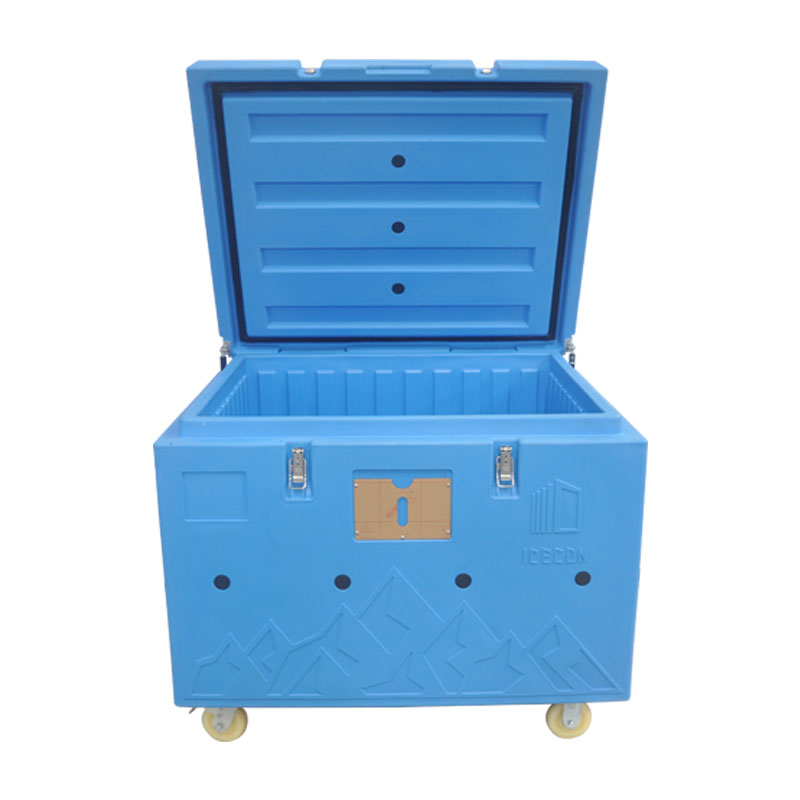

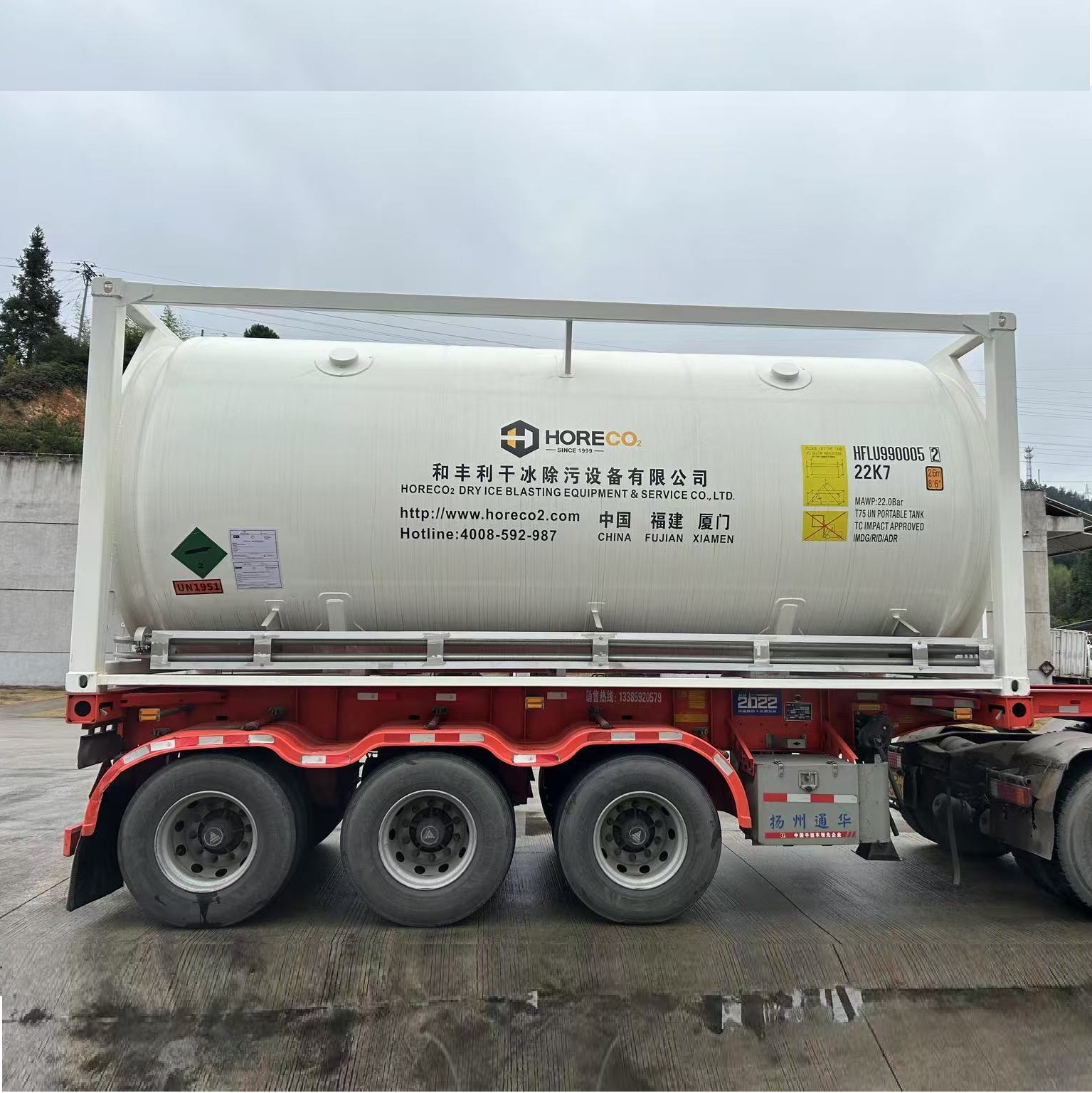

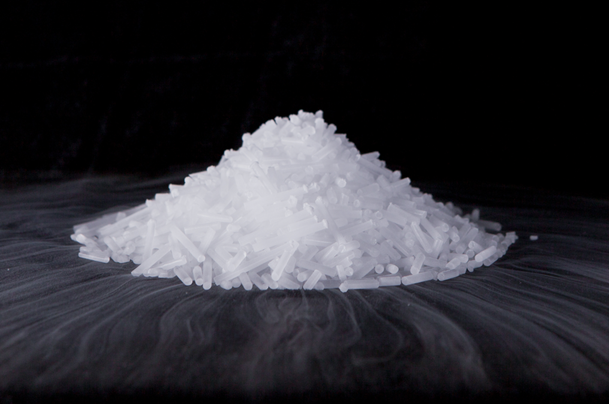
What Exactly Are Dry Ice Tubs and Why Do They Matter?
Imagine you're overseeing a manufacturing plant, and a critical piece of equipment needs cleaning. Traditional methods involve hours of downtime, harsh chemicals, or abrasive materials that risk damaging surfaces. Sound familiar? This is where dry ice tubs come into play—a game-changer in industrial maintenance. In this blog, we'll dive deep into what dry ice tubs are, why they're essential, and how they're transforming industries worldwide.
The Pain Points: Challenges in Industrial Cleaning
In today's fast-paced industrial environments, efficiency and sustainability are paramount. Yet, many companies grapple with significant hurdles in cleaning and surface preparation. Let's explore two key pain points:
1. High Operational Costs and Downtime: Traditional cleaning methods, such as sandblasting or chemical solvents, often require extensive setup, manual labor, and prolonged equipment shutdowns. For instance, in a food processing facility, cleaning a conveyor system might take 8-10 hours, leading to lost production and revenue. The average cost can exceed $5,000 per incident in downtime alone, not to mention labor and material expenses.
2. Environmental and Safety Concerns: Many cleaning agents release harmful VOCs (volatile organic compounds) or leave toxic residues, posing risks to worker health and the environment. In automotive manufacturing, using solvents for mold cleaning can result in hazardous waste disposal costs and regulatory fines, sometimes adding up to $10,000 annually per facility. Moreover, abrasive methods can damage delicate components, increasing repair costs.
The Solution: How Dry Ice Tubs Work
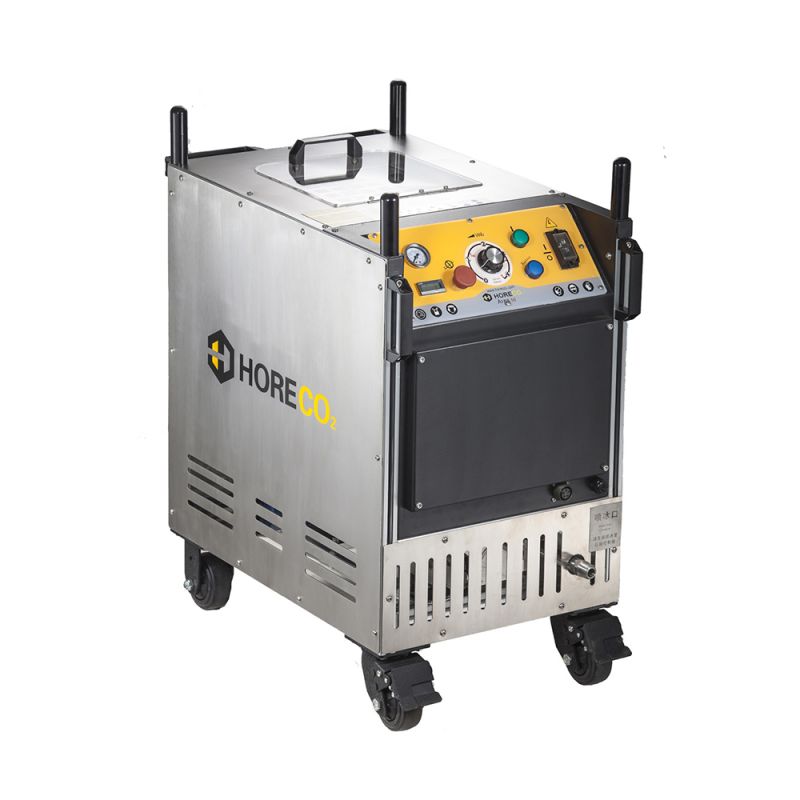
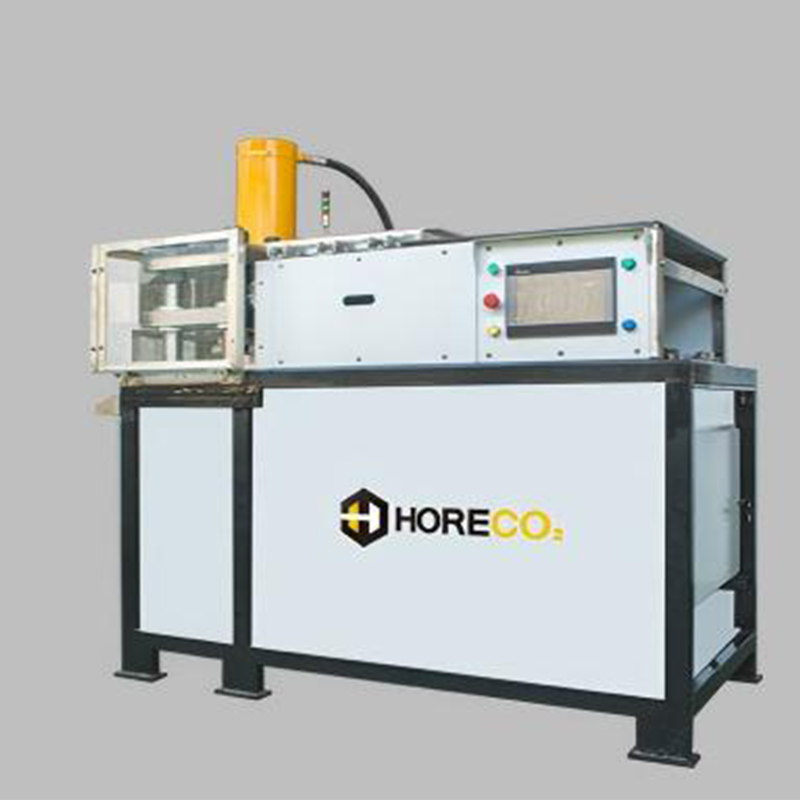
Dry ice tubs, offered by companies like HORECO2 Dry Ice Blasting Equipment & Service Co., Ltd., provide a innovative alternative. These systems use solid carbon dioxide (dry ice) pellets, which are accelerated at high speeds to clean surfaces through sublimation—turning directly from solid to gas upon impact. This process effectively removes contaminants without residue, water, or abrasion. Here's how they address the pain points:
For high operational costs, dry ice blasting reduces downtime by up to 70%. Since it's a dry, non-abrasive method, equipment can often be cleaned in place without disassembly, cutting cleaning times from hours to minutes. In the food processing example, this could save over $3,500 per cleaning cycle.
Regarding environmental concerns, dry ice is non-toxic and leaves no secondary waste, eliminating disposal costs and enhancing workplace safety. It aligns with green initiatives, helping companies meet sustainability goals and avoid fines.
Customer Success Stories: Real-World Impact
To illustrate the effectiveness, here are three fictional but plausible customer cases from HORECO2:
Case 1: Automotive Plant in Detroit, USA – A major car manufacturer struggled with cleaning injection molds, facing 12-hour downtimes and $8,000 in monthly solvent costs. After switching to dry ice tubs from HORECO2, downtime reduced to 3 hours, and solvent costs dropped by 90%. "The efficiency gains were immediate—we saved over $50,000 in the first year," says Plant Manager John Smith.
Case 2: Pharmaceutical Facility in Basel, Switzerland – This site needed sterile cleaning without chemical residues. Traditional methods risked contamination and required 2-day validations. With dry ice blasting, cleaning time halved to 1 day, and validation passed 100% of audits. "It's a cleaner, safer solution that boosted our compliance," notes Quality Head Maria Schmidt.
Case 3: Aerospace Supplier in Toulouse, France – Cleaning composite materials without damage was critical. Abrasive methods caused micro-cracks, leading to $15,000 in annual repairs. Dry ice tubs eliminated damage, reducing repair costs to zero and improving part longevity by 20%. "The precision is unmatched—we've enhanced our product quality," explains Engineer Pierre Dubois.
Applications and Partnerships
Dry ice tubs are versatile, used across various sectors:
- Food and Beverage: Cleaning conveyor belts, ovens, and packaging machinery without moisture or chemicals.
- Electronics: Removing flux and debris from circuit boards without static damage.
- Energy: Maintaining turbines and pipelines in oil and gas industries.
HORECO2 collaborates with global partners like TechClean Inc. in Germany and EcoBlast Solutions in the UK, supplying equipment and training to ensure optimal performance. These partnerships enhance our authority and reach in the market.
FAQ: Questions from Engineers and Procurement Managers
Here are five common questions with detailed answers:
Q1: How does dry ice blasting compare to traditional methods in terms of cost-effectiveness?
A: While initial investment in dry ice tubs may be higher (around $20,000-$50,000), long-term savings from reduced downtime, labor, and waste disposal often yield ROI within 6-12 months. For example, in a mid-sized plant, annual savings can exceed $30,000.
Q2: Is dry ice blasting safe for all surfaces, including delicate materials?
A: Yes, when properly calibrated. The non-abrasive nature means it won't damage surfaces like plastics or coatings. HORECO2 systems offer adjustable pressure settings (e.g., 50-150 psi) to suit different materials, based on ASTM standards.
Q3: What are the environmental impacts of using dry ice?
A: Dry ice is made from reclaimed CO2, a byproduct of other industries, so it's eco-friendly. It sublimates, leaving no waste, and reduces carbon footprint by up to 40% compared to chemical methods, per ISO 14001 guidelines.
Q4: How do I maintain a dry ice tub system?
A: Maintenance is minimal: regular pellet hopper refills and nozzle checks. HORECO2 provides training and support, with typical service intervals of 500 operating hours, ensuring 99% uptime.
Q5: Can dry ice blasting be used in hazardous areas?
A: Absolutely. Systems are designed with ATEX certification for explosive atmospheres, making them suitable for oil refineries or chemical plants, where safety is paramount.
Comparison Table: Dry Ice Blasting vs. Traditional Methods
| Aspect | Dry Ice Blasting | Sandblasting | Chemical Cleaning |
|---|---|---|---|
| Downtime | Low (30-70% reduction) | High | Medium |
| Environmental Impact | Minimal (no waste) | High (dust and debris) | High (toxic residues) |
| Surface Damage Risk | None | High | Low to Medium |
| Cost per Application | $$ (long-term savings) | $$$ | $$$$ |
Conclusion and Call to Action
Dry ice tubs are not just a cleaning tool; they're a strategic asset for modern industries, offering efficiency, safety, and sustainability. As we've seen, they tackle real pain points head-on, from cost savings to environmental compliance. If you're an engineer or procurement manager looking to optimize your operations, it's time to explore further.
For a deeper dive, download our exclusive technical whitepaper on dry ice blasting best practices, or contact a HORECO2 sales engineer for a personalized consultation. Visit our website or call us today to transform your cleaning processes—because in industrial maintenance, every minute and dollar counts.
