

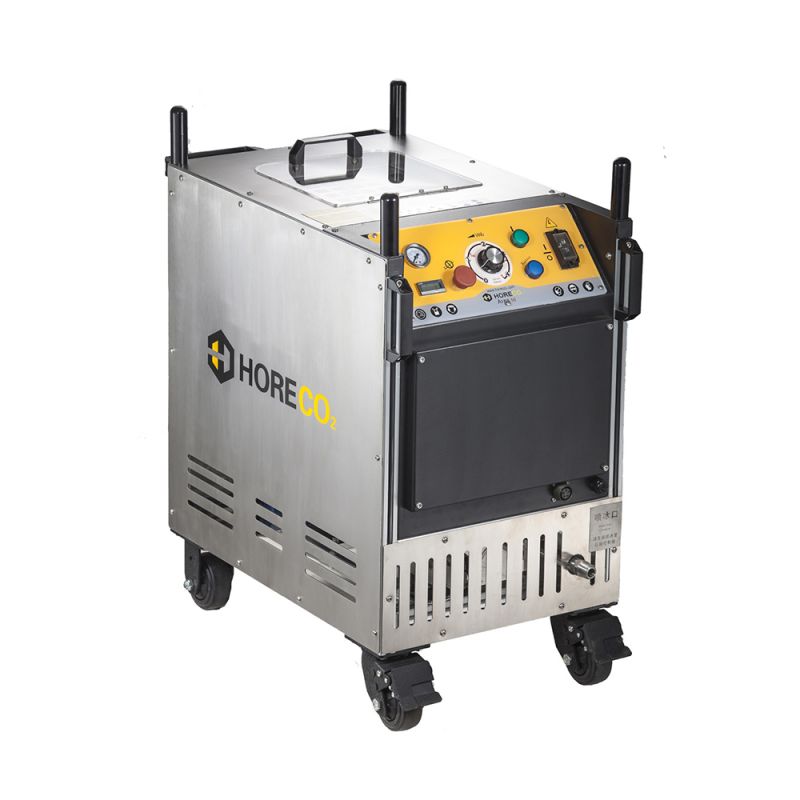
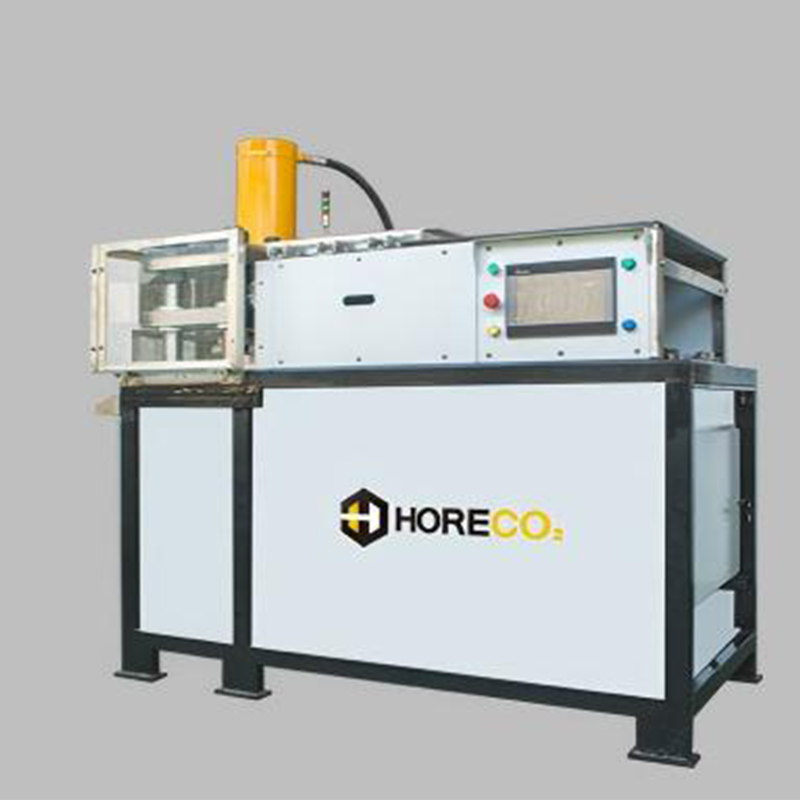
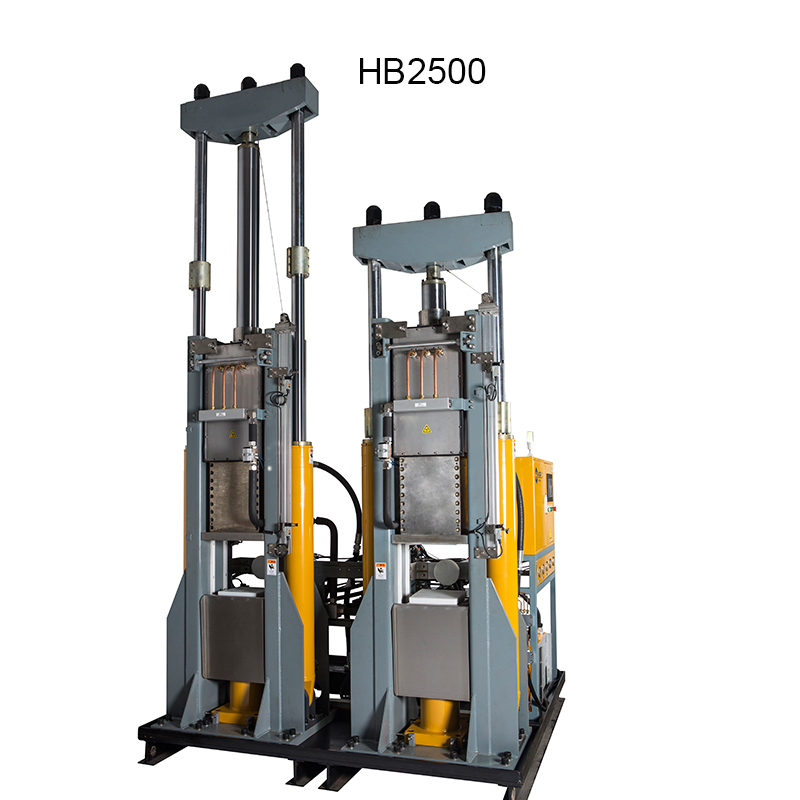
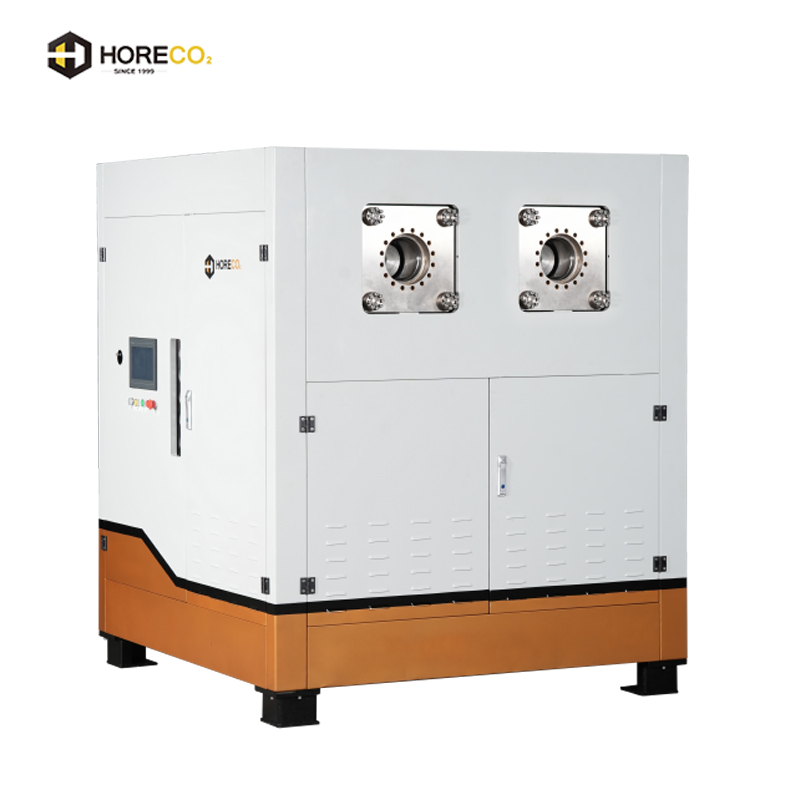
Have you ever wondered if there's a smarter, more sustainable way to produce dry ice that tackles the inefficiencies plaguing industries today? Imagine a manufacturing plant grappling with inconsistent dry ice quality or a food processing facility facing skyrocketing operational costs—these aren't just hypothetical scenarios, but real challenges that demand a transformative solution. In this deep dive, we'll explore how CO2-based dry ice production is revolutionizing the field, offering a path forward that's both technically advanced and economically viable.
Pain Points: The Hidden Costs of Traditional Methods
Industries relying on dry ice often face significant hurdles that impact both productivity and profitability. One major pain point is inconsistent quality and supply reliability. For instance, in the automotive sector, where dry ice blasting is used for precision cleaning of molds and components, fluctuations in pellet density or size can lead to incomplete cleaning, necessitating rework. This not only delays production schedules—potentially costing up to $5,000 per hour in downtime—but also risks damaging sensitive equipment, adding repair expenses of $10,000 or more. Another critical issue is high operational costs and environmental concerns. In food processing, traditional dry ice production methods can consume excessive energy, driving up electricity bills by 20-30%, while the carbon footprint from inefficient processes contributes to sustainability challenges, potentially affecting regulatory compliance and brand reputation. A third pain point is limited scalability and maintenance complexity. For large-scale operations like aerospace manufacturing, existing systems may struggle to meet peak demand during tight project timelines, leading to bottlenecks. Moreover, frequent maintenance due to wear and tear from older technologies can incur annual costs of $15,000-$25,000 in parts and labor, diverting resources from core activities.
Solutions: How CO2-Based Technology Transforms Production
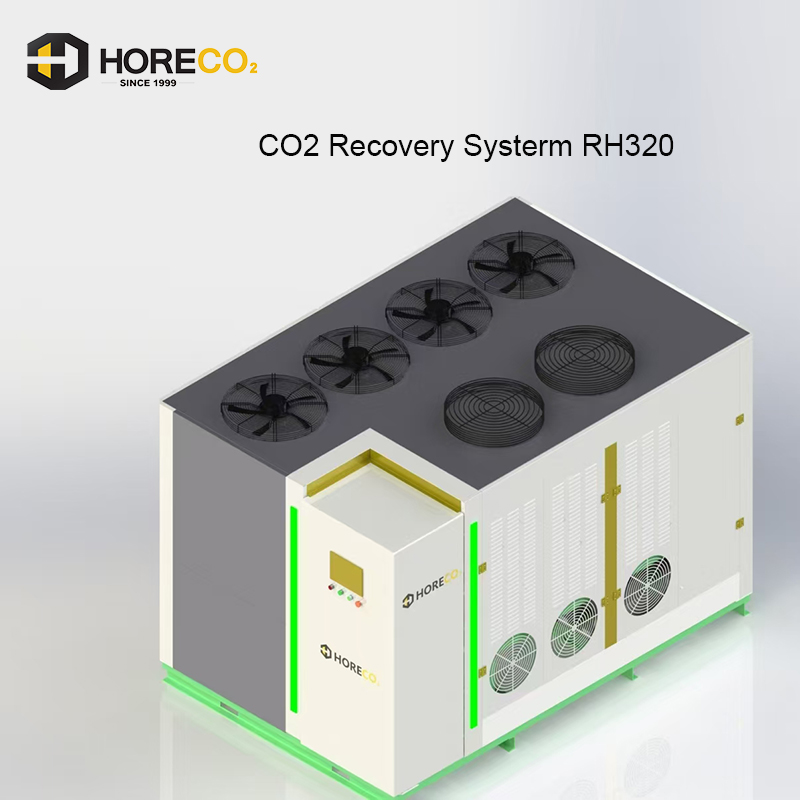
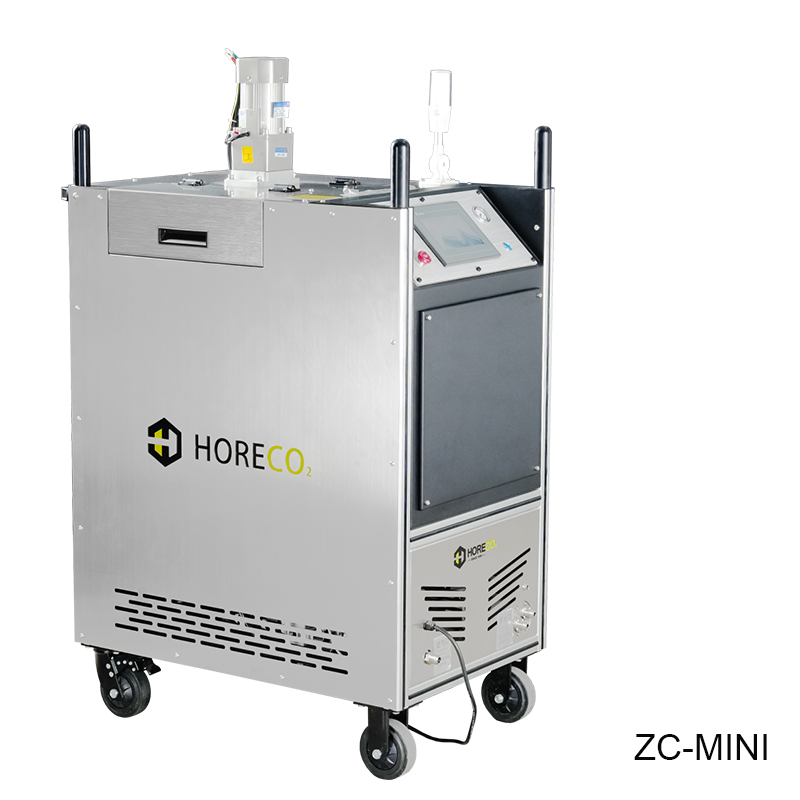
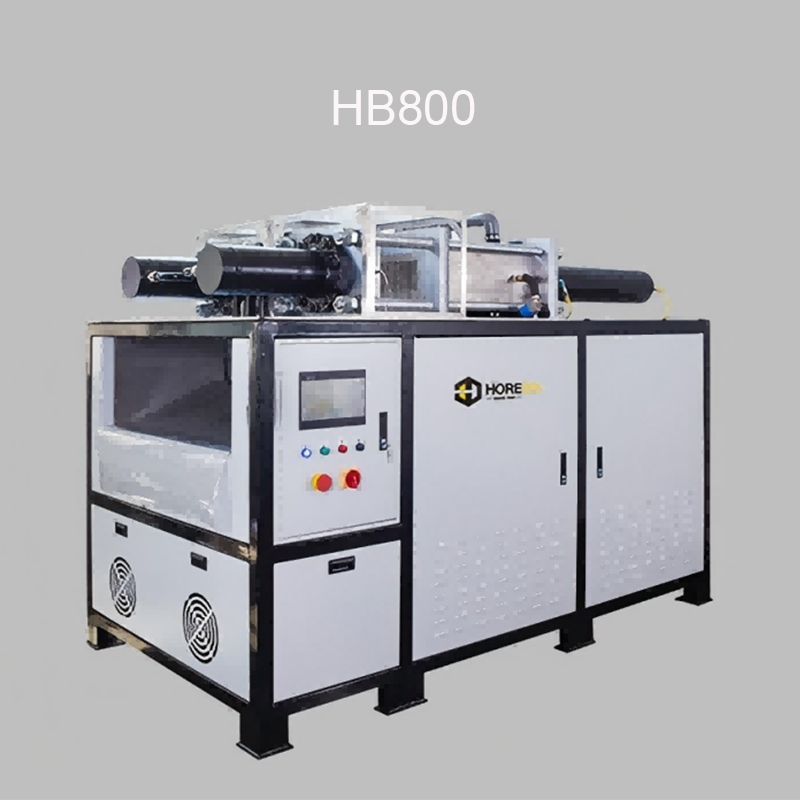
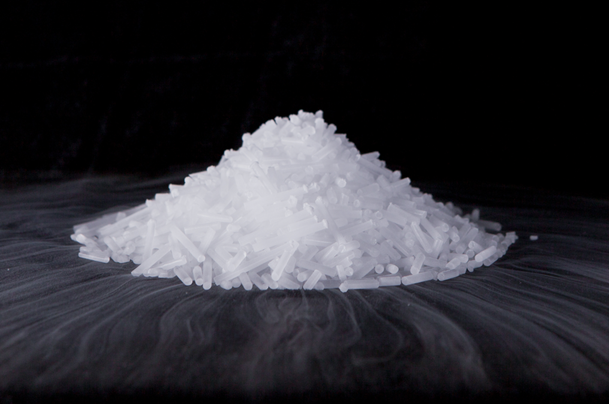
Addressing these challenges requires a robust technological approach. For quality and reliability issues, CO2-based dry ice makers leverage advanced compression and cooling systems that ensure uniform pellet formation. By precisely controlling pressure and temperature parameters—often adhering to standards like ISO 9001—these systems produce consistent dry ice with densities optimized for specific applications, reducing waste by up to 15%. To combat high costs and environmental impact, innovative designs incorporate energy-efficient components such as variable-speed drives and heat recovery units. This can cut energy consumption by 25-40%, while utilizing reclaimed CO2 from industrial processes minimizes greenhouse gas emissions, aligning with ESG goals. For scalability and maintenance, modular architectures allow easy expansion, with some systems capable of increasing output by 50% through add-on units. Additionally, predictive maintenance features, enabled by IoT sensors, monitor performance in real-time, slashing downtime by 30% and extending equipment lifespan by 20% through proactive part replacements.
Client Success Stories: Real-World Impact
Across the globe, companies have harnessed CO2-based dry ice production to achieve remarkable results. In Germany, an automotive parts manufacturer reduced cleaning time by 40% and lowered material costs by $12,000 annually after implementing a system from HORECO2 Dry Ice Blasting Equipment & Service Co., Ltd. A plant manager noted, 'This technology has streamlined our operations like never before.' In the United States, a food packaging facility in California saw a 30% drop in energy bills and a 50% reduction in CO2 emissions, with a procurement officer stating, 'It's a game-changer for our sustainability efforts.' In Japan, an electronics firm improved production efficiency by 25% and cut maintenance expenses by $8,000 per year, while a Canadian aerospace company reported a 35% increase in output during peak periods. In Australia, a mining operation enhanced safety and reduced downtime by 20%, with an engineer remarking, 'The reliability is unmatched.'
Applications and Partnerships: Expanding Reach
CO2-based dry ice production finds use in diverse sectors. In industrial cleaning, it's ideal for removing contaminants from machinery without residue. In food and beverage, it preserves perishables during transport. In healthcare, it sterilizes medical devices. HORECO2 collaborates with key partners to drive innovation. For example, a partnership with a European engineering firm has led to co-developed systems that integrate AI for optimized performance. Procurement deals with major corporations in the manufacturing sector, such as a multi-year agreement with a global automotive supplier, ensure steady adoption and feedback loops for continuous improvement.
FAQ: Technical Insights for Engineers and Managers
1. Q: How does CO2-based production compare to traditional methods in terms of output consistency? A: CO2 systems use closed-loop controls to maintain stable pressure (typically 5-10 bar) and temperature (-78.5°C), resulting in pellets with ±2% density variation, versus ±10% in older methods, ensuring reliable performance for critical applications.
2. Q: What are the energy requirements, and can they be integrated with renewable sources? A: These systems require 20-30 kW per ton of dry ice, with options to connect to solar or wind power via inverters, reducing grid dependency by up to 50% in hybrid setups.
3. Q: How scalable are these systems for large facilities? A: Modular designs allow incremental capacity boosts—e.g., adding 500 kg/hour units—with cloud-based management for centralized oversight, supporting growth without full system overhauls.
4. Q: What maintenance is involved, and what's the typical lifespan? A: Routine checks focus on compressor seals and filters, with predictive alerts via IoT. Lifespan exceeds 10 years with proper care, backed by HORECO2's service plans.
5. Q: Can this technology handle varying CO2 purity levels from source gases? A: Yes, integrated purification stages, such as molecular sieves, ensure input CO2 meets 99.9% purity standards, adapting to industrial byproducts without compromising output quality.
Conclusion and Call-to-Action: Your Next Step
CO2-based dry ice production isn't just a technical upgrade—it's a strategic investment that enhances efficiency, cuts costs, and supports sustainability. By addressing core industry pain points with proven solutions, this technology empowers businesses to thrive in competitive markets. Ready to explore how it can transform your operations? Contact our sales engineers at HORECO2 for a personalized consultation or download our detailed technical whitepaper to dive deeper into the specifications and case studies. Let's build a cleaner, more productive future together.
