

Introduction: The Unseen Bottleneck
Imagine this: It's Tuesday morning on your high-precision automotive parts production line. A critical CNC machine has just gone down for its scheduled maintenance. The technician opens the cabinet, and there it is—a stubborn layer of hardened coolant residue, mixed with fine metal swarf, clinging to delicate servo motors and circuit boards. The usual protocol? Manual scraping with solvents, compressed air, and hours of downtime. As the production manager eyes the clock, calculating the cost per minute of halted output, a question nags: Isn't there a smarter, faster way to tackle this without risking damage or creating more mess? This is where the small dry ice blaster steps out of the shadows and into the spotlight.
Pain Point 1: The Time and Cost Spiral of Traditional Cleaning
In sectors like aerospace, medical device manufacturing, or electronics assembly, cleanliness isn't just about aesthetics; it's a non-negotiable for quality control and equipment longevity. Traditional methods—using chemical solvents, abrasive media, or manual labor—often create a cascade of inefficiencies. For instance, abrasive blasting with materials like sand or plastic beads can leave secondary contamination, requiring additional cleaning steps. Solvents, while effective on some residues, pose disposal challenges, volatile organic compound (VOC) emissions, and health risks to operators, leading to compliance costs and potential fines. A mid-sized food processing plant might spend upwards of $15,000 annually on solvent procurement and hazardous waste disposal alone, not to mention the 20-30% longer downtime per cleaning cycle compared to dry methods. The impact? Reduced overall equipment effectiveness (OEE), inflated operational budgets, and a lingering environmental footprint.
Pain Point 2: Balancing Aggressive Cleaning with Delicate Surfaces
Another critical issue is the paradox of needing thorough contamination removal without damaging sensitive substrates. In semiconductor fabrication or historical restoration, surfaces can include fragile composites, polished metals, or aged materials. Aggressive techniques might clean effectively but risk micro-scratches, material degradation, or thermal stress. For example, using high-pressure water or steam on electrical components can introduce moisture, leading to corrosion and failure—a single instance costing thousands in replacements and production halts. This dilemma forces engineers into a trade-off: compromise on cleanliness or accept the risk of asset damage, both of which erode bottom-line profitability and reliability.
Solution: How Small Dry Ice Blasters Crack the Code
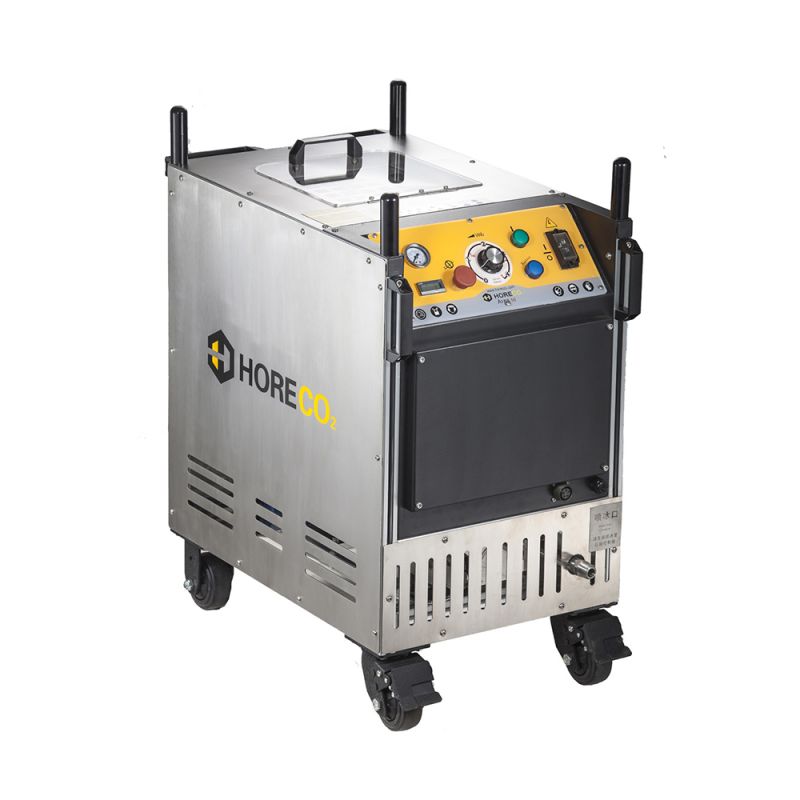
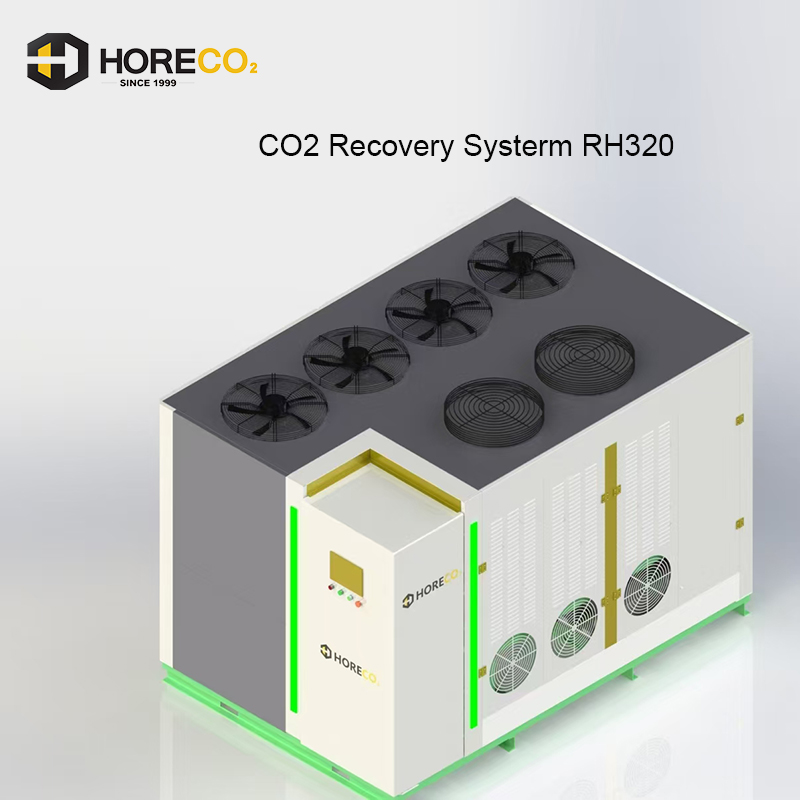
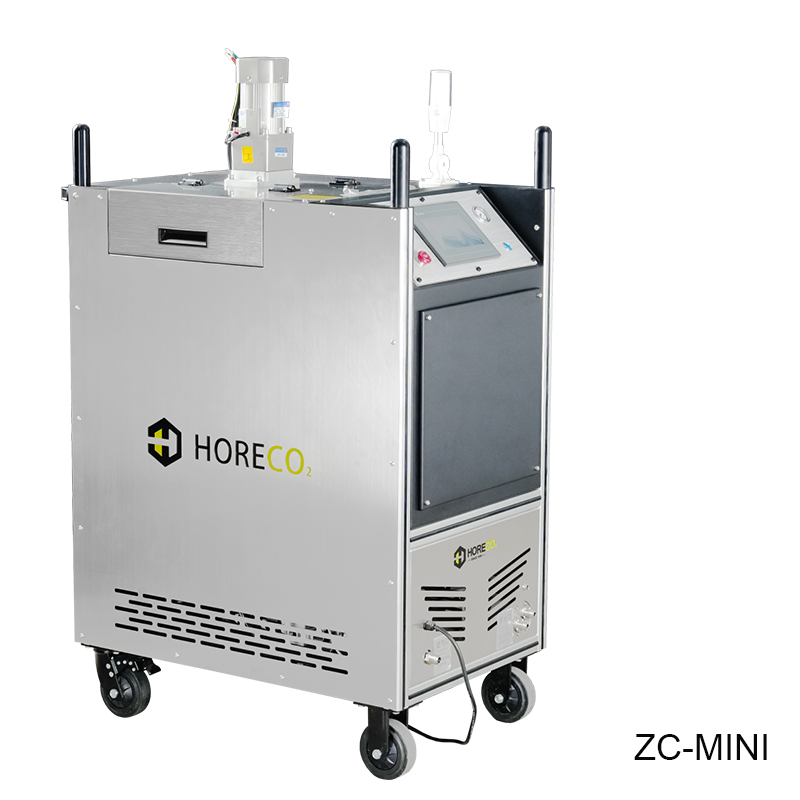
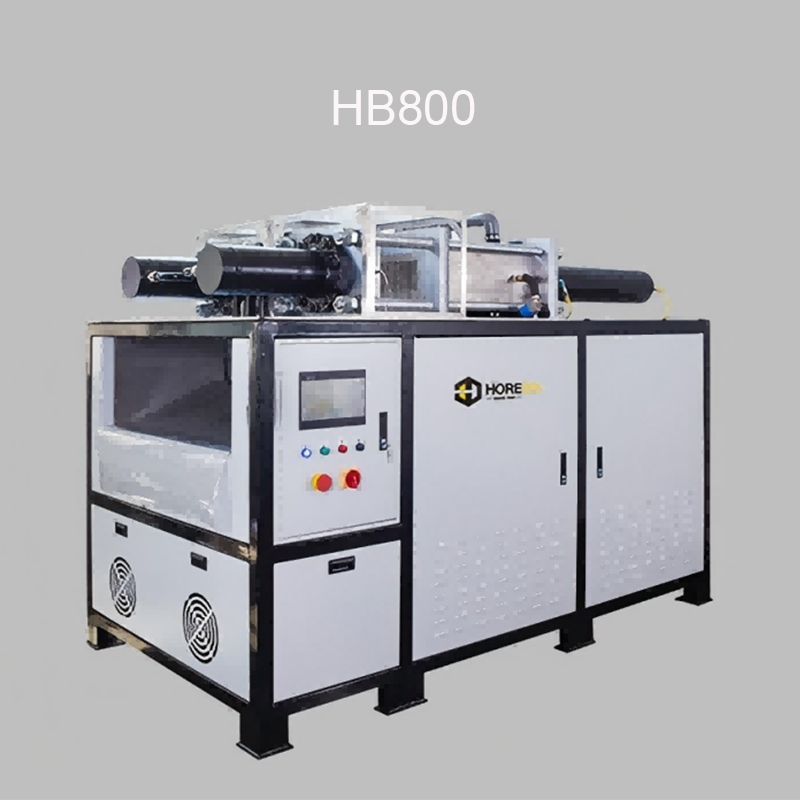
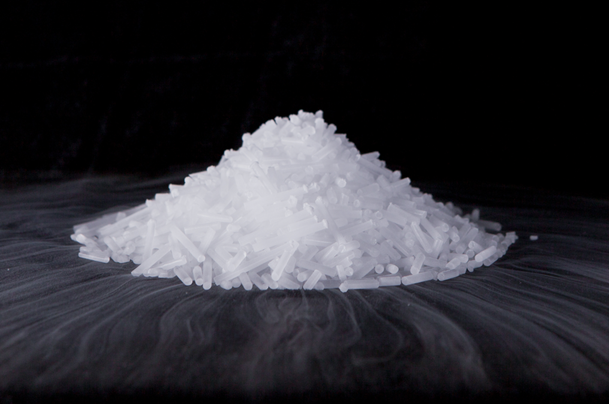
Enter the small dry ice blaster, a technology that seems almost too elegant in its simplicity. Developed and refined by companies like HORECO2 Dry Ice Blasting Equipment & Service Co., Ltd., these systems leverage solid carbon dioxide (dry ice) pellets accelerated by compressed air. Upon impact, the pellets sublime—transitioning directly from solid to gas—creating micro-thermal shocks that fracture contaminants away from the surface. Unlike abrasives, there's no secondary media to clean up; unlike solvents, there's no chemical residue or VOC emissions. The "small" designation refers to compact, mobile units designed for precision tasks, offering maneuverability in tight spaces without sacrificing power. For Pain Point 1, this translates to a 40-60% reduction in cleaning time per session, as shown in internal benchmarks, and elimination of hazardous waste costs. For Pain Point 2, the non-abrasive, non-conductive nature of dry ice means it can safely clean circuit boards, injection molds, or even delicate artworks without surface alteration, preserving asset integrity while achieving contamination levels as low as 5 microns.
Case Study 1: Precision Aerospace Component Manufacturer in Munich, Germany
This supplier of turbine blades faced recurring issues with polymer release agents baked onto intricate geometries after heat treatment. Traditional solvent wiping took 8 hours per batch, with a 15% rejection rate due to residual films affecting coating adhesion. After integrating a HORECO2 small dry ice blaster, cleaning time dropped to 3 hours, rejection rates fell to 2%, and annual savings on solvents and disposal topped €25,000. "We've cut downtime by over 60% while improving part quality—it's a game-changer for our lean manufacturing goals," notes the plant engineer.
Case Study 2: Pharmaceutical Packaging Facility in Toronto, Canada
Struggling with powder residues on tablet press tooling, this facility dealt with cross-contamination risks and lengthy sanitization protocols involving disassembly and autoclaving. The small dry ice blaster enabled in-place cleaning without disassembly, reducing changeover time from 4 hours to 45 minutes and increasing production uptime by 18%. Microbial testing showed a 99.9% reduction in particulate contamination. "Our compliance audits are smoother, and we've boosted output without expanding shifts," reports the operations manager.
Case Study 3: Automotive EV Battery Producer in California, USA
With lithium-ion battery assembly requiring pristine environments, adhesive overspray on robotic arms caused alignment errors and downtime. Previous methods used isopropyl alcohol wipes, leaving streaks and requiring frequent glove changes. The dry ice system removed residues in 10-minute cycles versus 30 minutes manually, improving robot accuracy by 12% and reducing material waste by $8,000 monthly. "It's the precision we needed for zero-defect standards in EV manufacturing," says the quality assurance lead.
Applications and Partnerships: Where Expertise Meets Innovation
Small dry ice blasters excel in niche but critical applications: cleaning 3D printing beds of polymer residues, degreasing conveyor systems in food processing without water ingress, restoring historical monuments without abrasion, and maintaining surgical instrument cleanliness in hospitals. HORECO2 collaborates with global partners like Precision Tooling Alliance in the UK for mold cleaning solutions and EcoClean Tech in Australia for sustainable industrial services, ensuring localized support and continuous R&D. These partnerships stem from shared commitments to efficiency and sustainability, with joint projects demonstrating 30-50% lifecycle cost savings over conventional methods.
FAQ: Answering the Tough Questions from the Field
Q1: How does dry ice blasting compare to CO2 snow blasting in terms of particle size and impact energy?
A: Dry ice blasting uses solid pellets typically 3 mm in diameter, sublimating on impact for thermal and kinetic energy transfer. CO2 snow blasting emits finer snow-like particles, better for very light contamination. For most industrial applications, pellets offer deeper penetration and faster cleaning, with impact energies adjustable from 5-50 joules via pressure controls.
Q2: What are the operational costs, factoring in dry ice consumption and compressor requirements?
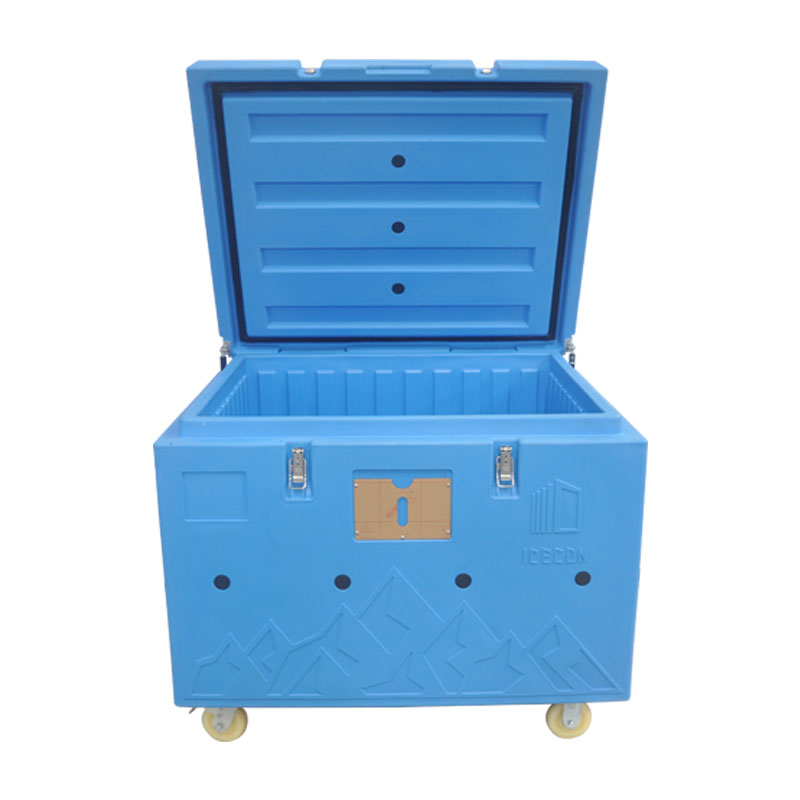
A: A small unit consumes 1-3 kg of dry ice per hour, costing $2-5/kg depending on region. Compressor needs range from 5-10 CFM at 80-120 PSI, often leveraging existing plant air systems. Total hourly operational cost is $10-20, versus $30-50 for solvent-based methods including disposal.
Q3: Can it handle high-temperature surfaces or flammable environments?
A: Yes, but with precautions. Dry ice sublimates at -78.5°C, making it safe for surfaces up to 200°C; above that, rapid sublimation reduces efficacy. In flammable settings, the non-sparking nature of dry ice and air is an advantage, but proper ventilation is required to prevent CO2 buildup, adhering to OSHA or EU-OSHA limits of 5,000 ppm.
Q4: What maintenance does the blaster itself require, and what's the typical lifespan?
A: Routine maintenance includes nozzle inspection for wear (replace every 500-1000 hours), filter checks, and lubrication of moving parts. With proper care, units last 7-10 years, supported by HORECO2's service plans that include annual calibrations and parts warranties.
Q5: How do we validate cleaning efficacy for ISO or FDA standards?
A: Protocols involve pre- and post-cleaning swab tests for particulate counts, with many clients achieving ISO 14644-1 Class 7 or better. HORECO2 provides validation kits and documentation templates, aligning with standards like FDA 21 CFR Part 11 for traceability.
Conclusion and Call to Action: Your Next Step Toward Efficiency
Small dry ice blasters aren't just another tool; they're a strategic asset in the push for sustainable, high-efficiency manufacturing. By addressing core pain points—from cost overruns to delicate surface demands—they offer a proven path to enhanced productivity and compliance. If this resonates with your operational challenges, dive deeper. Download our comprehensive technical whitepaper, "Precision Cleaning with Dry Ice: A Data-Driven Guide," for detailed case analyses and ROI calculators. Or, connect directly with a HORECO2 sales engineer for a customized assessment—because the best solutions start with a conversation tailored to your floor's unique needs.
