

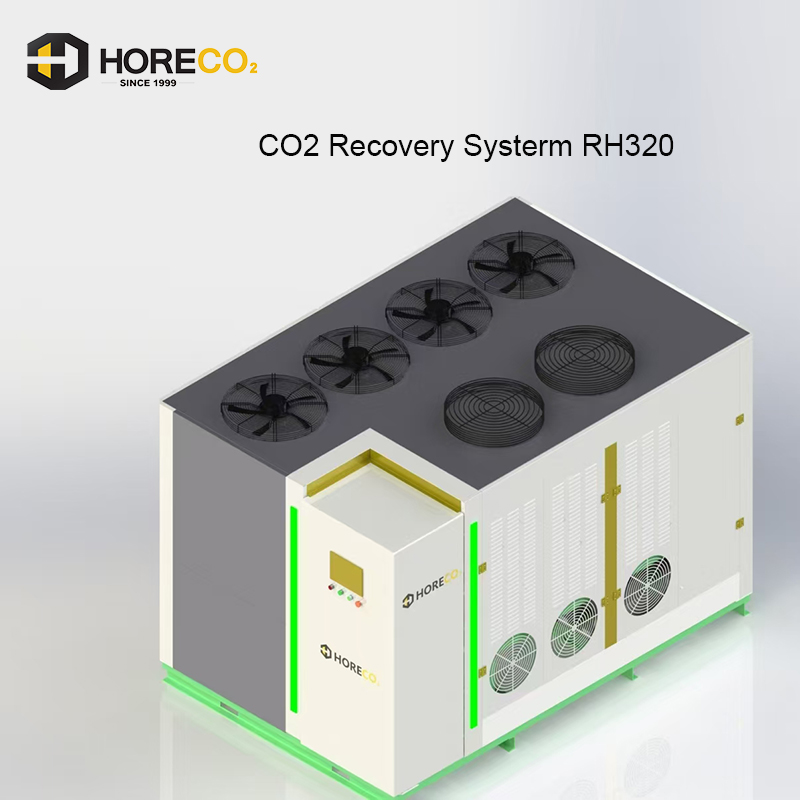
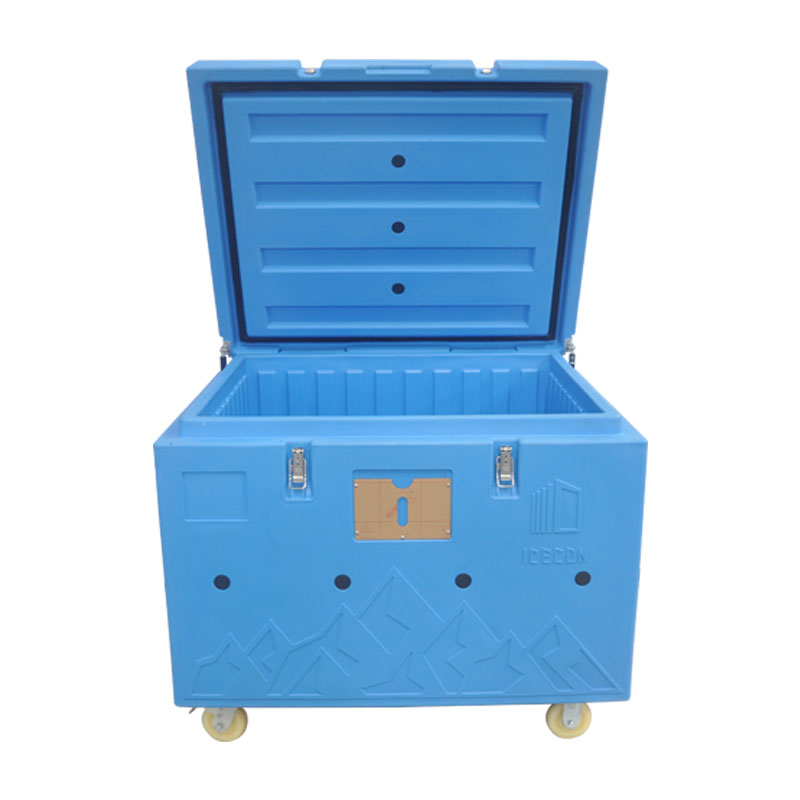
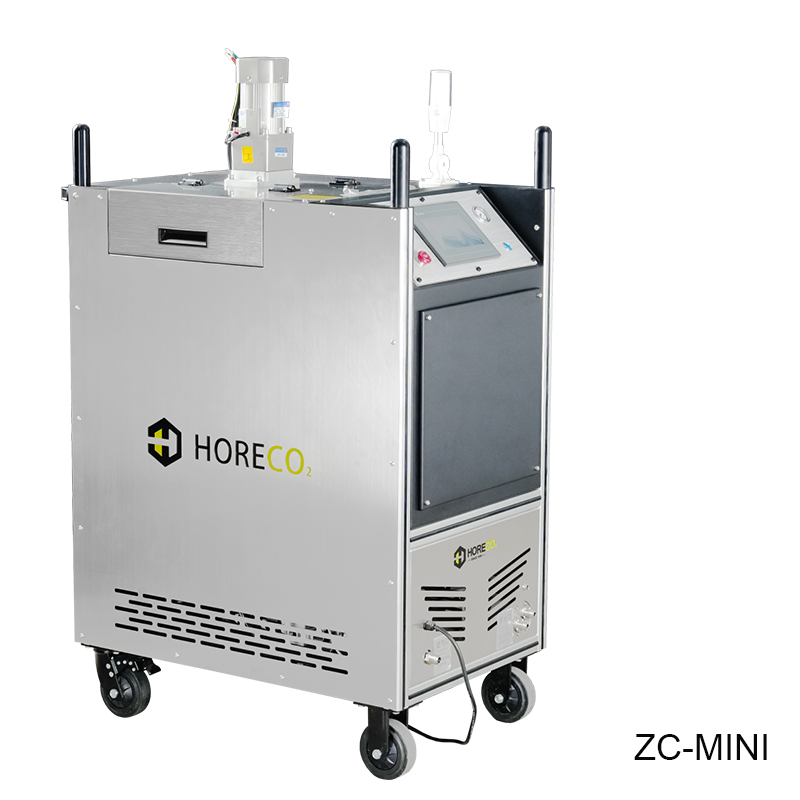
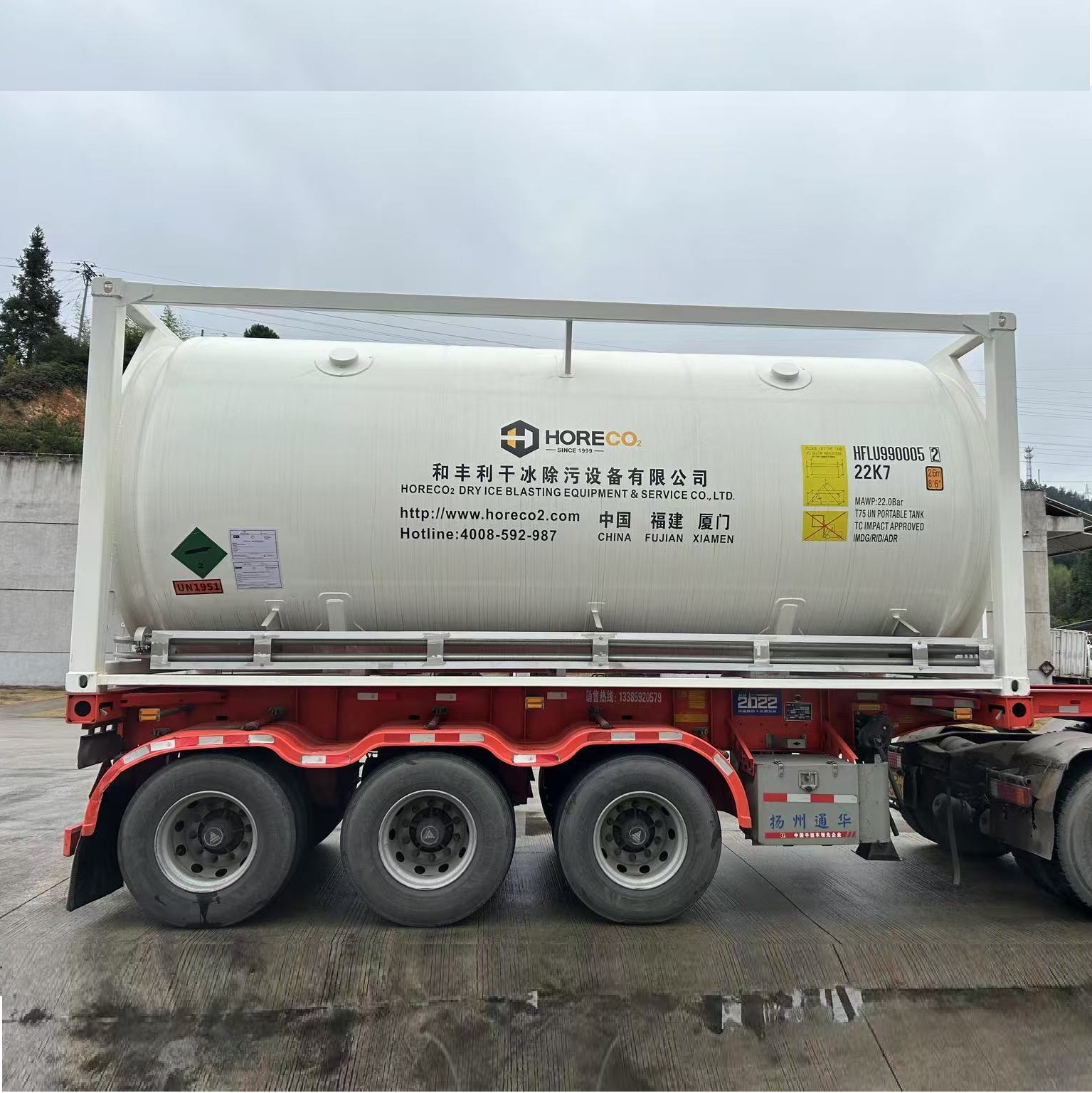
Picture this: a pharmaceutical lab in Frankfurt receives a critical vaccine shipment, only to find the dry ice has sublimated prematurely, compromising the entire batch. The root cause? A seemingly minor flaw in the storage container’s insulation. This scenario, while fictional, echoes real frustrations across industries reliant on dry ice. Are Your Dry Ice Storage Containers Costing You More Than They Save? It’s not just about storage—it’s about efficiency, safety, and the bottom line.
Dry ice, solid carbon dioxide at -78.5°C (-109.3°F), is indispensable in sectors like healthcare, food logistics, and aerospace. Yet, its volatile nature demands containers that go beyond basic insulation. Many users underestimate the long-term costs of subpar storage solutions, from wasted product to operational downtime. This blog delves into why choosing the right container is a strategic investment, not an afterthought.
Pain Points in Dry Ice Storage
1. Insulation Failure and Rapid Sublimation: Inadequate insulation leads to dry ice sublimating faster than expected. For instance, a standard container might lose 5-10% of dry ice daily, forcing frequent replenishment. In a biotech facility in Boston, this meant extra shipments every 48 hours, adding $15,000 annually in logistics and material costs. The impact extends beyond money—temperature-sensitive samples can degrade, risking research integrity.
2. Inefficient Logistics and Handling: Bulky, non-ergonomic containers increase labor time and injury risks. A European food distributor reported that loading/unloading standard containers added 20 minutes per shift per worker, translating to over 200 lost hours yearly. Moreover, poor weight distribution in transit can cause spills or accidents, with potential liability costs exceeding $50,000 per incident.
3. Contamination and Safety Risks: Low-quality materials, like certain plastics, can off-gas or crack at extreme temperatures, contaminating stored items. In a medical supply chain in Tokyo, this led to a recall of sterile instruments, costing $100,000 in replacements and reputational damage. Additionally, improper venting designs can cause CO2 buildup, posing asphyxiation hazards in confined spaces.
Technical Solutions for Optimal Storage
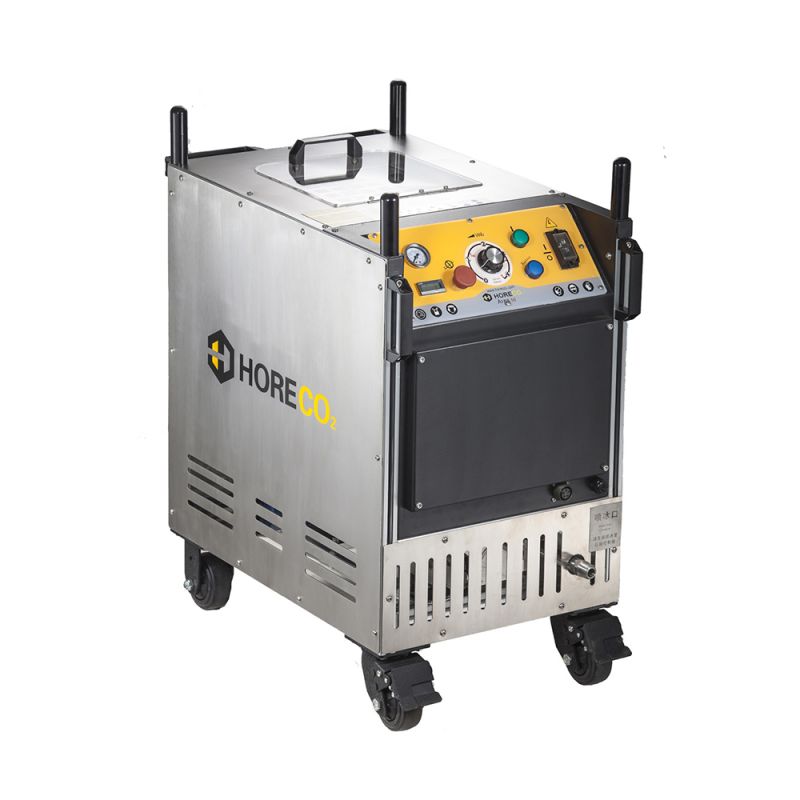
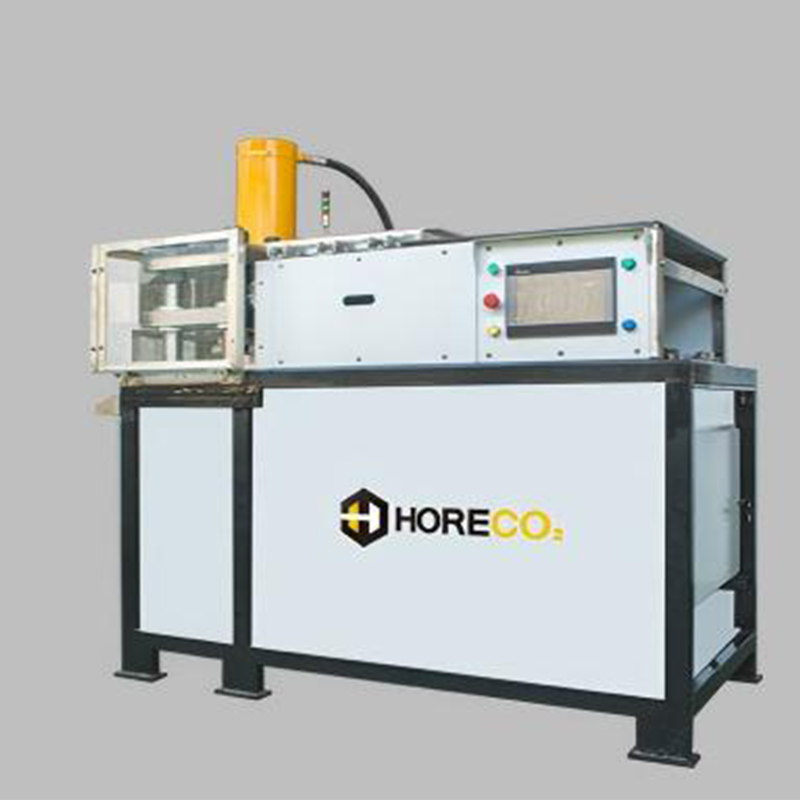
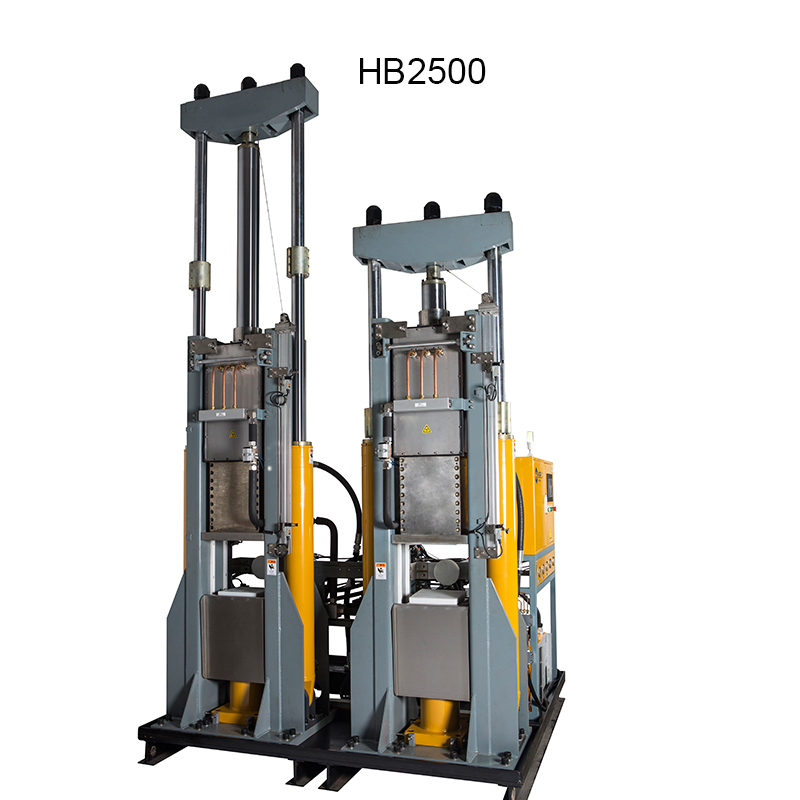
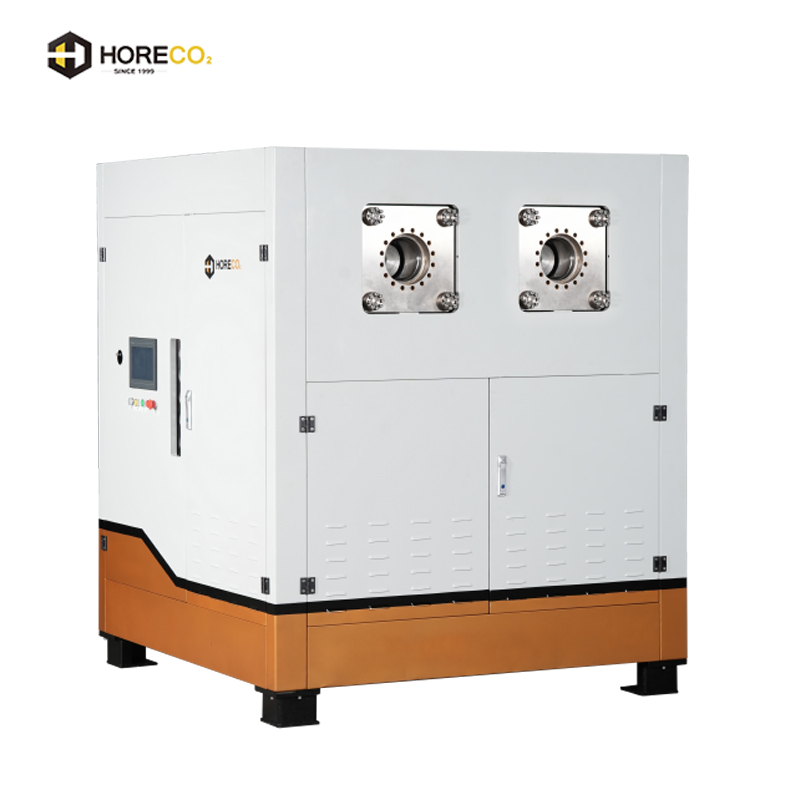
Addressing these issues requires advanced engineering. HORECO2 Dry Ice Blasting Equipment & Service Co., Ltd. specializes in high-performance containers that mitigate these pain points. Their solutions include:
1. Multi-Layer Vacuum Insulation: Using aerospace-grade materials, these containers reduce sublimation rates to below 2% daily. The design incorporates a vacuum-sealed layer with reflective barriers, tested to ASTM C1484 standards for thermal resistance. This ensures consistent temperatures for up to 10 days, slashing replenishment needs.
2. Ergonomic and Modular Designs: Containers feature lightweight composites with handles and wheels for easy mobility. For example, a stackable model allows vertical storage, cutting warehouse space by 30%. Integrated sensors monitor internal temperature and CO2 levels, sending alerts via IoT connectivity to prevent mishaps.
3. Food-Grade and Medical-Grade Materials: Made from FDA-approved polymers and stainless steel, these containers resist corrosion and contamination. Patented venting systems ensure safe CO2 release, with filters to maintain purity. Regular maintenance services from HORECO2 include leak testing and calibration, extending container lifespan beyond 5 years.
Client Case Studies and Testimonials
1. BioPharm Solutions, Zurich, Switzerland: This biotech firm switched to HORECO2 containers for storing lab samples. Over six months, dry ice usage dropped by 40%, saving $12,000. A senior engineer noted, “The reliability has transformed our cold chain logistics—no more unexpected sublimation crises.”
2. Global Fresh Logistics, Melbourne, Australia: A seafood exporter adopted modular containers for shipping. They reduced handling time by 25% and cut product loss from temperature fluctuations by 15%, boosting annual profits by $50,000. The operations manager said, “These containers are a game-changer for our perishable goods.”
3. AeroTech Components, Seattle, USA: An aerospace manufacturer used HORECO2 containers for carbon composite curing processes. Improved insulation led to a 20% reduction in dry ice costs and enhanced safety, with zero contamination incidents in a year. A procurement lead commented, “The technical support and durability exceeded our expectations.”
4. MediCare Supplies, Berlin, Germany: This medical supplier integrated smart containers for vaccine storage. Real-time monitoring prevented spoilage, saving $30,000 in wasted inventory. A quality assurance officer shared, “We’ve achieved unprecedented temperature stability.”
5. Frosty Delights Ice Cream, Toronto, Canada: A food retailer used containers for dry ice in displays. They extended display life by 50% and reduced CO2 leakage, improving customer safety. The owner remarked, “It’s made our operations smoother and more cost-effective.”
Applications and Partnerships
HORECO2 containers serve diverse applications: pharmaceutical cold chains, food preservation, industrial cleaning (for dry ice blasting media storage), and research labs. Key partnerships include procurement agreements with multinationals like PharmaGlobal Inc. and LogiChain Corp., who rely on these containers for ISO-compliant supply chains. Collaborations with universities, such as technical trials at MIT, validate performance under extreme conditions.
FAQ Section
1. Q: How do I calculate the right container size for my dry ice needs?
A: Consider daily usage, ambient temperature, and storage duration. Use the formula: Required volume (L) = (Daily consumption in kg × Sublimation rate %) / Density of dry ice (~1.5 kg/L). For precise sizing, consult HORECO2’s engineers for a thermal load analysis based on your specific environment.
2. Q: What materials are best for preventing contamination in medical storage?
A: Opt for containers with 316L stainless steel interiors and FDA-approved silicone gaskets. These resist chemical interactions and are easy to sterilize. Avoid polycarbonates that may degrade at low temperatures, as per ISO 13485 standards for medical devices.
3. Q: Can these containers integrate with existing IoT monitoring systems?
A: Yes, many models feature Bluetooth or Wi-Fi-enabled sensors that sync with platforms like AWS IoT or custom dashboards. They provide data on temperature, CO2 levels, and lid status, with APIs for seamless integration into your logistics software.
4. Q: What maintenance is required to ensure long-term performance?
A: Schedule biannual checks for insulation integrity and seal wear. HORECO2 offers service packages including pressure testing and component replacement. Proper cleaning with non-abrasive agents prevents material fatigue, extending life beyond typical 3-5 year spans.
5. Q: How do venting designs affect safety in confined spaces?
A: Effective vents use passive diffusion systems with HEPA filters to control CO2 release, keeping concentrations below OSHA’s 5,000 ppm limit. Models with adjustable vents allow customization based on room size, crucial for labs or storage areas with limited ventilation.
Conclusion and Call to Action
In summary, superior dry ice storage containers are pivotal for cost savings, safety, and efficiency. By addressing insulation, logistics, and contamination issues, they protect investments and enhance operational flow. HORECO2’s expertise in high-end manufacturing ensures solutions tailored to rigorous industry demands.
Ready to optimize your dry ice storage? Download our free technical whitepaper on advanced insulation technologies or contact our sales engineers for a personalized consultation. Visit [HORECO2 website] or email [contact info] to get started—because every degree of temperature control matters.
