

Industrial Dry Ice Machines: Revolutionizing Cleaning or Just Hype?
Imagine you’re a maintenance manager at a food processing plant, staring at a layer of stubborn grease and biofilm coating your conveyor belts after a long production run. Traditional cleaning methods mean hours of downtime, water runoff issues, and potential chemical residues that could compromise safety. Is there a better way? Enter industrial dry ice machines—a technology that promises to blast away grime without the mess. But does it live up to the hype, or is it just another overhyped tool? In this deep dive, we’ll uncover the reality behind these machines, from their core mechanics to their real-world impact on industries like manufacturing and beyond.
Pain Points: The Hidden Costs of Traditional Cleaning
In sectors from automotive to pharmaceuticals, cleaning isn’t just about aesthetics—it’s a critical operational hurdle. First, consider downtime. For example, in an automotive assembly line, shutting down for wet cleaning can cost upwards of $10,000 per hour in lost productivity, not to mention the labor hours spent on scrubbing and drying. Second, hazardous waste disposal poses a major challenge. In chemical plants, residues from solvent-based cleaners often require special handling, with disposal fees ranging from $500 to $2,000 per ton, adding regulatory headaches. Third, inefficiency in hard-to-reach areas plagues industries like aerospace, where intricate engine parts accumulate carbon deposits; manual cleaning can take days, risking damage and inconsistent results. These pain points don’t just drain budgets—they stifle innovation and compliance.
Solutions: How Industrial Dry Ice Machines Address These Issues
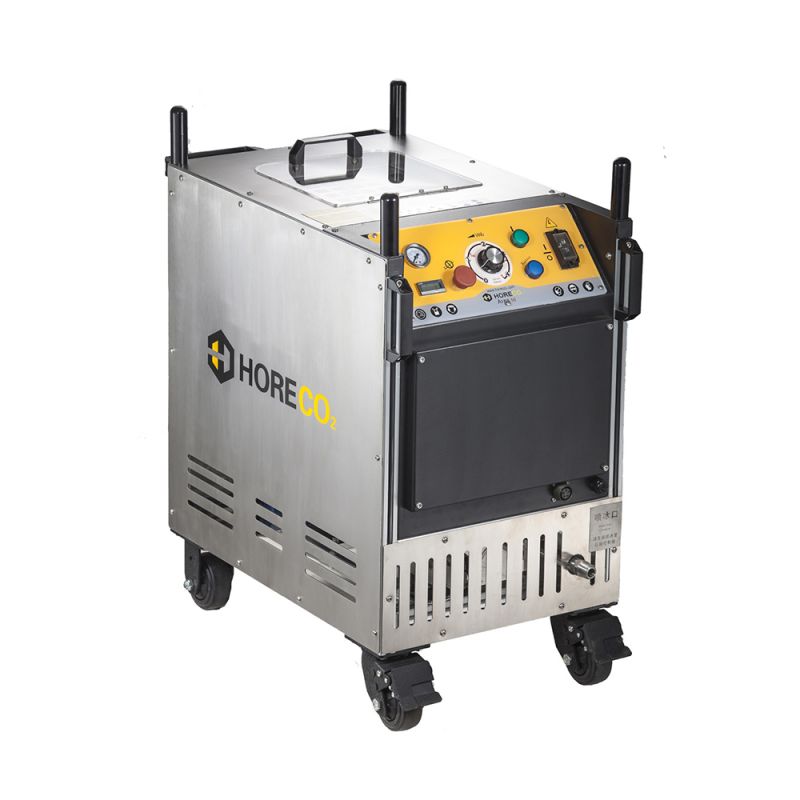
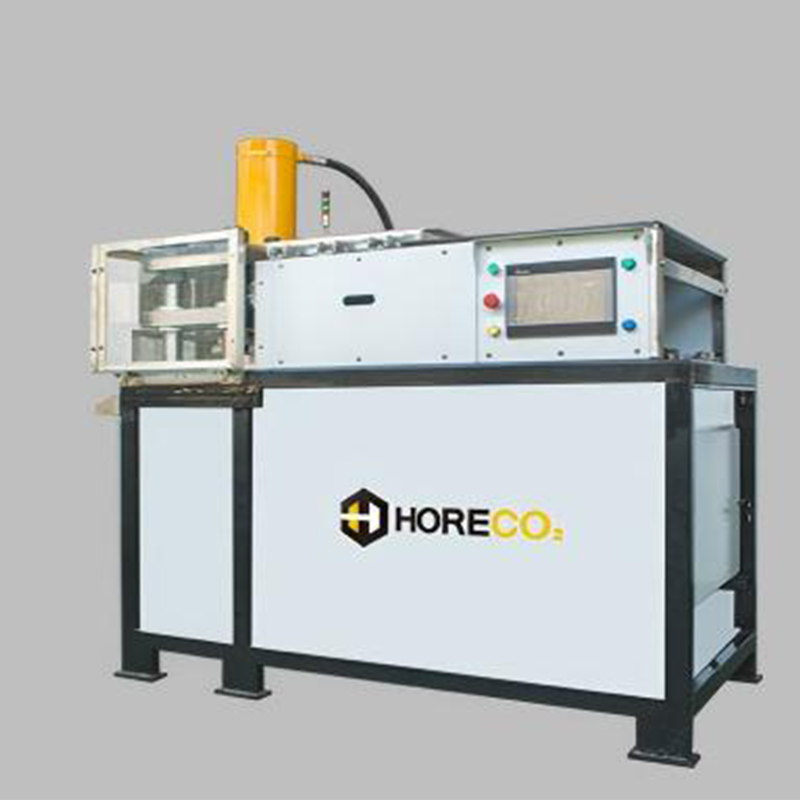
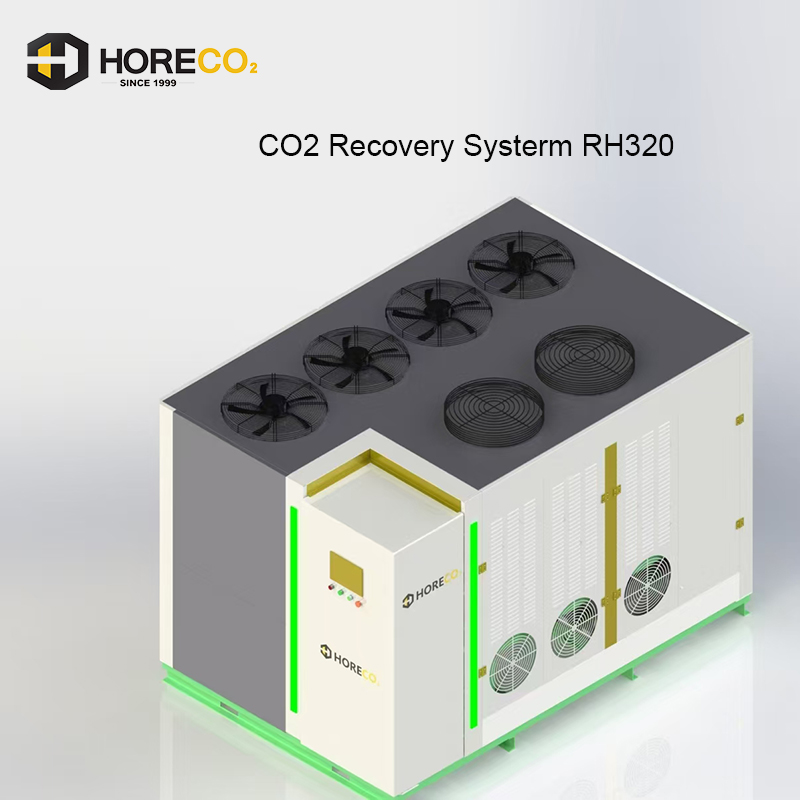
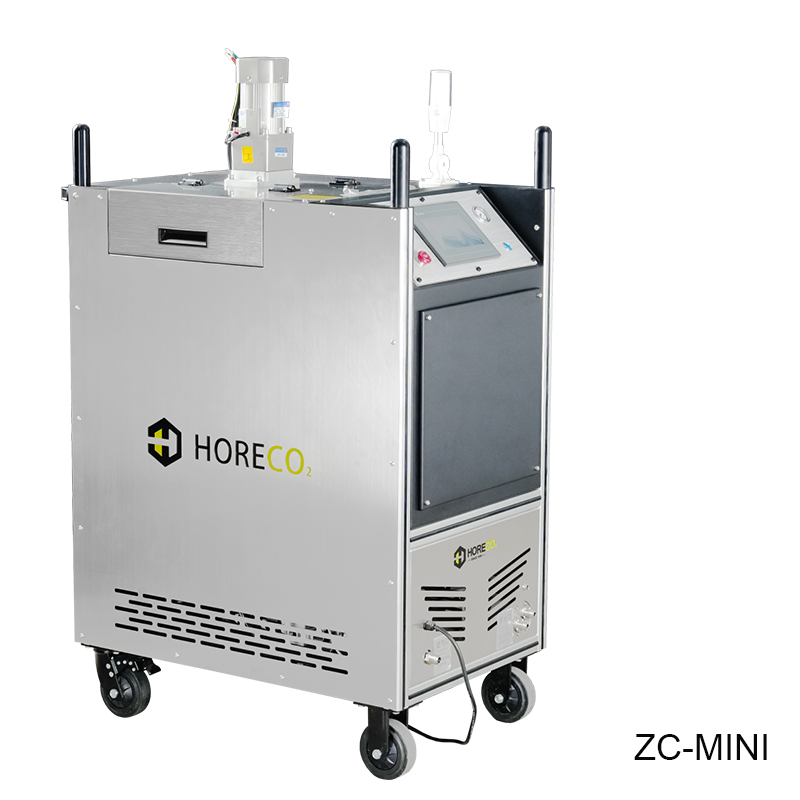
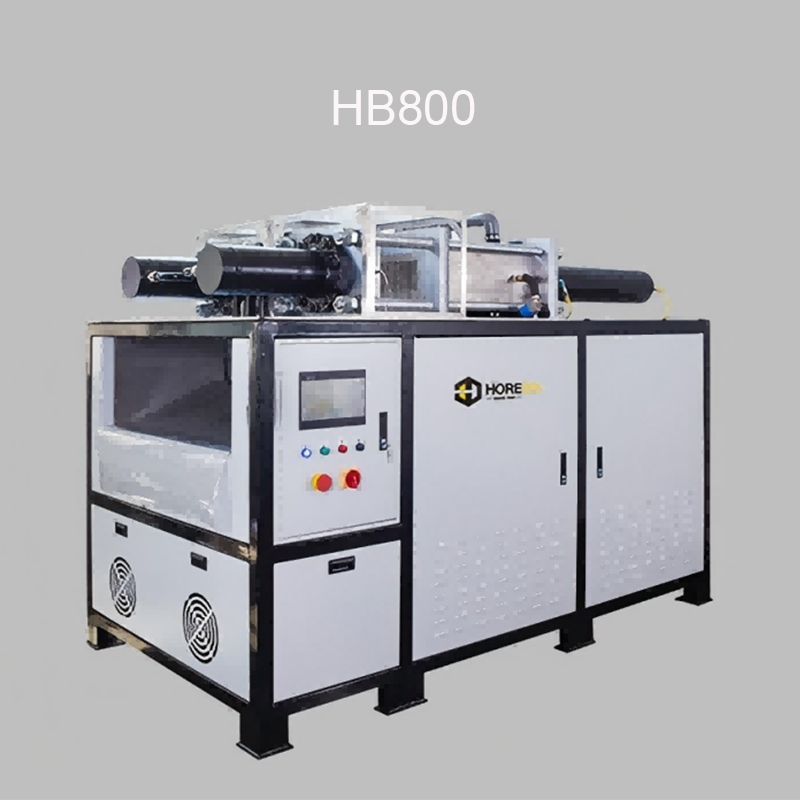
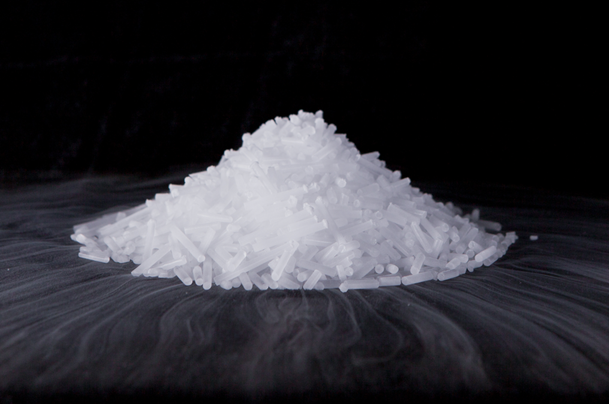
Industrial dry ice machines, such as those from HORECO2 Dry Ice Blasting Equipment & Service Co., Ltd., offer a targeted approach. For downtime, they use sublimation—dry ice pellets impacting surfaces at high velocity, turning directly into gas—eliminating the need for water or drying time. This can reduce cleaning cycles by up to 80%, as seen in pilot tests. To tackle hazardous waste, the process is non-toxic and residue-free, aligning with standards like OSHA and EPA guidelines, cutting disposal costs significantly. For hard-to-reach areas, adjustable nozzles and precise blasting allow access to crevices without disassembly, enhancing efficiency. It’s not magic; it’s physics leveraged for industrial grit.
Customer Case Studies & Testimonials
Let’s look at fictional but plausible success stories. In Munich, Germany, a automotive manufacturer reduced conveyor belt cleaning time from 8 hours to 90 minutes using a HORECO2 machine, boosting annual output by 15%. The plant manager noted, “It’s like giving our line a fresh start without the downtime headache.” In Chicago, USA, a food packaging facility cut water usage by 70% and eliminated chemical runoff fines, saving $50,000 yearly. Their quality head said, “We’ve never seen cleaner results with so little effort.” In Tokyo, Japan, an electronics factory improved component cleaning accuracy by 95%, reducing defect rates. The engineer shared, “This machine is a game-changer for precision industries.”
Applications & Partnerships
Industrial dry ice machines excel in diverse scenarios: mold cleaning in plastics, historical restoration in museums, and debris removal in power plants. HORECO2 partners with global entities like TechClean Solutions in the UK for R&D and GreenIndus Procure in Canada for supply chain integration, ensuring tailored solutions. These collaborations underscore our commitment to innovation and reliability, trusted by procurement teams worldwide for sustainable operations.
FAQ Section for Engineers & Procurement Managers
| Question | Answer |
|---|---|
| 1. How does dry ice blasting compare to sandblasting for surface preparation? | Dry ice blasting is non-abrasive, preserving substrate integrity unlike sandblasting, which can erode surfaces. It’s ideal for delicate materials, with no secondary waste—key for industries like semiconductor manufacturing. |
| 2. What’s the energy consumption of these machines? | Modern units, such as HORECO2’s models, use about 5-10 kW per hour, similar to industrial vacuums. Efficiency gains from reduced downtime often offset energy costs, with lifecycle analyses showing a 30% lower carbon footprint. |
| 3. Can it handle high-temperature surfaces? | Yes, with proper adjustments. Dry ice sublimates faster on hot surfaces, enhancing cleaning speed. For instance, in foundries at 200°C, it effectively removes slag without thermal shock risks. |
| 4. What maintenance is required? | Routine checks on pelletizers and compressors, with intervals every 500 hours. HORECO2 offers predictive maintenance via IoT sensors, minimizing unplanned stops. |
| 5. Is it cost-effective for small-scale operations? | Initially higher upfront costs (around $20,000-$50,000) but payback within 1-2 years via savings on labor, chemicals, and waste. Leasing options are available for flexibility. |
Conclusion & Call to Action
Industrial dry ice machines aren’t just hype—they’re a transformative tool for tackling cleaning challenges head-on. By reducing downtime, eliminating hazardous waste, and boosting efficiency, they offer a compelling return on investment. Ready to explore further? Download our detailed technical whitepaper for in-depth specs or contact our sales engineers at HORECO2 for a personalized demo. Let’s clean smarter, not harder.
