

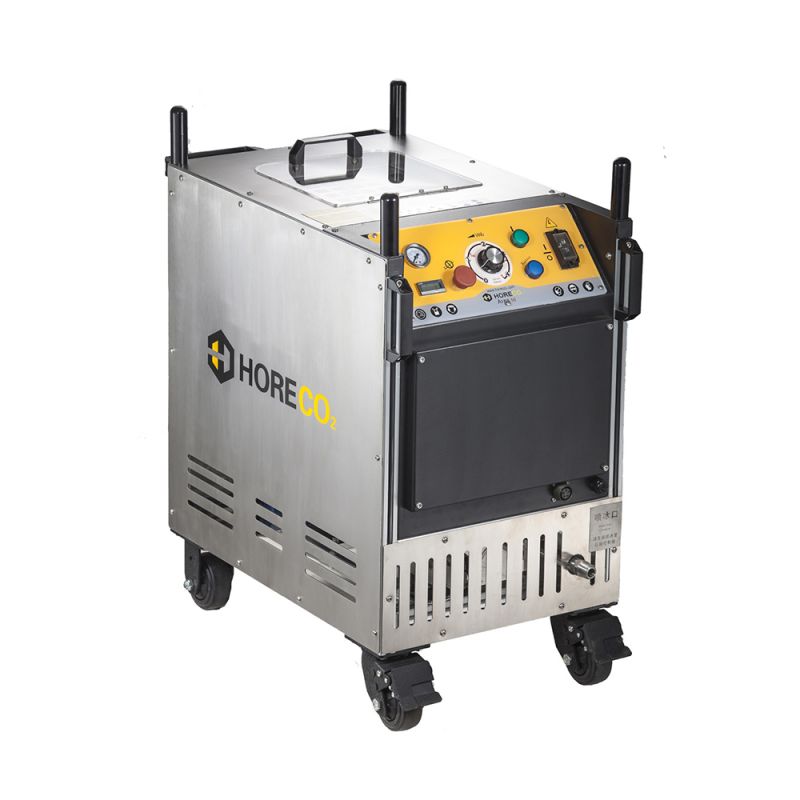
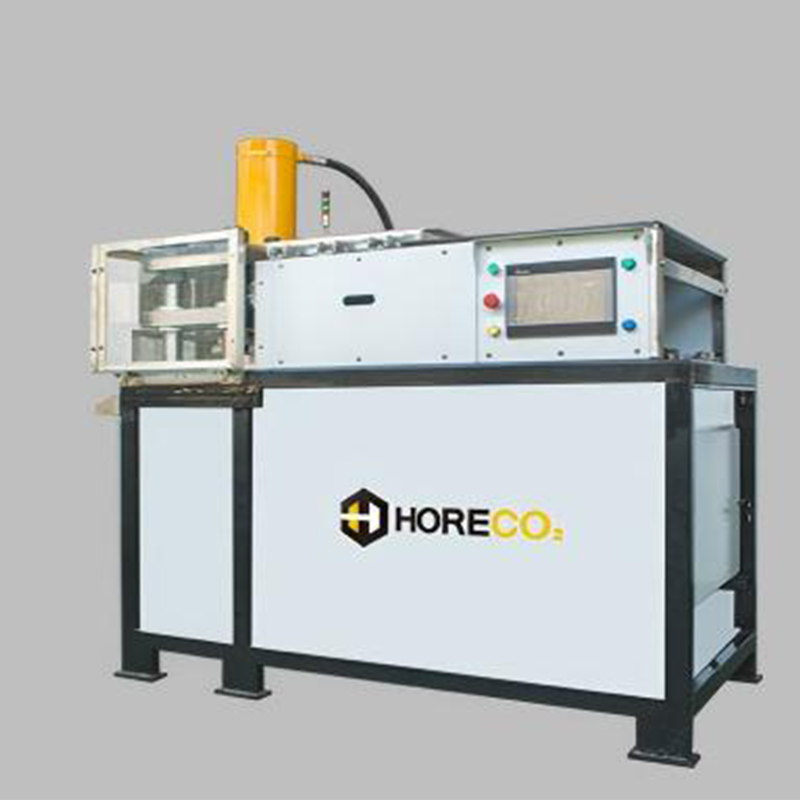
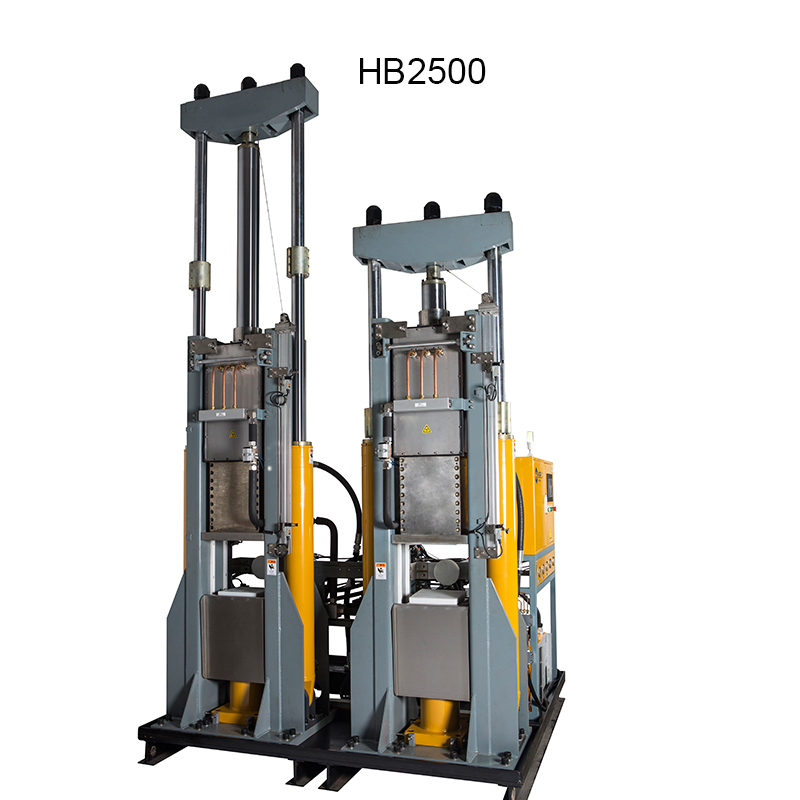
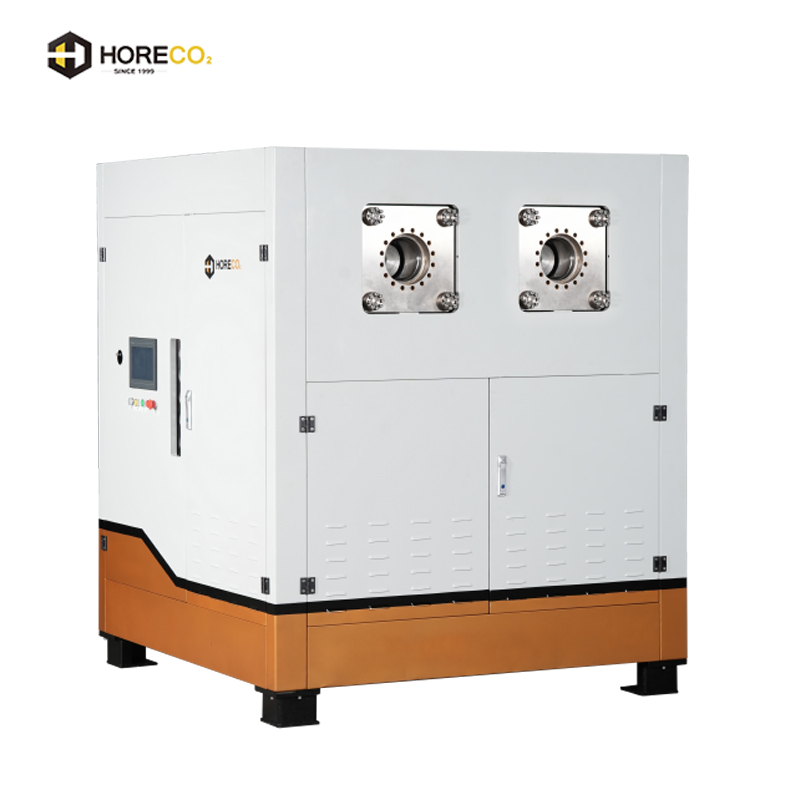
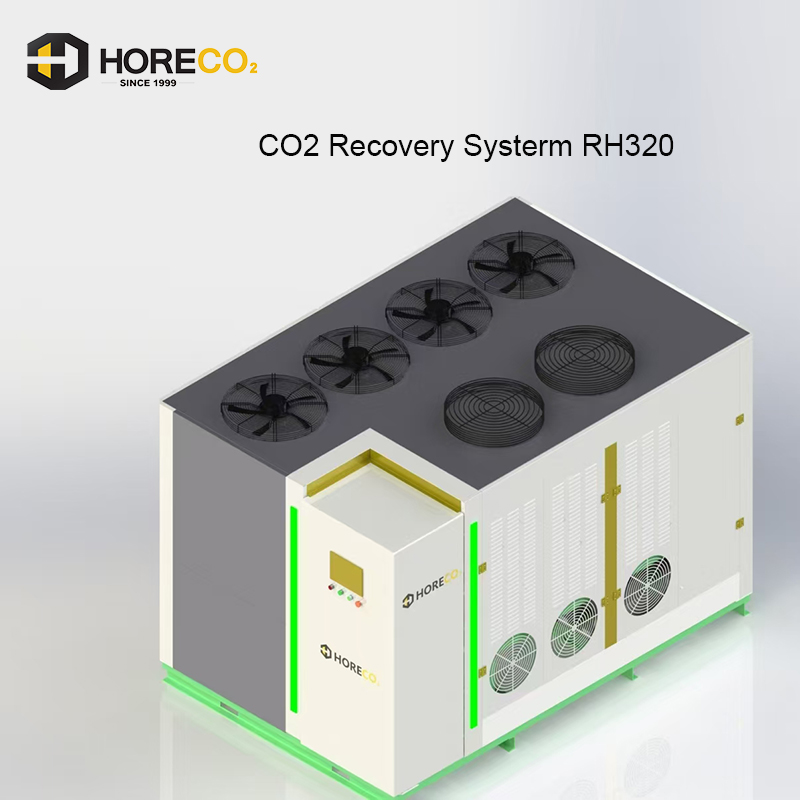
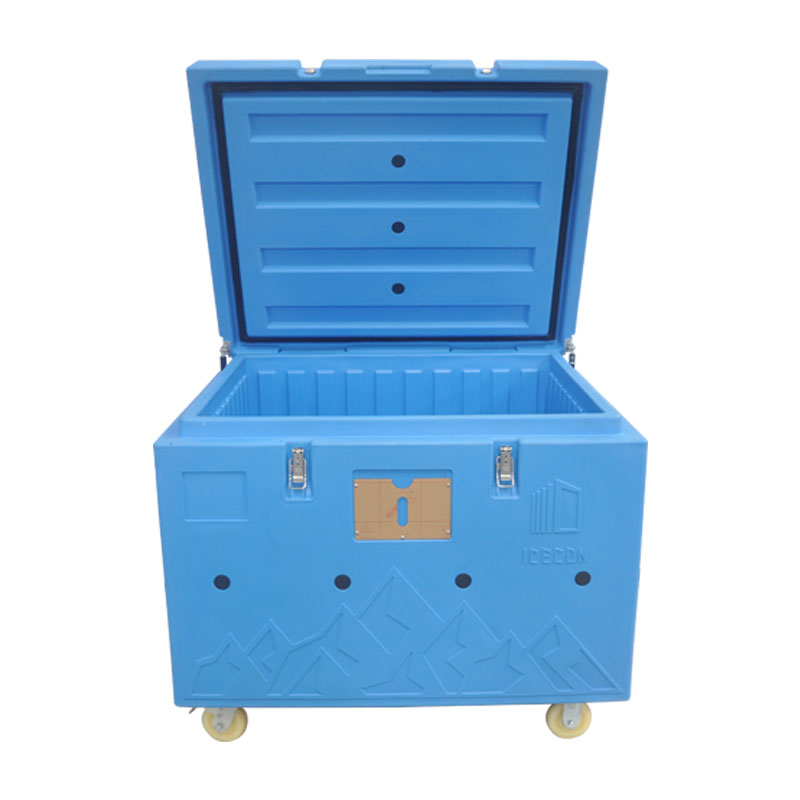
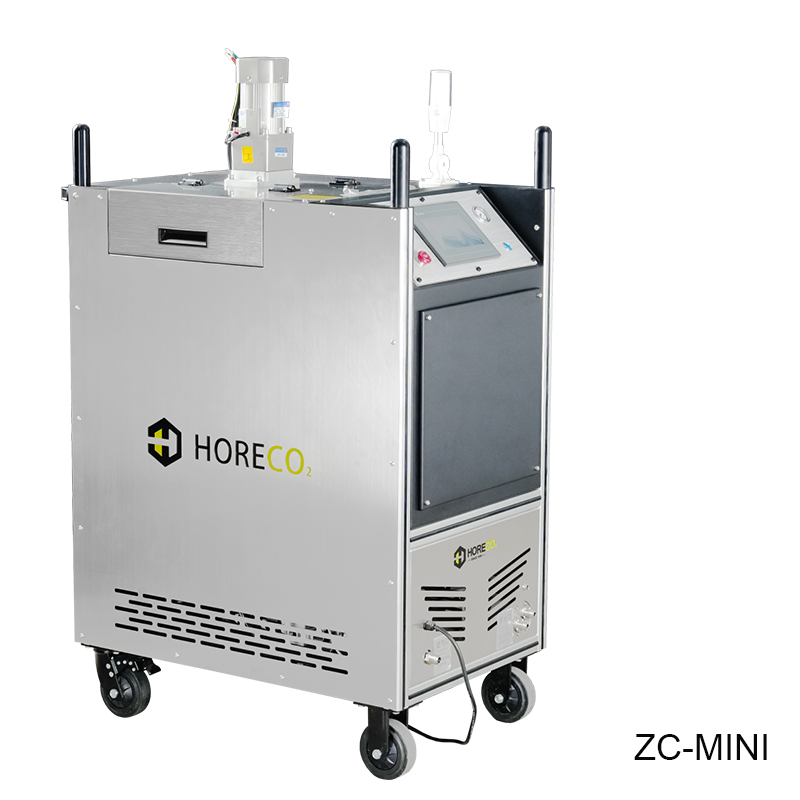
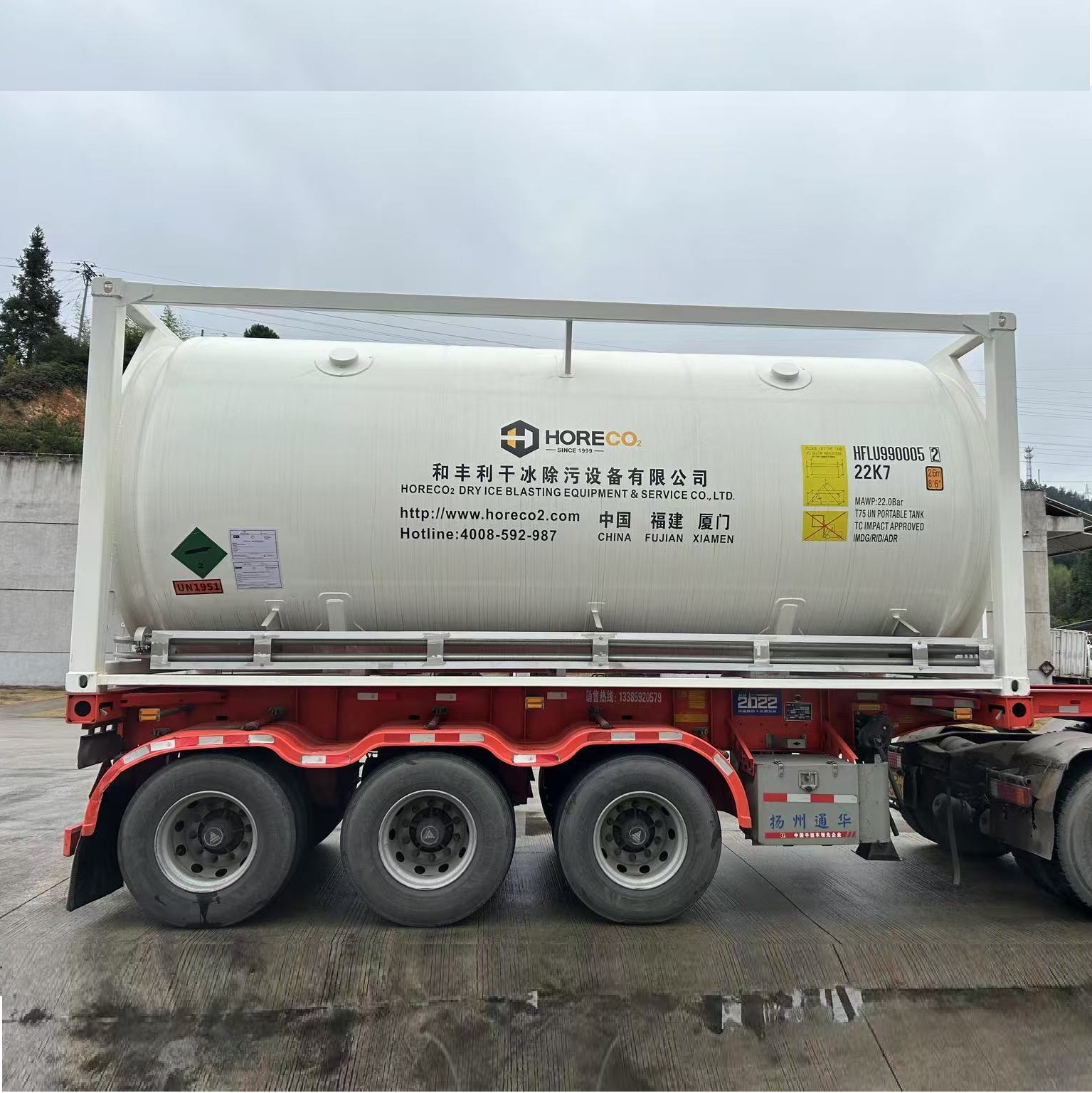
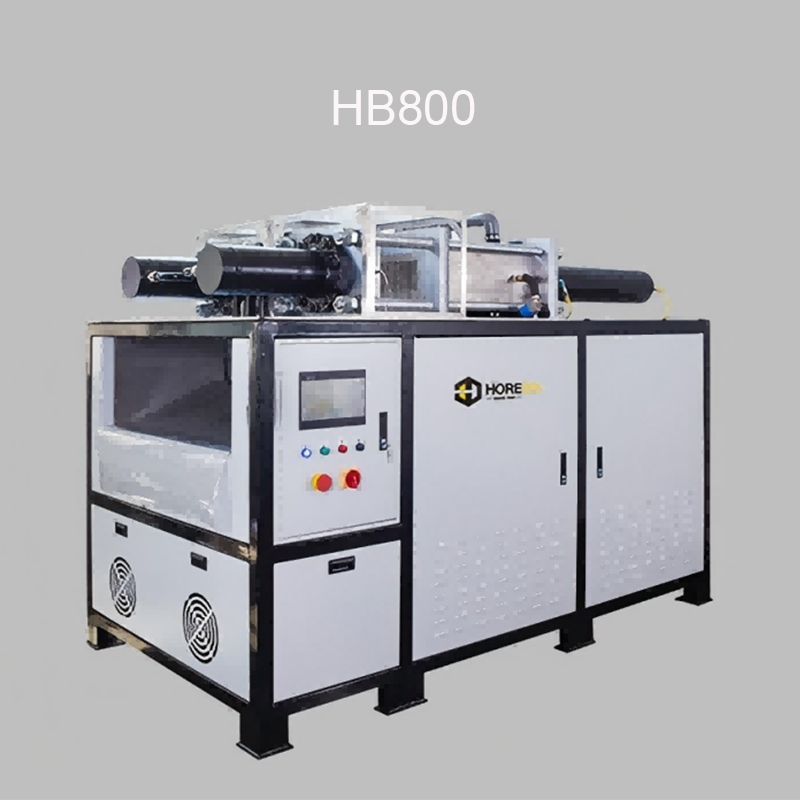
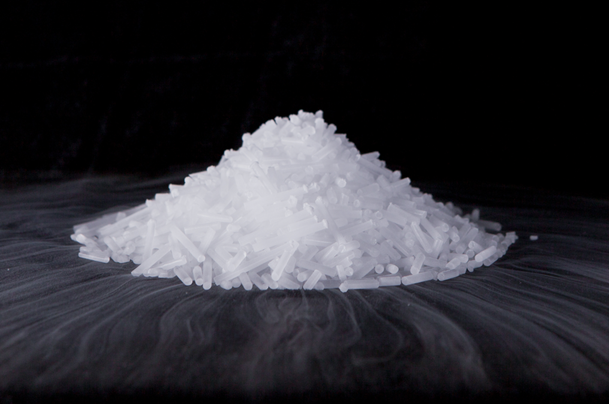
Imagine this: you're managing a factory floor where heavy machinery has accumulated stubborn grime over months of operation. Traditional cleaning methods would mean hours of downtime, chemical runoff, and potential damage to sensitive components. But what if you could blast away contaminants without leaving residue or moisture? That's where dry ice maker pellets come into play—a technology that's quietly revolutionizing industrial maintenance. In this blog, we'll dive deep into how these pellets work, why they're gaining traction, and how companies like HORECO2 Dry Ice Blasting Equipment & Service Co., Ltd. are leading the charge in making this innovation accessible and effective.
The Pain Points of Traditional Industrial Cleaning
Before we get into solutions, let's unpack the specific challenges that industries face with conventional cleaning methods. These aren't just minor inconveniences; they're costly, time-consuming problems that can impact safety and productivity.
Pain Point 1: Downtime and Productivity Loss In sectors like automotive manufacturing or food processing, every minute of downtime translates to lost revenue. For example, cleaning a production line with solvents or water-based systems might require shutting down equipment for several hours, leading to delays in output. A typical mid-sized plant could lose thousands of dollars per hour in such scenarios, not to mention the labor costs involved in manual scrubbing.
Pain Point 2: Environmental and Safety Concerns Many traditional cleaners rely on harsh chemicals that pose risks to workers' health and the environment. Chemical runoff can contaminate soil and waterways, while fumes may cause respiratory issues. Compliance with regulations like OSHA standards adds another layer of complexity and cost, as companies must invest in protective gear and disposal systems.
Pain Point 3: Damage to Equipment Abrasive methods or moisture from cleaning can corrode machinery, especially in industries with delicate electronics or precision tools. Over time, this leads to increased maintenance costs and reduced equipment lifespan. In the aerospace industry, for instance, even minor corrosion on aircraft components can compromise safety and require expensive replacements.
How Dry Ice Maker Pellets Provide a Solution
Now, let's explore how dry ice pellets address these pain points head-on. These pellets, typically made from compressed carbon dioxide, offer a non-abrasive, residue-free cleaning alternative that's both efficient and eco-friendly.
Solution for Downtime Dry ice blasting works by propelling pellets at high speeds to sublimate upon impact, lifting contaminants without damaging surfaces. This process allows for in-place cleaning, meaning equipment doesn't need to be disassembled or shut down for long periods. In practice, a facility can reduce cleaning time by up to 50%, as seen in case studies where production lines resume operation within minutes instead of hours.
Solution for Environmental Issues Since dry ice pellets sublimate into gas, they leave no secondary waste, eliminating the need for chemical disposal. This aligns with green initiatives and reduces regulatory burdens. HORECO2's systems, for example, are designed to minimize carbon footprint by using recycled CO2, making them a sustainable choice for companies aiming to meet ESG goals.
Solution for Equipment Protection The non-conductive and non-abrasive nature of dry ice pellets prevents corrosion and electrical damage. This is crucial in industries like electronics manufacturing, where even slight moisture can ruin components. By preserving equipment integrity, businesses can extend asset life and cut long-term maintenance costs significantly.
Client Success Stories: Real-World Impact
To illustrate these benefits, here are fictional but realistic examples of how HORECO2's dry ice pellet technology has transformed operations across different regions and industries.
Case 1: Automotive Plant in Detroit, USA A major car manufacturer struggled with grease buildup on assembly robots, causing weekly downtime of 8 hours for cleaning. After switching to HORECO2's dry ice blasting system, downtime reduced to 2 hours per week, boosting annual productivity by 15%. The plant manager noted, "This technology saved us over $100,000 in lost production time last year alone."
Case 2: Food Processing Facility in Hamburg, Germany Facing strict hygiene standards, this facility used chemical cleaners that left residues and required extensive rinsing. Implementing dry ice pellets eliminated residue, cut cleaning time by 40%, and reduced water usage by 30%. The quality assurance lead shared, "Our compliance audits have never been smoother, thanks to the residue-free results."
Case 3: Aerospace Component Supplier in Toulouse, France Corrosion from traditional cleaning was damaging sensitive aircraft parts, leading to a 10% rejection rate. With dry ice blasting, rejection rates dropped to 2%, and equipment lifespan increased by 20%. A senior engineer commented, "We've enhanced safety and slashed our rework costs dramatically."
Case 4: Pharmaceutical Lab in Zurich, Switzerland Contamination risks in cleanrooms were a constant concern. Dry ice pellets provided a sterile, non-toxic cleaning method, reducing microbial counts by 95% and lowering sanitization costs by 25%. The lab director said, "It's a game-changer for maintaining our stringent cleanliness protocols."
Case 5: Maritime Shipyard in Rotterdam, Netherlands Rust and paint removal on ships involved hazardous abrasives and long turnaround times. Using HORECO2's pellets, the shipyard cut cleaning time by 60% and improved worker safety, with zero chemical exposure incidents reported. The project manager remarked, "We're completing projects faster and safer than ever before."
Applications and Partnerships
Dry ice pellets aren't limited to one industry; their versatility makes them suitable for various applications. HORECO2 collaborates with key partners to ensure widespread adoption and innovation.
Common Applications: These include surface preparation in welding, mold cleaning in plastics manufacturing, fire restoration, and historical artifact conservation. For instance, in the energy sector, they're used to clean turbines without causing thermal shock.
Partnerships: HORECO2 works with procurement teams from companies like Siemens and Boeing, providing customized solutions through long-term supply agreements. These partnerships involve joint R&D efforts to refine pellet formulations for specific uses, such as developing smaller pellets for intricate electronics cleaning. By aligning with industry leaders, HORECO2 enhances its credibility and drives technological advancements.
FAQ: Answers for Engineers and Procurement Managers
Here are five technical questions that professionals in the field often ask, along with detailed responses to help clarify common concerns.
1. How do dry ice pellets compare to other blasting media like sand or soda? Dry ice pellets are superior in terms of cleanliness and safety. Unlike sand, they don't produce secondary waste or cause abrasion. Compared to soda, which can leave residues, dry ice sublimates completely. A key advantage is the ability to clean electrically sensitive equipment without risk of short circuits, as pellets are non-conductive.
2. What's the cost-effectiveness over time? While initial investment in equipment like HORECO2's blasters might be higher, long-term savings are significant. Reduced downtime, lower disposal costs, and extended equipment life typically result in a return on investment within 6-12 months. For example, a mid-sized factory can save up to $50,000 annually on maintenance and compliance.
3. Are there any safety risks with handling dry ice pellets? Yes, but they're manageable with proper training. Dry ice is extremely cold (-78.5°C) and can cause frostbite if handled without gloves. It also sublimates into CO2 gas, which in confined spaces can displace oxygen. HORECO2 provides safety protocols and ventilation guidelines to mitigate these risks, ensuring safe operation in industrial settings.
4. How do I choose the right pellet size for my application? Pellet size affects cleaning efficiency. Smaller pellets (e.g., 3mm) are ideal for delicate surfaces or tight spaces, while larger ones (e.g., 10mm) work better for heavy-duty grime. HORECO2 offers a range of sizes and can recommend based on your specific needs, such as using medium pellets for general machinery cleaning.
5. Can this technology be integrated into automated systems? Absolutely. Many modern facilities use robotic arms equipped with dry ice blasting nozzles for consistent, hands-free cleaning. HORECO2 supports integration with existing automation setups, providing technical assistance to ensure seamless operation and optimize pellet usage rates.
Conclusion and Call to Action
In summary, dry ice maker pellets offer a powerful solution to some of the most persistent challenges in industrial cleaning. By reducing downtime, enhancing safety, and protecting equipment, they deliver tangible benefits that translate into cost savings and improved efficiency. As industries continue to prioritize sustainability and productivity, technologies like those from HORECO2 are set to play a crucial role.
If you're curious to learn more, we encourage you to dive deeper. Download our technical white paper for detailed insights on pellet specifications and application guidelines, or reach out to our sales engineers for a personalized consultation. They can help assess your specific needs and demonstrate how dry ice blasting can transform your operations. Don't let traditional cleaning methods hold you back—explore the future of maintenance today.
