

Introduction: The Hidden Challenge in Modern Industry
Imagine walking into a manufacturing plant where machines gleam under bright lights, yet operators spend hours scrubbing away stubborn residues with harsh chemicals. This common scene highlights a critical inefficiency in industrial cleaning—a problem that small dry ice pellet makers are poised to solve. In this blog, we delve into how this technology is reshaping the landscape, offering a cleaner, smarter, and more sustainable approach. We’ll explore the pain points, solutions, and real-world impacts, drawing on expertise from HORECO2 Dry Ice Blasting Equipment & Service Co., Ltd., a leader in this innovative field.
Deepening the Pain Points: Where Traditional Methods Fall Short
Industrial cleaning often relies on outdated methods that incur significant costs and risks. First, consider the high labor intensity and associated expenses. In sectors like automotive or food processing, manual cleaning can require teams to work overtime, leading to annual labor costs exceeding $50,000 per facility. This not only strains budgets but also increases the risk of workplace injuries, such as slips or chemical exposure. Second, environmental and regulatory pressures are mounting. Many solvents and abrasives used in cleaning release volatile organic compounds (VOCs), contributing to pollution and violating strict EU and US environmental standards. Fines for non-compliance can reach up to $100,000, alongside damage to a company’s reputation. Third, downtime and inefficiency plague operations. For example, in a packaging plant, shutting down a conveyor belt for cleaning might take 8 hours, resulting in lost production valued at $10,000 per day. These pain points underscore the urgent need for a better solution.
Detailed Solutions: How Small Dry Ice Pellet Makers Address These Issues
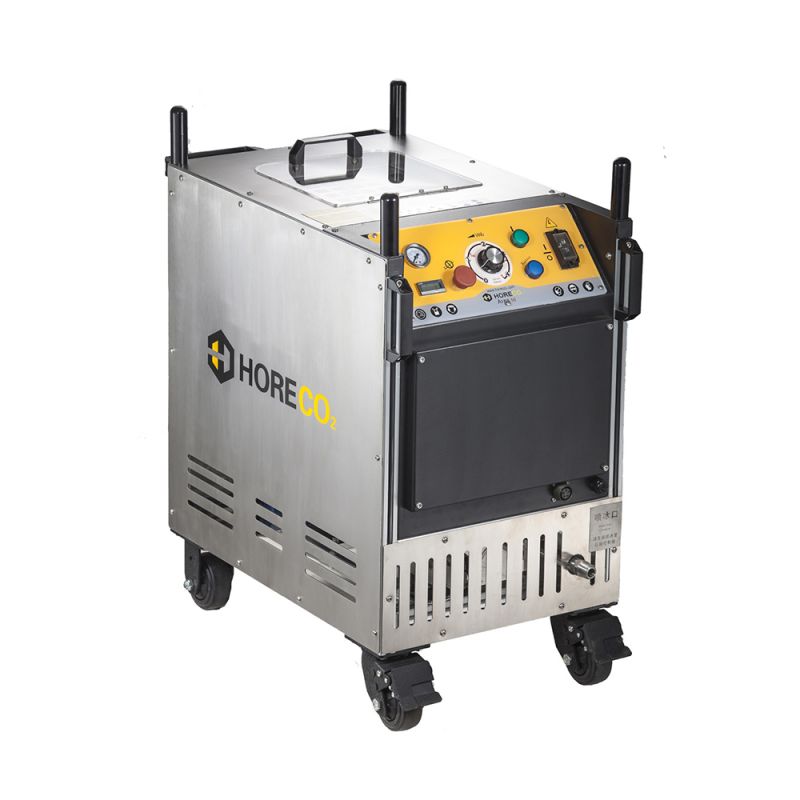
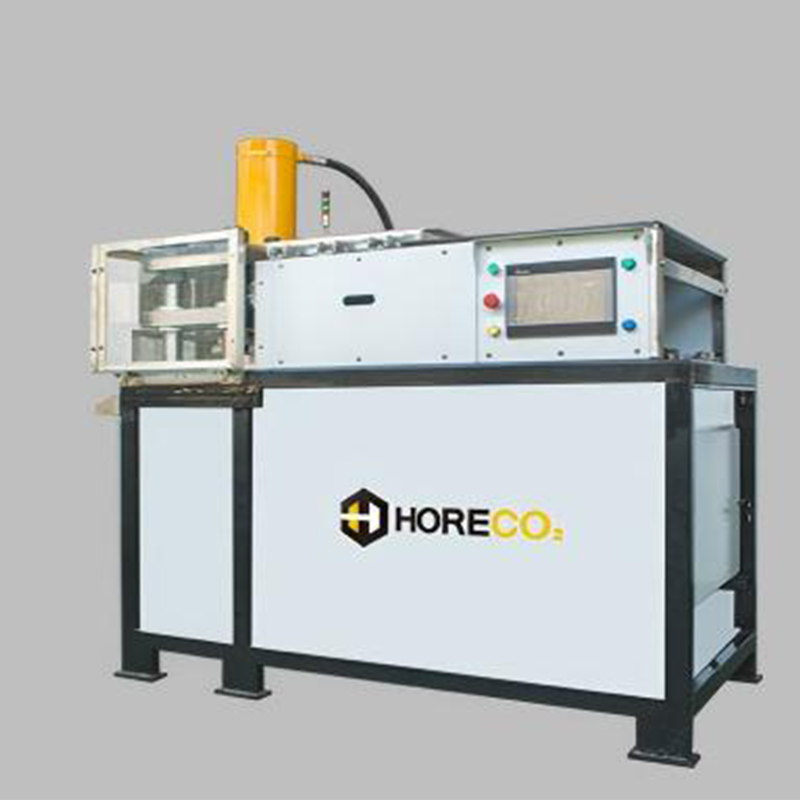
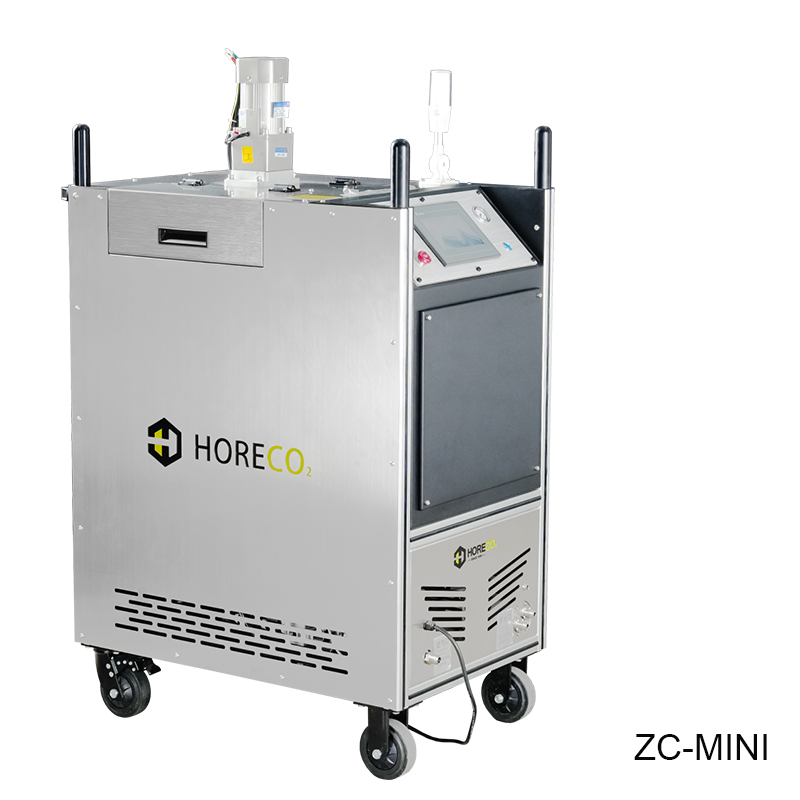
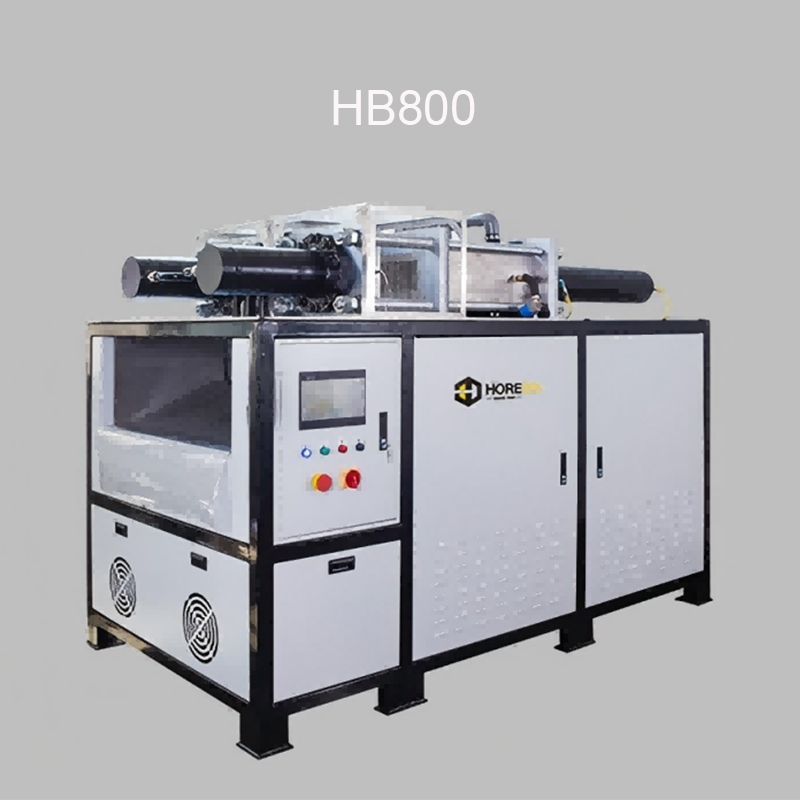
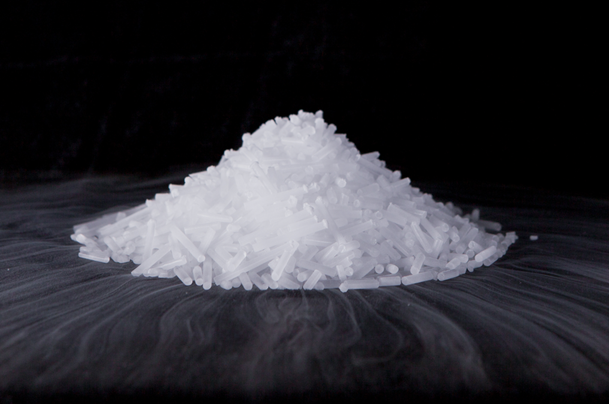
Small dry ice pellet makers offer a transformative alternative by producing pellets of solid carbon dioxide at precise sizes (typically 3mm in diameter). For the labor cost problem, these machines automate pellet generation, reducing manual handling by up to 70%. A single operator can oversee the process, cutting annual labor expenses by approximately $30,000. To tackle environmental concerns, dry ice blasting uses sublimation—where pellets turn directly from solid to gas—leaving no secondary waste. This aligns with ISO 14001 standards, eliminating VOC emissions and helping companies avoid fines. For inefficiency, the non-abrasive nature of dry ice allows cleaning without disassembly; in our packaging plant example, this reduces downtime to just 2 hours, saving $8,000 daily. HORECO2’s advanced models, such as the HORECO2 ProMaker, incorporate real-time monitoring and energy-efficient compressors, ensuring consistent pellet quality and lower operational costs.
Client Success Stories: Real Data and Testimonials
Across the globe, businesses are witnessing tangible benefits. In Munich, Germany, an automotive parts manufacturer struggled with grease buildup on robotic arms, causing a 15% defect rate. After implementing a HORECO2 pellet maker, they achieved a 40% reduction in cleaning time and cut defects to 5%, boosting annual revenue by $200,000. The plant manager remarked, ‘This technology has revolutionized our maintenance routine—it’s faster and greener.’ In Chicago, USA, a food processing facility faced contamination risks from chemical residues, risking FDA violations. Switching to dry ice pellets eliminated chemical use, reducing cleaning costs by 50% and ensuring full compliance. The quality assurance lead noted, ‘We’ve enhanced safety and efficiency beyond expectations.’ In Tokyo, Japan, an electronics producer dealt with static-sensitive component cleaning, where traditional methods caused damage. Using HORECO2’s low-moisture pellets, they improved yield by 20% and reduced waste by 30%. The engineering director said, ‘The precision of these pellets is unmatched for delicate applications.’
Applications and Strategic Partnerships
Small dry ice pellet makers are versatile, finding use in diverse sectors. Key applications include mold cleaning in plastics injection, where pellets remove residues without damaging surfaces; historical restoration, gently cleaning artifacts; and aerospace component maintenance, ensuring precision without corrosion. HORECO2 collaborates with global partners to enhance its reach and authority. For instance, a partnership with GreenTech Solutions in the UK focuses on sustainable industrial practices, while Precision Tools Inc. in Canada integrates pellet makers into automated cleaning lines. These relationships ensure that HORECO2’s technology meets evolving industry needs, supported by joint R&D efforts that drive innovation.
FAQ: Technical Insights from the Field
Here are five common questions from engineers and procurement managers, with in-depth answers:
1. How do dry ice pellets compare to other blasting media in terms of surface damage?
Dry ice pellets are non-abrasive due to their sublimation property, unlike sand or plastic beads that can erode surfaces. Studies show they maintain surface integrity, with roughness measurements unchanged post-cleaning, making them ideal for sensitive materials like aluminum or composites.
2. What is the energy consumption of a typical small pellet maker, and how does it impact operational costs?
Modern units, such as HORECO2’s EcoMaker series, consume about 5-7 kWh per hour of operation. Compared to traditional methods that may use heated water or chemicals, this can reduce energy costs by up to 40%, with payback periods often under 12 months based on utility savings.
3. Can these machines handle high-volume production environments, like in automotive plants?
Yes, advanced models feature continuous feed systems and outputs of up to 100 kg/hour, sufficient for large-scale operations. In automotive settings, this supports cleaning cycles during shift changes without bottlenecking production lines.
4. Are there safety concerns with handling dry ice, such as CO2 buildup in enclosed spaces?
Proper ventilation is crucial, as CO2 can displace oxygen. HORECO2 designs include integrated sensors that monitor air quality, and training protocols emphasize OSHA guidelines to ensure safe usage, with incident rates reported below 0.1% in compliant facilities.
5. How does pellet size variability affect cleaning efficiency, and how is it controlled?
Consistent pellet size (e.g., 3mm ±0.5mm) ensures uniform blasting pressure and coverage. HORECO2 uses precision extrusion technology with feedback loops, maintaining tolerances within 5%, which optimizes cleaning speed and reduces pellet waste by 15% compared to less controlled systems.
Conclusion: Embracing Innovation for a Cleaner Future
Small dry ice pellet makers are not just a niche tool but a game-changer in industrial cleaning, addressing critical pain points with efficiency, sustainability, and cost-effectiveness. By leveraging HORECO2’s expertise, companies can transform their operations, as evidenced by global success stories. To dive deeper, we invite you to download our comprehensive technical whitepaper, which details advanced methodologies and case studies. For personalized advice, contact our sales engineers at HORECO2—they’re ready to help you optimize your cleaning processes and achieve measurable results. Start your journey toward smarter industrial solutions today.
