

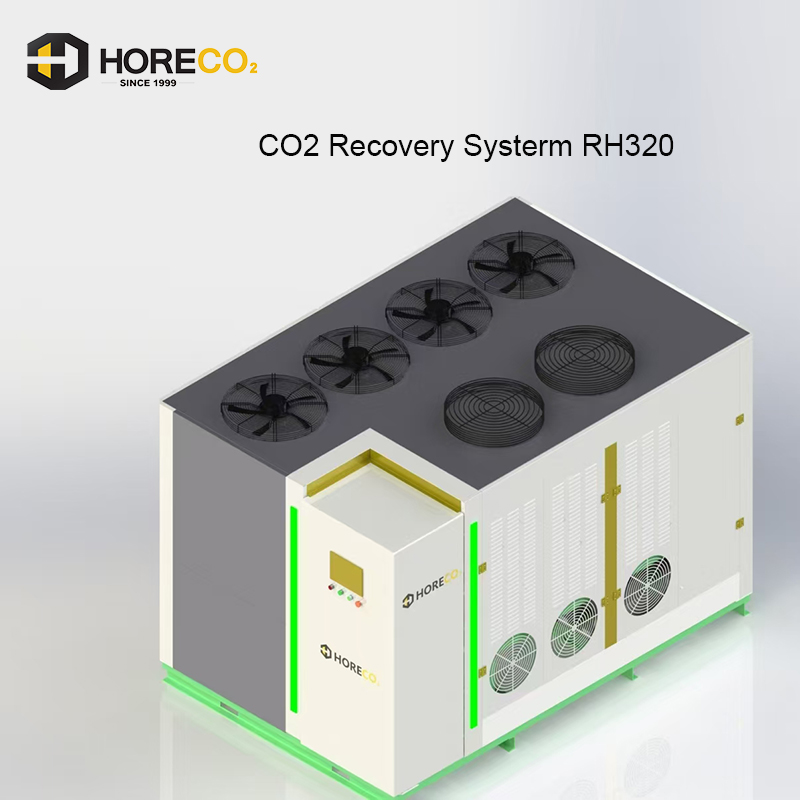
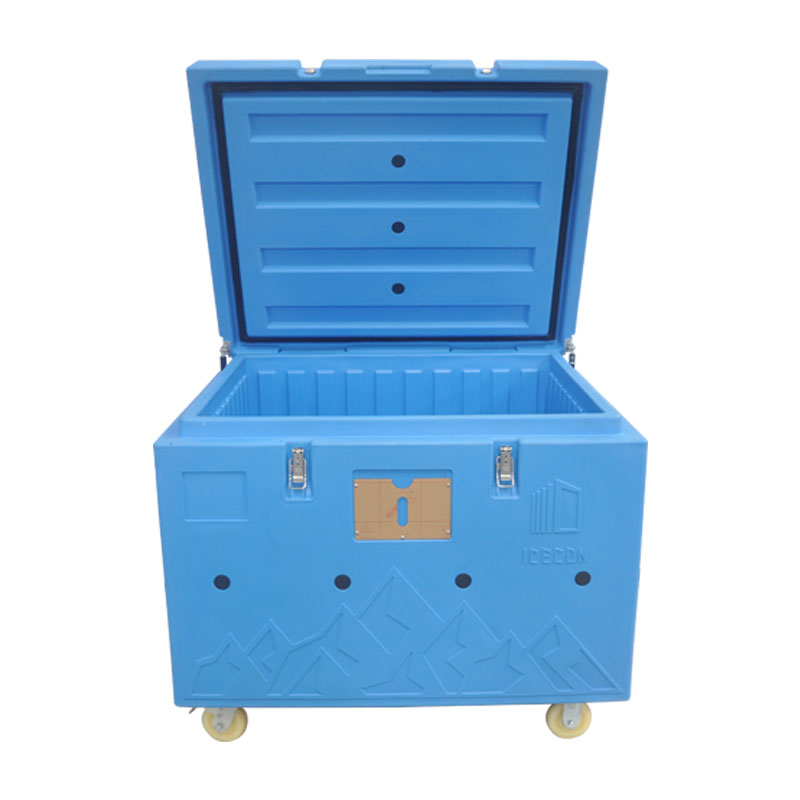
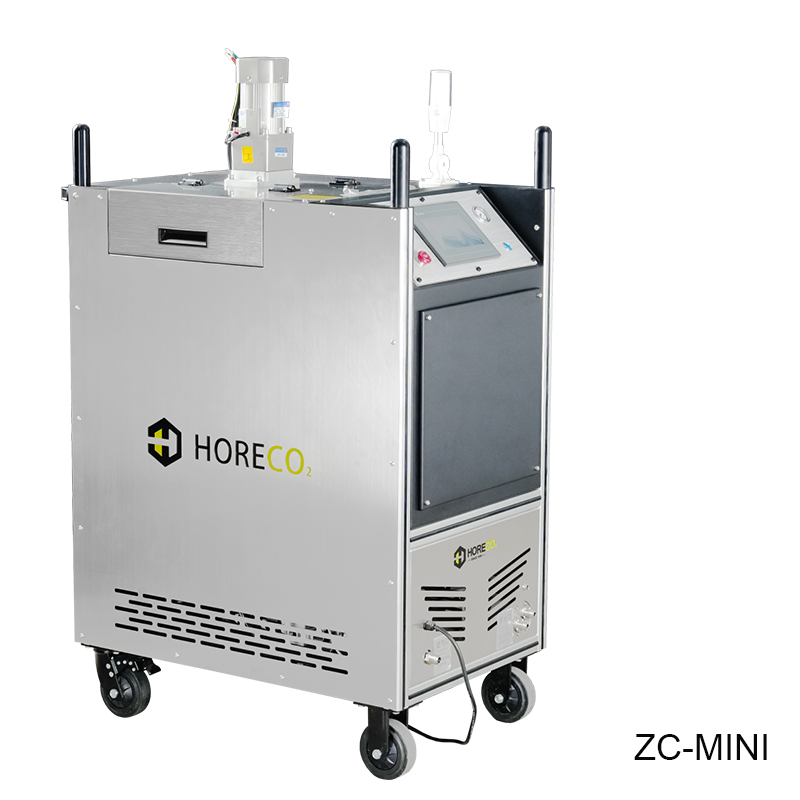
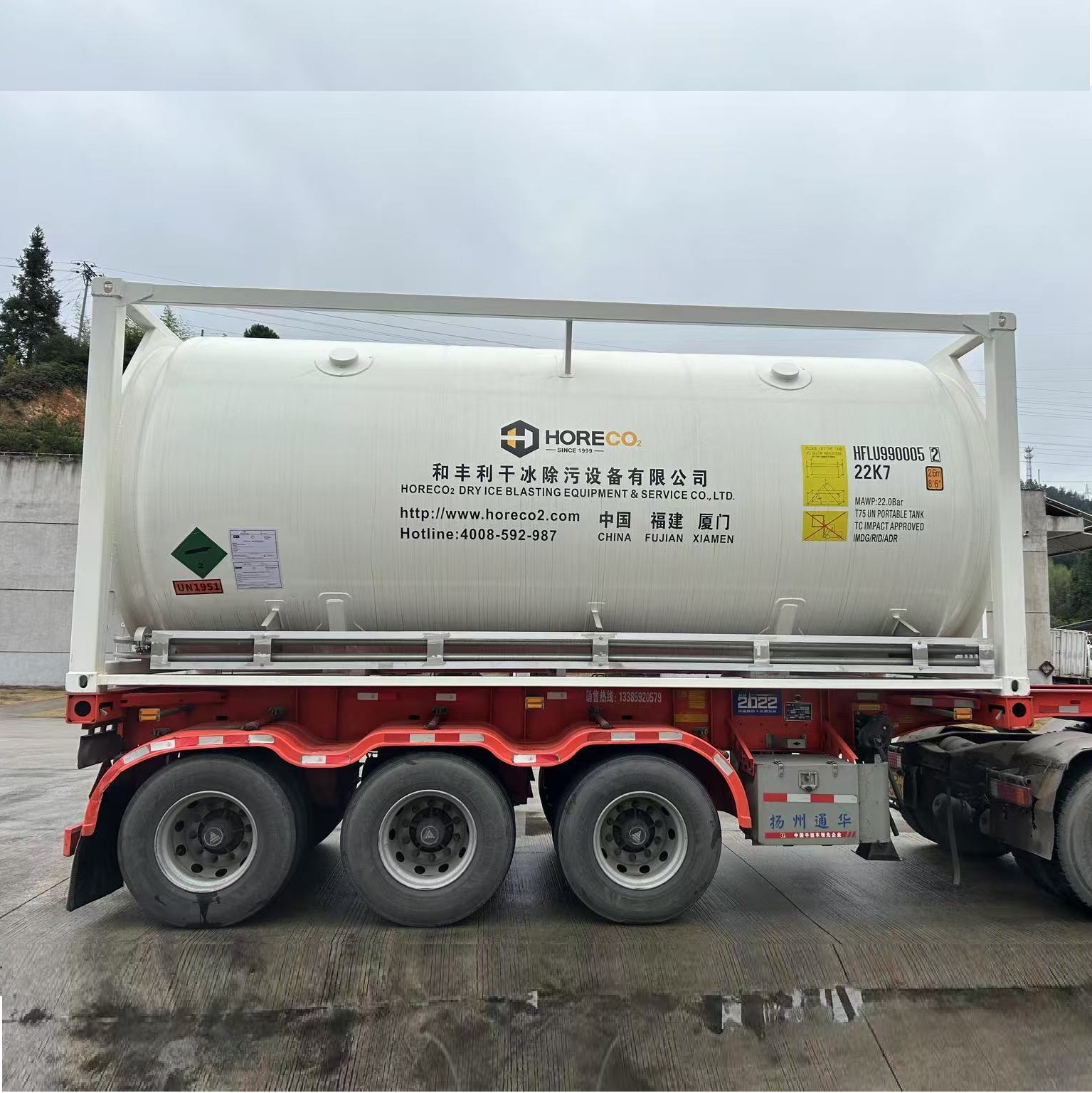
Imagine a manufacturing floor where cleaning critical machinery no longer means days of downtime, hazardous chemical residues, or water damage to sensitive components. This isn't a futuristic fantasy—it's the reality offered by dry ice blasting, a technology that's quietly transforming how industries maintain precision and efficiency. In this blog, we'll explore why this method is more than just a cleaning alternative; it's a strategic upgrade for operations worldwide.
Pain Points: Where Traditional Methods Fall Short
In sectors like aerospace, automotive, and food processing, cleaning isn't just about aesthetics—it's integral to safety, compliance, and productivity. Yet, many companies grapple with significant hurdles. First, time inefficiency: Conventional methods such as manual scrubbing or abrasive blasting can shut down production lines for extended periods. For instance, cleaning a turbine engine might take 48 hours using solvents, leading to lost revenue of thousands per hour in downtime. Second, environmental and health risks: Chemical cleaners often leave toxic residues, requiring costly disposal and posing worker safety concerns, with fines for non-compliance potentially reaching tens of thousands of dollars. Third, equipment damage: Water-based cleaning can cause corrosion in electrical systems, while abrasives may wear down surfaces, shortening asset lifespans and increasing replacement costs.
Solutions: How Dry Ice Blasting Addresses These Challenges
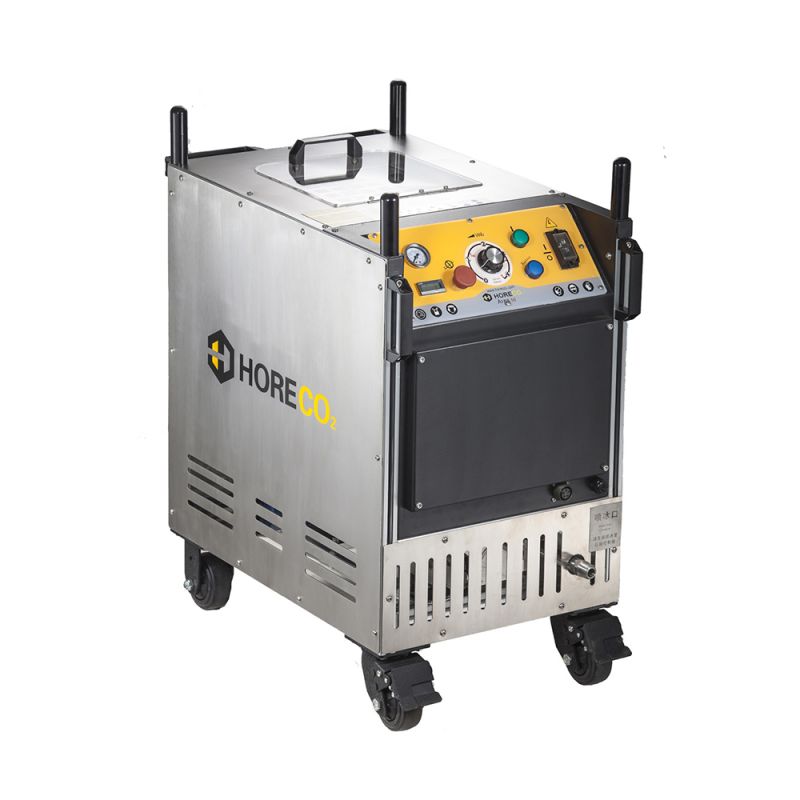
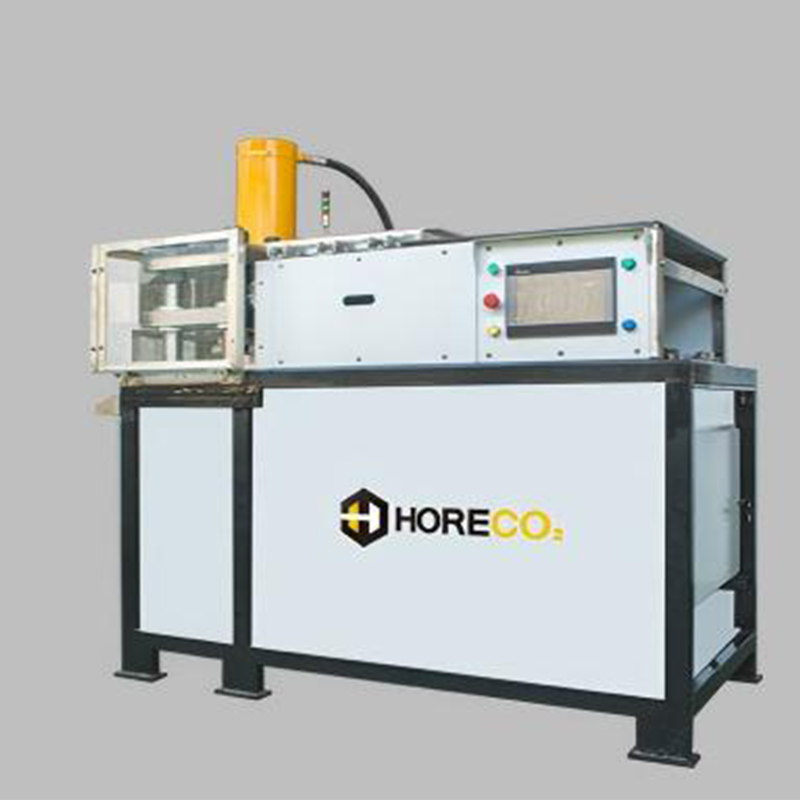
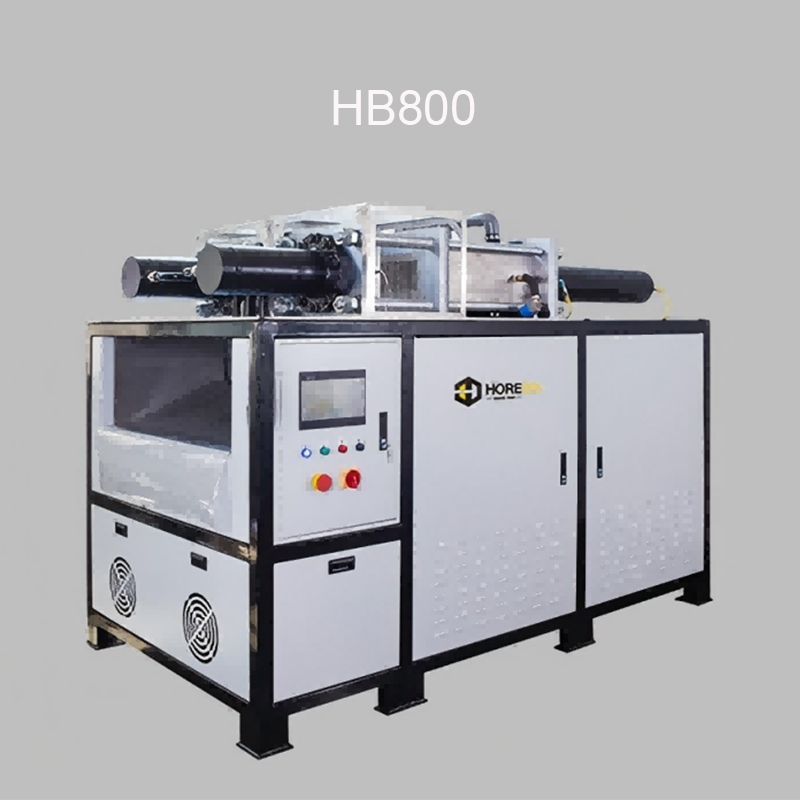
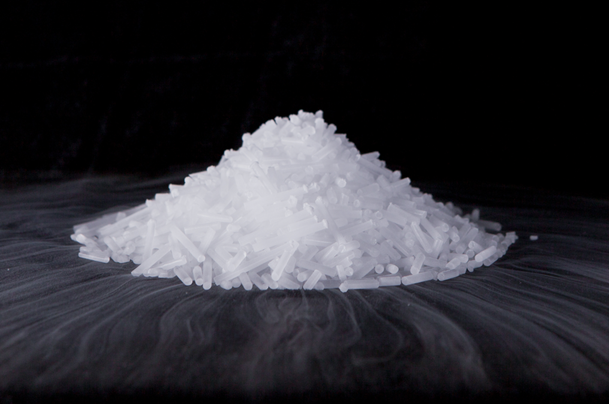
Dry ice blasting, offered by HORECO2 Dry Ice Blasting Equipment & Service Co., Ltd., tackles these issues head-on. By using solid CO2 pellets blasted at high speeds, it sublimates upon impact, lifting contaminants without residue. This method reduces cleaning time by up to 80% compared to traditional techniques, as it requires no drying time and minimizes disassembly. Environmentally, it eliminates chemical waste, aligning with regulations like ISO 14001, and enhances worker safety by avoiding toxic exposures. Technically, it's non-abrasive and non-conductive, preserving delicate components and extending equipment life, which translates to lower long-term maintenance costs.
Client Success Stories: Real-World Impact
1. AutoTech GmbH, Stuttgart, Germany: This automotive parts manufacturer struggled with grease buildup on robotic arms, causing monthly downtime of 15 hours. After implementing HORECO2's system, cleaning time dropped to 3 hours per session, boosting annual production by 12%. "The efficiency gains have been phenomenal—we've reclaimed valuable production hours," says Production Manager Klaus Weber.
2. AeroPrecision Inc., Seattle, USA: In aerospace, removing carbon deposits from engine components was a costly, 72-hour process involving hazardous chemicals. With dry ice blasting, they reduced it to 18 hours, cutting labor costs by 60% and eliminating chemical disposal fees. "This technology has revolutionized our maintenance schedule," notes Chief Engineer Maria Rodriguez.
3. Sakura Foods Co., Tokyo, Japan: Facing strict hygiene standards, this food processor used steam cleaning that risked bacterial regrowth. Switching to dry ice blasting allowed for faster, residue-free sanitation, reducing microbial counts by 99.9% and cutting cleaning cycles by 50%. "Our compliance audits have never been smoother," shares Quality Director Hiroshi Tanaka.
Applications and Partnerships: Where It Shines
Dry ice blasting excels in diverse settings: from degreasing industrial machinery and removing coatings in automotive refurbishment to sanitizing food processing lines. HORECO2 collaborates with global partners, such as procurement teams at major European manufacturing conglomerates and engineering firms in North America, ensuring tailored solutions. These relationships underscore the technology's adaptability and reliability across borders.
FAQ: Answers for Engineers and Procurement Managers
1. Q: How does dry ice blasting compare in cost to traditional methods? A: While initial investment is higher, long-term savings from reduced downtime, lower disposal costs, and extended equipment life often yield a ROI within 12-18 months, based on case studies.
2. Q: Is it safe for sensitive electronics? A: Yes, as it's non-conductive and non-abrasive, it's ideal for cleaning circuit boards and other delicate parts without risk of short circuits or damage.
3. Q: What about CO2 emissions and sustainability? A: The CO2 used is typically recycled from industrial processes, making it a carbon-neutral option that supports circular economy principles.
4. Q: Can it handle heavy industrial contaminants like rust or paint? A: Absolutely—adjustable pressure settings allow effective removal of tough deposits without harming substrates, verified by standards like ASTM D4258.
5. Q: How do we integrate it into existing workflows? A: HORECO2 provides customized training and support, ensuring seamless adoption with minimal disruption, as seen in client deployments.
Conclusion and Call-to-Action
Dry ice blasting isn't just a cleaning tool; it's a strategic asset that enhances efficiency, safety, and sustainability. By addressing core industry pain points with innovative technology, companies like HORECO2 are paving the way for smarter maintenance. Ready to explore how this can transform your operations? Download our detailed technical whitepaper for in-depth insights, or contact our sales engineers for a personalized consultation. Let's elevate your cleaning standards together.
